REVIEW · LA FORTUNA
Pura Vida Cooking Class in La Fortuna (From farm to table)
Book on Viator →Operated by Jacamar Naturalist Tours · Bookable on Viator
Machete in hand, you cook Costa Rica. This Pura Vida cooking class takes you from La Finquita Farm to an open-air kitchen where you’ll learn Costa Rican cooking the practical way: harvest what’s in season, then cook it into a traditional meal. Two things I really like are the farm-to-table flow (you’re not just watching) and the fact that you take home an apron from the class.
One thing to keep in mind: the farm part depends on conditions. If weather limits harvesting, your schedule may shift more toward the cooking side, even though the class still aims to end with a full meal.
In This Review
- Key things to know before you go
- La Finquita Farm Tour: Your Meal Starts With Real Dirt
- Harvesting Ingredients: The Hands-On Part That Makes It Click
- Gallina Achiotada Cooking Class: Traditional Steps in a Real Kitchen
- What else might show up in your menu?
- Cooking with an interpreter-guide and chef team
- Tortillas From Scratch: A Skill You’ll Actually Use Again
- The Meal You Eat at the End: Fresh, Plentiful, and Worth the Work
- Morning or Afternoon: How to Pick the Right Time Slot
- Price and Value: What $99.44 Buys in La Fortuna
- When Weather Changes the Plan (and You Still Get a Great Class)
- Who This Cooking Class Is Best For
- Quick Tips to Get the Most Out of Your 4 Hours
- Should You Book This Pura Vida Farm-to-Table Class?
- FAQ
- How long is the Pura Vida Cooking Class in La Fortuna?
- Where does the tour start and end?
- Is hotel pickup and drop-off included?
- What’s included in the price?
- Do I get to cook, or is it mostly watching?
- Do they accommodate dietary restrictions?
- What’s the group size?
- What if the weather prevents harvesting?
Key things to know before you go
- Farm tour first: you visit the ecological farm and learn what’s grown there before you cook
- You pick seasonal ingredients: cassava, plantain, sugarcane, corn, plus vegetables show up in the experience
- Learn gallina achiotada: you cook a typical Costa Rican dish with guided, step-by-step help
- Handmade tortillas: you’ll practice tortilla-making using traditional techniques
- Small groups: up to 15 travelers makes the class feel personal, not like a factory line
- Hotel pickup in central La Fortuna: it’s built for an easy half-day, starting at Jacamar Naturalist Tours
La Finquita Farm Tour: Your Meal Starts With Real Dirt
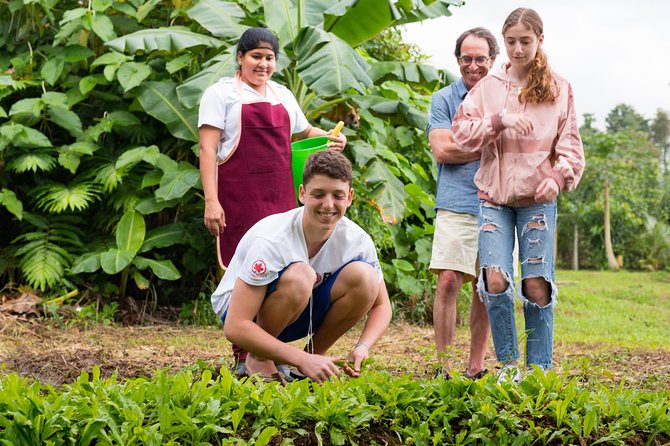
The class begins at La Finquita Farm in La Fortuna. This isn’t a fake set or a showroom kitchen. It’s an ecological farm that focuses on sustainable agriculture and responsible use of natural resources, and you’ll see crops growing right there on-site. Depending on the day, you’ll encounter staples and seasonal ingredients like cassava, plantain, sugarcane, corn, and a mix of vegetables.
I like that the tour isn’t just a walk-and-smile photo stop. You get guided commentary as you move through the farm, and the whole point is connection: what grows where, when it’s ready, and why those flavors make sense in Costa Rican cooking. If you care about food as more than a taste—if you want the why behind it—this part does the heavy lifting.
You also get a sense of scale. The farm experience feels active and hands-on, and that matters because it sets up what comes next: cooking with ingredients you actually helped gather.
You can also read our reviews of more tours and experiences in La Fortuna.
Harvesting Ingredients: The Hands-On Part That Makes It Click
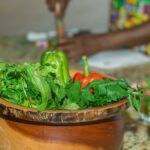
After the initial farm tour, you’ll pick ingredients fresh from the garden. People often talk about the excitement of harvesting roots and herbs you don’t usually buy at home—yucca is one example that comes up again and again. That’s more than fun. It changes how you cook, because you’re paying attention to smell, texture, and how ingredients behave when they hit the pan or cooking surface.
This is also where the class feels most “from farm to table.” You’ll be using what you harvested in your meal, which gives the cooking lesson a clear purpose. It’s not just learning recipes. It’s learning process.
Practical note: wear shoes you don’t mind getting muddy. Even if the farm paths look simple, you’re on agricultural ground, not a sidewalk.
Gallina Achiotada Cooking Class: Traditional Steps in a Real Kitchen
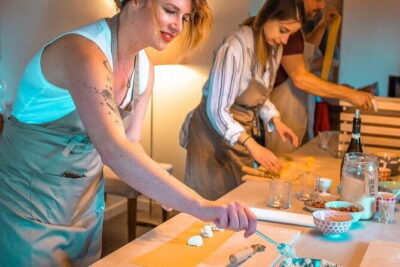
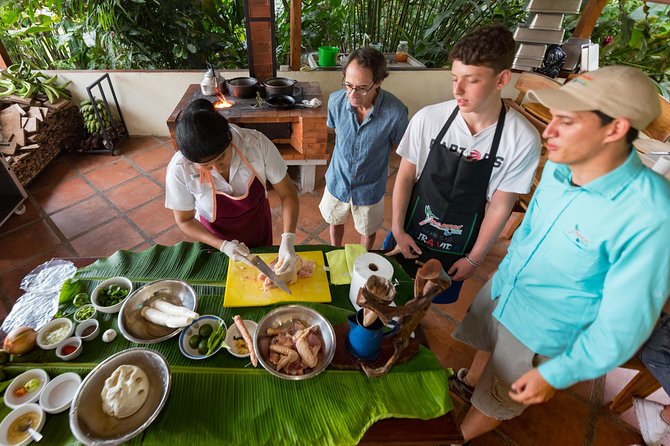
Then you move to the cooking portion. The centerpiece is preparing a traditional Costa Rican dish: gallina achiotada. This is where your guide and chef work as a team, and you’ll get explanations as you go, not just after the fact.
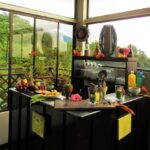
A big reason people love this class is that it’s hands-on without being chaotic. The kitchen setup is open-air, which keeps the experience comfortable in La Fortuna’s climate, and it feels built for group cooking. Some chefs also use traditional cooking tools (like a wood-burning stove), which adds to the feeling that you’re learning local technique, not just following a modern cooking show format.
What else might show up in your menu?
The core plan centers on gallina achiotada and handmade tortillas. In addition, the exact sides can vary by day. Some participants describe making things like:
- pico de gallo
- plantain chips and/or patacones (fried plantain)
- handmade tortillas from scratch
- extra local preparations using herbs and spices you gathered on the farm
So if you love a meal that includes both the main dish and a few sides, this class tends to deliver.
Cooking with an interpreter-guide and chef team
One of the strongest parts of the experience is how guidance is delivered. The class typically pairs a guide/interpreter with the chef, so you’re not left guessing what to do or why. Names that have shown up with this role include Marco, Diego, Hugo, Nelson, Melanie, and Melody. On the chef side, names like Marcella and Anna have come up too. In other words: you get real coaching, not just a passive sit-and-watch.
Tortillas From Scratch: A Skill You’ll Actually Use Again
Handmade tortillas aren’t a side quest here. They’re a centerpiece skill. The class teaches tortilla-making using techniques passed down through generations, and you’ll have a chance to make them yourself.
This is one of those food activities that sticks after the tour ends. A finished tortilla is one thing, but knowing the steps behind it is what gives you long-term value. Even if you never cook gallina achiotada at home, tortilla-making changes how you think about simple foods.
I also like how the tortilla part reinforces the whole farm-to-table theme. You start with plants and roots, then you move into dough, heat, and timing. It’s a full chain of learning in about half a day.
The Meal You Eat at the End: Fresh, Plentiful, and Worth the Work
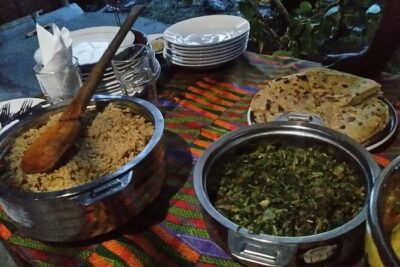
At the end, you sit down and eat what you helped prepare, surrounded by the calm rural vibe of the farm. This is a big deal. A lot of cooking classes leave you with a snack and a smile. Here, the meal is the point.
People describe the result as one of the best meals in Costa Rica, and they often mention it’s plentiful. That matches what you’d expect from a class that includes harvesting, cooking, and a main dish plus sides.
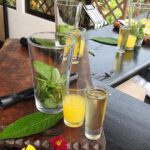
If you’re a drink person, you should know this: alcoholic beverages aren’t included, but they can be available for sale. Non-alcohol options show up too, and one highlight that gets mentioned is ginger iced tea, which sounds like a perfect counterpoint to fried or richly seasoned items.
Morning or Afternoon: How to Pick the Right Time Slot
You can choose a morning or afternoon departure. Duration is about 4 hours, and hotel pickup and drop-off are provided from central La Fortuna. That makes it easy to build around other plans like rainforest time, hot springs, or wildlife spotting.
If you’re the kind of traveler who likes to get something active done early, the morning slot usually feels like a win. You’ll also be fresh for the walking and harvesting. Afternoon works if you want a slower start and still want one hands-on food experience before dinner.
Either way, expect a true “half-day activity” pace—enough time to learn, cook, and eat, not so long that it turns into a full-day commitment.
Price and Value: What $99.44 Buys in La Fortuna
The price is $99.44 per person for about 4 hours. That number can look steep until you break down what’s included.
You’re paying for:
- a guided farm tour on an ecological farm
- time to harvest fresh ingredients
- a guided cooking class focused on a traditional dish (gallina achiotada) plus tortilla-making
- the meal you cook and eat at the end
- an apron (a small souvenir, but a nice one)
- fresh ingredients you can pick up (as stated in what’s included)
You’re also not doing the logistics yourself. Pickup and drop-off from central La Fortuna is included, and the group stays small (maximum 15). For me, that combination is the real value: your time and energy go toward learning and eating, not problem-solving.
One more point: this experience tends to book ahead (it’s commonly reserved about 43 days in advance). That’s usually a good sign if you like popular-but-not-crowded activities.
When Weather Changes the Plan (and You Still Get a Great Class)
Costa Rica weather can be quick to change. There’s at least one common scenario to plan for: if it rains heavily, you might not harvest every crop the way you expected. Even then, the class usually still stays focused on cooking and eating—because the goal isn’t just farming, it’s the full farm-to-table lesson.
So don’t cancel your excitement if the weather looks messy. Bring the right attitude, and keep your energy for the kitchen.
Who This Cooking Class Is Best For
This is a good fit if you want:
- an authentic food experience tied to real ingredients grown on-site
- hands-on learning rather than just watching someone cook
- a small-group setting where you can ask questions
- a traditional meal that feels like Costa Rica, not an international mash-up
It also tends to work well for couples and families because the format is active, social, and structured. If you’re traveling with kids, the class style—gathering and cooking with guidance—can turn into a shared project.
If you’re someone who only wants restaurant-level tasting with zero mess and zero work, you might prefer a different type of food tour. But if you like to participate, this one checks a lot of boxes.
Quick Tips to Get the Most Out of Your 4 Hours
- Wear shoes you can walk on around a working farm.
- Bring a light layer if you get cold in transit; La Fortuna air can feel different from the cooking area.
- If you have dietary restrictions, tell them when you book, so they can plan around it.
- Save space for the meal. You’ll be eating what you made.
Should You Book This Pura Vida Farm-to-Table Class?
Book it if you want a true farm-to-table experience with a guided farm tour, hands-on cooking, and a real meal at the end. The combination of harvesting, making tortillas from scratch, and learning gallina achiotada—plus small-group attention—makes it good value for the time.
Skip it only if you’re mainly looking for a passive activity, or if weather conditions would stress you out too much. Otherwise, this is one of the most practical and memorable ways to understand Costa Rican flavors in just a few hours.
FAQ
How long is the Pura Vida Cooking Class in La Fortuna?
The activity runs about 4 hours.
Where does the tour start and end?
It starts at Jacamar Naturalist Tours (Costado Sur de la Iglesia Católica, La Fortuna) and ends back at the meeting point.
Is hotel pickup and drop-off included?
Yes. Pickup and drop-off are provided from central La Fortuna.
What’s included in the price?
You get the apron, fresh ingredients to pick up, the farm tour, the cooking class, and the meal. Alcoholic beverages are not included (they can be available for sale).
Do I get to cook, or is it mostly watching?
It’s hands-on. You’ll learn the recipe and also make items like handmade tortillas, using ingredients you pick up from the farm.
Do they accommodate dietary restrictions?
Yes, you should let them know when booking about any dietary restrictions.
What’s the group size?
The tour has a maximum of 15 travelers.
What if the weather prevents harvesting?
If it rains and harvesting can’t happen as planned, the experience may shift toward the cooking portion while still aiming to end with the meal.