REVIEW · TOKYO
Tokyo Night Cooking Class: 5 Home-Cooked Japanese Dishes
Book on Viator →Operated by MagicalTrip Inc. · Bookable on Viator
Tokyo at night tastes better in your hands. This Tokyo izakaya cooking class turns a normal dinner into a hands-on, multi-course meal you can actually repeat at home. I like that you get all ingredients provided, plus the drinks factor is built in so the whole evening feels like a real nomikai-style hangout. The main catch: it is not vegan and not gluten-free, so check your diet needs early.
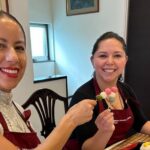
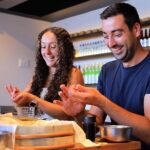
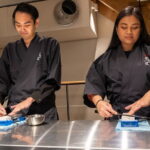
What makes the night feel friendly is the size. With a maximum of 7 people, you’re not fighting for elbow space, and guides like Alice and Fuji are the kind who explain step by step. You also get a proper evening flow: shopping for ingredients, cooking, and eating your results.
Timing helps too. You start at 5:30 pm and the class runs about 3 hours, which fits well before late-night plans. If you’re visiting as a family, there’s a kids’ playroom, but do note that knife-and-heat steps are only for ages 12 and up (with parent supervision).
In This Review
- Key highlights you’ll care about
- Tokyo izakaya cooking at night: why it works
- Price and value: what $79.28 is really buying
- The start at 5:30 pm: meeting point and how to plan your evening
- Before the stove: ingredient shopping and choosing with confidence
- Cooking five dishes: what you’ll make and what “izakaya style” means
- How the menu changes for different diets
- The drinks side: sake, beer, and pairing without overdoing it
- A small group night with a real guide (Alice and Fuji examples)
- How the recipes help at home (not just in Tokyo)
- Who this Tokyo night cooking class is best for
- Tips to get the most from the evening
- Should you book this Tokyo night cooking class?
- FAQ
- What’s the duration of the Tokyo night cooking class?
- What’s included in the price?
- Are drinks included, and is sake part of it?
- Can vegetarians join?
- Is the class vegan or gluten-free friendly?
- How many people are in the group?
- Is it suitable for kids?
Key highlights you’ll care about
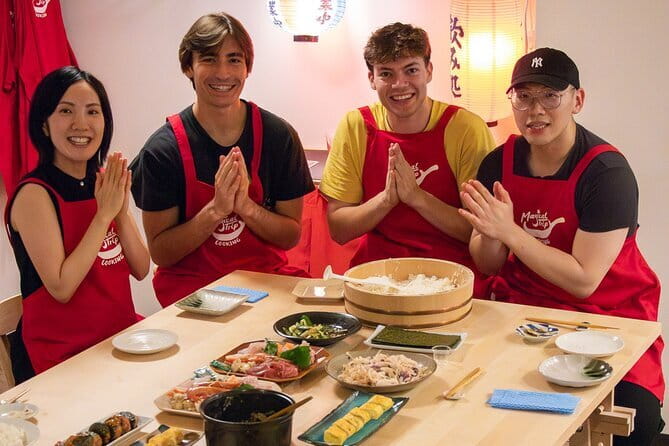
- Five home-cooked dishes with a full dinner included
- Three cans of drinks (alcoholic or soft), plus you’ll taste different options while cooking
- Ingredient shopping experience so you know what you can buy and how to choose it
- Small group cap (7) for real interaction instead of a crowd scene
- Vegetarian welcome with adjusted recipes and process (but not vegan or gluten-free)
- Tour photos included, handy when you want proof the food was real
Tokyo izakaya cooking at night: why it works
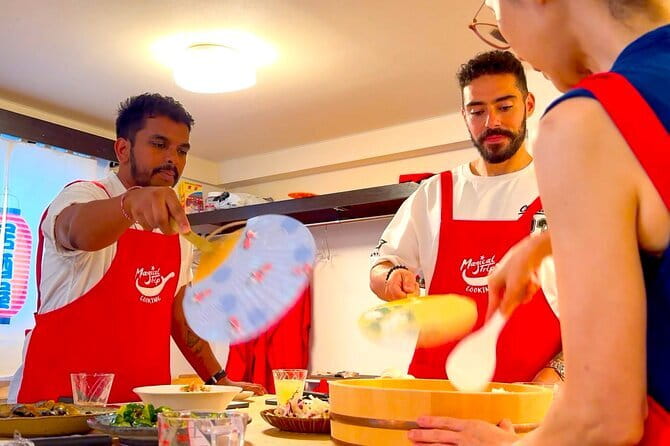
There’s something about Tokyo after dark that makes food feel like the main event. This class is built around the izakaya mindset—small plates, shared bites, and drinks that keep the conversation going. Instead of a one-dish demo, you cook a multi-course meal and then sit down to eat what you made.
I also like the pacing. Cooking classes can feel rushed, especially when people are waiting for ingredients or for someone to explain the next step. Here, the setup is meant for a smooth evening: you shop, prep, cook, and then eat your results while the group atmosphere stays lively.
The other big win is that you’re not just learning recipes on paper. The “locals actually eat this” angle matters. You’ll be making classic izakaya-style comfort foods and understanding how they come together—so you’re not stuck with a list of vague tips you can’t use.
You can also read our reviews of more tours and experiences in Tokyo.

Price and value: what $79.28 is really buying
At $79.28 per person for about 3 hours, this isn’t the cheapest thing on your Tokyo list. But the value is in the package.
You get:
- Cooking experience + dinner (you eat what you make)
- Ingredients included (so you’re not doing a second shopping trip afterward)
- Tour photos included
- A certified guide by MagicalTrip
- Three cans of alcoholic or soft drinks
If you add up those pieces separately—ingredients, guide time, a dinner bill, and at least some drinks—the price starts looking more reasonable. This is especially true if you’re coming in as a small group or as a couple where you’ll want a more complete evening, not just a quick tasting.
One more value angle: the recipes are designed to be reproducible at home. That matters because the whole point of a class is leaving with skills you can use again, not only a fun night out.
The start at 5:30 pm: meeting point and how to plan your evening
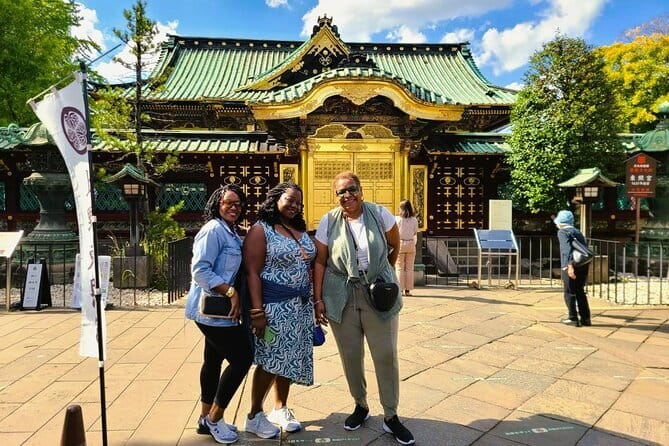
The class meets at a FamilyMart in Shitaya (Taito City), and it ends back at the same spot. Starting at 5:30 pm is smart. You’re hitting the evening before most places peak for dinner crowds, and you’re not forced to spend half the night waiting around.
Because the tour starts on time, you should plan to arrive early. If you’re late and miss the group, you won’t be able to join or refund or reschedule. So I’d treat it like a real reservation, not a casual meet-and-greet.
Also, Tokyo summers run hot and humid. Bring water and a hat, even if you’re only walking a short distance. It makes the “shopping + cooking” stretch feel a lot easier.
Before the stove: ingredient shopping and choosing with confidence
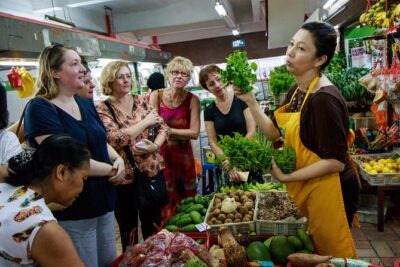
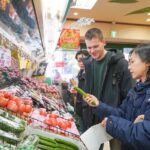
One of the most practical parts is the shopping experience. You don’t just get a box of pre-measured ingredients and a script. You get to pick items used in the recipes, which is exactly what helps later when you try to cook on your own.
You’ll likely handle common Japanese ingredients and learn what to look for in real life—texture, freshness, and basic substitutions. Even if you’re not a super confident shopper, this step gives you a template for buying what you need back home.
A nice bonus from the way the evening is set up: once you buy the ingredients, you understand why they matter during the cooking steps. That turns the class from entertainment into useful technique.
Cooking five dishes: what you’ll make and what “izakaya style” means
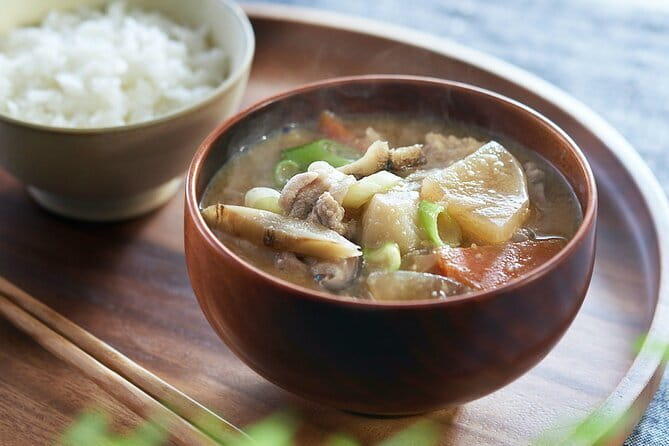
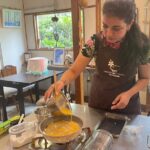
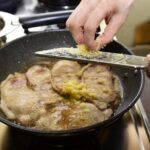
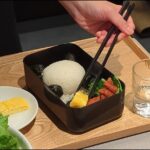
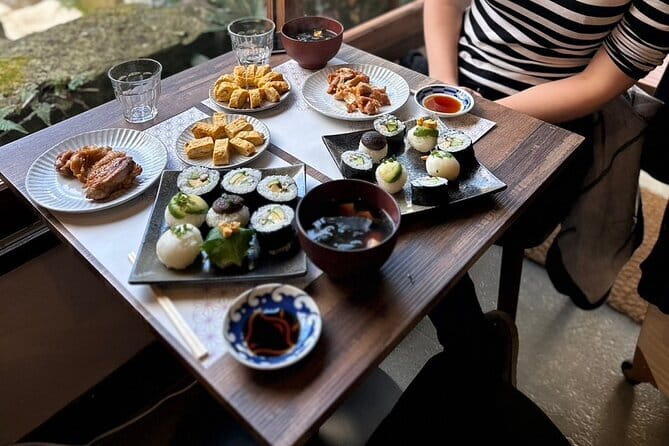
This class is built around a five-dish home-cooked menu in most cases. You’ll work through classic small-plate comfort foods meant for an izakaya setting—things you can eat with chopsticks, share, and pair with drinks.
Examples of dishes you may make include:
- Sushi rolls (hand-rolled)
- Chicken balls with shiso leaves
- Eggplant with miso sauce
- Teriyaki chicken
- Japanese omelette
Here’s the important part: the menu is not random. It’s chosen to teach variety—savory sauces, umami-heavy seasonings, and simple techniques that show up across Japanese home cooking.



How the menu changes for different diets
Diet planning is where you’ll want to pay close attention.
- Vegetarian are welcome, and the team adjusts ingredients and the cooking process.
- If you can’t eat meat and eggs, the menu typically drops from five dishes to three.
- If you can’t eat eggs but can eat meat, the menu typically drops from five dishes to four.
- Vegan and gluten-free aren’t available for this experience.
One more reality check: the kitchens used may not be the same as MagicalTrip’s, so the class can’t guarantee allergy-free cooking. If you have serious allergies or very specific restrictions, this may be a tough fit.
The drinks side: sake, beer, and pairing without overdoing it
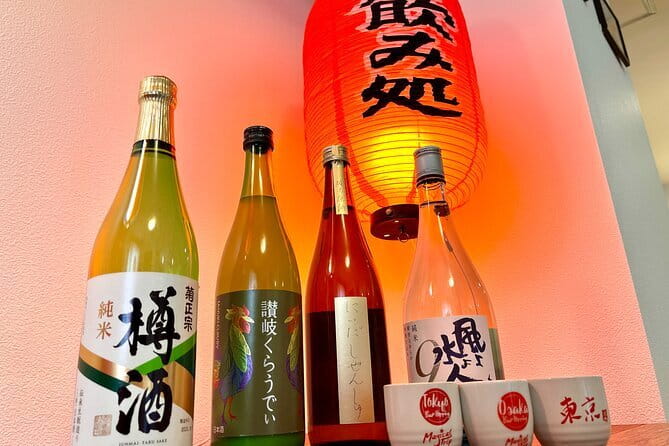
This is not a BYOB situation where you figure it out yourself. The class includes three cans of alcoholic or soft drinks. Alcohol choices can include sake, depending on your age eligibility.
You’ll also taste multiple options while cooking and eating—think sake and beer styles that pair naturally with the kind of food you’re making. That matters because Japanese dining often treats drink choice like part of the flavor experience, not an afterthought.
Age rules are clear:
- Sake tasting and alcoholic beverages are only available for people 20 and over (Japanese law).
- The activity is open to age 6+, but knife-and-heat tasks are only permitted for age 12 and up, with parent or guardian supervision.
If you’re traveling as a couple or friends group, I like that the drinks are included but the main focus stays on cooking and dinner. You’re not paying for a party—you’re paying for a meal experience that happens to come with drinks.
A small group night with a real guide (Alice and Fuji examples)
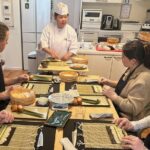
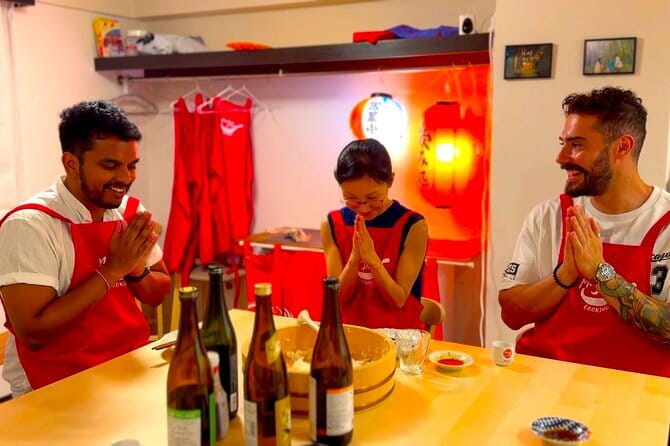
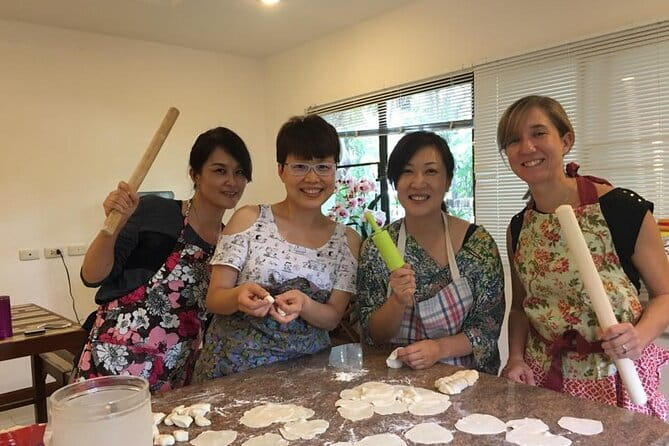
Group size is capped at 7, which changes everything. You can actually ask questions, get feedback, and stay engaged while food is cooking. In larger classes, you often spend the night watching instead of participating.
The guide factor is another reason this has a strong reputation. The explanations from guides such as Alice and Fuji are described as clear, step-by-step, and easy to follow. That kind of teaching style is what helps you leave with confidence, not just a memory of good food.
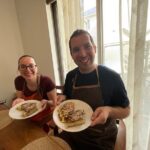
You’ll also get tour photos included, which is a nice touch if you’re cooking with family or want pictures of the finished dishes without trying to multitask your camera while cooking.
How the recipes help at home (not just in Tokyo)
The best cooking classes set you up to cook again. This one aims for that.
You’ll learn techniques tied to specific dishes, like:
- How sauces build flavor for items like teriyaki chicken
- How seasonings and miso create depth for eggplant
- How shiso leaves add a fresh, herbal note to chicken dishes
- How sushi rolls work step-by-step so you can replicate the shape and texture
Even if you’re a beginner, the class is designed to be manageable. The key is that you’re not working with a giant kitchen system. You’re working with practical steps tied to ingredients you can find later.
If you’re the type who likes hosting back home, this class also gives you a set of small-plate ideas that fit a Japanese-inspired night: mix drinks, serve several dishes, and keep everything shareable.
Who this Tokyo night cooking class is best for
This experience is a good match if you want a more active Tokyo dinner plan. It’s great for:
- Couples who want a fun shared activity and a dinner you helped create
- Friends who enjoy trying different flavors and sharing small plates
- Solo travelers who want a structured way to meet people in a calmer setting
- Families, since there’s a kids’ playroom
It’s less ideal if:
- You need vegan or gluten-free options
- You have mobility issues and expect lots of standing/walking during shopping and the class setup
- You require allergy-safe handling you can fully rely on (the class cannot guarantee allergy-free preparation)
Tips to get the most from the evening
A little prep goes a long way.
- Eat a light snack beforehand. The class includes dinner, but you’ll want to arrive ready to cook and taste.
- If you’re sensitive to heat, plan for Japan’s summer humidity. Water helps.
- Bring questions. The small group size is your advantage—use it.
- If you’re vegetarian (or have other limits), communicate clearly ahead of time so the menu can be adjusted.
Also, treat the class like a scheduled commitment. Starting on time matters here, so you’ll want to keep your transit buffer tight.
Should you book this Tokyo night cooking class?
If you want an authentic-feeling Tokyo dinner with hands-on cooking, this is a strong yes. The combo of five home-cooked dishes, ingredient shopping, and drinks included is what turns it into more than a simple demo.
Book it if:
- You like izakaya-style small plates and want recipes you can repeat
- You don’t need vegan or gluten-free adjustments
- You want a small group setting with a guide who explains clearly
- You’re okay with the fact that allergy-free guarantees aren’t available
Skip it (or look for a different option) if:
- Vegan or gluten-free is non-negotiable
- You have serious allergies that require strict ingredient control
- Mobility limits make shopping and cooking steps hard for you
FAQ
What’s the duration of the Tokyo night cooking class?
It runs for about 3 hours.
What’s included in the price?
You get the cooking experience and dinner, ingredients, tour photos, a certified guide by MagicalTrip, a shopping experience, and three cans of alcoholic or soft drinks.
Are drinks included, and is sake part of it?
Yes. Three cans of alcoholic or soft drinks are included, and alcohol options can include sake. Sake tasting and alcoholic beverages are only available to people aged 20 and over.
Can vegetarians join?
Yes. Vegetarian diners are welcome, and the ingredients and cooking process are arranged accordingly.
Is the class vegan or gluten-free friendly?
No. It is not available for people who are vegan and gluten-free.
How many people are in the group?
The class has a maximum of 7 travelers.
Is it suitable for kids?
It’s open to ages 6 and above. Knife and heat steps are only permitted for ages 12 and over, under a parent or guardian’s supervision. There’s also a kids’ playroom available.