REVIEW · LA FORTUNA
Cooking Class “Cook Like a Local” La Fortuna
Book on Viator →Operated by Desafio Adventure Company · Bookable on Viator
Dinner turns into a hands-on lesson here, mixing Costa Rican cooking with views near El Salto. I like that you’re not just watching food happen. You’ll actually mix drinks, chop for your meal, and learn how a casado-style dinner comes together step by step.
I also love the hotel pickup and drop-off. It turns a sometimes-annoying La Fortuna logistics chore into an easy 5:00 pm plan, and you don’t spend the evening hunting for a meeting point.
One possible drawback: the experience can feel different than the farm-to-family story, so set expectations about the garden picking and the venue setup before you go.
In This Review
- Key highlights worth your attention
- What this La Fortuna cooking class is really like
- The El Salto-area setting: pretty, practical, and not too precious
- The 5:00 pm rhythm: from cocktail to casado to coffee
- 1) Arrival and the farm-to-table talk (with realistic expectations)
- 2) Mixing the Kiss of the Cacique cocktail
- 3) Cooking casado-style dinner step by step
- 4) Dinner together, then coffee and recipes
- The menu: what you’ll cook and what to expect on your plate
- Garden salad and sourcing: how farm-to-table it can feel
- Your instructor matters: the teaching style that makes it work
- Price and value: is $63 worth it?
- Who should book this class (and who might skip it)
- Practical tips for a smoother night
- Should you book Cook Like a Local in La Fortuna?
- FAQ
- What time does the Cook Like a Local class start?
- How long is the cooking class?
- How much does the tour cost?
- What’s included in the price?
- Do you offer hotel pickup and drop-off?
- Is there a maximum group size?
- Is it hands-on cooking or mostly watching?
- Do they accommodate dietary restrictions?
- Is there a minimum age?
- What if the weather is bad?
- Will I get the recipes after the class?
Key highlights worth your attention
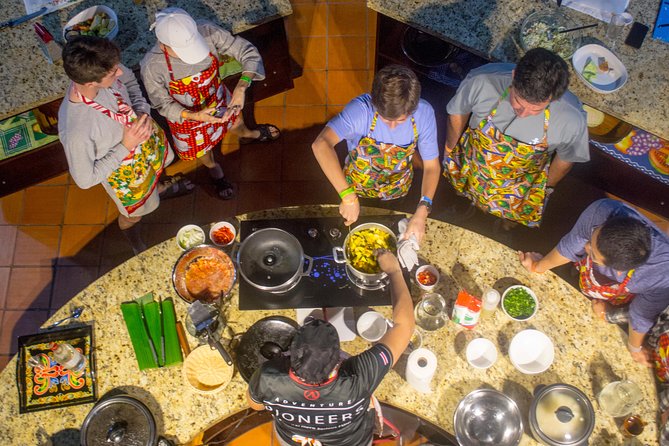
- A full hands-on casado dinner: you’ll cook components like tortillas, picadillos, and guisados
- Kiss of the Cacique cocktail: a tropical mix that gets the class rolling
- El Salto area setting: your cooking evening is tied to the vibe of the falls region
- Garden salad moment: you pick vegetables for a fresh salad, even if it’s not a long hike
- Recipes after dinner: you can get what you made by email to help you repeat it later
What this La Fortuna cooking class is really like
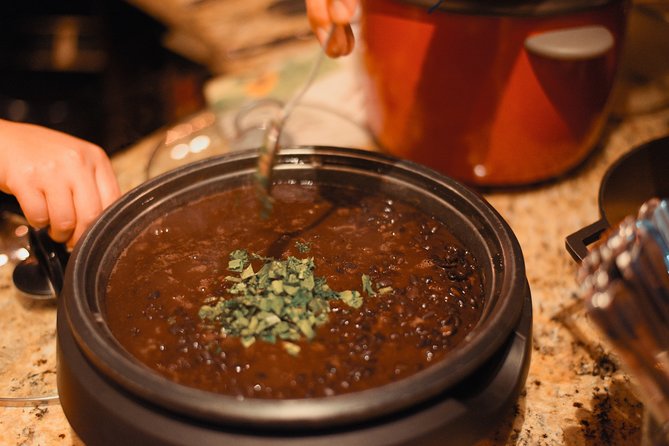
This is a practical, get-your-hands-dirty kind of cooking class in La Fortuna. You start with pickup, head to a riverside location near the El Salto waterfall area, and spend the evening learning the core of Costa Rican home cooking while you cook and then sit down to eat what you made.
The big draw is simple: you learn by doing. The menu centers on a casado, which is the Tico way to build a complete plate with rice, beans, a main protein (often chicken), plus sides and tortillas. It’s not chef theater. It’s real kitchen work, with enough structure that even if you’re not a confident cook, you’ll still produce food that looks and tastes like Costa Rica.
The second great part is the social rhythm. You’re talking with the instructor and others in your group while you cook, and the meal doesn’t feel like a rushed add-on. After dinner, there’s time for coffee and recipe sharing before you head back.
You can also read our reviews of more tours and experiences in La Fortuna.

The El Salto-area setting: pretty, practical, and not too precious
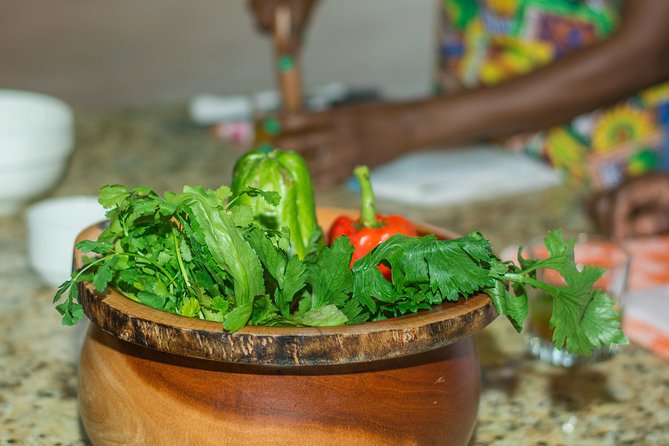
Your evening takes place near downtown La Fortuna, close to El Salto. The class venue has an atmosphere that feels intentionally “for cooking,” with tables and an open kitchen setup where you can actually see what’s happening and keep working without constantly getting in each other’s way.
That matters more than you might think. Cooking classes can go one of two ways: either everyone crowds around one station, or the flow stays organized. Here, the structure supports hands-on work, including chopping and assembling, not just standing back with your phone out.
Two instructor-style details also show up in how people describe their experience. First, the teaching chefs are usually friendly and energetic, with clear guidance. Names like Katherine, Kathy, Jenny, Eli, and Antonio appear in the instructor feedback, and the common theme is that they explain what you’re doing and why it works. Second, the vibe is relaxed. You don’t need to be a food snob to fit in.
The 5:00 pm rhythm: from cocktail to casado to coffee
The class starts at 5:00 pm. You get picked up from your hotel, then you ride to the cooking location. The whole experience runs about 2 hours 30 minutes, so it’s long enough to cook a full dinner, but not so long that you’ll feel trapped.
Here’s how the evening typically flows:
1) Arrival and the farm-to-table talk (with realistic expectations)
When you arrive, you’ll get an explanation of where ingredients come from and what it takes to go from farm to table. This is where the experience is marketed as farm and garden focused. The key thing: you should treat this as “learn where food comes from” rather than “a full day on a working farm.” Some of the teaching centers on understanding sourcing and meal building.
2) Mixing the Kiss of the Cacique cocktail
Before the stove gets busy, you’ll make a tropical cocktail called Kiss of the Cacique. It’s a fun opener and it helps you settle into the class. You’ll learn how drinks fit into the overall meal, and it sets the pace for the cooking that follows.
3) Cooking casado-style dinner step by step
Then you get into the real work: casado components. The class typically focuses on:
- Picadillos (seasoned, chopped-style fillings)
- Tortillas
- Guisados (stew or braised-style dishes)
Depending on the group and timing, you’ll likely chop ingredients, mix elements, and cook alongside the instructor rather than only watching. Even when some ingredients are prepped ahead, you’re still doing the core “build and cook” parts that make the lesson stick.
4) Dinner together, then coffee and recipes
After dinner, you’ll relax with coffee, and you’ll have a chance to share recipes and what you learned. Some participants report receiving recipes by email afterward, which is a big help if you want to recreate the dishes at home without guessing.
The menu: what you’ll cook and what to expect on your plate
If you’re hoping for a Costa Rica sampler platter, this class gives you a full meal instead of tiny tastings. The center is a casado, and that usually means a balanced plate: rice, beans, a main protein (often chicken), plus sides and a salad.
In the specific menu people mention most often, you’ll see components like:
- Chicken with rice and beans
- A cabbage salad
- Handmade corn tortillas
- A side such as chirimote with corn (chayote-type or fruit-corn combinations can show up depending on the menu that night)
You’ll also hear the language that locals use in the kitchen: picadillos for chopped fillings, guisados for cooked sauces/stews, and casado as the meal format. Learning the local “names for things” helps you cook later, because you can search or ask for the right dish instead of trying to describe it from memory.
One more useful point: the cooking isn’t aimed at perfection. It’s aimed at building confidence. Even if your tortillas aren’t identical to the instructor’s, you’ll understand the process: dough handling, cooking on the right heat, and how the fillings tie it all together.
Garden salad and sourcing: how farm-to-table it can feel
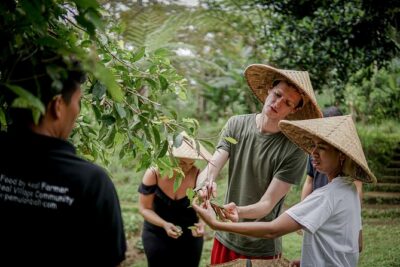
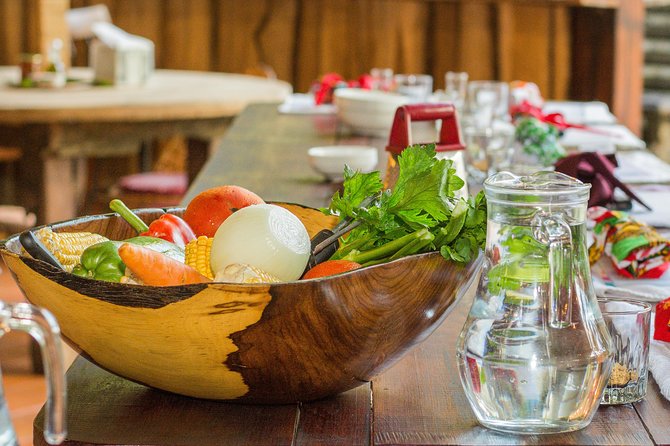
The class includes a garden and picking vegetables for a fresh salad. That’s a great part of the experience because it makes the meal feel connected to the place.
Still, here’s the balancing truth: different nights can feel different. Some people get the “pick and then chop” vibe. Others describe that the garden element may be shorter or that some vegetables arrive already cleaned or prepped. Also, the story can be framed as meeting a Costa Rican family at a home, but the actual cooking is often in a riverside kitchen setting.
A helpful way to handle this: go for the lesson, not the fantasy. If you want a full, slow farm tour with heavy participation outdoors, you might find this more like a cooking class with a garden salad moment than a deep farm day. If you care most about eating what you made and learning Costa Rican staples, you’ll likely feel very satisfied.
If venue wording matters to you, it’s worth asking before you go what the evening setup looks like in practice that day.
Your instructor matters: the teaching style that makes it work
The best cooking classes have two skills: clear instructions and calm leadership. That’s what shows up in the feedback for this one. People often point out that instructors are engaging and explain things in a way that works even for beginners. Names like Linda, Jenny, Kathy, Katherine, Eli, and Antonio show up repeatedly, and the common thread is that they keep the group moving and make room for questions.
You can expect:
- step-by-step guidance during chopping and cooking
- a chance to take part in multiple tasks so you’re not stuck doing one repetitive job
- conversation about Costa Rican food and everyday life (in a casual, not lecture-heavy way)
If you’re traveling with kids or teens, this teaching structure helps. Several families mention that their younger cooks loved making parts of the salad and vegetables, and the overall energy kept everyone engaged.
Price and value: is $63 worth it?
At $63 per person, you’re paying for more than ingredients. You’re paying for:
- a guided cooking lesson
- dinner included
- hotel pickup and drop-off
- a structured meal build (cocktail, casado components, coffee afterward)
Compared with ordering dinner in La Fortuna, you’re not just buying food. You’re buying the ability to recreate the meal later. The recipe sharing (including reports of recipes sent by email) pushes this from a one-night meal into something you can cook again.
So here’s the value test I recommend: if you like hands-on activities and plan to cook at home even a few times a month, this is a strong pick. If you mainly want a restaurant dinner and you hate kitchen work, you may feel the cost more than the meal.
Who should book this class (and who might skip it)
This class fits best if you fall into one of these categories:
- You want a hands-on dinner instead of a passive tour
- You’re comfortable with chopping and cooking tasks, even if you’re a beginner
- You’re traveling as a couple, friends group, or family and want a shared activity that ends in a meal
- You want a cultural experience tied to food rather than long museum-style explanations
It can also be a good option when your schedule is tight. Starting at 5:00 pm means you don’t have to dedicate a whole day. You’ll be back afterward, and you get dinner out of the experience.
The main reason to hesitate is the one mentioned earlier: if your top priority is a private home family experience plus heavy farm sourcing, you might want to confirm what the evening includes in the real-world setup.
Practical tips for a smoother night
A few simple prep ideas will make this class feel easier and more fun.
- Go hungry. The dinner portion is the point of the evening, and the whole menu is built as one meal.
- Plan for hands-on work. You’ll chop and handle components. Closed-toe shoes help, especially in kitchens with wet or slippery spots.
- If you have allergies or dietary needs, tell them ahead of time. The experience offers options such as gluten-free, vegetarian, and vegan, but you need to communicate restrictions.
- If you care about what you’ll learn most, ask about the evening focus when you book. Some nights may emphasize certain components more than others, but you’re still building a casado-based meal.
Also, note that there’s a minimum age of 5 years old, and service animals are allowed. The experience caps group size at a maximum of 50 people, so it’s large enough to run smoothly but not a giant crowd-fest.
Should you book Cook Like a Local in La Fortuna?
Book it if you want a hands-on Costa Rican dinner with real guidance, a cocktail opener, and a casado you can actually repeat later. The hotel pickup and drop-off alone make it feel worth considering on a busy trip, and the mix of cooking plus coffee and recipe sharing turns it into more than just dinner.
Skip it or confirm details first if:
- you’re expecting a long, traditional farm-to-table outing with extensive garden work
- the idea of cooking in a purpose-built riverside kitchen (rather than a private family home) matters a lot to your ideal experience
- you’d rather pay for a restaurant meal than spend time chopping and cooking
If you’re in the middle, you’ll probably love it. It’s one of those La Fortuna evenings that feels practical, fun, and culturally grounded without turning into a stiff lecture.
FAQ
What time does the Cook Like a Local class start?
The start time is 5:00 pm.
How long is the cooking class?
It runs about 2 hours 30 minutes.
How much does the tour cost?
The price is $63.00 per person.
What’s included in the price?
Hotel pickup and drop-off, the cooking class, and dinner are included.
Do you offer hotel pickup and drop-off?
Yes, you’ll get hotel pickup and drop-off, so you don’t have to find the meeting point on your own.
Is there a maximum group size?
Yes. The experience has a maximum of 50 participants.
Is it hands-on cooking or mostly watching?
It’s designed to be interactive and hands-on, with you helping prepare the meal components.
Do they accommodate dietary restrictions?
Yes. You can let them know about allergies or food restrictions, and options like gluten-free, vegetarian, and vegan are available.
Is there a minimum age?
The minimum age is 5 years old.
What if the weather is bad?
The experience requires good weather. If it’s canceled due to poor weather, you’ll be offered a different date or a full refund.
Will I get the recipes after the class?
Some participants report receiving the recipes by email after the experience.