REVIEW · WINDHOEK
Traditional Cooking Class – Mahangu pap for beginners
Book on Viator →Operated by Anchor Adventures Namibia · Bookable on Viator
Windhoek’s best souvenirs might be the ones you can cook. This hands-on class teaches you mahangu pap and a kapana BBQ-style meal using ingredients grown in Namibia’s desert-adapted farms. You’ll also get a peek at daily life in residential Windhoek, usually far from the usual tourist strip.
Two things I really like: you get real guidance while cooking (not just watching), and the meal is built around local staples like mahangu. I also appreciate that you can go adventurous with items like mopane worms or goat head (Smilie), while vegetarian guests can still eat well with local spinach and marula fruit.
One thing to consider: if you’re strongly put off by unusual foods, the “try it if you want” side of the menu may not be your thing. You can plan around the vegetarian option, but the class does offer these delicacies as part of the experience.
In This Review
- Key things to know before you cook
- Where Mahangu Pap Becomes a Real Skill
- Meeting Hosts Like Linda and Iyaloo (and Learning the Social Part)
- The Mahangu Pap Lesson: Millet, Mixing, and How Storage Matters
- Kapana Braai Cooking and Optional Delicacies
- Vegetarian Options: Spinach, Marula Fruit, and Comforting Savory Plates
- Eating in the Moment: Why the Meal Feels Like Part of the Lesson
- Clean Kitchen, Working Electricity, and a Practical 3-Hour Flow
- Price and Value: What $56.99 Really Buys
- Who Should Book (and Who Might Skip the Goat Head)
- Should You Book This Mahangu Pap Cooking Class?
- FAQ
- How long is the cooking class?
- Where does the experience start and end?
- Is pickup included?
- What meals and drinks are included in the price?
- Are alcoholic beverages included?
- Is this experience private?
- Are vegetarian options available?
- Can I try local delicacies like mopane worms and goat head?
- What happens if my booking is close to the travel date?
- Is free cancellation available?
Key things to know before you cook
- Mahangu pap basics for beginners: learn how the millet porridge comes together and how it’s handled and stored locally
- Kapana braai learning: taste and cook classic BBQ-style flavors with local meat options
- Local tasting choices: mopane worms and goat head are available if you’re curious
- Vegetarian options that still feel Namibian: spinach and marula fruit are on the menu
- A home setting, not a demo kitchen: you cook in a comfortable room in a host’s home/restaurant area
- All the food and non-alcohol drinks are included: so you can focus on cooking, not budgeting
Where Mahangu Pap Becomes a Real Skill
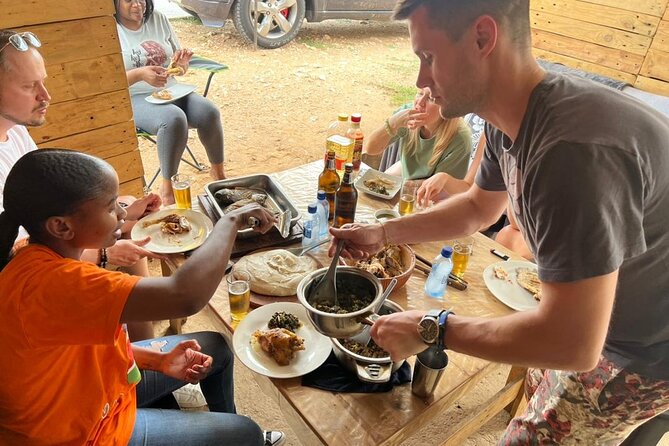
This class is designed for beginners, and that matters. You’re not just being shown a recipe. You’re learning the rhythm of how mahangu becomes pap, Namibia’s everyday staple.
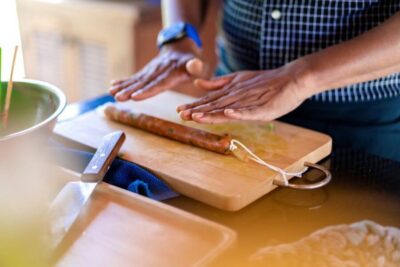
Mahangu is millet used to make a thick porridge/dough-like base that shows up across local kitchens. In plain terms, you’ll get hands-on with mixing and shaping the pap, then you’ll sit down and eat what you helped make. That last part is the key. You leave with a “how it should taste” memory, not just a list of steps.
You’ll also hear how mahangu fits into life here, including how farmers grow it and how it gets stored. If you’ve only ever cooked with supermarket flour, the farming and storage talk gives you context for why pap is so central.
Meeting Hosts Like Linda and Iyaloo (and Learning the Social Part)
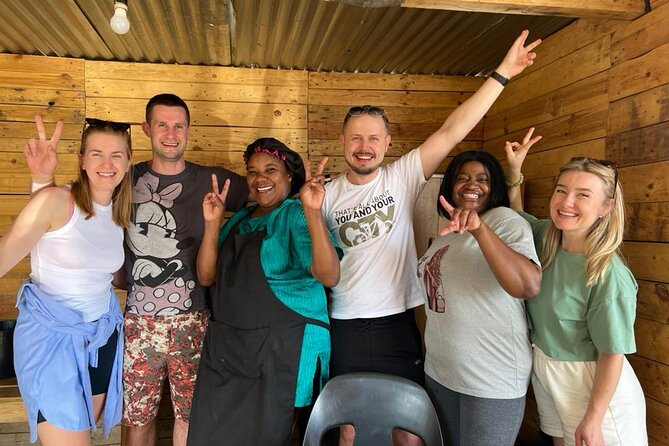
A great cooking class teaches you food, but also the people around it. In Windhoek, that social side is a big part of the meal.
Hosts and guides you may meet, like Linda and Iyaloo, focus on more than technique. You’ll talk, ask questions, and exchange stories while you cook and eat. Several people have mentioned how open and welcoming the atmosphere felt, and that you get both the cooking help and the cultural conversation in the same evening.
This is also a chance to see how Namibians live in their own neighborhoods. The setting is in residential Windhoek areas, not a staged tourist kitchen. If you like travel moments that feel human-sized—small group energy, real conversation—this tends to land well.
Tip for you: come with a couple of questions ready. Ask about ingredients, how pap is eaten, or what’s different between home cooking and restaurant versions. You’ll get better answers fast when you lead with curiosity.
The Mahangu Pap Lesson: Millet, Mixing, and How Storage Matters
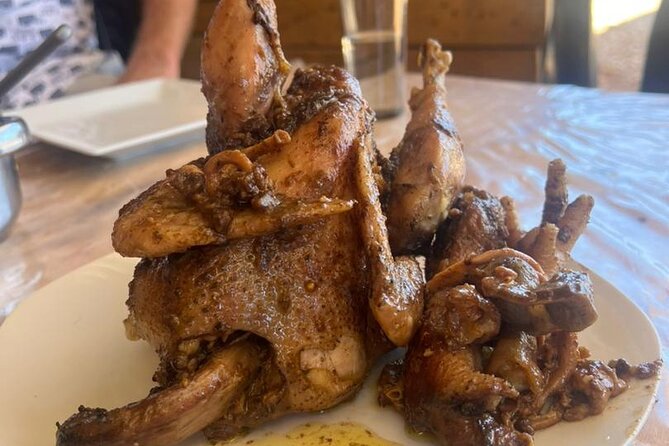
Pap is the star here, and the class starts with it for a reason. When you understand the process for making pap from mahangu, you understand the foundation of many local meals.
You’ll be guided through preparation steps and learn what makes mahangu different from the starches you might be used to. Expect instruction that keeps pace with beginners, with time to get your hands involved. Several experiences described the kitchen as clean and well-run, including working electricity and handwashing during prep.
You’ll also hear about farming and storage of mahangu, which is more important than it sounds. Drought-prone areas make ingredient handling a necessity, not an afterthought. Knowing that context helps you understand why pap is practical, how it lasts, and why people rely on it daily.
If you’re a “I want to recreate it at home” traveler, this part is your payoff. You’ll taste the final texture and learn what to aim for, not just what to measure.
Kapana Braai Cooking and Optional Delicacies
After the pap portion, you’ll shift to a braai/BBQ-style meat dish—often described as classic, spicy, and satisfying. The class frames kapana-style cooking as a daily flavor profile, not a special-occasion trick.
Beef is mentioned as the classic option. You’ll likely learn how the seasoning and grilling connect to the finished meal, and you’ll eat alongside your pap.
Now for the “if you want to go further” choices. The class offers local delicacies such as:
- Mopane worms
- Goat head (Smilie)
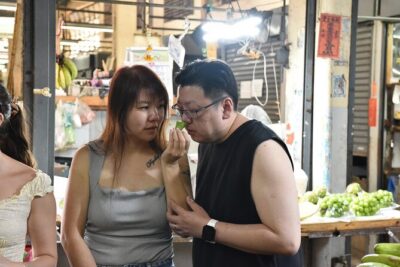
Some people also mention trying other adventurous items during their experience, but the official theme is that these are optional tastings. The right move for you is to follow your comfort level in the moment. Watch, smell, ask, and decide when you’re ready.
Alcohol is not included in the price. Still, the class atmosphere often includes conversation over local beers and traditional drinks. If you want alcohol, plan on paying separately on-site.
Vegetarian guests won’t be left out here either, but the “adventure menu” is still part of the cultural story of how Namibians eat.
Vegetarian Options: Spinach, Marula Fruit, and Comforting Savory Plates
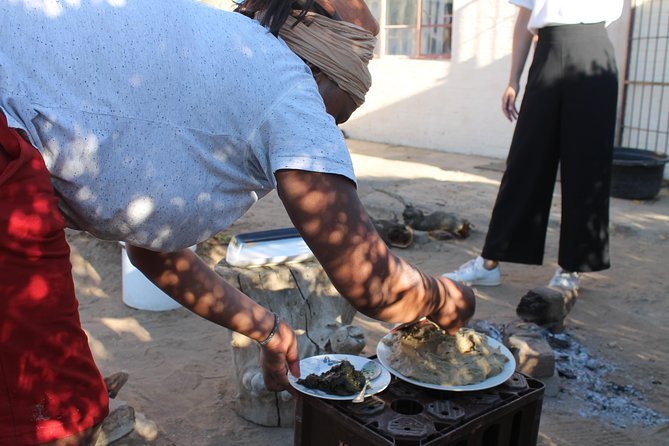
Vegetarian options are available, and they’re not treated as a downgrade. The class specifically mentions local spinach and marula fruit, and some experiences describe vegetarian plates that included spinach and tomato flavors.
Here’s the honest balance: one vegetarian-experience note pointed out there’s room to improve vegetarian variety. Translation for you: if you’re traveling strictly plant-based, you should expect a menu built around local produce rather than a wide selection of international-style substitutes. It’s still very much a Namibian meal, which is often what you want.
What you can do to make it smoother: let the hosts know your preferences when you book. Then you’ll be set up with a vegetarian version that matches the class flow.
The best part for vegetarians is that you still get to cook pap and learn the foundation, then eat a meal with local produce-based sides. You’re not only learning “how to make a vegetarian substitute.” You’re learning how local food works when it’s centered on plants.
Eating in the Moment: Why the Meal Feels Like Part of the Lesson
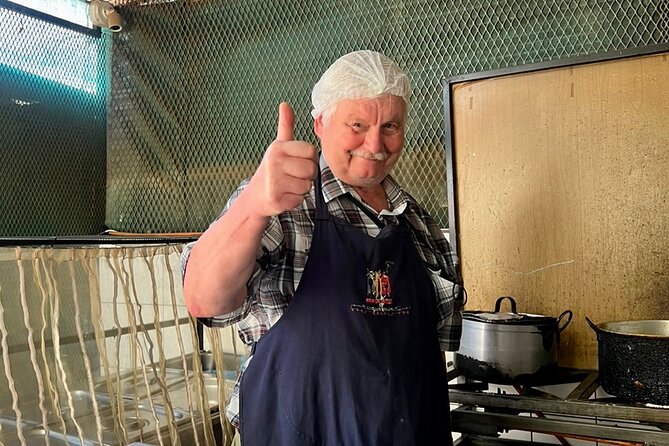
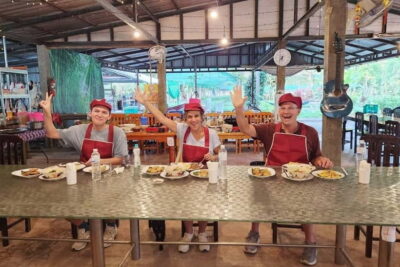
A cooking class is only half the work if you rush out right after cooking. Here, the class includes lunch, and you eat what you prepared with your tutor.
That built-in sit-down matters because you learn by tasting immediately. Pap texture, spice levels, and what pairs well with the BBQ-style dish become obvious fast when you’re eating your own work.
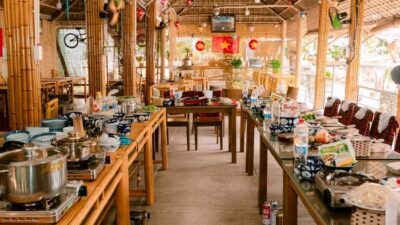
Several experiences also mention a comfy, home-style setting where the cooking and eating feel connected. You’re not stuck in a loud, industrial kitchen. You’re in a place where cooking is normal, not a performance.
If you’re traveling with family, it also helps that children are welcome. The experience is set up like a family activity—hands-on, conversational, and food-centered.
Clean Kitchen, Working Electricity, and a Practical 3-Hour Flow
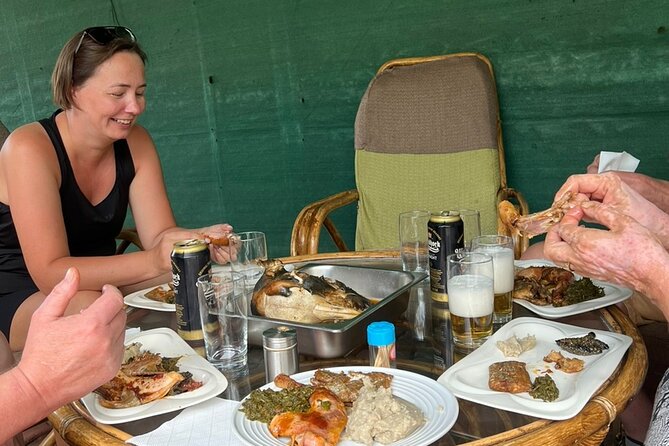
Timing is short—about three hours—so the experience stays focused. You’ll move from learning to cooking to eating without the long gaps that can make classes feel awkward.
Practical touches you may notice:
- Pickup offered so you’re not trying to navigate on your own
- Private transportation rather than a bus-and-pray situation
- A clean prep space with handwashing called out in some experiences
- Mentions of working electricity and a functioning fridge, which helps food handling behind the scenes
You’ll meet at Christuskirche, Robert Mugabe Avenue, Windhoek and return there at the end. The meeting point being near public transportation also helps if your plans change.
For you, this matters because it keeps the evening from turning into logistics stress. You show up, cook, eat, and go back. That’s a luxury when you’ve already spent days touring Namibia.
Price and Value: What $56.99 Really Buys
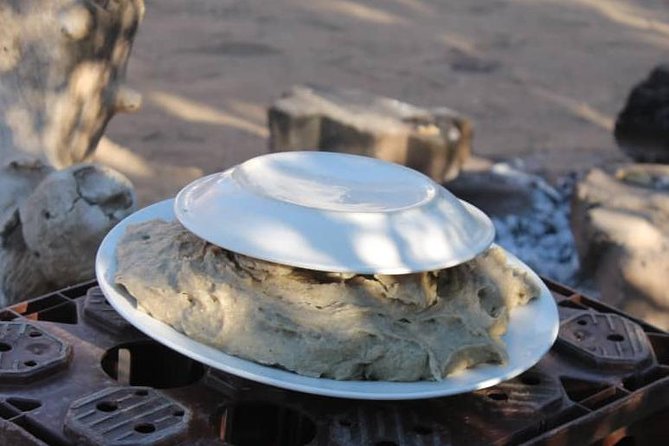
At $56.99 per person, this isn’t a generic “watch someone cook” workshop. It’s priced like a guided experience with real ingredient use and local meal structure.
Here’s what’s included:
- Snacks
- Soda/pop
- Lunch (the meal you cook)
- Bottled water
- Private transportation
- Private tour for your group
Alcoholic beverages are not included, so the price is anchored in food and soft drinks. That’s good for value because you know what you’re paying for upfront.
The most important value piece is learning in a home setting. You’re paying for an instructor-tutor, ingredient guidance, and the chance to make a staple dish like mahangu pap you can actually repeat later.
Is it “cheap”? No. But for Windhoek, it’s a strong match if you want a cultural food experience with hands-on teaching, not a one-and-done tasting.
Who Should Book (and Who Might Skip the Goat Head)
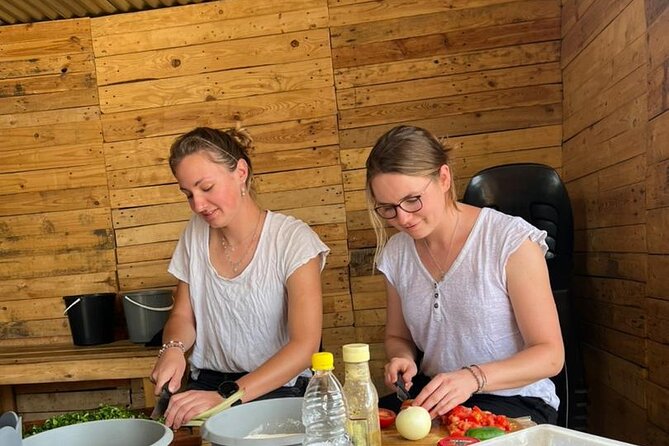
This class suits you best if:
- you’re a beginner who wants to learn mahangu pap step-by-step
- you like authentic home-style travel moments over staged attractions
- you’re okay being offered local delicacies and choosing what to try
- you travel as a couple, solo, or with a small group and want a private setup
- you’re traveling with children and want something active and welcoming
You might think twice if:
- you’re extremely squeamish about food like goat head (Smilie) or mopane worms
- you expect lots of vegetarian variety like you’d find in big international restaurants
The good news: the class offers vegetarian options, and the adventurous foods are framed as optional tastings within the experience.
Should You Book This Mahangu Pap Cooking Class?
If you want a Windhoek experience that’s more about real daily life than sightseeing, I’d book it. You get a beginner-friendly mahangu pap lesson, kapana-style BBQ flavors, and a meal you eat right after cooking. Add private transportation and included lunch, and the value is easy to justify.
My advice for you: go hungry, ask questions, and give the pap portion your full attention. If you want to try the adventurous items, decide in the moment with your comfort level—not pressure.
And if you’re vegetarian, confirm your preferences when booking so the spinach and marula fruit menu is tailored to you. With that small step, this class becomes an excellent cultural meal lesson you can bring home.
FAQ
How long is the cooking class?
It runs for about 3 hours (approximately).
Where does the experience start and end?
It starts at Christuskirche (Robert Mugabe Ave, Windhoek) and ends back at the same meeting point.
Is pickup included?
Yes, pickup is offered, and private transportation is included.
What meals and drinks are included in the price?
Snacks, soda/pop, lunch, and bottled water are included.
Are alcoholic beverages included?
No. Alcoholic beverages are not included in the class price.
Is this experience private?
Yes. It’s described as a private tour/activity, meaning only your group participates.
Are vegetarian options available?
Yes. Vegetarian options are available, including local spinach and marula fruit.
Can I try local delicacies like mopane worms and goat head?
Yes. The class offers opportunities to try local delicacies such as mopane worms and goat head (Smilie).
What happens if my booking is close to the travel date?
Confirmation is received at the time of booking unless it’s booked within 4 hours of travel, in which case confirmation is received as soon as possible depending on availability.
Is free cancellation available?
Yes. You can cancel up to 24 hours in advance for a full refund. If you cancel less than 24 hours before the start time, the amount paid is not refunded.