REVIEW · KANDY
Authentic Sri Lankan Cooking Class in Kandy by Local Family
Book on GetYourGuide →Operated by The Best Kandy Kitchen · Bookable on GetYourGuide
The best Kandy cooking class feels like family time.
This hands-on session takes place in a real home kitchen near Bahirawakanda Mountain, with calm green views and a friendly family teaching you day-to-day Sri Lankan food. I especially liked the warm, no-rush teaching approach and the chance to cook in a true household setting rather than a classroom.
I also loved the variety: you make ten types of vegetable dishes plus coconut staples, then choose fish or chicken for the main protein. Even when the family does some of the heavy work, you still season and learn what each spice is doing, not just what it’s called.
One thing to consider: the class is not wheelchair-friendly, and since it’s inside a home kitchen you should expect modest space and practical comfort rather than a sleek commercial setup.
In This Review
- Key things to know before you book
- Why This Kandy Cooking Class Feels Different Than a Workshop
- The Bahirawakanda-area Location: Calm Green Setting, Real Neighborhood Feel
- How the 3 Hours Unfold: From Ingredients to a Proper Meal
- What You Cook: Ten Vegetable Dishes Plus Coconut Sambol and Roti
- The Family Teaching Style: Lots of Questions, Real Technique
- The Market Option: When Shopping Becomes Part of the Lesson
- Fish or Chicken Choice: Picking Your Main Protein
- Price and Value for Two People in Kandy
- Practical Stuff That Makes the Day Easier
- Who Should Book This Class (and Who Might Want a Different Day)
- Booking Advice: How to Get the Most Out of It
- Should You Book This Kandy Cooking Class?
- FAQ
- How long is the cooking class?
- What does it cost, and how many people are in a group?
- Is the instruction in English?
- Does the class include pickup and drop-off in Kandy?
- What dishes are included?
- Can I choose fish or chicken?
- Do I get recipes to take home?
- Is there an option to visit the local market?
- Is the experience wheelchair accessible, and are pets allowed?
- What should I bring with me?
Key things to know before you book
- Family-taught, home-kitchen setting near Bahirawakanda Mountain and the big Buddhas statue area
- Small group of up to 2 people, so you get lots of questions answered
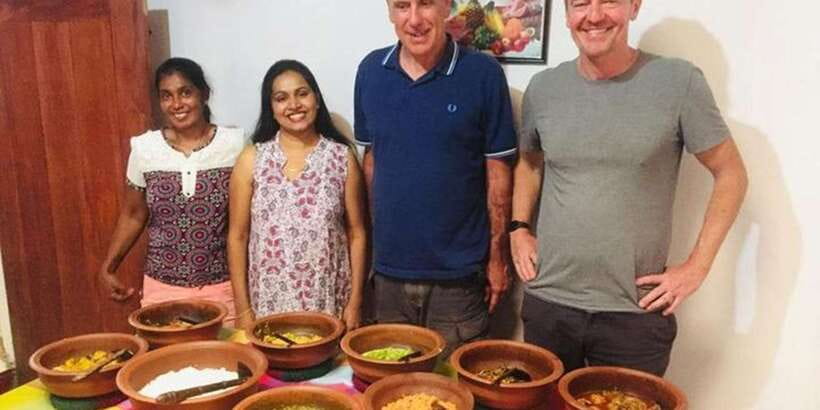
- Ten vegetable dishes plus coconut sambol and coconut roti, then fish or chicken
- Optional local market shopping with ingredient explanations
- Recipes provided at the end, so you can recreate the dishes later
- Pickup and drop-off around Kandy town to keep the logistics simple
Why This Kandy Cooking Class Feels Different Than a Workshop
I’ve done cooking classes in big group settings where everyone watches, then copies a recipe sheet. This one works because it’s built around how Sri Lankan families actually cook: food is layered, spice blends are talked through, and the teaching comes from people who make meals several times a day.
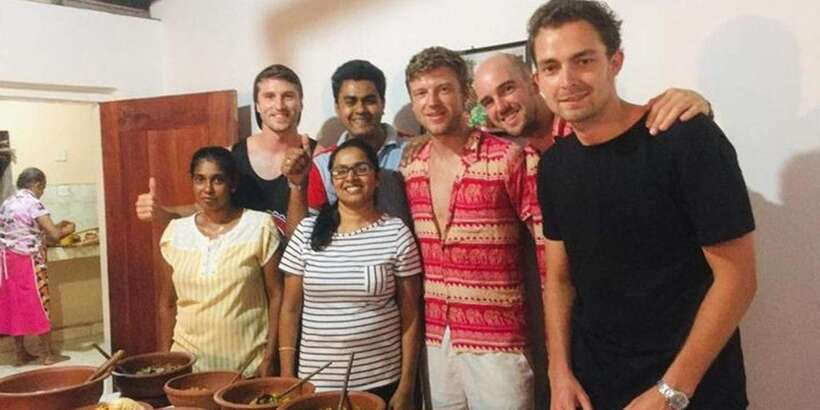
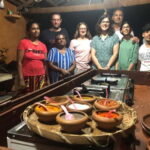
At The Best Kandy Kitchen, the hosts are a family unit that runs the class from their own home kitchen. The teachers are the wife, her sister, and her mother, and sometimes their three little girls join in—cute, curious energy included, but always in a way that doesn’t interrupt the flow. You get the practical side of cooking (timing, texture, seasoning) and the cultural side (why certain foods show up together).
Two things I think you’ll appreciate right away are the casual warmth and the focus on spices and everyday technique. Instead of treating spices like a mystery box, they explain what each one contributes and how to use it while cooking.
The only real downside is also part of the charm. This is a home kitchen experience, so it’s not designed like an upmarket studio with lots of room to move around.
You can also read our reviews of more tours and experiences in Kandy.
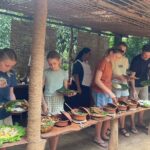
The Bahirawakanda-area Location: Calm Green Setting, Real Neighborhood Feel
The home base is in Central Province near Kandy city center, close to the Bahirawakanda Mountain area and the big Buddhas statue. Even if you don’t plan to visit the viewpoint directly that day, you’ll feel the difference from the moment you arrive: it’s quiet and surrounded by green.
That matters because it changes the mood. Cooking is hands-on, and you’ll do better when you’re not stressed by crowded streets or constant noise. Here, you’re in a calm home environment where people can actually talk you through ingredients.
Also, since pickup and drop-off are offered around Kandy town, you’re not spending your best brainpower figuring out transport. You can treat the class like a relaxed anchor in your itinerary.
How the 3 Hours Unfold: From Ingredients to a Proper Meal
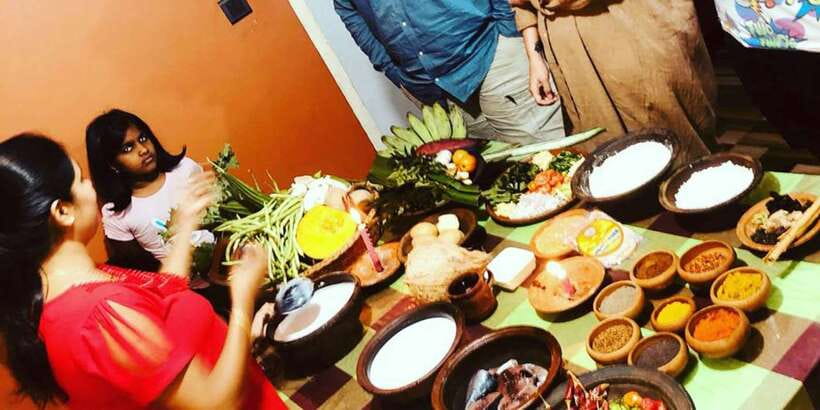
This class lasts about 3 hours. That length is a sweet spot: long enough to do meaningful cooking, but short enough that you’re still energized at the end.
Here’s the rhythm you can expect:
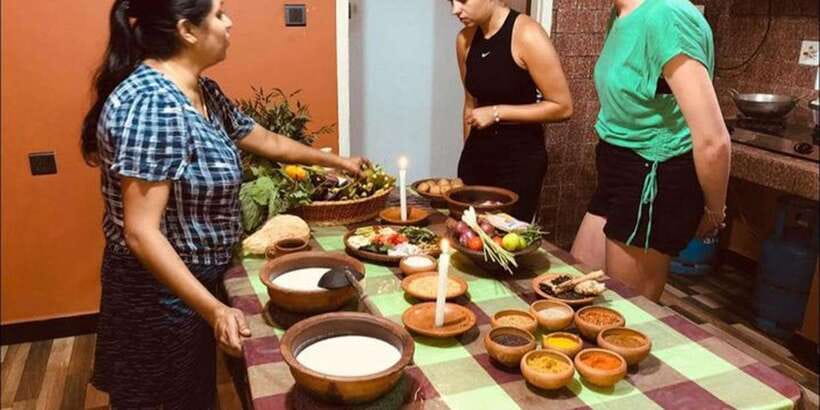
First, you start with the basics: the ingredients, the spice plan, and the key coconut components. You’ll learn how Sri Lankan dishes are built—often with layers of aromatics and spice, then cooked through until flavors settle.
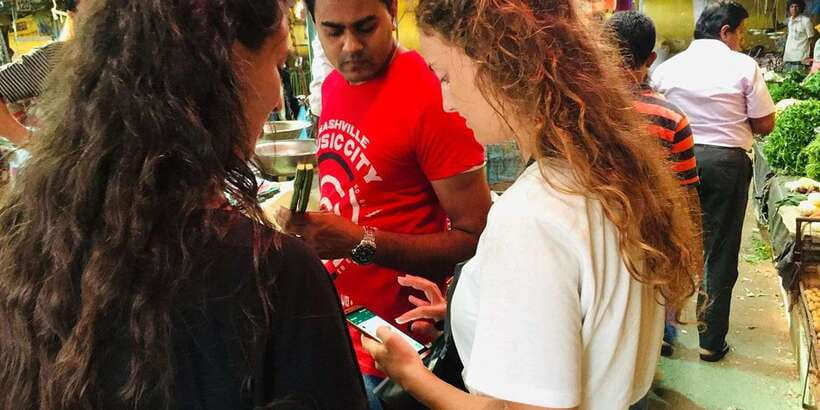
If you want the local market experience, you can do that as part of your day. In practice, it means shopping for vegetables and other essentials together and getting guidance on spices and produce. One of the market guides you may meet is Dinesha, who helps translate what you’re buying and why certain items matter.
Then comes the cooking. Because this is a family kitchen, you’ll see different roles happen naturally: some tasks move quickly, some are slow and careful, and you’ll be guided through when to season, how to taste, and how to adjust. It’s not just chop-and-stir; you’ll learn why the steps matter.
Finally, you eat what you made. The meal is big by design. If you tend to skip lunch to avoid overeating, you’ll probably enjoy the timing more—there’s a lot of food coming.
What You Cook: Ten Vegetable Dishes Plus Coconut Sambol and Roti
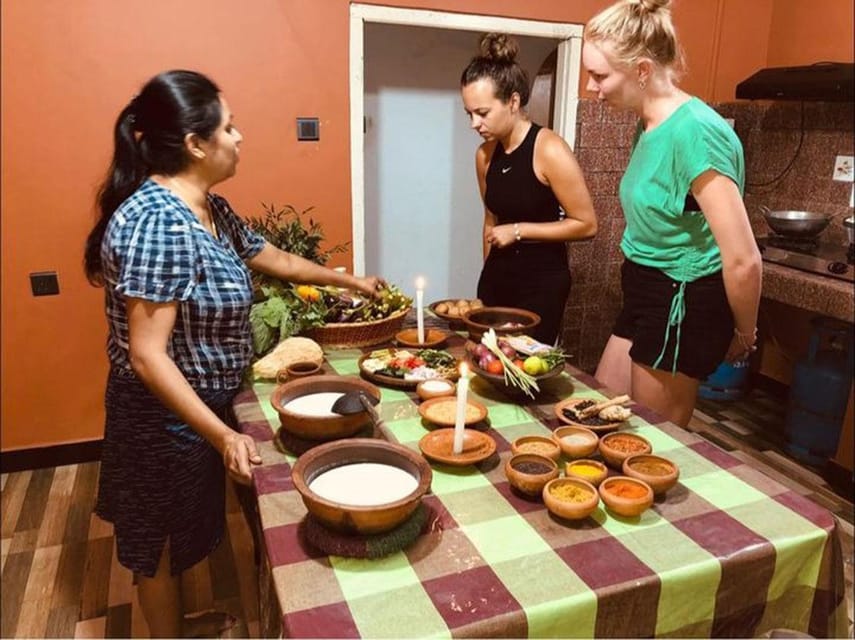
The most consistent part of the experience is the structure of the menu. You’ll do ten types of vegetable dishes, plus the coconut staples that Sri Lanka does so well.
The vegetable dishes are a big deal because they show how Sri Lankan cooking can be satisfying without relying on heavy sauces. You’ll see how vegetables are treated—sometimes sautéed with spices, sometimes cooked to soften while keeping flavor layers intact.
Two highlights that show up every time are coconut sambol and coconut roti. Coconut sambol is one of those foods that can be simple on paper but complicated in real life, because texture and seasoning matter. Coconut roti brings a different skill set: handling coconut-based dough and understanding how it cooks so it stays flavorful rather than oily.
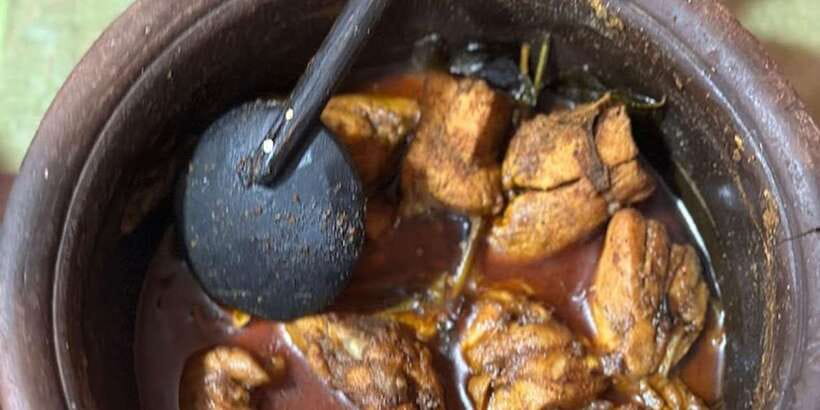
For protein, you choose fish or chicken. That choice is helpful if you prefer one style of Sri Lankan cooking over the other, or if you’re traveling with someone who has strong preferences.
One practical note: because the menu is broad, the family does some of the cooking work to keep things flowing. You’ll still participate in seasoning and key steps, but if you’re expecting to personally cook every single dish end-to-end, manage that expectation. The value here is learning the system, not just performing every action yourself.
The Family Teaching Style: Lots of Questions, Real Technique
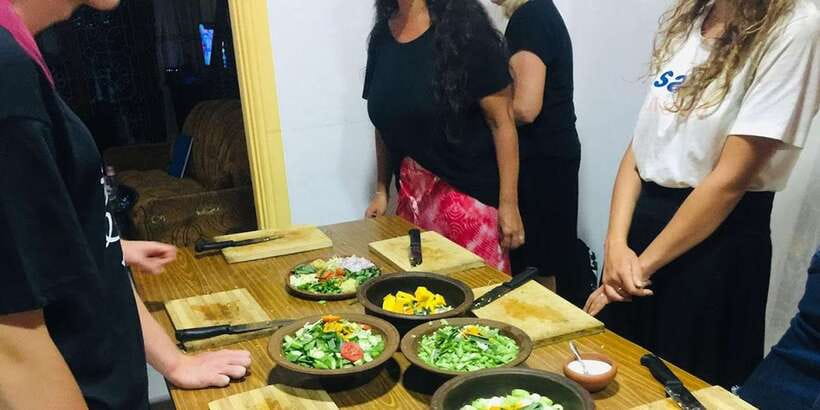
The teaching style is one of the biggest reasons this class earns high scores. You’re not rushed through steps with minimal explanation. You can ask questions while things cook, and you’ll get answers that tie back to real daily practice.
This matters because Sri Lankan cuisine is spice-forward. If you only follow measurements without learning how to adjust flavor, recreating dishes later can be frustrating. Here, you get the “why” behind the steps—how spices work in layers, what to look for as food cooks, and how to taste for balance.
A neat detail is the way the class respects the roles that make sense in a household. The women are the teachers, because they cook daily and bring that lived experience. It also means the instruction stays grounded in what’s practical at home, not what’s flashy in a studio.
You might also see special tools used for certain preparations. One standout from the experience is the mention of a 100-year-old sambol stone board as a highlight. Even if you don’t obsess over tools, it gives you a sense of continuity: these methods weren’t invented for tourists.
And yes, English instruction is available, so you can actually talk through what you’re doing instead of translating in your head.
The Market Option: When Shopping Becomes Part of the Lesson
You can include a local market experience if you want to go deeper. The family can guide you to the market and explain spices and vegetables as you buy ingredients.
This part is valuable because it connects the cooking to the ingredients you’ll see back in the market. When you understand what’s available locally—and what substitutions won’t behave the same—you’re much more likely to cook successfully after you return home.
The market component also adds energy. It breaks the day up so you’re not stuck only with indoor prep. If you’re someone who likes to shop thoughtfully and learn what you’re looking at, don’t skip this option.
One caution: if you dislike markets or want a very low-effort day, you can focus on the cooking portion. The class is still strong without the extra shopping time.
Fish or Chicken Choice: Picking Your Main Protein
You’re offered a choice of fish or chicken. That’s a rare clarity point in cooking classes, because protein can be the make-or-break part for many people.
If you’re leaning fish, expect flavors that fit Sri Lanka’s coastal food culture—spice-forward and aromatic. If chicken is your pick, you’ll likely find it suits a wide range of spice levels and goes well alongside the vegetable dishes and coconut sides.
Either way, the key is that it’s integrated into the overall meal plan, not treated like a separate add-on. You’re eating as a group, so everything lands together.
Price and Value for Two People in Kandy
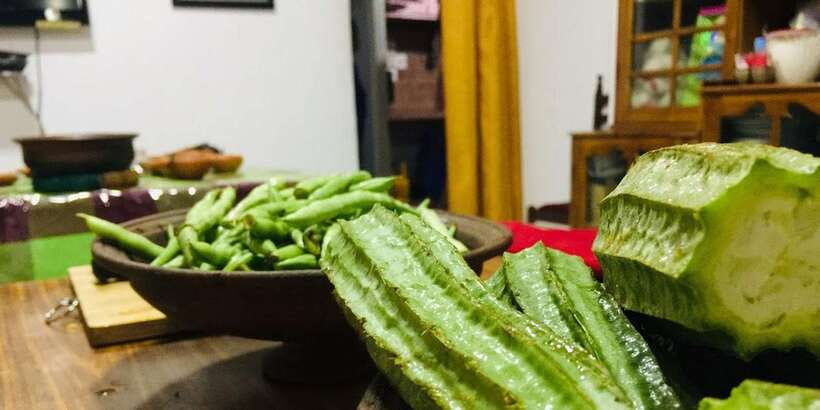
The price is $99 per group up to 2 for a 3-hour class. On paper, that can look like a “special activity” price tag. In practice, it’s better understood as a private-to-small-group experience with food included and pickup/drop-off included around Kandy town.
Here’s the value logic I use for this kind of booking:
- You’re paying for teaching from a family, not a restaurant kitchen rotation.
- You’re getting a big variety of dishes—ten vegetable dishes plus sides and a protein.
- You’re getting coconut sambol and coconut roti, which are not quick or generic.
- You’re getting recipes to take home, which can reduce the chance you’ll waste ingredients later.
- You’re getting pickup and drop-off, which matters in Kandy where moving around can add friction.
It’s also capped at a very small group, so you’re less likely to sit quietly while someone else does the work. If you’re traveling as a pair, it’s especially good value.
Practical Stuff That Makes the Day Easier
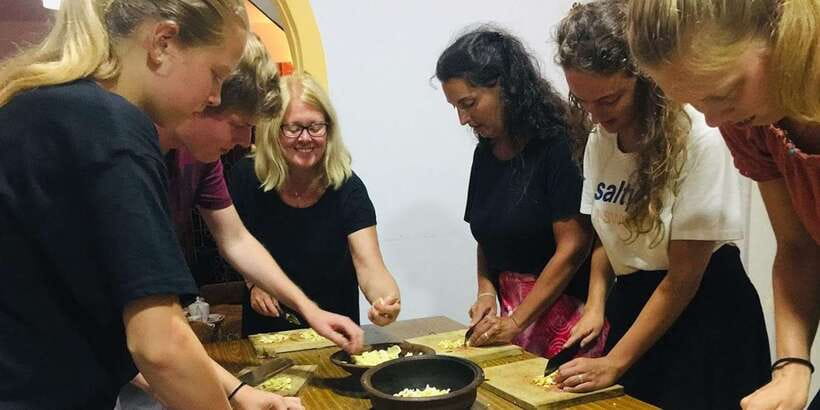
This is one of those tours where small preparation helps a lot.
Bring:
- Change of clothes (cooking can be messy in a home kitchen)
- Camera
- Cash
- A charged smartphone
The family also provides water bottles.
What’s not allowed:
- Pets (assistance dogs allowed)
And a comfort/fit note:
- This experience is not suitable for wheelchair users.
If you’re sensitive to heat or have any mobility limitations, wear shoes you can stand in comfortably. Since it’s inside a home kitchen, you’ll likely spend time standing, tasting, and moving between stations.
Who Should Book This Class (and Who Might Want a Different Day)
I think this class is ideal if you:
- Want an authentic family-run experience rather than a standard tourist cooking demo
- Like learning about spices and how food tastes balance out
- Travel with someone and want a small-group format
- Enjoy market visits and want to connect ingredients to cooking results later
It may not be the best fit if you:
- Need a wheelchair-friendly venue
- Prefer a large, highly organized studio setup
- Want a hands-off experience where you only watch and don’t cook or season
Booking Advice: How to Get the Most Out of It
If you can, plan to arrive with curiosity. Ask questions about spice blends, taste adjustment, and what changes when you cook with different vegetables. Also, consider whether you want the market portion. If you like food shopping and ingredient learning, it’s worth adding.
During your booking, you can request pickup and drop-off around Kandy city. Plan to wait in the hotel lobby about 10 minutes before pickup. That small habit saves stress for both you and the driver.
Also, take advantage of the fact that there’s free cancellation up to 24 hours in advance and a reserve now, pay later option. That’s useful if you’re still shaping the rest of your Kandy days.
Should You Book This Kandy Cooking Class?
Book it if you want a small-group, home-kitchen look at Sri Lankan cooking that teaches you how meals actually happen in a family. The menu variety, the coconut sambol and roti focus, and the chance to ask questions make it more than a one-time food event.
Skip it or look for another style if you need wheelchair access or you’re specifically chasing a glossy, commercial “chef show.” For most people visiting Kandy, though, this is exactly the kind of hands-on, practical experience that sticks with you long after you’ve returned to your own kitchen.
FAQ
How long is the cooking class?
The class lasts 3 hours.
What does it cost, and how many people are in a group?
It costs $99 per group for up to 2 participants.
Is the instruction in English?
Yes. The instructor speaks English.
Does the class include pickup and drop-off in Kandy?
Yes. Pickup and drop-off are included around Kandy town. You should wait in your hotel lobby 10 minutes before the scheduled pickup time.
What dishes are included?
You’ll cover ten types of vegetable dishes, plus coconut sambol and coconut roti. Fish or chicken is also included based on your choice.
Can I choose fish or chicken?
Yes. Fish or chicken is offered as your choice.
Do I get recipes to take home?
Yes. Recipes are provided at the end of the class.
Is there an option to visit the local market?
If you want, the family can guide you to the local market and explain spices and vegetables.
Is the experience wheelchair accessible, and are pets allowed?
It is not suitable for wheelchair users. Pets are not allowed (assistance dogs are allowed).
What should I bring with me?
Bring a change of clothes, a camera, cash, and a charged smartphone.