REVIEW · BUDAPEST
Hungarian Premium Cooking Class with 4-course meal
Book on GetYourGuide →Operated by Cooking Hungary - Culinary Experiences · Bookable on GetYourGuide
Hungarian cooking turns a meal into a story. In this small-group class in a central Budapest apartment, you cook hands-on, sip Hungarian drinks, and learn the why behind the flavors. I especially love the flat-style setting and the fact that you’re making a full 3-course menu (plus extra bites while you cook), not just watching from the sidelines. One possible drawback: there’s no hotel pickup, so you’ll need to get yourself to the meeting point.
This is the kind of experience that feels like a friend invited you into their kitchen routine. The chef keeps you moving, and the pace is built for real participation. I also like that you get recipes in English and practical kitchen tips you can use at home.
In This Review
- Key highlights you’ll feel right away
- A half-day in a Budapest apartment, not a tourist cooking show
- Meeting point: how to find the flat fast
- Welcome drinks and the moment the kitchen gets going
- What you actually cook: soup, main, and dessert (plus bites)
- Soup course: learn the base flavors
- Main course: hands-on work that makes you feel competent
- Dessert: finishing skills, not just sweetness
- Chef Marti and the conversation side of Hungarian food
- Drinks in the mix: palinka, Hungarian wine, water, coffee
- Why the English recipes and tips matter after you get home
- Price and value: what $123 buys you
- Who this class suits best (and who should skip it)
- Practical tips so your evening feels smooth
- Should you book this Hungarian premium cooking class?
- FAQ
- How long is the Hungarian cooking class?
- How big is the group?
- Where does the class take place?
- What language is the chef or host?
- What will I eat during the class?
- What drinks are included?
- Is pickup from hotels included?
- Is it suitable for children or mobility needs?
Key highlights you’ll feel right away
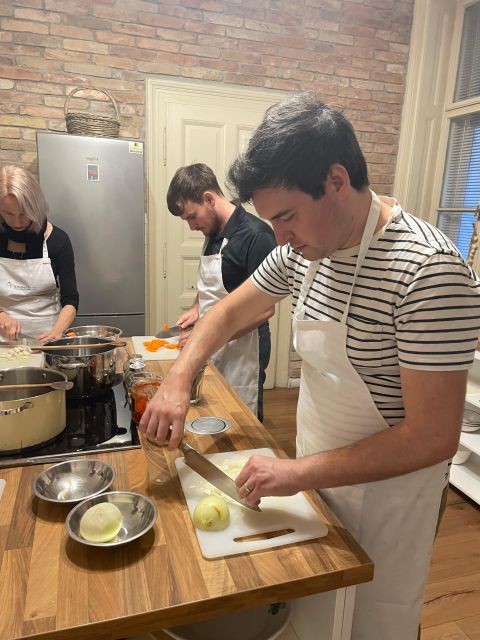
- Central Budapest apartment setting: cosy studio vibe, in the heart of the city, not a big commercial venue
- Small group up to 8: easier to ask questions, swap notes, and actually cook
- Hands-on 4-hour cooking: you prepare a full 3-course Hungarian menu (soup, main, dessert)
- Chef-led culture talk: customs, everyday life, and ingredient stories during the work
- Hungarian drinks included: palinka welcome drink, Hungarian wine, mineral water, homemade soft drinks, plus coffee
- English recipes + kitchen tips: you leave with more than just food memories
A half-day in a Budapest apartment, not a tourist cooking show
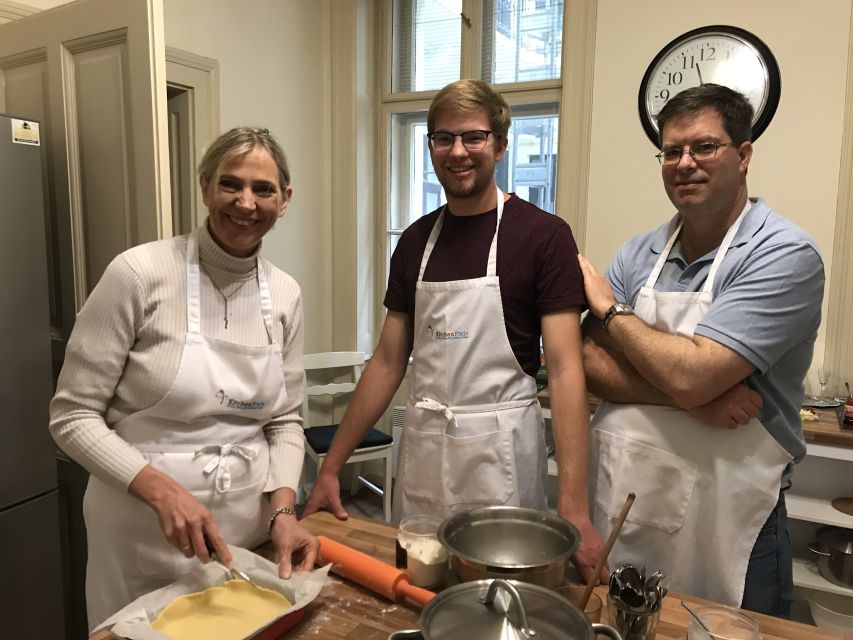
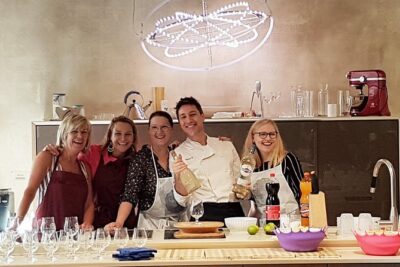
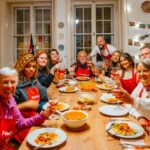
If you’ve ever done a cooking class where you stir something for ten minutes and leave thinking you mostly watched, this one plays fair. The lesson happens in the hosts’ flat in central Budapest, with a small group capped at 8. That matters because it keeps the atmosphere personal and practical. You’re not squeezed into rows. You’re working.
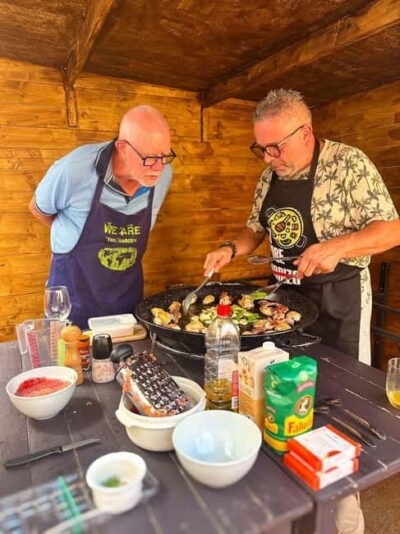
The kitchen is the main event. During prep, it’s all action: chopping, kneading, simmering, and a lot of conversation. That’s where the cultural part sneaks in naturally. Hungarian food isn’t treated like a museum piece; it’s treated like daily life. You’ll hear about customs and what ingredients mean in everyday cooking, not just a list of facts.
One more thing I like: you cook, then you sit down and eat what you made. That sounds obvious, but many classes separate the two. Here, the menu is part of the same experience.
You can also read our reviews of more tours and experiences in Budapest.
Meeting point: how to find the flat fast
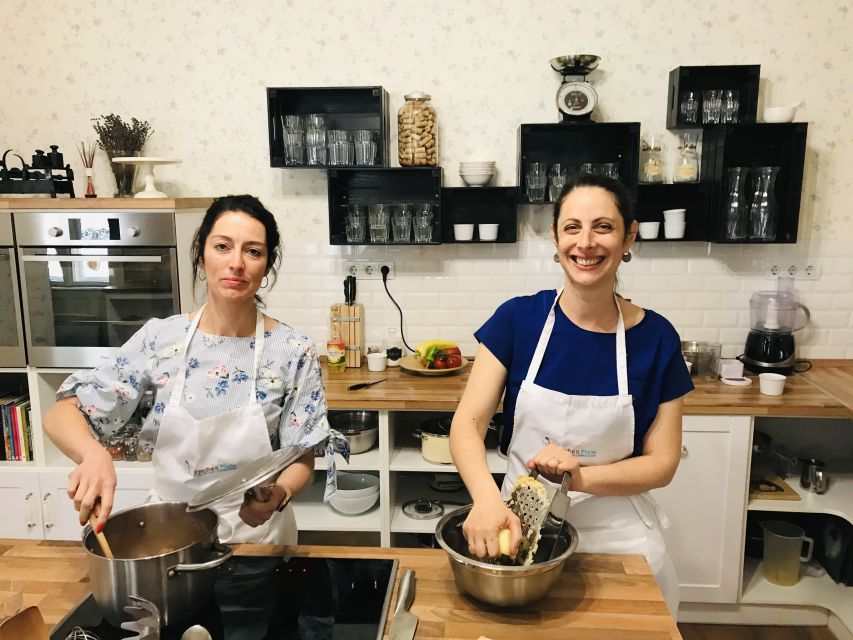
The course meets at the apartment in central Budapest, and it’s described as easy to access. When you arrive, you ring the doorbell labeled 17 so your host partner knows you’ve arrived. That’s a small detail, but it saves time when you’re in a stairwell with multiple doors and you’re trying to figure out which one is yours.
You’ll want comfortable shoes. This is a working kitchen environment, and you’ll likely stand and move as you cook. Also, plan your route so you don’t feel rushed. Since there’s no hotel pickup, the simplest strategy is to build buffer time into your arrival.
Welcome drinks and the moment the kitchen gets going
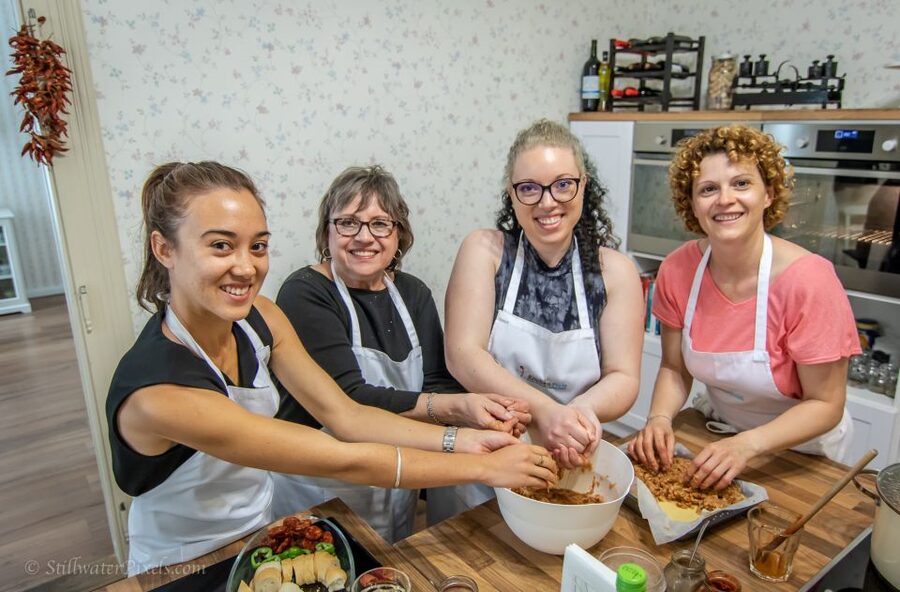
Once you’re in, the tone is set quickly. You’ll have a welcome drink of palinka, plus other included drinks during the session. That first taste helps break the ice, especially in a small group where you’re meeting strangers and jumping into tasks together.
Then the class rhythm begins: the chef explains what you’ll be making and how to approach it. You’re not just following a script. You’re learning the technique behind the dish and the ingredient logic. The included information and stories aren’t tacked on at the end. They show up while you’re working.
Also, there’s a built-in snack moment: you get Hungarian bites during the cooking. So even if you’re waiting for the full meal, you’re not waiting empty-handed.
What you actually cook: soup, main, and dessert (plus bites)
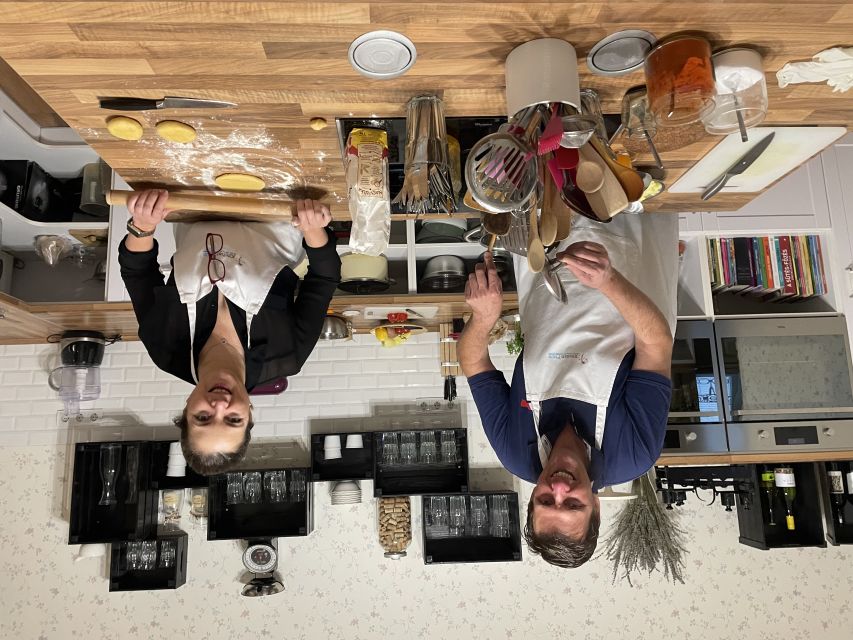
The meal component is clear: you’ll take home a 3-course Hungarian menu—soup, main course, and dessert—and you’ll also have extra Hungarian bites during prep. If you’ve noticed the package name saying 4-course, this is how it fits: the main meal is three courses, and the “extra” comes from the bites you eat while cooking. Either way, you leave fed.
You’ll prepare the dishes with ingredient amounts and equipment already provided. The class includes all the basics you’d want to avoid figuring out on your own: ingredients, tools, and post-prep setup so you can focus on learning the methods.
Soup course: learn the base flavors
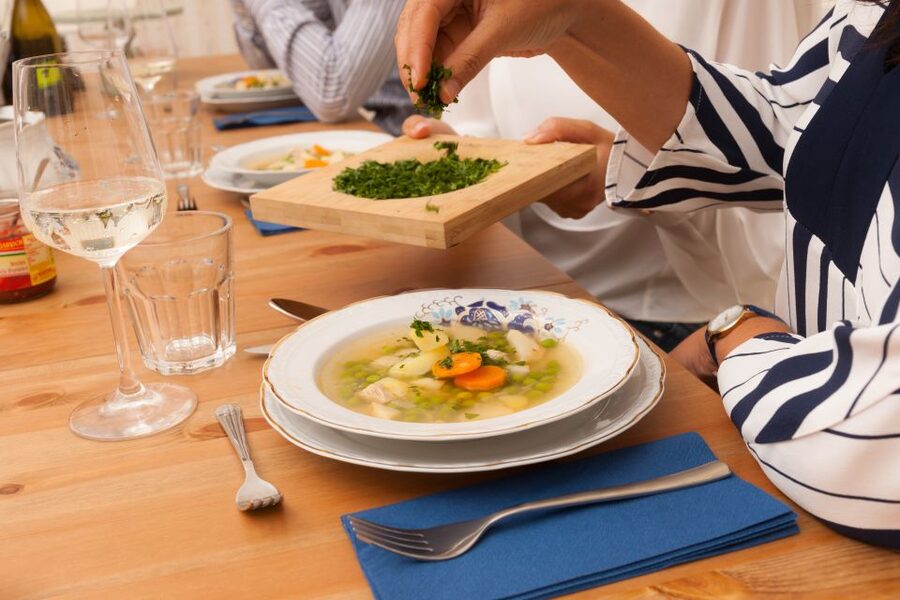
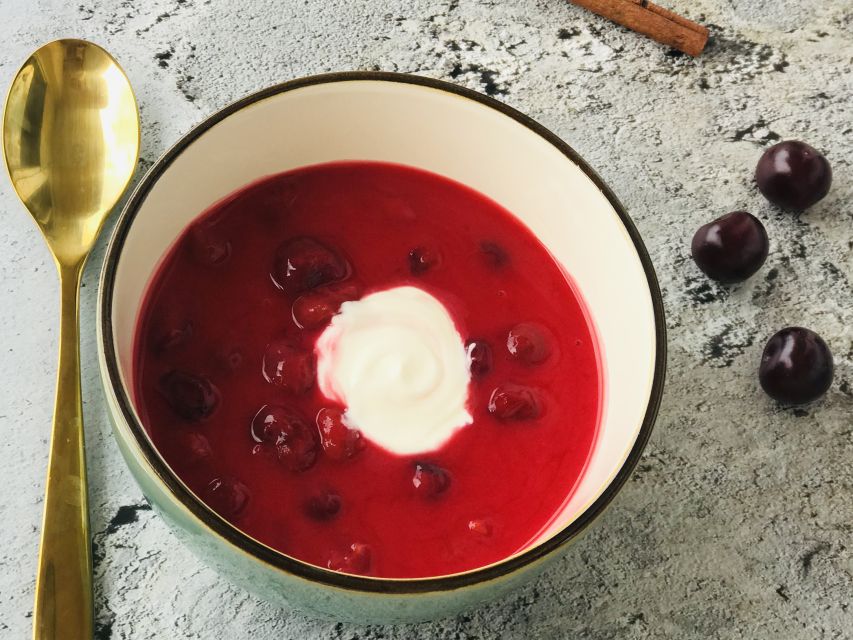
Soup is where many Hungarian meals start, and it’s a great course for beginners because it teaches fundamentals: building flavor step by step, managing heat, and adjusting balance. Expect the chef to guide you through technique rather than just telling you what to do.
This is also usually the part where the kitchen smells most like “real cooking,” not just tasting notes. If you like the comfort side of Hungarian food, the soup is a strong early win.

Main course: hands-on work that makes you feel competent
The main course is where you’ll get more involved. The whole description emphasizes the lively kitchen energy, with meat prep and dough work mentioned as examples of the kind of tasks you may be doing. Even without a specific dish name listed here, the lesson is built around traditional Hungarian recipes and working the steps with the chef’s guidance.
The practical value: you’ll learn tricks and tips that help you avoid common mistakes, especially in timing and texture. Food classes can sometimes be vague on that part. Here, the instructions are framed as useful kitchen know-how.
Dessert: finishing skills, not just sweetness
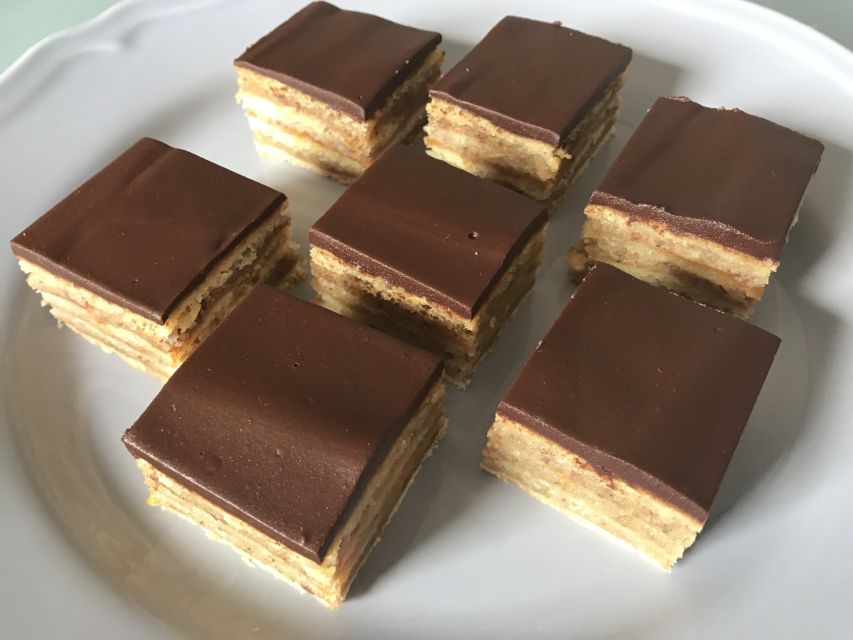
Dessert rounds out the session and gives you a chance to apply technique without the stress of “saving dinner.” The class keeps dessert within the same structure: you cook, you eat, and you learn. The included English recipes help you connect what you did in the kitchen to how you could repeat it later.
Chef Marti and the conversation side of Hungarian food
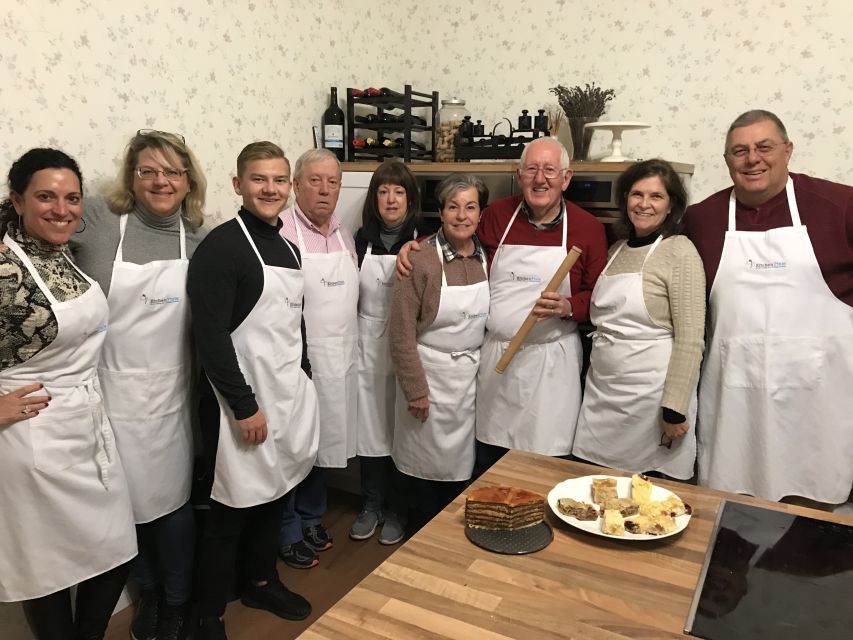
A big reason this class earns top marks is the chef’s energy and how quickly everyone gets involved. In the feedback, Host/chef Marti gets praised for engaging people right away and keeping the group moving through the process.
That matters for two reasons. First, it prevents the class from feeling awkward or slow. Second, you learn better when you’re doing the task while someone explains it. If you’ve ever watched a cooking demo and realized you forgot everything the second you left, you’ll appreciate this format.
You’ll also get stories about Hungarian ingredients, customs, and everyday life. One review specifically called out the history of Budapest’s food culture, which is exactly the type of context that helps recipes feel grounded. Instead of thinking Hungarian dishes are random, you start seeing them as part of how people live and eat.
And because the class happens in a flat, the talk feels like conversation rather than lecture. You’re in the flow of real cooking.
Drinks in the mix: palinka, Hungarian wine, water, coffee
Food classes are often dry affairs. This one isn’t. Drinks are included throughout the 4 hours, including:
- Palinka as a welcome drink
- 2 dl Hungarian wine
- Mineral water
- Homemade soft drinks
- Coffee
That drink lineup is part of the value. It means you’re not paying extra just to keep the evening pleasant. It also helps you understand the setting: Hungarian hospitality often goes hand-in-hand with shared drinks and conversation at the table.
If you prefer not to drink alcohol, the class does include mineral water and homemade soft drinks, so you have non-alcohol options. Still, palinka is presented as the welcome drink, so if that’s an absolute no for you, consider asking ahead through your booking channel.
Why the English recipes and tips matter after you get home
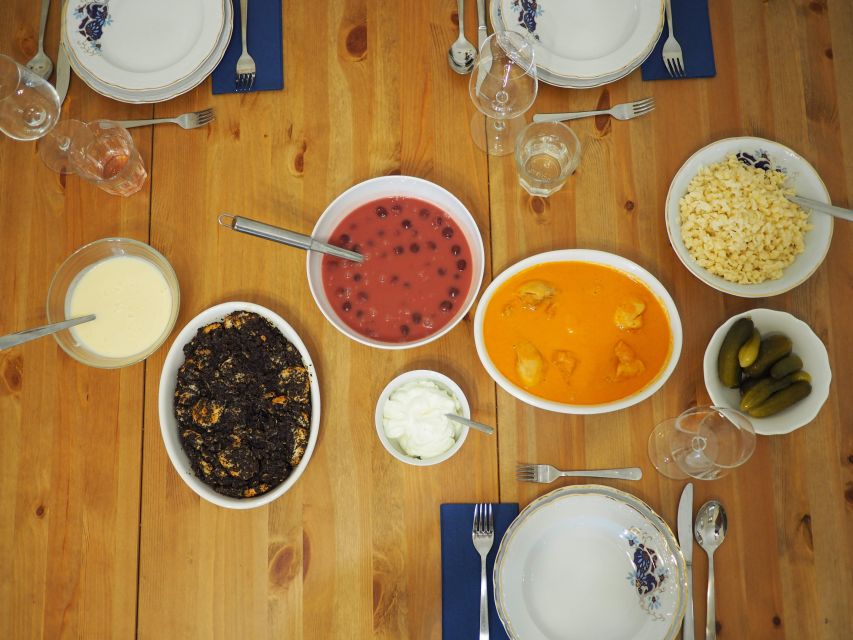
There’s a lot to like about learning to cook in person, but the real payoff is what you can reproduce later. You’ll receive the recipes in English, and you’ll get useful kitchen tips during the session.
This is important for home cooks because techniques don’t always translate through memory. Measuring, timing, and texture cues can vanish the moment the class ends. Having written recipes in English helps you reconnect to what you learned, especially if you want to try making the soup, main, and dessert again.
Also, these are not just “ingredients list” recipes. The class is described as giving tricks and tips, so you’re picking up method, not only outcomes.
Price and value: what $123 buys you
At $123 per person for about 4 hours, you’re paying for more than a meal. You’re buying:
- A hands-on cooking lesson with chef instructions
- All ingredients and kitchen equipment
- A full 3-course menu that you prepare
- Additional Hungarian bites while cooking
- Included drinks (palinka, Hungarian wine, soft drinks, water, coffee)
- A small group setup limited to 8 participants
- English recipes and kitchen tips
The best comparison isn’t a random restaurant. It’s the cost of eating well plus the cost of a guided activity plus the cost of being taught practical cooking methods in a personal space. In that light, $123 starts to look reasonable, especially because you’re leaving with food you made and information you can use again.
If you’re the type who likes “active” travel days, this can be a standout value. If you only want to eat and don’t care about cooking, it may feel like more effort than you want.
Who this class suits best (and who should skip it)
This experience fits best if you like:
- Cooking and want to learn real techniques
- Small-group experiences
- Food-and-culture talk in an intimate setting
- Eating what you make (and not just sampling)
It’s also described as not suitable for children under 10 and not suitable for people with mobility impairments. The format involves a working kitchen and likely standing and moving, so those limits make sense.
If you have dietary needs, none are stated here. Your safest move is to check with the provider before booking if you need modifications.
Practical tips so your evening feels smooth
A few small moves help a lot:
- Wear comfortable shoes since you’ll likely stand most of the time.
- Plan to arrive on time and ring doorbell 17 when you get there.
- If you’re traveling with others, coordinate where you’ll meet inside the building so nobody gets stuck texting in a stairwell.
- Since drinks are included, pace yourself so you can focus while cooking. The class is designed for participation, not just tasting.
Finally, bring your curiosity. This class is built to answer the questions that pop up while you’re chopping onions or working dough, like what an ingredient does and how Hungarians think about everyday meals.
Should you book this Hungarian premium cooking class?
Book it if you want a hands-on Hungarian food experience in central Budapest, with a small group, included drinks, and a real 3-course meal you cook yourself. The best part is the combination: cooking + culture talk + technique + eating your results in one smooth half-day.
Skip it if you mainly want a passive activity, you’re not comfortable navigating to an apartment on your own (since there’s no hotel pickup), or if the lack of accessibility is a concern for your group.
If you like the idea of cooking alongside a chef like Marti, learning from a friendly atmosphere, and leaving with English recipes you can actually use again, this is a strong choice for a Budapest food day.
FAQ
How long is the Hungarian cooking class?
It runs for about 4 hours.
How big is the group?
It’s a small group limited to 8 participants.
Where does the class take place?
It’s held in a private cosy studio apartment in the center of Budapest.
What language is the chef or host?
The host/greeter is English, and the recipes are provided in English.
What will I eat during the class?
You’ll prepare and enjoy a 3-course Hungarian menu (soup, main course, dessert) plus Hungarian bites during the cooking.
What drinks are included?
Included drinks are palinka (welcome drink), 2 dl Hungarian wine, mineral water, homemade soft drinks, and 1 coffee.
Is pickup from hotels included?
No. Hotel pickup and drop-off are not included.
Is it suitable for children or mobility needs?
It’s not suitable for children under 10 years, and it’s not suitable for people with mobility impairments.