REVIEW · NOTO ITALY
Noto: Farm to Fork in Sicily – Cooking Class in a Farm
Book on GetYourGuide →Operated by Azienda Agricola Tre Fontane · Bookable on GetYourGuide
Pasta tastes better when you grow the ingredients. This small-group cooking class on the Noto hills turns ingredients into a lesson, starting with a guided walk in the fields and then moving straight to pasta making in the farmhouse kitchen. It’s run like a working place, not a staged show, so the day feels grounded in real farming life.
I love that the hosts, Annarella (a bio farmer since 2007) and Fabio, guide you step-by-step using fresh, local ingredients—and you finish by eating what you cooked, plus farm tastings and wine production. One thing to consider: the farm is in the countryside, so you’ll want a car or a pre-arranged ride from Noto, since you start at a panoramic meeting spot and then make a short drive to the farm.
In This Review
- Key Highlights You’ll Actually Care About
- A Farm Cooking Class That Feels Like a Meal With Real People
- Meeting Point Basics: Finding the Panoramic Spot and the 5-Minute Drive
- The Short Walk in the Fields: Why It’s More Than a Pretty Start
- In the Kitchen With Annarella and Fabio: Pasta Making Plus Seasonal Dishes
- Pasta making that’s actually useful
- Sicilian techniques guided step-by-step
- Group size keeps it personal
- The Meal: What You Cook, What You Taste, and the Wine Moment
- Wine production context
- Price and Value: Does $169.93 Make Sense?
- Who This Class Fits Best (And Who Might Want Another Option)
- Should You Book the Noto Farm to Fork Cooking Class?
- FAQ
- Where do we meet for the cooking class?
- How long is the experience?
- Is the cooking class in English?
- How big is the group?
- What’s included in the meal and tastings?
- Is transport an issue if I’m in Noto without a car?
Key Highlights You’ll Actually Care About
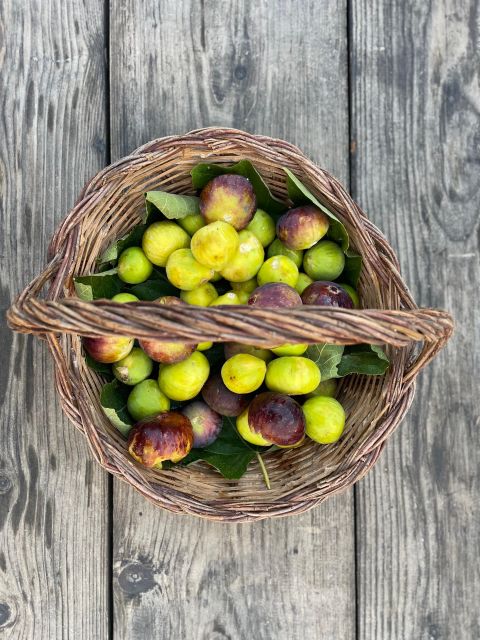
- A working bio farm on the Noto hills: the kitchen and the ingredients come from the same place.
- Hands-on Sicilian cooking with pasta basics: you’ll learn techniques you can repeat at home.
- Farm-to-table tasting built into the class: you’re sampling as you go, not just eating at the end.
- Small group size (10 max): easier questions, more interaction, less waiting around.
- Meal includes wine plus a homemade finish: local wine, dessert, and a digestif are part of the experience.
A Farm Cooking Class That Feels Like a Meal With Real People
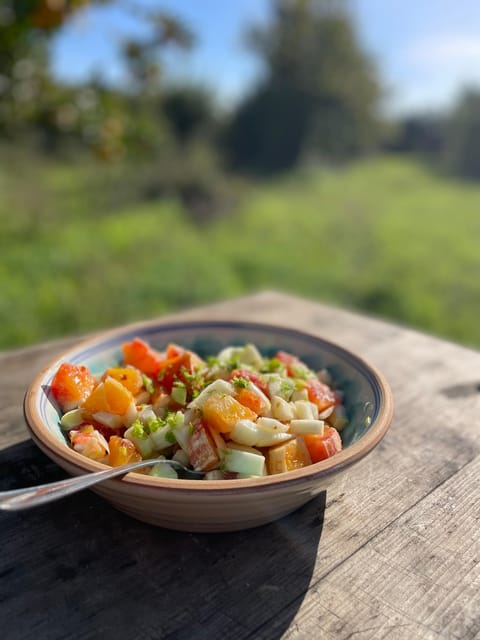
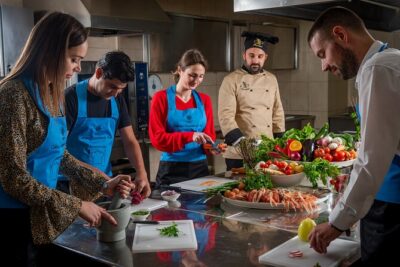
This isn’t a slick “cook with a chef” demo. The farm is Annarella and Fabio’s home, and that changes the tone. You’ll get explanations as you walk, then you’ll move into the kitchen with a clear plan: learn the technique, cook the seasonal Sicilian dishes, and share the meal together afterward.
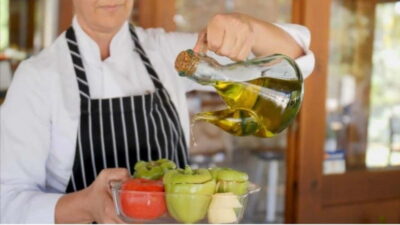
What I like most is how the day is built around the idea of using what grows nearby. Sicily’s food identity is Mediterranean, but it’s also practical: olive oil, herbs, vegetables, grains, and local wine—handled with care, not treated like fancy props. Here, you learn that logic as you cook, then you taste it at the table.
Meeting Point Basics: Finding the Panoramic Spot and the 5-Minute Drive
Your day starts at a big free panoramic spot. It’s easy in the sense that there’s nothing complicated to find, but it does mean you should arrive with a clear plan for the meeting time. From there, you’ll head to the farm together by car—about a 5-minute drive.
If you’re coming by bus or train in Noto and you don’t have a car, the provider asks you to message them so they can help you figure it out. So don’t assume you can just wander over on foot; this is countryside cooking.
The good news: once you’re at the meeting spot, the rest is smooth. The activity ends back at the same place, so you won’t be stuck arranging your own return later.
The Short Walk in the Fields: Why It’s More Than a Pretty Start
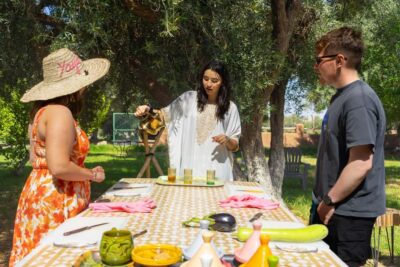
Before you touch a cutting board, you do a short walk in the fields with explanations. This is where the experience earns its farm-to-fork promise. Instead of guessing where ingredients come from, you’re seeing the environment that shapes what ends up on your plate.
You’ll learn about farm products and seasonal availability. That matters because Sicilian cooking is strongly tied to time of year. The class recipes are described as traditional local recipes according to the season, and the field walk helps you understand why certain ingredients show up together.
One practical benefit: this kind of start makes cooking easier. When you know what an ingredient is and why it’s being used now, you’re less likely to get lost during the class. You also get better at tasting—because you already know what to look for.
In the Kitchen With Annarella and Fabio: Pasta Making Plus Seasonal Dishes
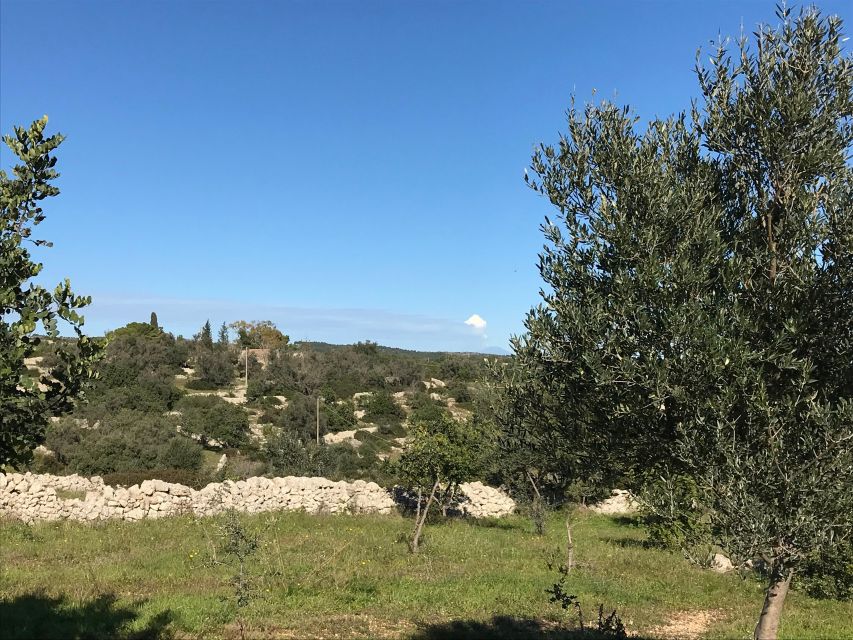
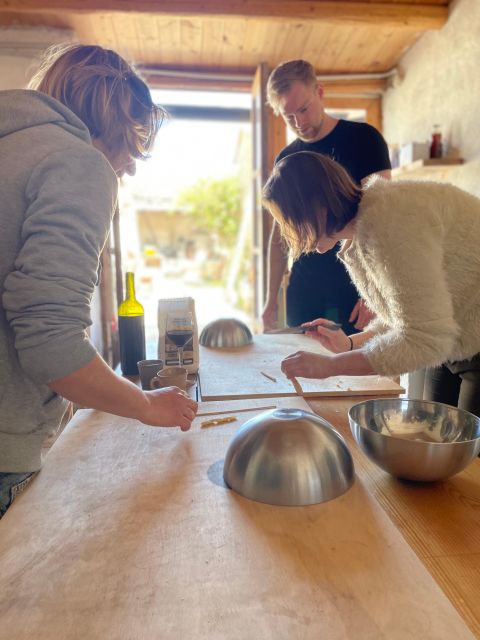
After the field walk, you join Annarella in the kitchen. The pacing is simple and approachable, designed so you can follow along even if you’re not an experienced cook.
Pasta making that’s actually useful
A highlight here is traditional pasta making. You’re not just eating pasta—you’re learning the process. That’s the part you’ll most likely take home, because it turns into repeatable skills: mixing, shaping, and cooking so it tastes right.
In a class like this, the biggest value isn’t the novelty. It’s technique. Pasta is all about texture and timing. Learning the basics in a calm, guided setting means you can recreate something similar later without guessing.
Sicilian techniques guided step-by-step
The class covers more than pasta. You’ll prepare traditional recipes that match the season, guided by the hosts. Expect tips and practical guidance—things like how to manage ingredients and build flavor in a way that fits Sicilian Mediterranean cooking.
Group size keeps it personal
The group is limited to 10 participants, and that’s a big deal in a cooking class. You’re more likely to get help when you need it, and you can ask questions without feeling rushed. It also tends to create a calmer kitchen vibe, which makes the whole experience more enjoyable.
The Meal: What You Cook, What You Taste, and the Wine Moment
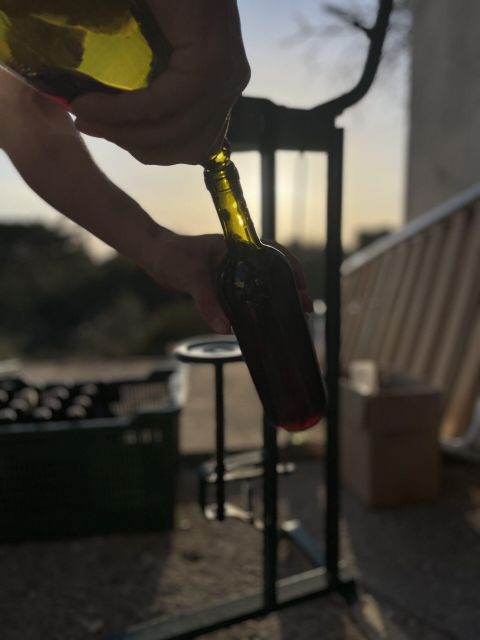
The best part is what happens at the end: you sit down together and enjoy a complete meal. This includes the dishes you prepared, plus extra tastings.
Here’s what you can count on:
- Farm product tasting as part of the experience
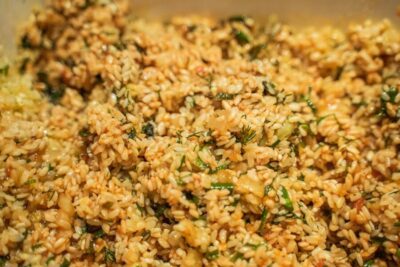
- A meal built around what you made in class
- Local wine
- Dessert
- A homemade digestive to finish
The meal is described as something you share together—more like friends at one table than a formal restaurant service. That’s a real advantage. When a cooking class ends with everyone eating the same food you made, you remember the flavors more clearly. You also leave with a stronger sense of how the dishes fit into real Sicilian dining.
Wine production context
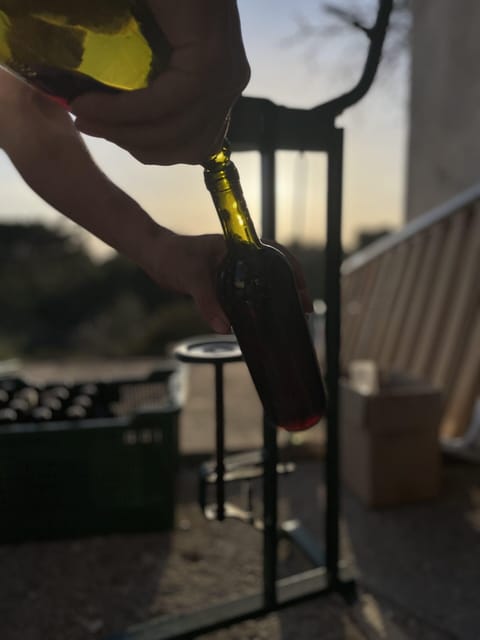
The included wine is local, and there’s also mention of tasting products tied to the farm and its wine production. Even if you don’t become a wine expert, this adds context. It makes the wine feel connected to the food, not like a random add-on.
Price and Value: Does $169.93 Make Sense?
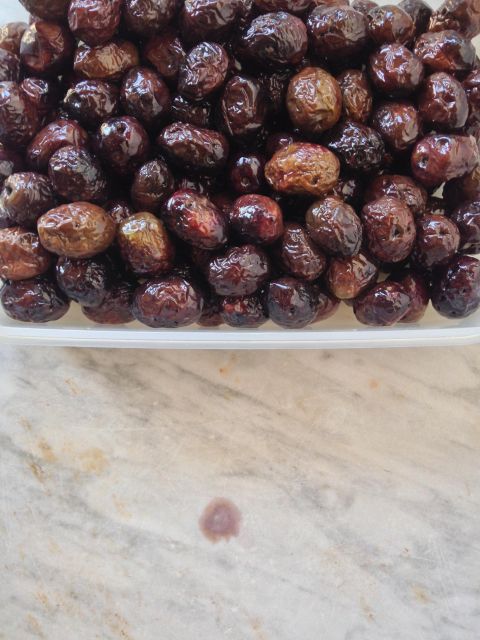
At $169.93 per person for about 4 hours, it’s not cheap. But if you’re looking at what’s included, it starts to feel reasonable for a hands-on, small-group farm experience.
You’re paying for:
- A guided field walk with ingredient explanations
- A live English guide for the cooking instruction
- Cooking class with traditional seasonal recipes
- A full meal that includes what you cooked
- Local wine
- Dessert and a homemade digestif
- Farm product tastings
- Small-group format (10 max)
The value hinges on whether you care about learning techniques and eating a complete, connected meal. If you only want to snack and watch a show, this is more than you need. But if you want to leave with skills (especially pasta making) and a real sense of Sicilian farm cooking, this price can make sense.
Also, note what’s not included: farm products such as olive oil aren’t included. If you’re hoping to stock up on olive oil as a souvenir, budget extra.
Who This Class Fits Best (And Who Might Want Another Option)
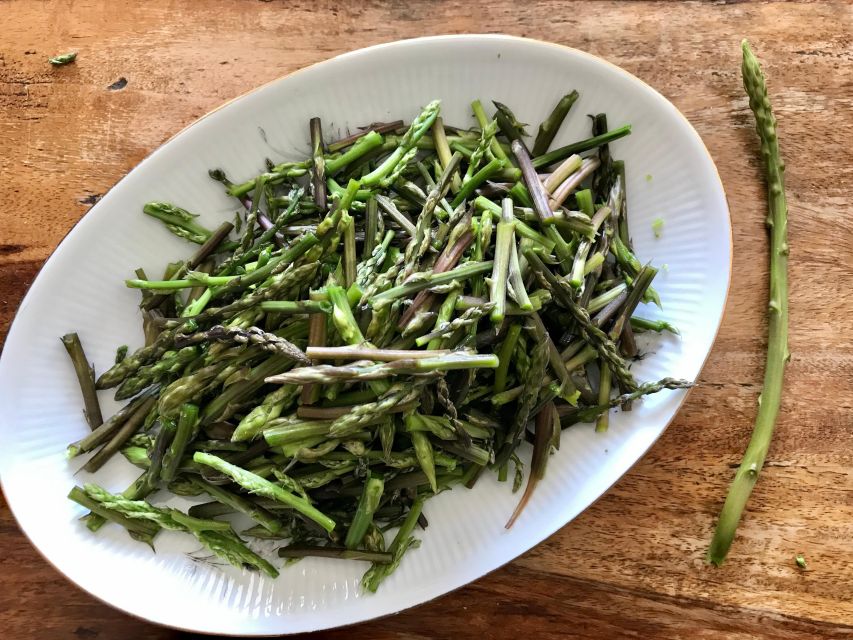
This is a good fit if you:
- Want a hands-on cooking day, not just a meal
- Like learning where ingredients come from, especially in Sicily’s seasonal rhythm
- Enjoy small-group settings where you can ask questions
- Want something social and warm that still feels authentic
It also sounds suitable for all, since the pace is described as simple and the experience is meant to be fun. If you’re traveling as a couple or small group, you’ll likely enjoy the shared table and the fact that you cook together.
If you’re short on time and only want a quick activity, remember it’s a full 4 hours, and there’s a countryside drive involved. Also, if you don’t have easy transport options from Noto, you’ll want to plan ahead.
Should You Book the Noto Farm to Fork Cooking Class?
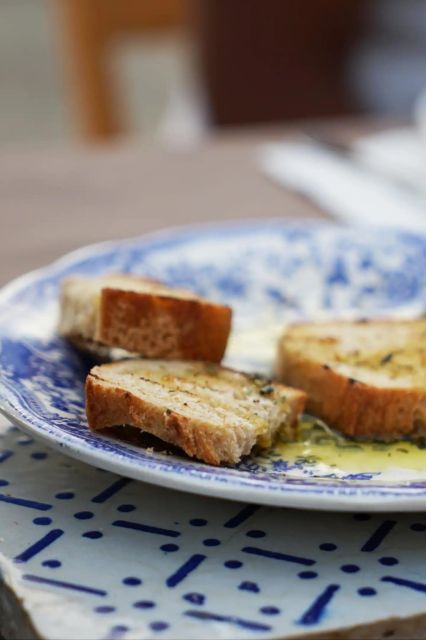
If you want one day in Noto that goes beyond photos and restaurant meals, I’d book it. The big reason is the combination: farm walk + pasta making + shared meal + local wine—all in a small group with English guidance. It’s the kind of experience that gives you both skills and taste memory, which is what you want from Sicily.
I’d only hesitate if you’re unwilling to handle a rural location with some driving, or if you’re looking for a low-cost activity with zero food commitment. But for most food-minded travelers, this hits the sweet spot: practical cooking you can repeat, plus the hospitality of a real working farm.
FAQ
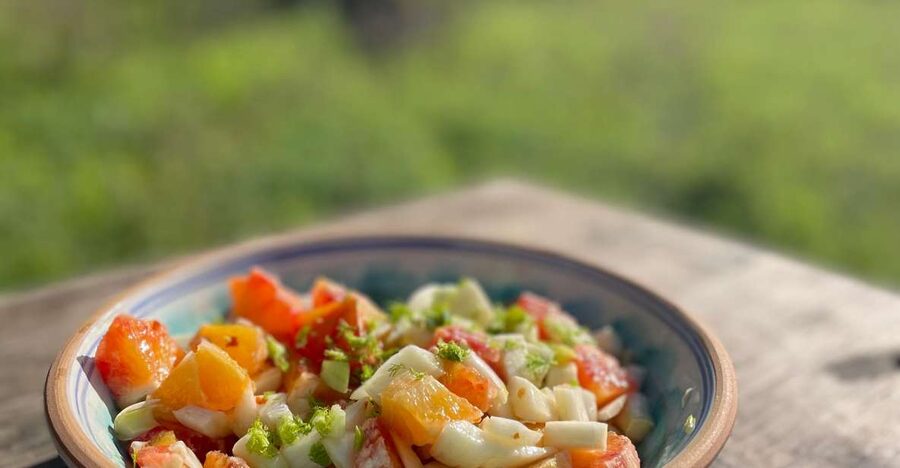
Where do we meet for the cooking class?
You meet at a big free panoramic spot. From there, you go to the farm together by car for about a 5-minute drive.
How long is the experience?
The class lasts 4 hours.
Is the cooking class in English?
Yes. The live tour guide speaks English.
How big is the group?
It’s a small group limited to 10 participants.
What’s included in the meal and tastings?
You’ll get farm product tasting, a cooking class using seasonal traditional recipes, local wine, dessert, and a homemade digestive.
Is transport an issue if I’m in Noto without a car?
The farm is in the hills and you’ll meet at a panoramic spot, then drive to the farm. If you’re coming to Noto by bus or train and don’t have a car, you should message the provider so they can help you plan.