REVIEW · LUANG PRABANG
Tribal Cooking Class in Luang Prabang Forest and visit
Book on Viator →Operated by Laos Experience Tours · Bookable on Viator
Forest cooking in Luang Prabang makes sense. This 5-hour tribal cooking class takes you out into the primary forest area, where you learn what the Khmu use from nature, then cook typical Laotian dishes in a bamboo-based setup—plus you get to make bamboo eating and drinking utensils you can take home. The main catch is that this is not a long, rugged survival trek; it’s a short forest walk and then a prepared cooking space, so if you want all-day hardcore wilderness time, you may feel slightly capped.
I like that you get lunch and snacks as part of the experience, so the learning turns into something you can taste. Private pickup and transportation from Naga Lodge – Eco Resort Luang Prabang makes it easy to fit into a visit day without fuss.
In This Review
- Key highlights to know before you go
- Khmu forest cooking: what makes it feel authentic
- The 5-hour rhythm: pickup, short forest walk, then cooking in a carbet
- Foraging in the primary forest: what you learn from the plants
- Bamboo, stone, and fire: how the cooking teaches the method
- Making take-home bamboo chopsticks and a glass
- Price and value: is $78.08 worth it?
- Who this tour suits (and who should skip it)
- Practical tips to make it go smoothly
- The bottom line: should you book this tribal cooking class?
Key highlights to know before you go
- Khmu-led foraging walk for edible plants used in Lao cooking
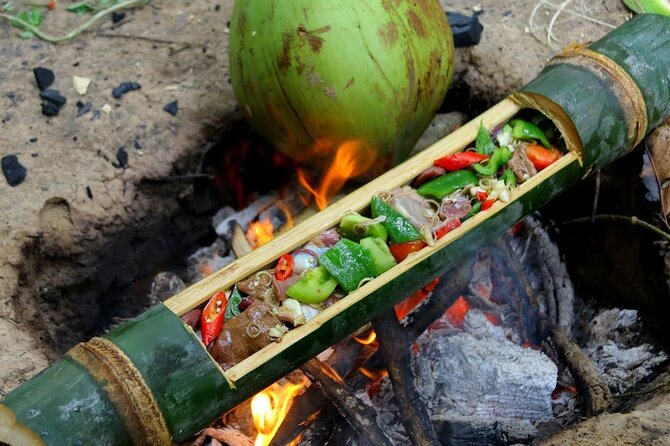
- Bamboo cooking methods using bamboo, stone, and other forest products
- Machete-and-cover moment if the weather needs help
- Hands-on cooking from scratch rather than just watching
- Take-home bamboo chopsticks and a bamboo drinking glass
Khmu forest cooking: what makes it feel authentic
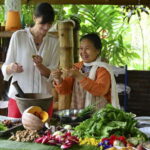
This class is built around a simple idea: if you want to understand Laotian food, you should see where the ingredients come from and how people turn them into meals without relying on a full kitchen. You’ll start in the forest area with a facilitator from the Khmu tribe, who guides you through picking plants that will become part of what you cook.
What I find especially strong here is the way the tour connects three steps that many cooking classes keep separate. You forage, you build or prepare bamboo tools, and then you cook in a bamboo-centered setup. That flow helps the food feel less like a performance and more like a local process. Even if you’ve eaten plenty of Lao dishes already, you’ll likely come away with new respect for how much nature is used as both ingredient and kitchen tool.
And yes, you’ll get the practical side, too: you’ll make your own eating chopsticks and a bamboo drinking glass, so the experience sticks long after the meal is done.
You can also read our reviews of more tours and experiences in Luang Prabang.
The 5-hour rhythm: pickup, short forest walk, then cooking in a carbet
The timing is tight enough to feel efficient, but not so rushed that you miss the point. You’re picked up at Naga Lodge – Eco Resort Luang Prabang (Ban Xieng Mouark area) and returned back to the same meeting point when the activity ends.
A typical flow goes like this:
1) Pickup and transfer
Private transportation is included. Depending on how your group is routed, you might stop along the way to pick up or collect small items, but the core idea stays the same: you’re brought from the lodge area into the forest region.
2) A short forest start (about 10 minutes on foot)
You walk into the primary forest area to learn what’s edible and what’s useful for cooking. The walk is short, which is good if you want nature without committing to a big hike.
3) Carbet cooking setup
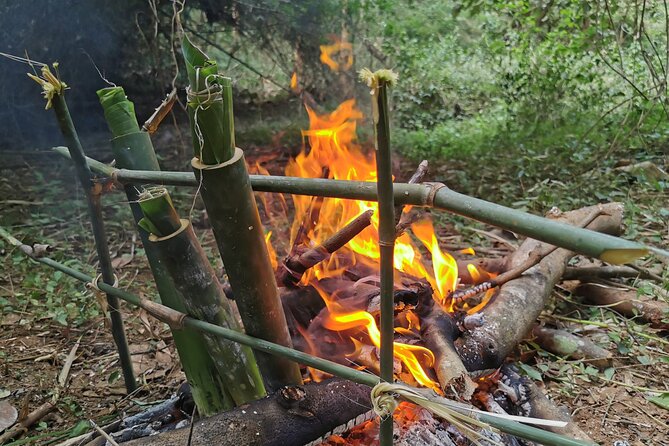
You reach a carbet-style shelter (a simple outdoor structure) and begin learning the Khmu approach to cooking using bamboo, stone, and other forest products. This is where you stop thinking of it as a “class” and start thinking of it as a workable cooking system.
4) Tools, utensils, cooking, then lunch
You use the tools and utensils provided and cook a meal that fits into typical Laotian cuisine. You also get bottled water, snacks, and a lunch that matches what you’ve helped prepare.
What’s good about this schedule is that it feels like a complete experience in one block. What could be slightly annoying for some people: because the walk is short and the cooking space is central, it doesn’t give you tons of time for long wandering in the forest.
Foraging in the primary forest: what you learn from the plants
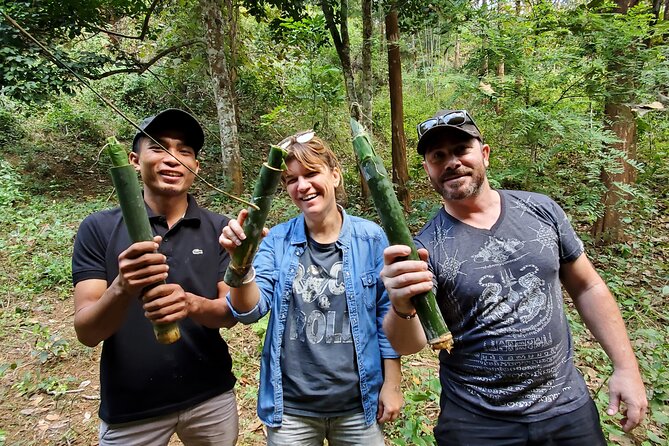
One of the best parts is the foraging component. You aren’t just shown ingredients in a market display; you’re guided to look for and pick edible plants that become part of your meal.
From what’s shared by people who’ve done this experience, you may pick items such as banana leaves and other edible plants. The practical value here is in learning how locals think about plants as both ingredient and working material. Bamboo cooking is important in this class, but it’s the plant knowledge that makes it feel like more than a bamboo demo.
A helpful way to look at this part before you go:
- You’re not expected to know what’s edible.
- Your facilitator is there to explain what you’re seeing and why it’s useful.
- The goal is understanding, not collecting a souvenir basket of herbs.
If you’re traveling from a city background, this can be a real eye-opener. You start to notice that the “forest” isn’t just scenery—it’s a pantry with rules.
Bamboo, stone, and fire: how the cooking teaches the method
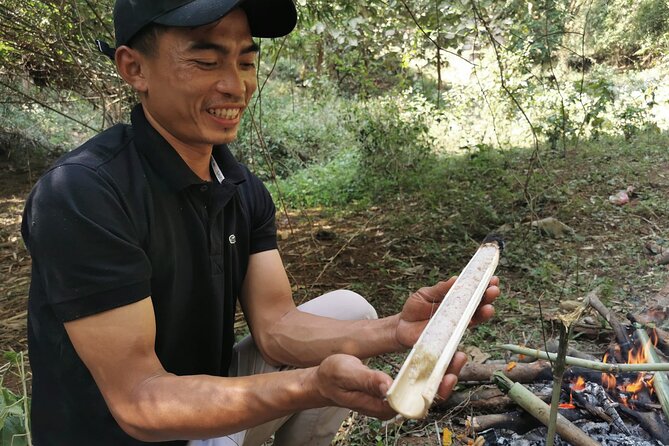
Bamboo is the raw material of Lao cooking in this setting, and you’ll see how that shows up in both tools and workflow. During the session in the carbet, you’ll learn the basic approach tribes use to turn local materials into functional cooking aids.
You’ll also likely get moments that feel very real-world rather than staged. One common detail shared is using machetes to make cover if rain comes through—small, smart survival-type adjustments that tell you the group has done this for a long time. People also mention starting fires and cooking in a hands-on way, rather than simply assembling a dish.
Why this matters for you as a traveler:
- You’ll understand why certain ingredients are prepared the way they are.
- You’ll get a feel for timing and temperature without a modern kitchen setup.
- You’ll walk away knowing that Lao cooking has strong roots in local materials and simple tools.
The downside to keep in mind: because this is outdoors and uses forest-based cooking conditions, it won’t feel like a restaurant class with climate control. If rain or humidity shows up, you’ll be adapting with the group.
Making take-home bamboo chopsticks and a glass
This is one of the most tangible souvenirs in the entire experience. You won’t just be told about bamboo—you’ll make your own eating chopsticks and a bamboo glass you can take home.
For me, that kind of souvenir beats the usual postcard or magnet. It’s useful, it’s personal, and it directly connects to what you learned about bamboo as a cooking material. It also means you end the day with something you can actually use at your next meal, which helps the memories stick.
Also, there’s a quiet advantage here for families and groups: if someone’s not super into cooking, the bamboo crafting still gives them something to do and something to finish.
Price and value: is $78.08 worth it?
At $78.08 per person for a 5-hour private experience, the value comes from the mix of what’s included and what’s learned.
What you’re paying for includes:
- Private transportation
- Bottled water
- Lunch and snacks
- Tools and utensils needed for the class
But the better way to judge value is to count the big-ticket parts you’d otherwise have to piece together:
- You get a guided foraging and cooking experience focused on Khmu methods.
- You get lunch that’s tied to what you cooked.
- You get take-home bamboo utensils.
If you’re the type of traveler who likes experiences you can’t replicate at home, this price starts to make sense quickly. If you only want food tasting with no interest in learning or crafting, you might prefer a standard Lao cooking class in a kitchen environment for less. But if you want the “forest-to-table” feel—short trek, bamboo craft, and actual cooking—this is the sort of tour that feels worth the money.
Booking trend note: it’s commonly booked about 23 days in advance, so plan ahead if your dates are fixed.
And if your schedule is fragile, you have free cancellation up to 24 hours in advance for a full refund.
Who this tour suits (and who should skip it)
This experience fits best if you:
- Want a hands-on Luang Prabang activity beyond temples and waterfalls
- Enjoy cooking, but like it more when the story behind the ingredients is part of the lesson
- Like learning from local culture through a working practice, not a lecture
- Want a day activity that still includes real breaks for eating (lunch and snacks are included)
You might choose something else if you:
- Want a long, strenuous hike with lots of time in wilderness areas
- Prefer indoor cooking classes where weather doesn’t affect your day
- Have zero interest in bamboo crafting or outdoor cooking processes
Practical tips to make it go smoothly
A few small things can make a big difference for comfort and enjoyment.
- Wear shoes you don’t mind getting dusty. You’ll be walking into a forest area, and that’s rarely dry and clean.
- Bring a light rain layer. People mention machetes being used to create cover if rain hits, which signals that wet weather is possible.
- Come hungry. You cook and then eat what you’ve made, and there are snacks plus lunch included.
- Plan your photos, not your pace. The best moments are during the hands-on parts: foraging, making utensils, and cooking. Keep your camera ready but don’t slow the group.
One more smart mindset: treat this as learning a process, not chasing a checklist. If you pay attention to how the facilitator explains what you’re picking and why, the day will feel richer.
The bottom line: should you book this tribal cooking class?
I’d book it if you’re in Luang Prabang for more than a day or two and you want one activity that ties together nature, food, and culture in a way you can’t copy easily back home. The Khmu-led foraging, bamboo cooking setup, and take-home bamboo chopsticks and glass make it feel like more than a single meal.
Skip it only if your idea of the perfect day is strictly indoor cooking, or if you’re after a long multi-hour wilderness hike rather than a short forest walk that leads into real cooking.
If you want a memorable food day that’s practical, hands-on, and grounded in local materials, this one is a strong choice.