REVIEW · MEXICO CITY
Rural cooking class at the mountains
Book on Viator →Operated by CDMXEXPERIENCE.COM.MX · Bookable on Viator
Food lessons in the mountains taste different. This rural cooking class takes you out of Mexico City for a countryside day where you cook using ancestral techniques and learn the culture behind each ingredient. It’s run in English and capped at 15 people, so the guide can actually help you instead of shouting over the crowd.
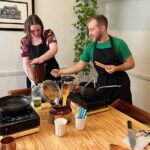
I particularly like the small-group feel and the way guides like Luis focus on what you’re curious about. You’ll get practical, personal attention as you shop, taste, and cook, which makes the day feel more like hanging out with a family than taking a factory-style class.
One possible drawback: the experience depends on good weather, so plan to be flexible if conditions force changes.
In This Review
- Key Points You Should Know
- Why This Rural Cooking Class Beats a Basic Food Tour
- Meeting in CDMX and Trading the City for Mountain Air
- Ingredient Shopping and Tastings Before the Stove
- The Forest Kitchen: Where Cooking Feels Like Family Time
- What You’ll Cook: Tacos, Gorditas, Sopes, Tostadas, and More
- Lunch in the Mountains: What’s Included (and What Isn’t)
- The Guide Factor: English Support and Small-Group Attention
- Weather, Timing, and Who This Trip Fits Best
- Price and Value: Where This Day Trip Delivers
- Should You Book This Mountain Cooking Class?
- FAQ
- Where does the tour start and end?
- How long is the cooking class?
- Is the tour offered in English?
- What’s included in the price?
- Are vegetarian or pesquetarian options available?
- Is alcohol included?
- How big is the group?
- What if the weather is bad?
- Are there any rules for cancellation?
Key Points You Should Know
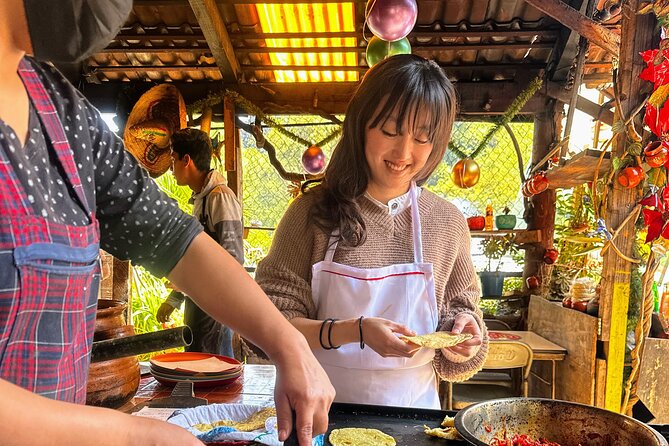
- Small-group, personal guidance: Capped at 15 travelers, with real-time help while you cook.
- Hands-on Mexican cooking techniques: You’re not just watching—expect to prep and cook.
- A big menu with dietary options: You can choose from 20+ dishes, including vegetarian and pesquetarian.
- Mountain escape with nature time: You trade city traffic and stress for a river-and-forest feel.
- Lunch included, alcohol handled carefully: Lunch is part of the package; alcoholic drinks follow the 18+ rule.
Why This Rural Cooking Class Beats a Basic Food Tour
Most Mexico City food plans focus on eating your way through neighborhoods. This one flips the script: you learn how the food is made, why certain ingredients matter, and how Mexican cooking habits grew out of resources, history, and daily life.
What I like about that approach is how fast it sticks. When you’re chopping, seasoning, and building dishes yourself, you remember the steps. And when someone explains the role of the ingredient—beyond the recipe—you stop guessing and start understanding.
It’s also a relief to get out of the city for several hours. The mountains setting changes the pacing. Your brain relaxes, and you notice the food more.
You can also read our reviews of more tours and experiences in Mexico City.
Meeting in CDMX and Trading the City for Mountain Air
Your day starts back at the meeting point at Alfonso Reyes 216 in the Hipódromo area (Cuauhtémoc). The location is near public transportation, which makes it easier to build this into a Mexico City itinerary without a complicated logistics puzzle.
From there, you head toward the mountains and settle into a slower rhythm. Expect a real “day trip” feel, with travel time plus time to shop, learn, cook, and eat. The total duration is about 6 hours, so it’s not a quick snack stop—it’s a full experience.
Because the group is limited to 15 travelers, you’ll feel less rushed. You can ask questions and get feedback while you’re working, which matters in a class where timing and technique both count.
Ingredient Shopping and Tastings Before the Stove
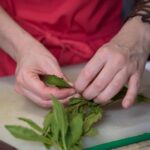
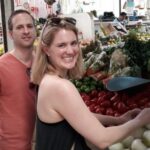
A big part of this experience happens before you cook: you’ll get a chance to shop at local stands and pay attention to ingredients the way families do. Even if you’ve eaten tacos in a hundred places, shopping with intent teaches you what to look for and how Mexican cooks think about quality.
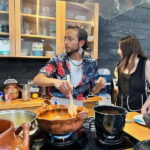
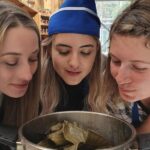
In this setting, you might also run into everyday food happening in real time—like menudo simmering on a stove—where your guide can explain what’s going on and offer a taste. That kind of stop is more than a photo moment. It gives you a baseline for flavors you’ll meet again later when you’re cooking.
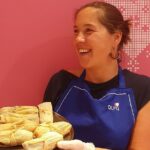
The guide style matters here. Luis’s approach (and the rest of the team’s tone) is to show you things that catch your eye and then help you connect the dots between ingredient, technique, and final dish. It’s one reason the day often feels special, not scripted.
The Forest Kitchen: Where Cooking Feels Like Family Time
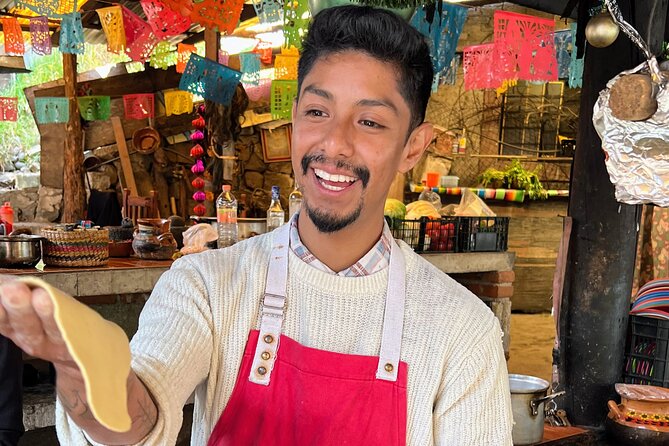
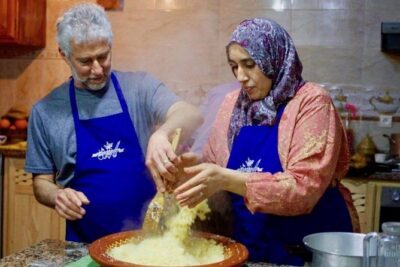
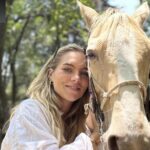
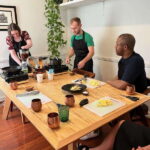
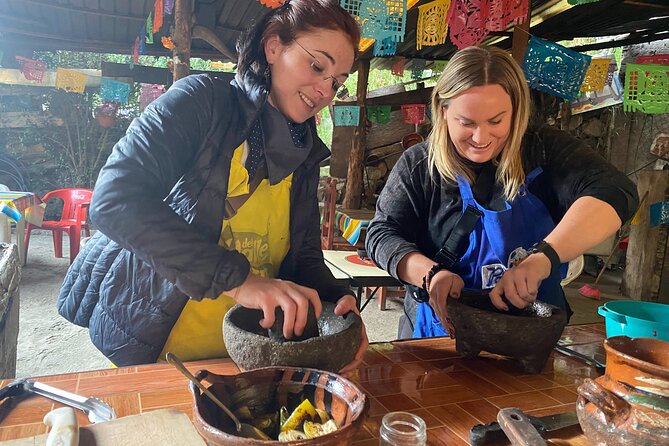
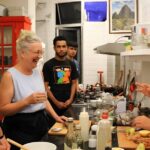
Once you’re in the cooking area, the vibe changes. You’re in nature, and you’re cooking in a village-like setting along a river, with a forest feel that pulls you away from the city’s noise. On days like this, you may even have the chance to meet horses—something that adds character to the setting and helps cement that you’re not just doing an indoor workshop.
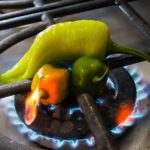
The cooking itself is taught with an emphasis on ancestral methods. That doesn’t mean it’s old-school for the sake of being old. It’s more like: these dishes were built around what people had, how they preserved things, and how they made food work year after year.
You’ll also get an explanation of the culture and history behind ingredients. That’s valuable because it changes how you season and assemble food. When you know why something is used, you can cook with confidence instead of following steps blindly.
What You’ll Cook: Tacos, Gorditas, Sopes, Tostadas, and More
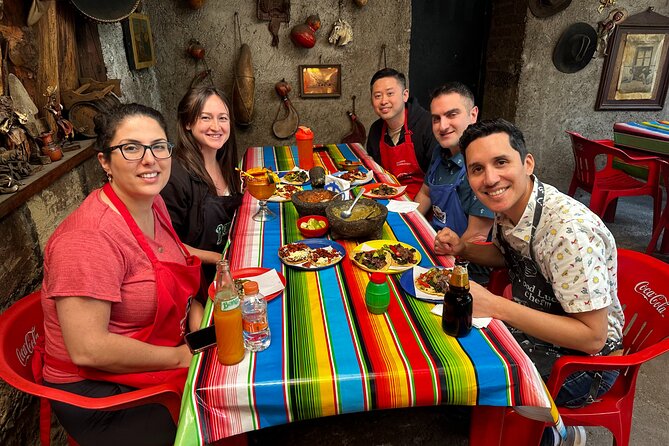
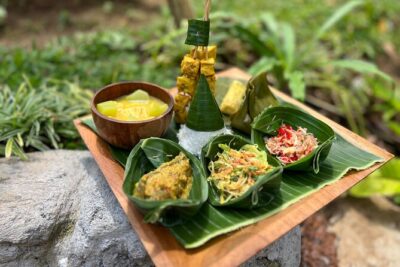
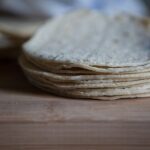
This class isn’t limited to one dish. The menu centers on Mexican favorites—tacos, gorditas, sopes, and tostadas—but the selection goes beyond that. You’ll have the option to choose from more than 20 dishes, which is a lot for a single 6-hour day.
That variety is the point. You’ll get practice with different textures and builds:
- Some dishes are all about the base and crunch (like tostadas).
- Others hinge on thickness and structure (gorditas and sopes).
- Tacos let you focus on balance—filling plus toppings plus sauce choices.
And if you don’t eat meat, you’ll still have options. The class offers vegetarian and pesquetarian choices, so you’re not left hoping the kitchen will improvise.
If you’re a food lover, you’ll probably enjoy this most. If you’re new to Mexican cooking, it’s still friendly, because the day teaches you the “why” behind the ingredients, not just the final form.
Lunch in the Mountains: What’s Included (and What Isn’t)
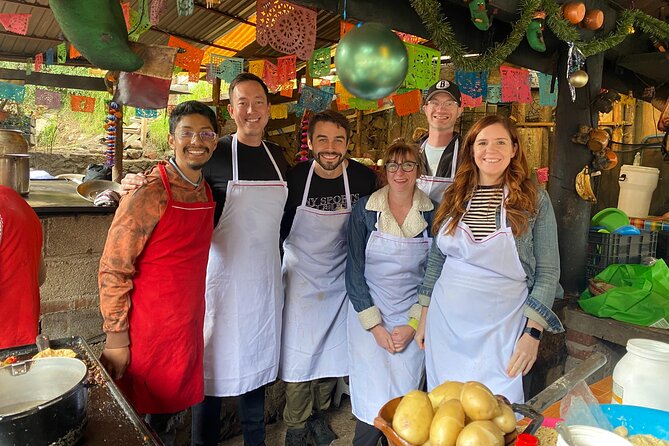
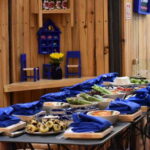
Lunch is included, and that’s a practical win. You’re spending most of the day traveling and working, so having your meal handled means you’re not scrambling for food or negotiating with hungry timing.
Alcoholic beverages are not included. The class notes that alcoholic drinks are served only for travelers 18 years old and above, while minor travelers get non-alcoholic options. So if you’re planning to drink, budget accordingly. If you don’t drink, you won’t feel like you’re sitting out—this day is built around the food and the cooking.
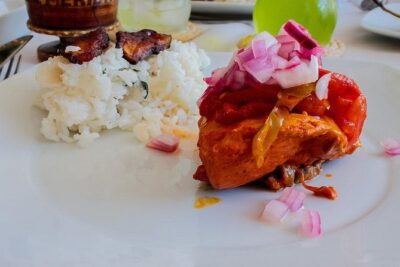
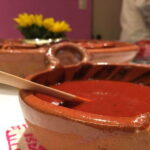
One detail that I think makes lunch feel more meaningful is that it’s tied to what you cooked. This isn’t a separate restaurant stop where you eat and then move on. It’s the payoff for the hands-on work you just did.
The Guide Factor: English Support and Small-Group Attention
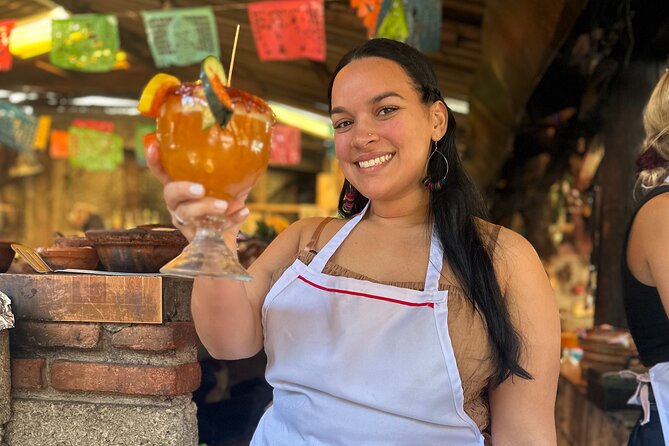
This experience is offered in English, which is crucial for staying engaged throughout the explanations. In a cooking class, you don’t want to miss the ingredient lessons, the small technique tips, or the cultural context.
The group size also helps. With a maximum of 15 travelers, you get a more human level of assistance while you cook. That’s the difference between learning and merely participating.
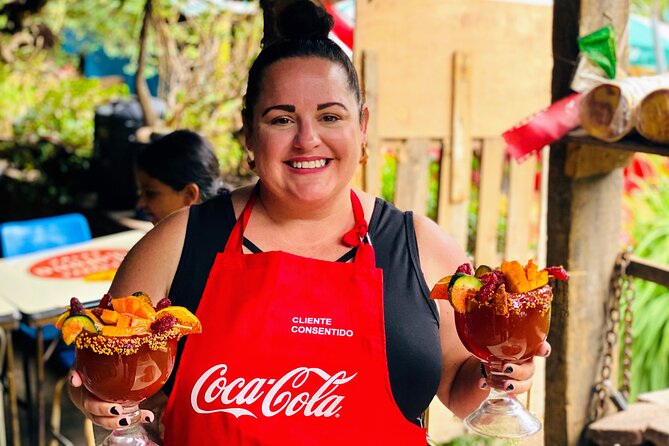
You’ll also notice how the guide adapts to the group. In one example, Luis paid attention to what guests liked to drink and offered a lavish piña colada instead of assuming everyone would want beer. He also brought tastes along the way when something was actively cooking, like menudo simmering. That’s the kind of attention you want in a class—you feel seen, not processed.
Weather, Timing, and Who This Trip Fits Best
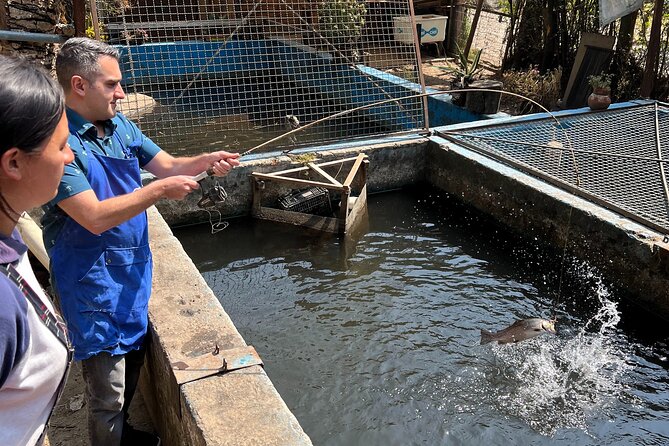
This experience requires good weather. If conditions aren’t right, the tour may be canceled and you’ll be offered a different date or a full refund. Since you’re heading to the mountains, I’d treat weather as part of the plan, not an annoying footnote.
Timing-wise, about 6 hours is a solid block. It’s long enough to teach real skills and give you a proper mountain escape, but not so long that it turns into a half-day project you regret scheduling.
This is a great fit if:
- You want a break from the usual Mexico City sightseeing rhythm.
- You like food learning you can use later, not just eating.
- You’re traveling with a partner or small group and want a day that feels personal.
- You prefer smaller experiences with real guides who pay attention.
If you hate outdoor settings or get easily frustrated by schedule changes due to weather, this might feel stressful. But if you can be flexible, the payoff is that the cooking experience lands in a real setting, not a test kitchen.
Price and Value: Where This Day Trip Delivers
No price is listed here, so I can’t tell you if this is the cheapest class in town. But I can judge value based on what’s included and what you actually do.
You’re paying for:
- A mountains day trip away from busy city time
- Hands-on cooking instruction tied to cultural ingredient context
- A large variety of dishes (more than 20 choices)
- Lunch included
- English support and small-group limits (15 travelers)
Those are strong value drivers. A lot of cooking tours are basically one dish plus a meal. This one is broader and more interactive, with enough menu variety to feel like you got a real culinary education in a single afternoon.
Also, group discounts are available, which can make it even better if you’re traveling with friends.
Should You Book This Mountain Cooking Class?
I’d book it if you want your Mexico City trip to include more than museum hours and restaurant hunting. This class gives you a countryside break, a hands-on skill set, and a menu built around real Mexican staples like tacos, gorditas, sopes, and tostadas—plus options for vegetarian or pesquetarian diets.
I’d skip or think twice if weather uncertainty would ruin your schedule or if you’re only looking to eat and aren’t interested in cooking steps and ingredient explanations.
Bottom line: for travelers who like learning through doing, this is one of those days that tends to feel like it matters.
FAQ
Where does the tour start and end?
The experience starts at Alfonso Reyes 216, Hipódromo, Cuauhtémoc, 06100 Ciudad de México, CDMX, Mexico and ends back at the meeting point.
How long is the cooking class?
The duration is approximately 6 hours.
Is the tour offered in English?
Yes, it’s offered in English.
What’s included in the price?
Lunch is included.
Are vegetarian or pesquetarian options available?
Yes. You can select from more than 20 dishes, including vegetarian or pesquetarian options.
Is alcohol included?
No, alcoholic beverages are not included. Alcohol is served only to travelers 18 years old and above; minor travelers receive non-alcoholic drinks.
How big is the group?
The activity has a maximum of 15 travelers.
What if the weather is bad?
The experience requires good weather. If it’s canceled due to poor weather, you’ll be offered a different date or a full refund.
Are there any rules for cancellation?
You can cancel for a full refund up to 24 hours in advance. If you cancel less than 24 hours before the start time, the amount paid is not refunded.