REVIEW · MEXICO CITY
Tamales 101: Multi-variety tamal cooking class and feast
Book on GetYourGuide →Operated by Martaja - Market tours & cooking classes in Mexico City · Bookable on GetYourGuide
Tamales get way more interesting when you make them. I love the way you learn to roll green tamales from scratch and taste a filling built on tangy tomatillo, and I love the seasonal twist with fresh corn tamales plus a smoky chipotle salsa you make yourself. The only real catch: the building where the class happens does not have an elevator.
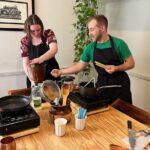
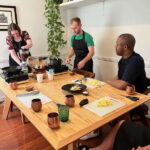
You meet your guide, Jim, at his beautiful Condesa home and get a fast education in why Mexican tamales look different from region to region and family to family. After just over an hour, you’re setting the table with locally made artisan dinnerware and eating what you cooked straight from the steamer.
This is a 4-hour, small-group (or private) experience that also includes beer, wine, and soft drinks, plus recipes emailed after the class. Dietary needs can be accommodated, but you should mention anything you need right away when you book.
In This Review
- Key things I’d mark on your mental map
- Tamales 101 in Condesa: what this 4-hour class is really about
- Rolling green tamales: tomatillo sauce you can taste in every bite
- The seasonal fresh-corn tamal: sweetness you balance, not hide
- Making your own smoky chipotle salsa: where the class gets fun
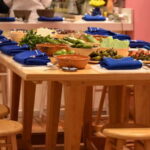
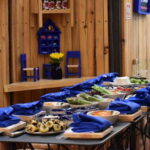
- The feast table: artisan dinnerware turns cooking into an evening
- Price and value: is $130 per person worth it
- Who this fits best (and who might want a different plan)
- Practical notes before you go: cats, stairs, and dietary needs
- Should you book Tamales 101?
- FAQ
- What tamales will I learn to make?
- How long is the class?
- What does the price include?
- Can the class accommodate dietary requirements?
- What languages is the instructor available in?
- Is it wheelchair accessible?
Key things I’d mark on your mental map
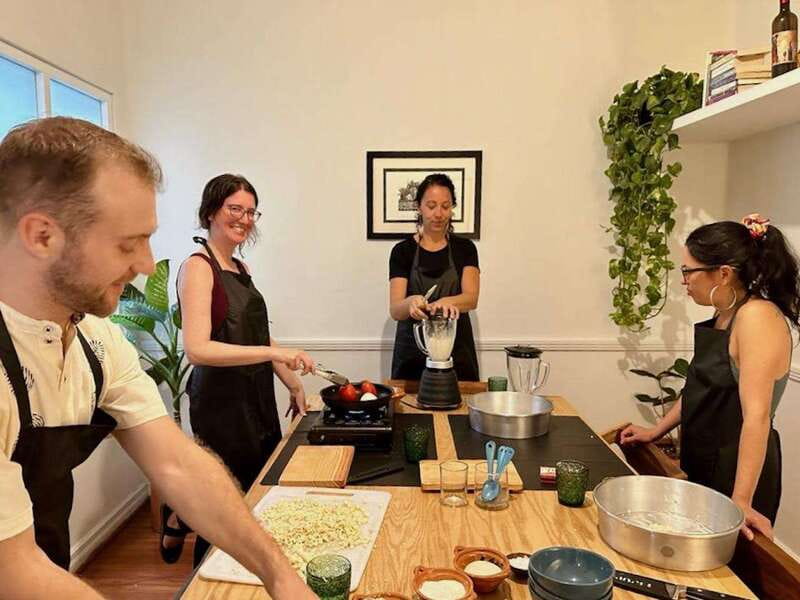
- Two tamal styles, both from scratch: classic green with tomatillo and a seasonal fresh-corn version
- Chipotle salsa is part of the hands-on fun, not just a side dish
- A real feast with artisan dinnerware, so dinner feels special, not like a snack break
- Meals paired with drinks: Mexican beer, wine, and soft drinks during the class
- Recipes arrive by email after the workshop, so you can repeat the results at home
- Small groups or private options, which matters when you want personalized help
Tamales 101 in Condesa: what this 4-hour class is really about
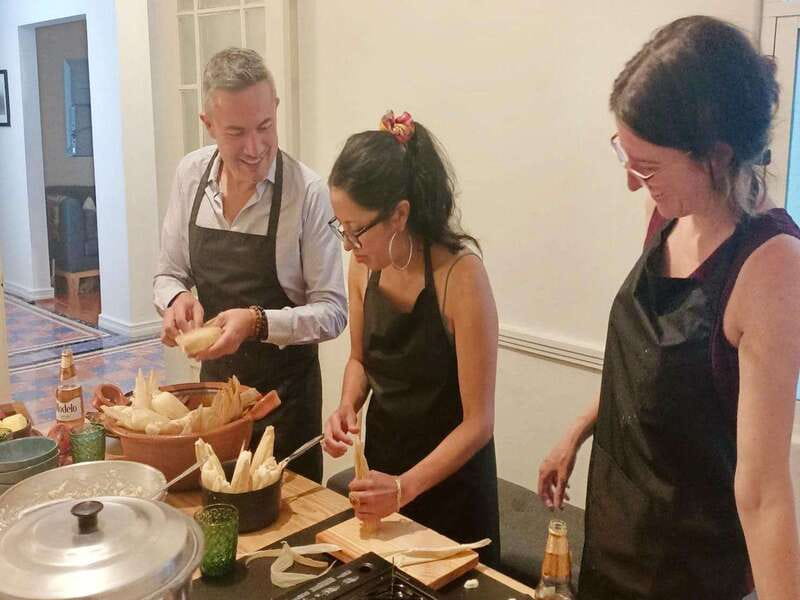
If you think tamales are one dish, this is the kind of class that quietly fixes that. The whole point of Tamales 101 is showing you the wide range of Mexican tamales, then letting you practice with two versions that taste clearly different.
The setting helps too. You’re not doing this in a big, anonymous kitchen. You’re in a home in Condesa, where the pace feels friendly and you can ask questions without getting shuffled into a production line. Jim’s English and Spanish also make it easier to follow instructions and learn what things mean, not just how to do them.
The class runs 4 hours, and it’s paced so you’re not stuck working the entire time before eating. After about an hour, you get to sit down and enjoy your tamales, which keeps the energy high and makes the rolling-and-steaming part feel purposeful.
Finally, you get a feast laid with beautiful local dinnerware made by artisans. That detail matters more than it sounds. It turns a cooking class into an evening, and it makes it easier to linger, share, and actually remember the flavors.
You can also read our reviews of more tours and experiences in Mexico City.


Rolling green tamales: tomatillo sauce you can taste in every bite
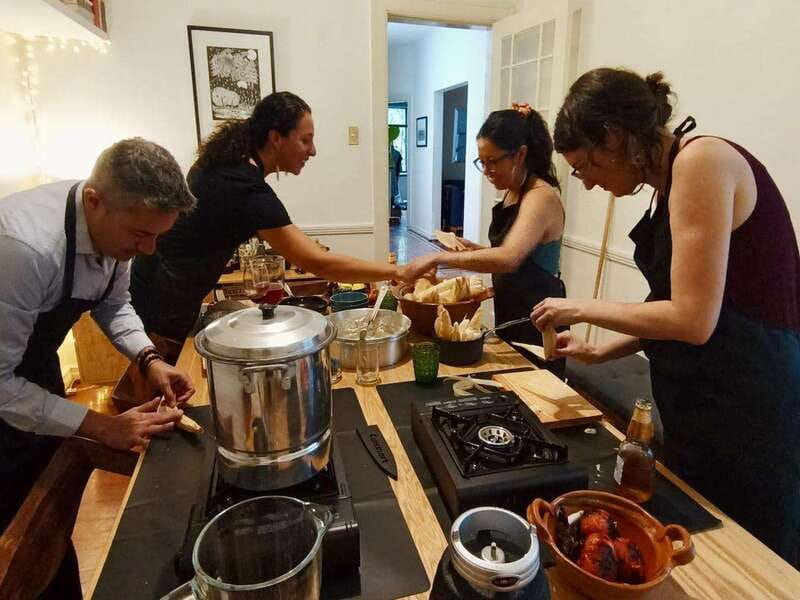
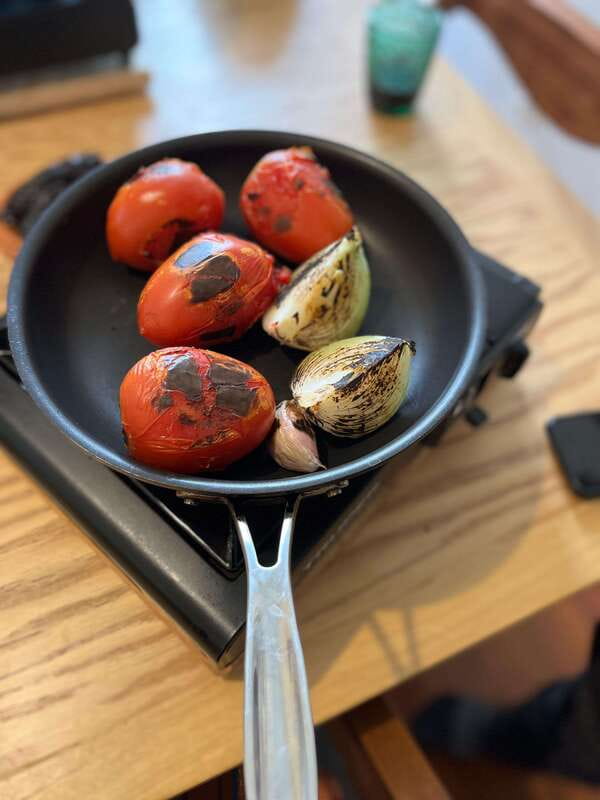
The classic tamal you’ll make is the green style, built around a tangy tomatillo-based filling. Tomatillos are one of those ingredients that taste bright and slightly tart, even when they’re cooked down. In a tamal, that acidity doesn’t disappear. It shows up in the background like a clean line of flavor that keeps the whole bite from feeling heavy.
You’ll learn the process from the ground up: how the filling is put together, how it goes into the dough, and how the tamal gets rolled and ready for steaming. Even if you’ve eaten tamales your whole life, making them forces you to notice things you usually miss, like how much filling matters or how the dough texture changes with handling.
The payoff is simple: you eat the green tamales straight from the steamer as part of the sit-down meal. That timing helps a lot. Freshly steamed tamales have a different bite than reheated ones, and you can really taste the tomatillo character when it’s at its peak.
One more detail that I think is worth highlighting: the workshop approach makes room for adjustments. In at least one case, Jim tailored the meal to an allergy to tomatoes, creating a new recipe to accommodate the guest. So if you’re nervous about ingredients, know that the guide is used to working around real-world needs.
The seasonal fresh-corn tamal: sweetness you balance, not hide
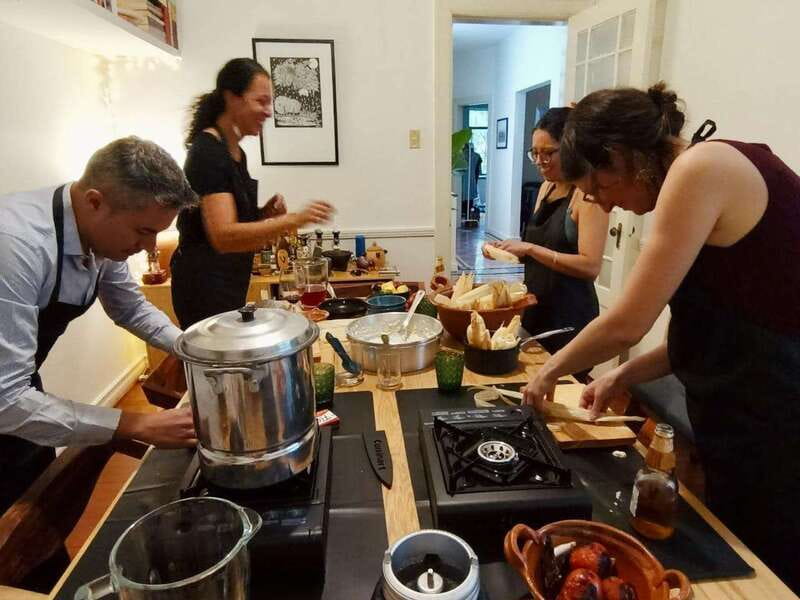
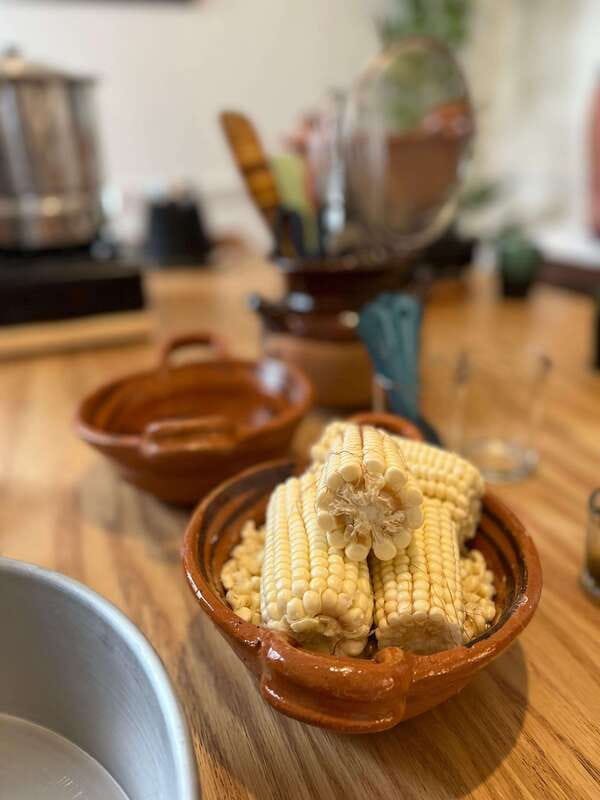
Then comes the seasonal fresh corn tamal, a version that leans into the natural sweetness of corn instead of relying on bold sourness or spice to carry the flavor.
This is a smart second choice because it gives you contrast. Green tamales are about tang and depth from tomatillos and cooked sauce. Fresh corn tamales are about how corn tastes when it’s treated like the star. The dough and filling feel different, and your palate has to adjust.
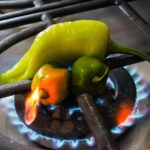
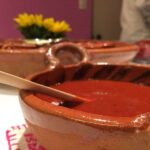
You’ll complement that sweetness with a smoky chipotle salsa that you help make. That matters because chipotle doesn’t just add heat. It brings a smoky, almost toasted quality that offsets sweetness and keeps the bite from feeling one-note.
In practical terms, this is also a better “learn for real life” lesson. Once you’ve made one tamal type with tart filling and another with sweet corn, you can start thinking like a cook: you’ll know how to balance sweet, sour, and smoky flavors rather than chasing a single recipe.
Making your own smoky chipotle salsa: where the class gets fun
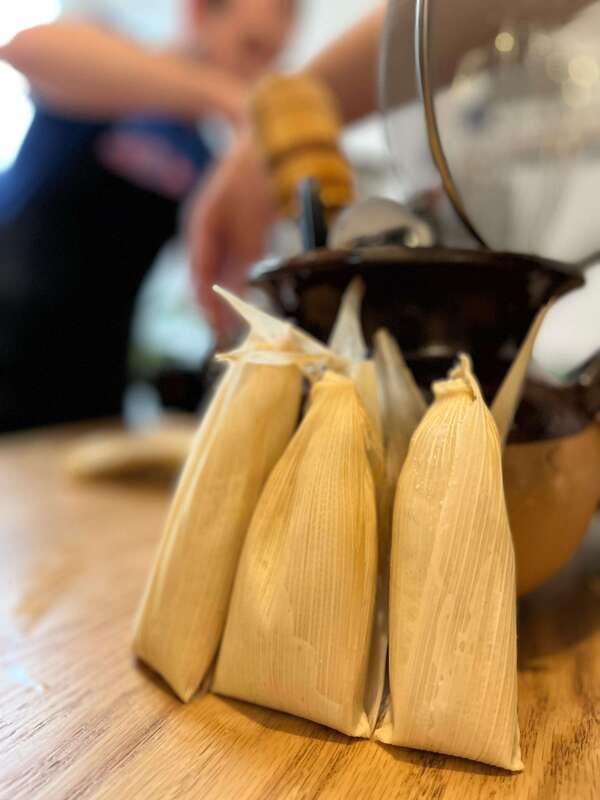
Salsa is often an afterthought in cooking classes, but here it’s part of your hands-on output. You’ll make a smoky chipotle salsa to go with the fresh corn tamals, and that step ties the whole evening together.
What I like about this plan is that it gives you a shortcut for future cooking. Even if you never make tamales again, you’ll leave with a method for a chipotle salsa that you can use on other dishes, like tacos, roasted vegetables, or eggs.
Also, because you’re using your own salsa, you control the flavor. You can taste as you go, so you learn the difference between heat and smoke, and how acidity and salt keep it from tasting flat.
And yes, this is also where dietary needs can come into play. If you have restrictions, you should raise them early when the host asks about dietary requirements after booking. The goal is to match the tamal style and still keep your meal enjoyable and safe.
The feast table: artisan dinnerware turns cooking into an evening
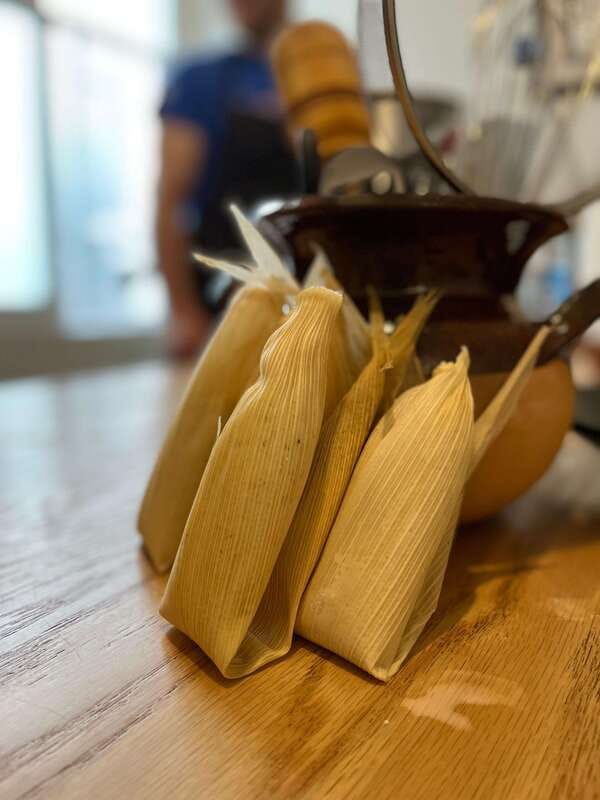
This is not a drop-in-and-eat situation. You’re guided to set the table with beautiful local dinnerware made by artisans, and then you enjoy the meal at that table.
That small detail changes the tone. When you cook and then sit with your food, you naturally talk more, ask questions, and pay attention. You also get to taste the tamales in the context they’re meant for, not just as a “sample” between tasks.
The meal itself includes:
- your classic green tamales with tomatillo-based filling
- your fresh corn tamales with the smoky chipotle salsa you prepared
- Mexican beer, wine, and soft drinks served during the experience
That drink inclusion isn’t just about convenience. It also keeps the class comfortable, especially if you’re working with hot food and want to stay hydrated. It helps the evening feel like a shared meal rather than a timed workshop.
If you’re celebrating something, this may be a place to mention it when you book. One guest described Jim adding birthday surprises, which suggests he enjoys making the experience feel personal.



Price and value: is $130 per person worth it
At $130 per person for 4 hours, this is not a bargain-bin cooking class. But the value is pretty logical when you break down what’s included.
You’re paying for:
- ingredients to prepare two different tamal varieties
- guided instruction through the full process of making tamales
- the meal itself, including beer, wine, and soft drinks
- artisan dinnerware for the feast
- recipes emailed after the class
Compared to just buying tamales in a market and moving on, the workshop gives you something markets can’t: technique. You learn what changes the texture, what balances flavors, and how the final steamed bite should taste.
Compared to “generic” classes, you also get variety. Two tamal styles plus a salsa means you’re not leaving with only one flavor profile. That’s important for people who want to cook at home later.
One practical money tip: if you’re price-sensitive, compare what you’ll pay through the experience platform versus on the Martaja operator site. Some guests have found the same experience can cost less by booking directly with the operator.
Who this fits best (and who might want a different plan)
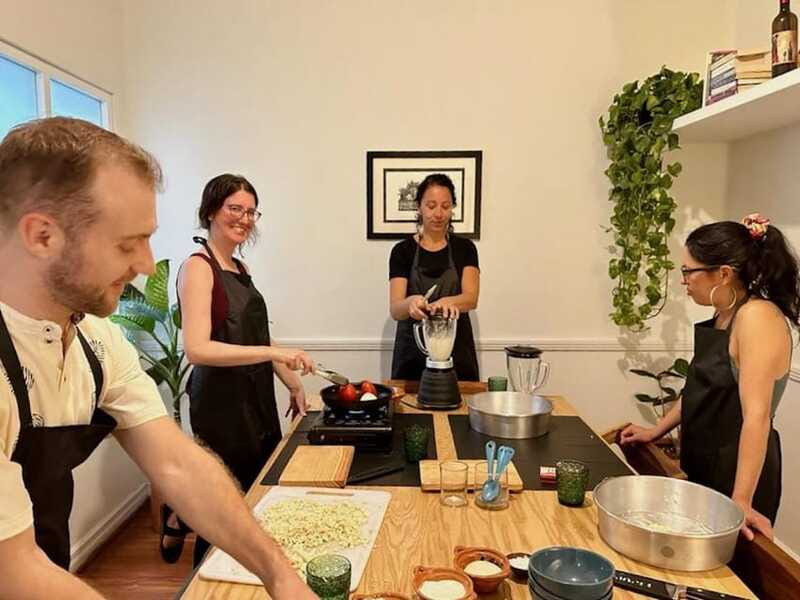
This class is ideal if you want a hands-on Mexican food experience that feels real and social, not rushed.
It’s especially good for:
- couples or small friend groups who want an evening together
- food travelers who like practical skills you can repeat at home
- anyone curious about why tamales differ across Mexico, not just how to make one kind
- people who learn best by doing, then tasting immediately
It may be less perfect if:
- you want a long, deep lecture with zero cooking time (this is hands-on first)
- you have strong mobility constraints, since the building has no elevator
- you have severe allergies, since the house has two cats (the cooking area is kept separate, and allergy pills are available, but cats are present in the home)
That last point is important. The host takes allergy precautions seriously, but the environment isn’t cat-free, so you’ll want to plan accordingly.
Practical notes before you go: cats, stairs, and dietary needs
Start with the details that affect comfort and safety.
The building has no elevator. Wheelchair users have attended before, but you should assume there will be stairs or steps involved. If you need a specific setup, contact the operator early so the host can plan how you’ll be seated.
Allergy handling is built into the experience. You’re kept out of the cooking area if needed, allergy pills are available, and dietary accommodations are part of the process. Still, there are two cats in the house, so if you’re highly sensitive, you should treat that as a real factor.
For food rules, most dietary requirements can be accommodated, but strict Kosher is not possible at this time. When the host reaches out after you book, reply with your dietary needs right away so adjustments can be made before you arrive.
One more tip: the instructor communicates in English and Spanish. If you speak either language, you’ll be able to follow along and ask questions, which is where a lot of the value lives.
Should you book Tamales 101?
I think you should book it if you want a small, friendly, hands-on Mexican cooking class that ends with an actual feast, not just tasting bites. Two tamal styles plus homemade chipotle salsa is a strong combo, and the fact that Jim emails recipes afterward makes it easier to keep the skills alive.
I’d hesitate only if your mobility needs require an elevator, or if cat exposure is a major risk for you. Otherwise, $130 for a 4-hour, ingredient-included workshop with drinks, artisan dinnerware, and repeatable recipes is a solid value for an authentic evening in Condesa.
If you’re going to Mexico City and you’re choosing just one food workshop, this is the kind that gives you both technique and context. You leave knowing not only what to make, but why tamales can taste so different from one version to the next.
FAQ
What tamales will I learn to make?
You’ll learn to prepare classic green tamales and also a seasonal fresh corn tamal. You’ll also make a smoky chipotle salsa of your own making to complement the fresh corn tamal.
How long is the class?
The experience lasts 4 hours.
What does the price include?
It includes all ingredients to prepare two different types of tamales, Mexican beer, wine, and soft drinks, and recipes sent by email after the class. Souvenirs are not included.
Can the class accommodate dietary requirements?
Dietary requirements can be accommodated, and the host asks about your needs after booking. Strict Kosher is not possible at this time. Allergy sufferers should know the home has two cats, and allergy pills are available.
What languages is the instructor available in?
The instructor teaches in English and Spanish.
Is it wheelchair accessible?
Wheelchair users have attended before, but the building does not have an elevator, so you should expect steps or stairs as part of access.