REVIEW · CAI BE
Cai Be Mekong Delta: Cooking Class, Cycling, Craft Villages
Book on GetYourGuide →Operated by MILLENIUM TRAVEL CO.,LTD · Bookable on GetYourGuide
Cai Be makes the Mekong feel personal. This day blends cooking and orchard-country cruising with folk music, ancient houses, and family food-making in the Mekong Delta. I especially like the hands-on Vietnamese lunch and the way you snack your way through coconut candy and crispy rice popcorn while southern folk music plays. Guides such as Peter, Min, and Jonathan can turn those stops into clear stories, not just quick photo moments.
The main drawback is simply the pace: it’s a long day with a lot of movement plus bus time, and it’s not a fit if you have heart issues or mobility limits. You’ll be on your feet at parts, and you’ll want comfortable shoes and decent stamina.
In This Review
- Key things to know before you go
- The Cai Be vibe: why this part of the Mekong feels real
- Price and logistics: what $36 really covers
- Pickup to Cai Be: get comfortable for the road time
- Trading and orchards: the early lesson that makes everything else make sense
- Ancient houses and village walking: architecture with a purpose
- Coconut candy, crispy rice popcorn, and folk music with real atmosphere
- Canals and Tan Phong Island: when the day slows down on the water
- Cooking class lunch: the part you’ll remember most
- Cycling through orchards: how to see a village without rushing
- Ba Kiệt’s ancient house and the boat ride back to Cai Be
- The top strengths (and why they’re worth your time)
- Who should book this Cai Be Mekong Delta day (and who should skip it)
- Should you book this tour?
- FAQ
- How long is the Cai Be Mekong Delta cooking, cycling, and craft villages tour?
- What’s included in the price?
- Where does pickup happen in Ho Chi Minh City?
- What should I bring?
- Is the tour suitable for wheelchair users or people with heart problems?
- How big is the group?
- Are drinks included?
Key things to know before you go
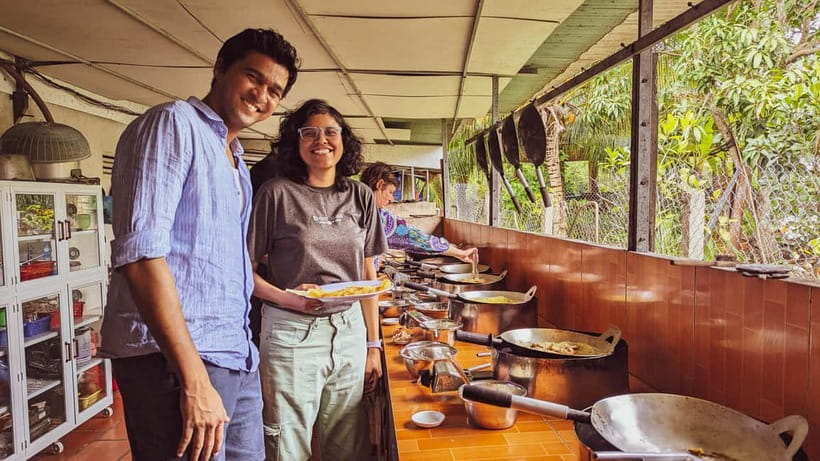
- Hands-on lunch in a garden: you cook Vietnamese specialties, not just watch.
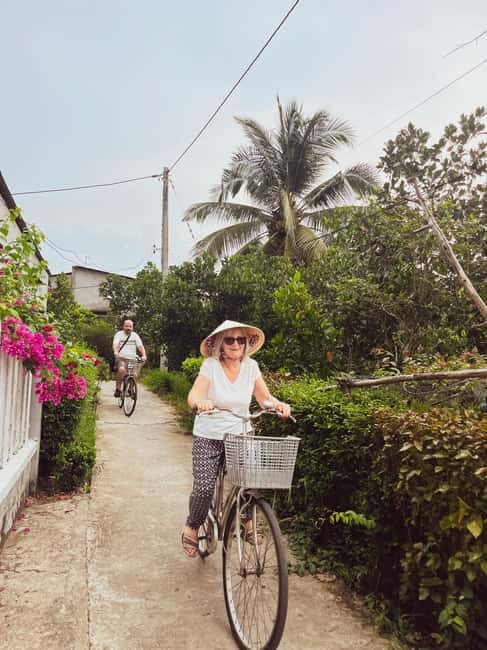
- Orchards and cycling: the bike ride is a slow, scenic way to see how daily life works.
- Craft-food stops: coconut candy and crispy rice popcorn come with real context.
- Canals plus Tan Phong Island: you get a quieter water-side rhythm after the busy parts.
- Small group size (max 25): more chances to ask questions and keep the day from feeling chaotic.
- English-speaking guide: you’re not stuck guessing what you’re seeing.
The Cai Be vibe: why this part of the Mekong feels real

Cai Be is far enough from Ho Chi Minh City that you can feel the countryside change your pace. Instead of big-city speed, you get a patchwork of orchards, small villages, and older homes where traditions are still visible in everyday details.
What I like about this tour is that it doesn’t treat the Mekong Delta as a single attraction. You bounce between food craft, architecture, local music, canals, and cycling. That mix matters because the Mekong Delta isn’t just a place to look at. It’s a place to understand—through how people earn money, how they grow fruit, and how they turn simple ingredients into snacks that sell.
Price and logistics: what $36 really covers
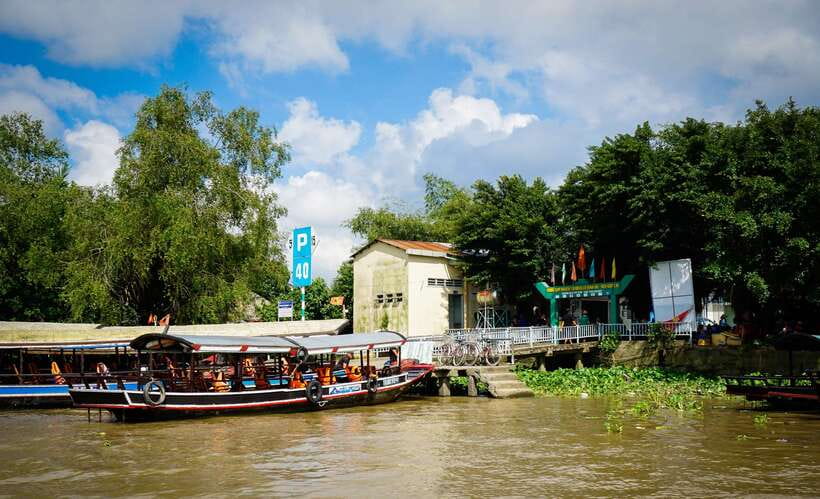
At about $36 per person for a 13-hour day, the value comes from what’s bundled in. You get hotel pickup and drop-off in selected central District 1 streets, an English-speaking guide, entrance fees, shared boat rides, a bicycle, and Vietnamese lunch. You’re also given mineral water.
The tradeoff is that the day is packed. You should plan for a long morning start and the reality of road travel. The itinerary includes about two bus/coach legs of roughly two hours each, and in practice that can run longer depending on traffic and timing.
If you’re the type of traveler who hates rushing, this might feel like a “move all day” experience. If you enjoy variety—food, water, bikes, and village stops—you’ll probably love the way the day keeps changing.
Pickup to Cai Be: get comfortable for the road time
Pickup runs from District 1 hotels on selected streets (with two exclusions in District 1). If your place isn’t in the pickup zone, you’ll meet at 112 Tran Hung Dao Street in Pham Ngu Lao Ward at 07:30 AM.
It’s worth arriving early enough to feel calm. The tour asks you to show up at least 10 minutes before departure, and that’s smart here because the day starts early. Once you’re on the road, you’ll settle in for the bus segments that bring you from Ho Chi Minh City to Cai Be.
Practical tip: dress for comfort and bring sunglasses. You’ll be outside enough that glare can be annoying, especially around water and fruit gardens.
Trading and orchards: the early lesson that makes everything else make sense
After you arrive in Cai Be, you start with the bigger picture: how local trading and daily life have changed with modern transportation and agricultural improvements. That context matters because the Mekong Delta is often sold as “old-world canals,” but people here are adjusting to new ways of moving goods and growing crops.
You’ll also see how fertile the orchard gardens are—fruit growing is a major identity of this region. Even if you don’t know the names of every tree, you’ll get the feel of the place fast: land used for fruit, village paths, and the sense that harvest drives routines.
This is also where the trip begins to shift from sightseeing into understanding. You’re not just passing through. You’re learning why the canal routes and farm rhythms shaped the communities.
Ancient houses and village walking: architecture with a purpose
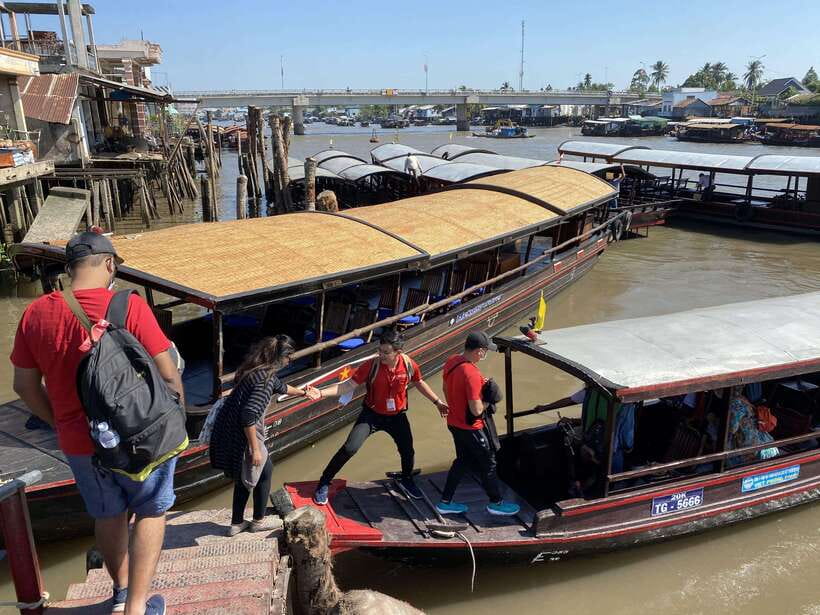
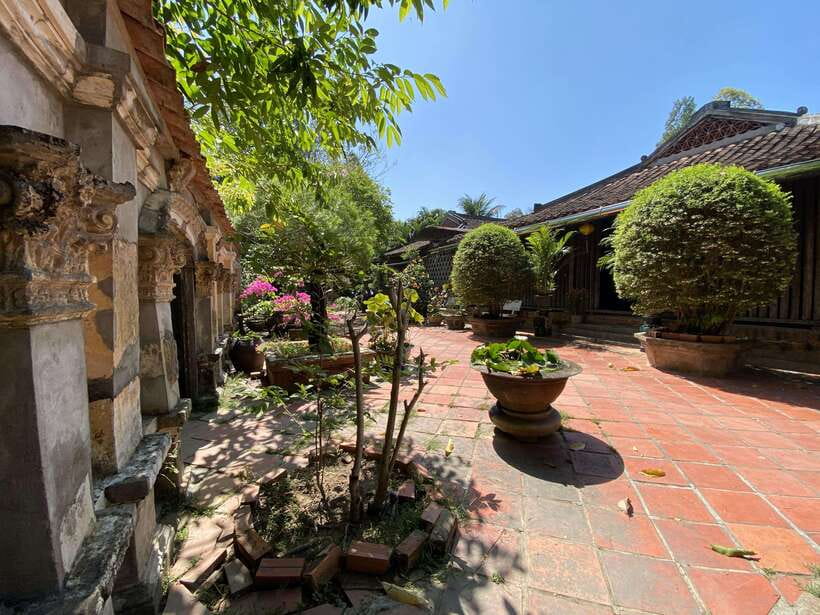
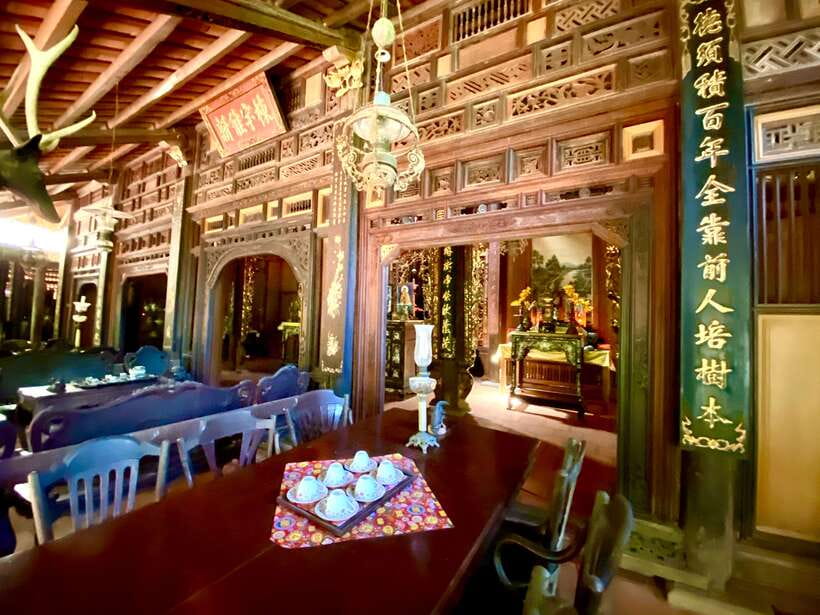
A big part of the charm comes from the village ramble and the focus on older homes. You get to admire architectural features of ancient houses and learn about the local indigenous culture that shaped them.
Why I value this stop: house design tells you how people adapted to climate, family life, and community structure. In a short time, you can pick up more meaning than you would from a single museum room.
One careful note: this is not a sit-and-watch tour. You’ll do some walking through small villages, so comfortable shoes aren’t optional.
Coconut candy, crispy rice popcorn, and folk music with real atmosphere
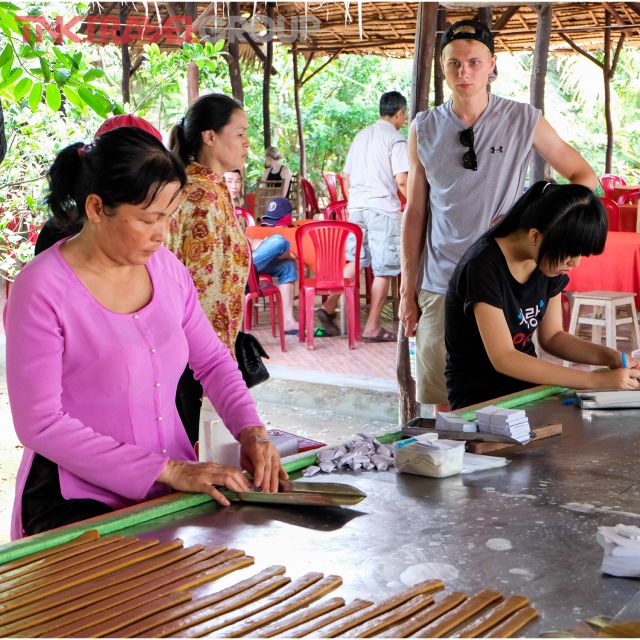
Then comes one of the most memorable practical parts of the day: a family business that makes coconut candy and crispy rice popcorn. This is where the Mekong Delta flavor shows up beyond fruit.
You also get fresh fruit tasting while listening to southern Vietnamese folk music. The combo works well because you’re not only eating local treats—you’re experiencing the soundscape that often sits alongside village market life and evening entertainment.
A tip for maximizing this portion: slow down and pay attention to the process as much as the final product. When you understand what goes into coconut candy or rice popcorn, the taste feels earned, not random.
Canals and Tan Phong Island: when the day slows down on the water
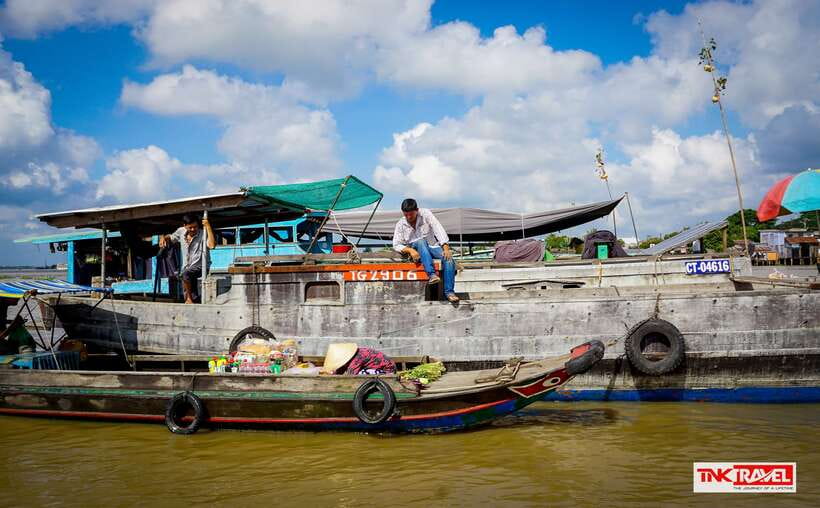
After the land stops, you switch to water. You’ll paddle through small canals, which changes your view of everything. Instead of roadside scenery, you look across orchards and village edges from a calmer angle.
Shared boat rides plus the canal time are the breathing space in the itinerary. You get to look around, relax, and absorb the atmosphere of the Upper Mekong Delta area.
Then you reach Tan Phong Island, where the focus shifts to nature’s quiet. This segment is especially good if you’ve been feeling the schedule tighten. The water rhythm helps you reset before the cooking and cycling parts of the day.
Cooking class lunch: the part you’ll remember most
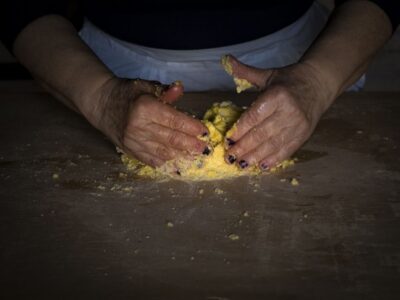
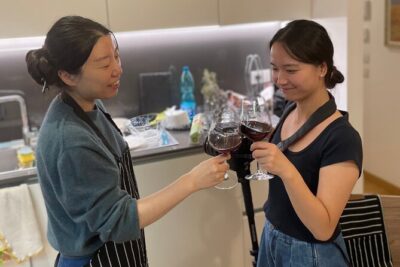
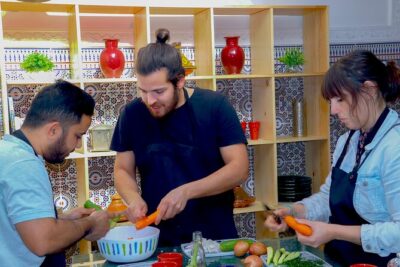
Lunch isn’t just food. It’s a learning moment. You cook Vietnamese specialties and then eat the results in the heart of a local garden.
This is one of the best value features of the tour because it turns a “tour meal” into an experience you can carry home. When you learn how a dish comes together, you start noticing ingredients differently when you order Vietnamese food later.
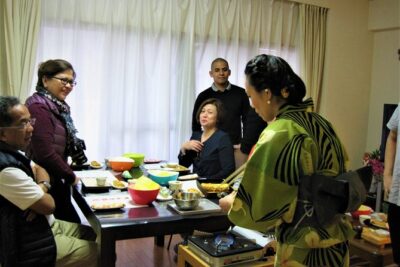
Also, the lunch setting matters. A garden meal fits the Mekong Delta theme: orchards, fruit, and daily life rather than a formal restaurant scene. If you’re traveling as a couple or solo, this part also gives you a natural chance to chat with your guide and other participants.
One practical note: drinks aren’t included, so if you want something beyond mineral water, plan for it.
Cycling through orchards: how to see a village without rushing
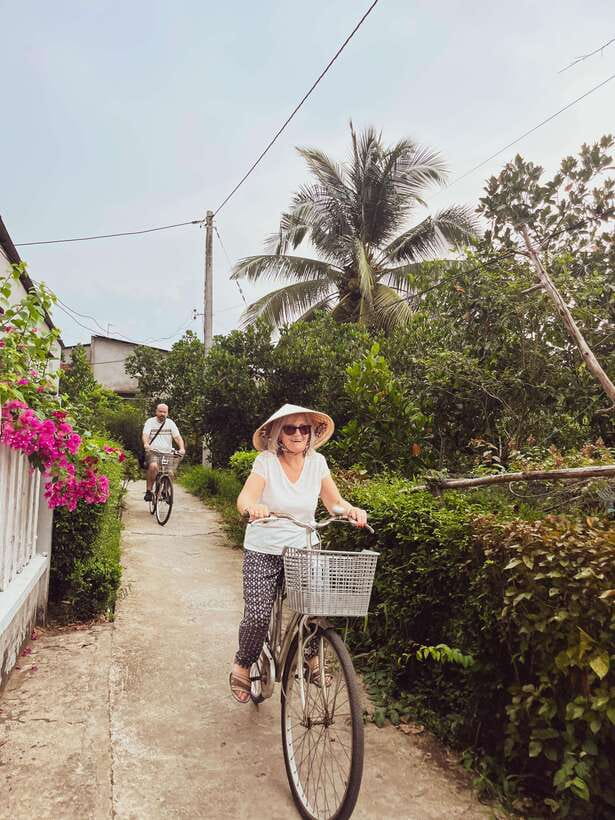
After lunch, you cycle on village paths through orchards. You’ll meet islanders and learn more about local daily life in the Mekong Delta.
Cycling is a clever choice here. Walking can be too slow for a day this long, and cars can make everything blur. On a bike, you can move with enough control to notice details—fruit trees, garden boundaries, small roadside activities, and how people keep busy at a human scale.
As with other moving parts of the day, stamina matters. This isn’t described as a gentle stroll. You’re using a bicycle, so you should be comfortable riding before you sign up.
Ba Kiệt’s ancient house and the boat ride back to Cai Be
Later, you’ll visit Ba Kiệt’s ancient house. This stop is less about a checklist photo and more about seeing the architecture again, now with a named location and added context from the guide.
Then you take a boat ride back to Cai Be. That transition is useful: it ties the day together by ending with water visuals before the bus home.
Finally, you meet your bus and head back to Ho Chi Minh City, finishing the full loop of land-meal-water-land.
The top strengths (and why they’re worth your time)
Based on how this tour is consistently described, the strongest parts are the ones that create connection, not just content.
1) Guide quality and clear communication
When guides like Peter, Min, or Jonathan explain what you’re seeing, it changes the experience from scenery to understanding. You get better answers for the questions you didn’t know you had.
2) Food that’s practical, not staged
The cooking class is the centerpiece, and the coconut candy/crispy rice popcorn stop supports it. Together, they give you a full sensory story: taste, process, and local routine.
3) Real variety in one day
You get ancient homes, folk music, canal time, island nature, cycling, and a named heritage house. It’s not all boats or all markets. The mix keeps attention from dropping.
4) Small group size
With a maximum of 25 participants, the day feels more manageable. That matters on a trip where you’re sharing boats and spending time in villages.
Who should book this Cai Be Mekong Delta day (and who should skip it)
This tour is a great match if you:
- Want hands-on Vietnamese cooking, not just a meal.
- Like mixing food, culture, and movement in one day.
- Enjoy village atmosphere more than big-ticket monuments.
Think twice if you:
- Have heart problems or mobility limitations. The tour is not suitable for those cases.
- Need wheelchair access. This isn’t set up for wheelchair users.
- Dislike long full-day itineraries with bus time and outdoor walking.
If you’re coming from District 1 and want a structured way to reach Cai Be without figuring everything out yourself, this fits especially well. Just be ready for an active schedule.
Should you book this tour?
I’d book it if you want a Mekong Delta day that’s built around eating, learning, and seeing how life works. The $36 price point is strong for a full 13-hour plan with a guide, lunch, a bicycle, entrance fees, and water time.
You might skip it if you’re sensitive to long days or you need a low-mobility experience. Otherwise, it’s one of those tours that feels like it gives you more than one “kind” of memory: you’ll come home with skills from the kitchen, tastes from craft stops, and a quieter water view from the canals.
FAQ
How long is the Cai Be Mekong Delta cooking, cycling, and craft villages tour?
The duration is 13 hours. Starting times vary, so you’ll need to check availability.
What’s included in the price?
Pickup and drop-off at selected District 1 hotels, an English-speaking guide, mineral water (1 bottle), shared boat rides, entrance fees, Vietnamese lunch at a local restaurant, and use of a bicycle. The tour also includes skip-the-ticket-line.
Where does pickup happen in Ho Chi Minh City?
Pickup is available for hotels on selected streets within District 1, excluding Đa Kao Ward and Tan Dinh Ward. If your hotel isn’t in the pickup area, you’ll meet at 112 Tran Hung Dao Street, Pham Ngu Lao Ward at 07:30 AM.
What should I bring?
Bring comfortable shoes and sunglasses.
Is the tour suitable for wheelchair users or people with heart problems?
No. It is not available for people with mobility impairments, wheelchair users, or those with heart problems.
How big is the group?
It’s a small group tour with a maximum of 25 participants per group.
Are drinks included?
No. Drinks are not included (mineral water is provided).
If you want, tell me your hotel area in District 1 (or nearby), and I’ll help you figure out whether you’ll get the included pickup or need to use the meeting point.