REVIEW · PHUKET
Authentic Thai Cooking Class by Suuko Wellness Spa
Book on Viator →Operated by I Asia Thailand · Bookable on Viator
Cooking Thai food in Phuket is a fun skill upgrade.
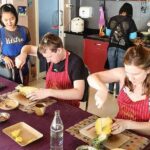
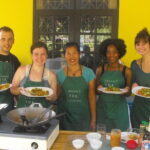
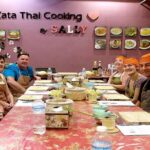
At Suuko Wellness Phuket Hotel, you’ll learn classic dishes in an open kitchen with hands-on time and a certified chef, going from ingredients to finished plates in about 3 hours. The menu is flexible for dietary needs, and you’ll usually cook three or four dishes from scratch.
One thing to note: the class depends on meeting a minimum number of guests. If it doesn’t, it can be canceled close to start time, so I’d line up backup plans.
In This Review
- Key highlights at a glance
- Suuko Wellness Phuket: where this cooking class actually happens
- What you’ll cook: classic Thai dishes, adapted to you
- A quick reality check on stations
- The 3-hour flow: what a typical session feels like
- 1) Arrival and gear check: apron and chef’s hat
- 2) Open-kitchen orientation: learn the plan before you start cooking
- 3) Your first dish: curry technique with chilies and herbal leaves
- 4) Coconut milk from the fruit: where “wow” usually happens
- 5) The rest of your 3–4 dishes: hands-on variety
- 6) Tasting and finishing: bring home a real reference point
- 7) Certificate moment: Thai Culinary Arts
- Price and value in Phuket: what $56.93 buys you
- Small group size: why max 9 travelers is the sweet spot
- Who this class fits best (and who should skip it)
- The biggest logistical consideration: getting there and staying flexible
- What to do before you go: simple prep that helps
- My bottom line: should you book this Thai cooking class?
- FAQ
- How long is the Thai cooking class?
- Where do I meet for the class?
- Is hotel transfer included?
- What dishes will I make?
- Does the class support dietary requirements?
- What’s included in the price?
- What if the class is canceled?
Key highlights at a glance
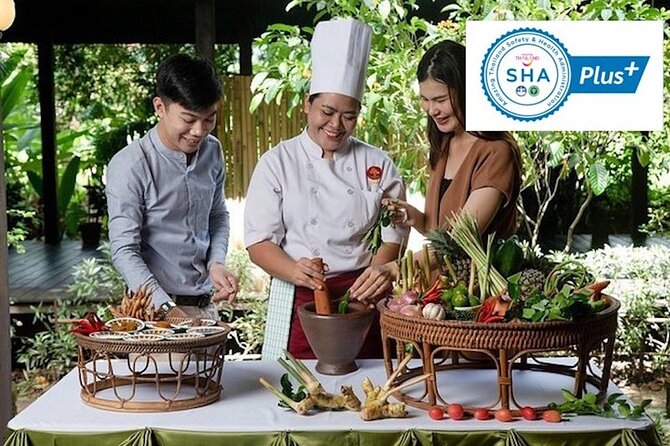
- Open-kitchen setup: You cook where you can see what’s happening and ask quick questions while you work.
- 3–4 dishes, not just one: You leave with a broader feel for Thai cooking styles and flavors.
- Small group limits: Max 9 travelers, so your chef attention is more realistic than a factory-style class.
- Dietary-friendly menu: You can adapt the menu to your preferences and dietary needs.
- Thai Culinary Arts certificate: You get a printed certificate as a souvenir of what you learned.
- Budget-friendly price for Phuket: At $56.93, you’re paying for chef instruction plus ingredients and gear like an apron and chef’s hat.
Suuko Wellness Phuket: where this cooking class actually happens
This experience is based right at the Suuko Wellness Phuket Hotel area, with the cooking class taking place at the resort’s own Thai cooking setup. The meeting point is listed as Suuko Wellness & Spa Resort at 5 วิชิต 10, Tambon Chalong, Amphoe Mueang Phuket, Chang Wat Phuket 83000.
Why that matters: when a class is inside a resort, you usually get an easy, familiar check-in flow and a focused space for cooking. It’s also useful if you’re already staying somewhere in Phuket and don’t want to spend your morning hunting down a far-off location.
Also worth planning around: there are no hotel transfers included. If you’re staying outside Chalong, you’ll want to rely on your own transport or local options. And since it’s listed as near public transportation, it’s not a total headache—but you should still budget time for getting there.
You can also read our reviews of more tours and experiences in Phuket.


What you’ll cook: classic Thai dishes, adapted to you
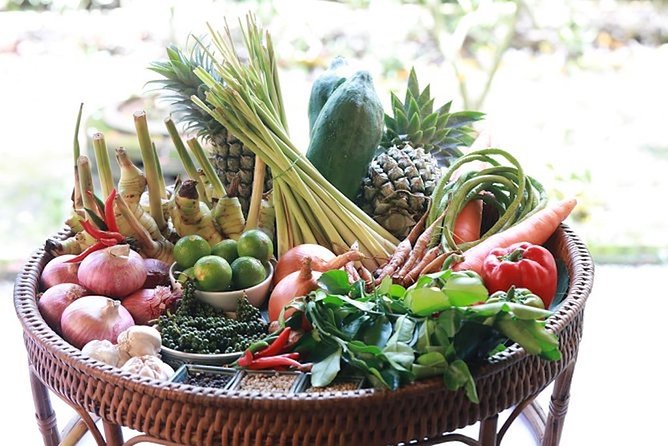
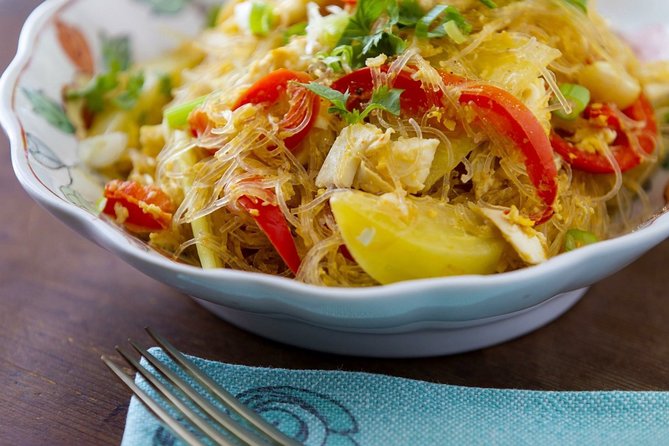
The core promise is simple: you’ll learn to cook Thai food like a local by making three or four traditional dishes from scratch. The chef guides you through the process in an open kitchen, and the menu can be adapted for dietary needs and preferences.
From the course description, two skill areas are specifically called out:
- Making Thai curries using chilies and herbal leaves
- Learning coconut milk straight from the fruit
That’s a big deal for home cooks. Coconut milk often feels mysterious on TV, where it’s already in a can. In class, you can learn the real workflow and why Thai cooking often starts with flavor-building steps, not just tossing ingredients into a pot.
And the “three to four dishes” part is practical for your learning curve. One dish teaches technique. Multiple dishes help you compare methods—how paste or base flavors work, how different dishes balance heat and aromatics, and how texture changes once you’re cooking for real.
A quick reality check on stations
The class listing notes that 2 guests may share 1 station. That’s not necessarily a problem, but it does affect your expectations. If you’re the type who likes doing every step yourself, you may need to communicate early with your chef or group partner so you both get hands-on time.
The 3-hour flow: what a typical session feels like
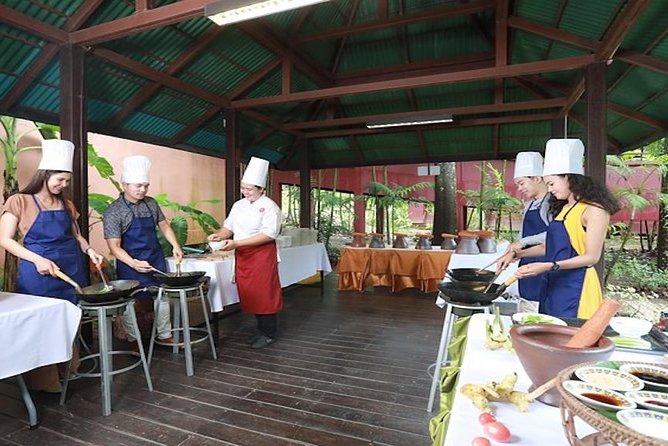
Even though the class runs daily from 10:00am–15:00pm, each session is listed at about 3 hours. Here’s the kind of rhythm you can expect, based on how these classes are structured and what’s specifically mentioned.
1) Arrival and gear check: apron and chef’s hat
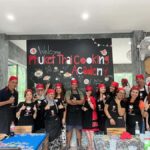
You’ll be provided with an apron and chef’s hat, plus drinking water. These small items help you jump in quickly. You won’t be scrambling for basic kitchen basics, and you can focus on learning instead of fussing.
Practical tip: dress for cooking. You’re working in a food environment where you might get splatters or steam on clothing. Comfortable shoes are a good idea too, since you’ll likely stand and move around while cooking.
2) Open-kitchen orientation: learn the plan before you start cooking
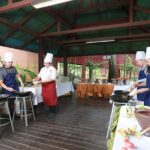
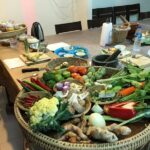
Because it’s an open kitchen, you’re not stuck behind a barrier. The chef’s process is visible, and questions are easier to ask as you go. That matters because Thai cooking relies on timing and sensory checks—when something smells right, when flavors balance, and when to adjust heat or texture.
This is also when the menu adaptation is likely handled. If you have dietary needs, this is the moment where you’ll want clarity: what’s changing, what you’ll still learn, and how your final dishes will come out.
3) Your first dish: curry technique with chilies and herbal leaves
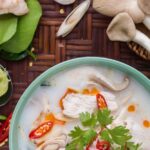
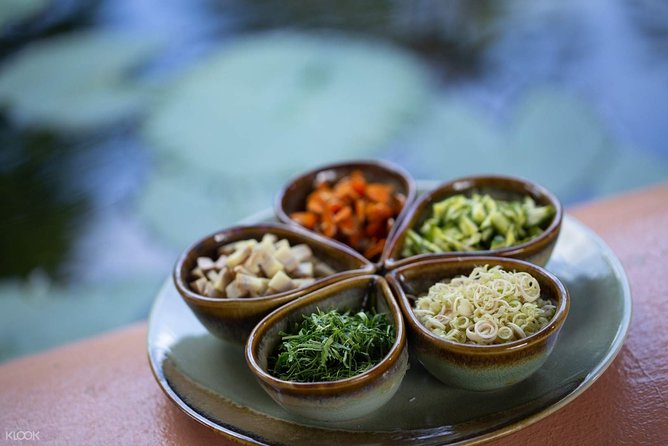
One dish is likely to center on curry technique, since Thai curries using chilies and herbal leaves are specifically mentioned. Expect to work through steps that build a curry base, then bring it toward a finished plate.
Why curry is a good first anchor: it teaches you the Thai idea of flavor layers—aromatics first, then the sauce or base, then the final cooking step. Even if you don’t replicate the exact same dish later, the method sticks.
4) Coconut milk from the fruit: where “wow” usually happens
The course highlights that you’ll learn coconut milk straight from the fruit. That’s the kind of learning moment you’ll remember—because it’s tactile and different from store-bought paste or canned ingredients.
This part is valuable for more than the novelty. Coconut milk affects richness, body, and how flavors carry in the dish. If you understand how it’s made and what changes as it’s prepared, you’ll cook more confidently later, even when you’re buying ingredients yourself.
5) The rest of your 3–4 dishes: hands-on variety
After curry and coconut milk, your remaining dishes fill out the menu. The exact mix isn’t listed, but you can count on classic Thai cooking steps and a chance to practice in a real kitchen environment.
This is where small-group size helps. With a max of 9 travelers, it’s easier for the chef to check what you’re doing and correct technique before a whole dish goes off track.
6) Tasting and finishing: bring home a real reference point
While the data doesn’t spell out a formal tasting segment, cooking classes like this typically end with you eating what you made. Even if your portions vary by dish, you’ll get immediate feedback: what works, what needs adjustment, and how the flavors are supposed to feel.
If you want to maximize the value, taste with a notebook mindset. Note what you felt was spicy, aromatic, or balanced. Later, when you cook Thai food at home, those notes will guide you far more than a recipe card ever will.
7) Certificate moment: Thai Culinary Arts
You’ll receive a Thai Culinary Arts certificate. It’s not just paper for the wall—though it can be a nice souvenir. It’s also a sign that the class is treated like a structured lesson, with a defined training focus rather than a casual demo.
Price and value in Phuket: what $56.93 buys you
At $56.93 per person, this class sits in a reasonable midrange for Phuket cooking experiences. Here’s what you get for the money, and why it matters for value:
- 3 or 4 dishes instead of one dish demo
- Chef-led, open-kitchen instruction (you learn while you cook, not only watch)
- Kitchen gear: apron and chef’s hat
- Drinking water included
- A certificate you can keep
The only major “missing” item is transportation. Hotel transfers are not included, so your real total cost depends on how you get there and back. If you already have a plan for getting around Phuket, this price feels easier to justify. If not, add in the cost of your transportation and time buffer.
Also consider timing: the class is often booked about 5 days in advance on average. If you’re traveling at a busy time, you’ll want to reserve early so you’re not stuck with an inconvenient session.
Small group size: why max 9 travelers is the sweet spot
The listing says a maximum of 9 travelers. It’s also described as a small-group class, and you’ll likely feel that in how the chef can move around.
In a class this size, you’re more likely to get:
- direct technique feedback
- quick answers to ingredient/process questions
- fewer long waits for chopping stations
One practical note: with the listing saying 2 guests sharing 1 station, the chef may distribute work so you both contribute. If you hate sharing, plan for it. If you’re traveling with a friend, you’ll probably find it adds conversation instead of frustration.
Who this class fits best (and who should skip it)
This is a good match if you:
- genuinely like cooking and want hands-on practice
- want a Phuket activity that’s tied to real local food skills
- prefer learning in an open kitchen environment, where you can ask questions
- want a flexible menu that can adapt to dietary needs and preferences
You might want to skip or rethink if:
- you don’t have easy transport to Suuko Wellness Phuket Hotel
- you’re expecting hotel pick-up
- you’d be unhappy if your session gets canceled due to low bookings
There’s also a “expectation match” point. Some cooking classes feel like recipes you can copy at home. This one is more about learning technique and key ingredients—curry approach and coconut milk from the fruit are both emphasized.
The biggest logistical consideration: getting there and staying flexible
The overall experience is straightforward: meet at Suuko Wellness & Spa Resort, cook in the Thai kitchen area, and finish back where you started. The listing says the activity ends back at the meeting point.
That’s easy for directions. The catch is you’re responsible for getting there and back because hotel transfers are not included. If you’re staying far from the Chalong area, plan extra time so you don’t feel rushed at check-in.
Also, the class has a minimum number of travelers. On the plus side, that typically keeps the class quality intact. On the downside, if you’re booking last minute, you need to stay ready for changes. One published cancellation story in the feedback record mentions a trip canceled close to the start time due to lack of bookings, followed by a 100% refund and help rearranging dates. That’s not something you want to gamble on if you have a tight Phuket schedule.
What to do before you go: simple prep that helps
You’ll get an apron and chef’s hat, but you can still make the day smoother with a few small choices.
- Eat something light beforehand so you’re not cooking on an empty stomach.
- Wear clothes you don’t mind getting splattered.
- Bring a small container or tote for leftovers if the class allows it, since you might want to take a bit of the day with you. (You’ll need to follow whatever the chef’s guidance is.)
And if you have dietary needs, treat that as a planning step, not an afterthought. The menu is described as adaptable, but you’ll get better results if you flag your needs early during booking or at the start of the class when the chef is setting the menu.
My bottom line: should you book this Thai cooking class?
If you want a Thai cooking class in Phuket that feels practical and teacher-led, this one makes sense. The value is strongest when you want three to four dishes, not a quick demo. The open kitchen setup also makes it easier to learn by asking questions while you cook.
I’d book if you:
- can get to Suuko Wellness Phuket Hotel without needing transfers
- like learning key Thai fundamentals, especially curry technique and coconut milk from the fruit
- want a small group capped at 9 travelers for better attention
I’d pause and compare if you:
- need hotel pick-up
- are on a strict schedule with no flexibility for a possible cancellation if minimum numbers aren’t met
For most food lovers in Phuket, this is the kind of activity that pays off later. Even if you can’t reproduce every dish perfectly, you’ll walk away with a clearer sense of process—how Thai flavor-building starts and how coconut milk changes a dish in the real world.
FAQ
How long is the Thai cooking class?
The experience runs for about 3 hours.
Where do I meet for the class?
The meeting point is Suuko Wellness & Spa Resort, 5 วิชิต 10, Tambon Chalong, Amphoe Mueang Phuket, Chang Wat Phuket 83000, Thailand.
Is hotel transfer included?
No. Hotel transfers are not included.
What dishes will I make?
You’ll make three or four traditional Thai dishes from scratch. The menu can be adapted for dietary needs and preferences.
Does the class support dietary requirements?
Yes. The menu is adapted to your preferences and dietary needs.
What’s included in the price?
Included items are the cooking class (3 or 4 dishes), drinking water, an apron and chef’s hat, and a Thai Culinary Arts certificate.
What if the class is canceled?
If the minimum number of travelers isn’t met and it’s canceled, you’ll be offered a different date or a full refund. You can also cancel for a full refund if you cancel at least 24 hours before the start time.