REVIEW · PHUKET
Thai Cooking Class by Kata Thai Cooking School in Phuket
Book on Viator →Operated by Oh-Hoo · Bookable on Viator
Cooking Thai food in Phuket feels like magic. I signed up for Kata Thai Cooking School in Kata, where learning is hands-on with Sally and Jim and you leave with a recipe booklet, not just a full stomach.
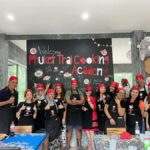
Two things I really liked: the step-by-step coaching in a small group limited to 12, and the way you actually cook (and taste) what you make. My only consideration is that the experience depends on good weather, so plan for possible date changes.
You can choose a morning or afternoon start, and either way the class is built around a Thai food mindset: ingredients, technique, and why the dishes matter in Thai culture.
In This Review
- Key things worth knowing before you go
- Kata Beach arrival: lemongrass tea and a clean, welcoming kitchen
- Meet Sally and Jim: what the small-group format changes
- Morning schedule (10:30am start): ingredients, demonstrations, and lunch you cook
- Afternoon schedule (3:30pm start): fresh market walking and tasting before cooking
- The dishes and technique you’ll learn (tom yum, green curry, mango sticky rice)
- Phuket logistics: pickup, timing, and where Kata fits with your beach day
- Price and value at $83.78 per person: why this is more than a meal
- Who this class is best for on your Phuket trip
- Should you book Kata Thai Cooking School?
- FAQ
- How long is the Thai Cooking Class?
- Where does the class take place?
- Does the class include pickup?
- Is the class limited to a small group?
- Can I choose a morning or afternoon time?
- What dishes will I learn to make?
- Is the class weather dependent?
Key things worth knowing before you go
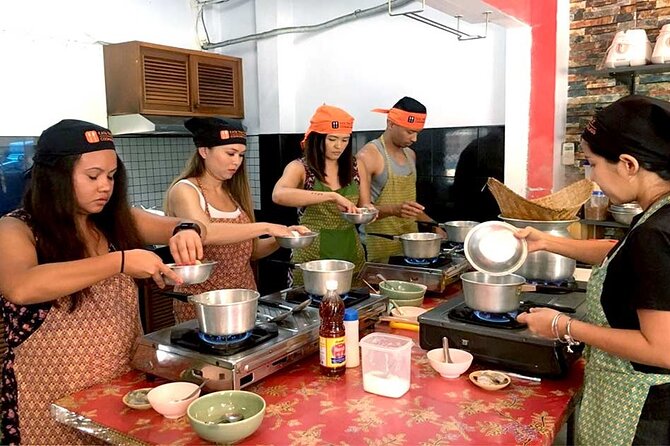
- Small group, real instruction: limited to a maximum of 12 so you’re not stuck watching from the sidelines.
- Sally and Jim run the show: they teach with clear explanations and a friendly, entertaining vibe.
- Two course options: morning focuses on ingredient choices and cooking, afternoon includes a fresh local market walk.
- You take home tools: you get a booklet of the recipes for the day and an apron to use during class.
- Lunch is included because you cook it: you’ll enjoy the meal you make, not a pre-plated buffet.
- Dishes aren’t random: you learn classic flavor combinations like tom yum soup, mango sticky rice, and Thai green curry.
Kata Beach arrival: lemongrass tea and a clean, welcoming kitchen
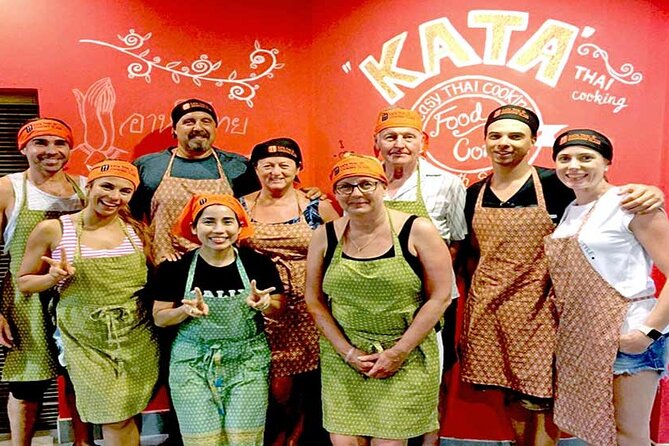
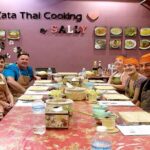
Your class begins in Kata, on Phuket’s west coast, near Karon and Patong. If you’re picturing a Thai cooking class as something chaotic, this one feels more like a well-run kitchen lesson. The space is presented as clean and comfortable, and the tone is friendly from the first minute.
When you arrive, you start with a relaxing drink: lemongrass tea. It’s a small thing, but it sets you up for what’s coming. You’re there to learn by doing, and that first calm moment helps you focus before the chopping and stove time.
You’ll also get introduced to the day’s flow—how the lessons work, how long you’ll be in the kitchen, and how you’ll go from ingredient choices to finished dishes. Expect a setup that’s part classroom and part kitchen, with Sally and Jim guiding you through each step.
You can also read our reviews of more tours and experiences in Phuket.

Meet Sally and Jim: what the small-group format changes
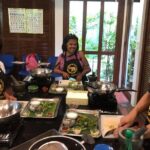
The biggest quality jump in this class is the group size. With a maximum of 12 people, you get attention while you cook, not just after you ask a question. For me, that matters because Thai cooking is technique-driven: timing, how you handle ingredients, and knowing how flavors build.
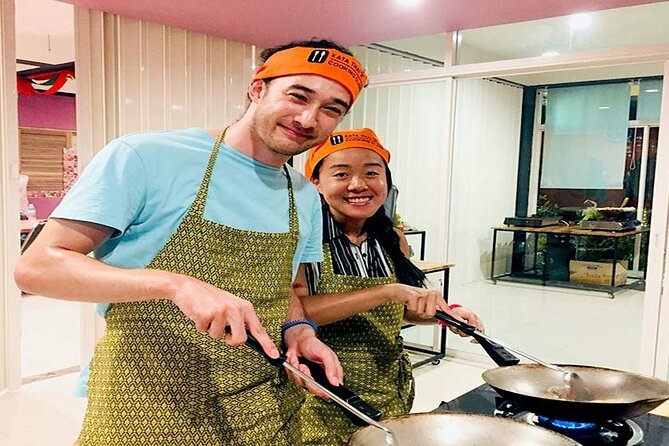
Sally and Jim explain things in a step-by-step way and demonstrate the dishes you’ll make. That pacing is especially helpful if you’ve never cooked Thai food before. You’re not expected to already know what “right” looks like. The class is built to get you there by the time lunch is on the table.
One more thing I appreciated is the human factor. The instructors aren’t just educators; the class has an entertaining, warm feel. That keeps the energy up, especially once you’re doing multiple dishes in one session.
Morning schedule (10:30am start): ingredients, demonstrations, and lunch you cook
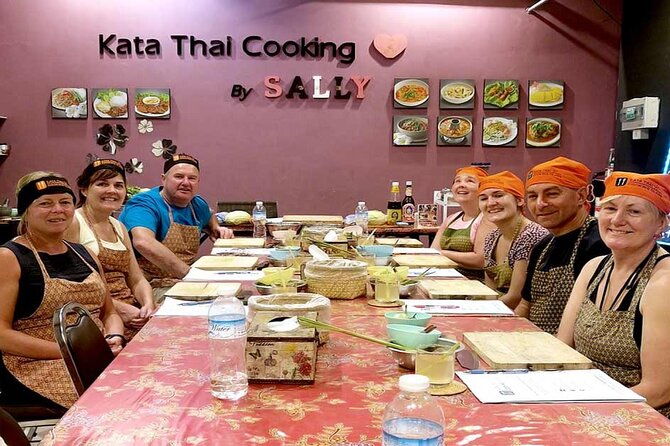
If you pick the morning slot, you’ll arrive at the cooking school at about 10:30am. After the lemongrass tea and quick introductions, instruction starts around 10:45am with Sally and Jim.
Morning class is structured around a classic teaching sequence:
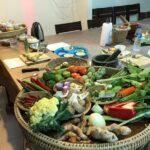
- basic ingredient choosing
- a cooking demonstration
- then your turn: actual cooking
- finally, taste what you made as your lunch
By around 1:00pm, it’s lunchtime. This is not a passive meal. You’re eating the dishes you cooked, which is the point of the class. You can taste differences in flavor decisions you made earlier, like how fresh herbs are used, or how a dish’s balance comes together.
If you like the idea of finishing your activity earlier and still having the rest of the day free for beach time, the morning start is the cleaner fit.
Afternoon schedule (3:30pm start): fresh market walking and tasting before cooking
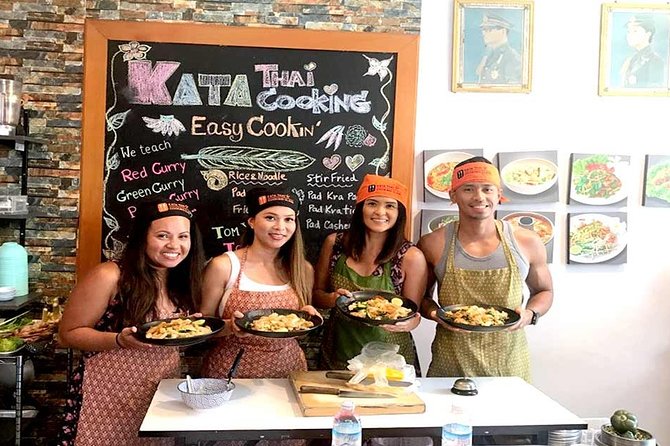
The afternoon option is built differently, and that’s worth choosing on purpose. You arrive at about 3:30pm, and learning begins around 4:30pm.
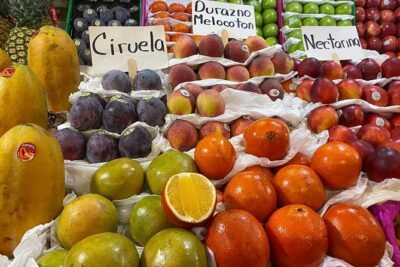
Instead of starting purely with ingredient prep, the afternoon class includes a walk through the Fresh Local Market. You’ll taste fresh fruit or food during that time. That market portion changes how you cook later, because you’re seeing ingredients in a more real-life context. Even if you already know Thai dishes from ordering them, the market walk gives you a better handle on how ingredients look and smell before they hit the kitchen.
Then you shift into the same teaching flow: demonstrations from Sally and Jim, step-by-step explanation, and hands-on cooking. You’ll sit down to lunch you made around 7:00pm, and return to your hotel around 7:30pm.
Choose the afternoon slot if you enjoy wandering markets and you like the idea of building anticipation—taste first, cook next.
The dishes and technique you’ll learn (tom yum, green curry, mango sticky rice)
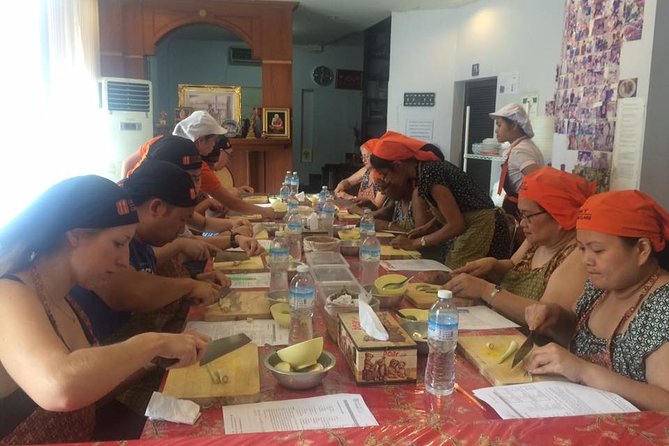
The class is centered on classic Thai flavor combinations. You’ll learn to prepare dishes like:
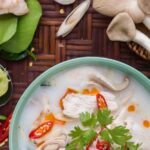
- tom yum soup
- mango sticky rice
- Thai green curry
You’ll also be making multiple dishes during the session. The format is very practical: Sally and Jim explain what you’re doing, you cook it, and you taste it.
Here’s what’s valuable about learning these particular dishes. They’re recognizable, but they also teach you different cooking skills:
- Tom yum builds on sour, salty, and aromatic balance.
- Green curry teaches the relationship between curry paste and cooking method.
- Mango sticky rice shows how Thai desserts get their character from technique and ingredient timing.
The key is that you’re not just collecting recipes. You’re getting a feel for how the flavors work together so you can recreate similar results when you’re home.
You also receive a booklet with the recipes for the day. If you’re the type who forgets details after the trip, this is a big deal. It’s the practical souvenir that turns what you learned into something you can actually use.
Phuket logistics: pickup, timing, and where Kata fits with your beach day
This class offers pickup, and it uses a mobile ticket. That sounds minor, but it can save time and stress in Phuket. If you’re balancing beach days, scooter rentals, or multiple stops, a pickup-and-dropoff plan makes the cooking class feel like a clean block of time.
Location-wise, the school is in Kata, next to Karon and Patong on the west coast. That puts you in the part of Phuket where beach hopping is easy, so it’s not awkward to pair the class with a day out.
Timing is fairly straightforward:
- Morning: arrive 10:30am, cook and eat, return about 1:30pm.
- Afternoon: arrive 3:30pm, cook and eat, return about 7:30pm.
Plan around that. If you hate late dinners, choose morning. If you don’t mind a later meal, afternoon gives you market time.
One more practical note: the class is weather dependent. If conditions aren’t good, you should expect the operator to adjust with a different date or a refund, depending on what they offer when that happens.
Price and value at $83.78 per person: why this is more than a meal
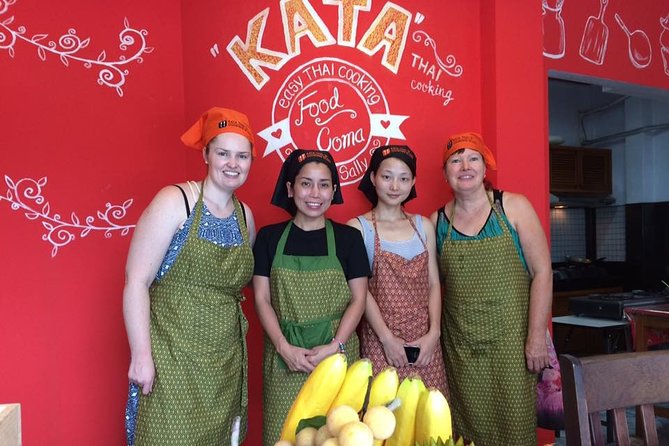
The price is $83.78 per person, for about 3–4 hours of instruction, plus pickup (offered), plus lunch you cook. On paper, it can look like “one more activity” in Phuket. In practice, the value comes from what you walk away with:
1) Skills you can repeat
You’re not only tasting Thai food; you’re learning how to build it.
2) A small classroom setup
With a group size capped at 12, you get more individual guidance than you’d get in big group tours.
3) Materials that make the class stick
A recipe booklet and apron are included, which helps you re-create dishes later.
If you’re a foodie who wants to eat well but also learn, the price starts to make sense fast. If you’re mainly looking for a quick meal and you won’t cook again at home, it may feel like a bigger spend than you expected.
I think it’s strongest for people who like hands-on experiences and want to bring something home that isn’t just photos.
Who this class is best for on your Phuket trip
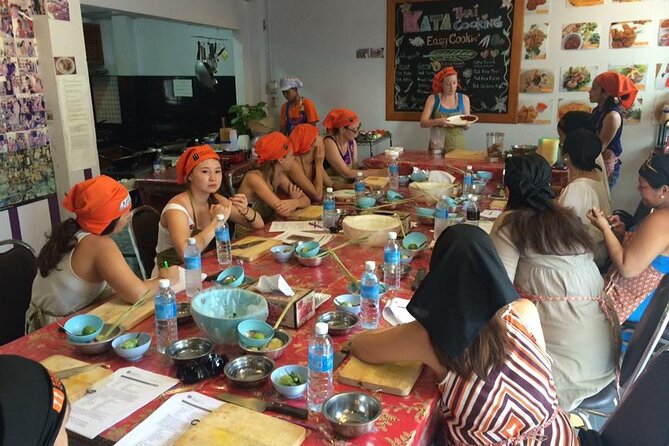
This class fits best if you fall into one of these groups:
- You want a hands-on activity that feels like learning, not just entertainment.
- You’re new to Thai cooking and want step-by-step guidance from Sally and Jim.
- You love Thai food enough that you want to understand the flavor logic behind dishes like tom yum and green curry.
- You like small group experiences where you can ask questions while you work.
It’s also a decent family option. There’s a child ticket age range listed for ages 4–8 years, and the class atmosphere is friendly and geared toward different age groups.
If you’re traveling solo, remember there’s a minimum of 2 people required to run the class. That doesn’t mean it won’t run, but it’s worth keeping in mind when you’re booking tight dates.
Should you book Kata Thai Cooking School?
I’d book it if you want more than a Thai meal in Phuket. You’re getting a structured cooking lesson, a small-group experience, and you cook classics like tom yum, green curry, and mango sticky rice from scratch. The market option in the afternoon adds a nice layer of context, especially if you like choosing ingredients and tasting fresh flavors before you cook.
Skip it only if you’re time-crunched and want the absolute shortest activity, or if you know you’ll never cook Thai food again. This class is built for learning, and the value comes when you actually use what you learn after the trip.
If you can, choose the morning slot for an earlier finish, or the afternoon slot if you want market time plus a later dinner.
FAQ
How long is the Thai Cooking Class?
It runs for about 3–4 hours.
Where does the class take place?
The class is in Kata, next to Karon and Patong on Phuket’s west coast. The meeting point is Thai Cooking School Phuket (Kata Thai Cooking Class), 1 Patak Rd, Tambon Karon, Amphoe Mueang Phuket, Chang Wat Phuket 83100, Thailand.
Does the class include pickup?
Pickup is offered, and the experience ends back at the meeting point.
Is the class limited to a small group?
Yes. It’s capped at a maximum of 12 travelers.
Can I choose a morning or afternoon time?
Yes. There are morning and afternoon start options (morning arrival around 10:30am, afternoon arrival around 3:30pm).
What dishes will I learn to make?
You’ll learn classic Thai dishes including tom yum soup, mango sticky rice, and Thai green curry.
Is the class weather dependent?
Yes. It requires good weather. If it’s canceled due to poor weather, you’ll be offered a different date or a full refund.