REVIEW · SIENA
Siena: Small-group Cooking Class in a Chianti Farm
Book on GetYourGuide →Operated by Siena Emotions · Bookable on GetYourGuide
Few things beat cooking in Chianti. I love the hands-on teaching from Italian chef Simone, and I also love the Chianti hills view you get while eating what you made. The main catch to plan for: transportation is not included, so you’ll need to get yourself to the farmhouse.
This is a 3.5-hour, chef-led experience designed around real Tuscan food and a relaxed rhythm. You get the language support too, with instruction available in Italian, English, and Spanish.
By the end, you’ll have made a proper Tuscan meal: pasta (plus bruschetta or crostini), then tiramisu, with Chianti as your tablemate.
In This Review
- Key Highlights at a Glance
- Step Into a Real Chianti Farm Meal (Not a Demo)
- Finding the Farmhouse: Where You Start Matters
- Your Instructor: Italian Chef Simone (and Why That Matters)
- What You Actually Cook: Tuscan Pasta Plus Bruschetta or Crostini
- The Pasta Portion
- The Bruschetta/Crostini Portion
- A Chef-Friendly Pace: Cooking, Tasting, Then Eating Immediately
- Wine at the Table: Included, and Possibly More Than You Expect
- Dessert Time: Traditional Tiramisu with Your Meal
- Included vs Not Included: Know What You’re Paying For
- What You’ll Likely Love Most (Based on Real Feedback)
- The chef as a teacher
- The food quality
- The setting
- The relaxed vibe
- Who Should Book This Cooking Class?
- Quick Practical Tips Before You Go
- Should You Book This Siena: Small-Group Cooking Class in a Chianti Farm?
- FAQ
- FAQ
- How long is the cooking class?
- How much does the Siena: Small-group Cooking Class cost?
- What’s included in the cooking class?
- Is wine included?
- What food will we make?
- What is the meeting point?
- Is transportation provided to and from the farmhouse?
- What languages are offered for the instructor?
- Is the activity wheelchair accessible?
- Can I cancel and get a full refund?
- Is there an option to pay later?
Key Highlights at a Glance
- Chef Simone’s practical, cook-with-me instruction for traditional Tuscan dishes
- Chianti hills views while your lunch comes together
- Fresh ingredients provided for everything you cook
- Pasta plus bruschetta/crostini skills you can repeat at home
- Tiramisu and wine included, turning a class into a meal
- Free parking at the farmhouse, which makes arrival easier than you’d expect
Step Into a Real Chianti Farm Meal (Not a Demo)
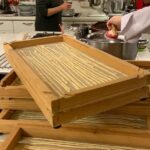
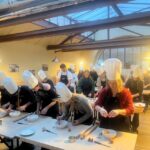
A cooking class in Tuscany can either feel like a performance or like actual work you get credit for. This one lands closer to the second option—in a good way. You’re not just watching food happen. You’re making it, tasting it, and eating it right there.
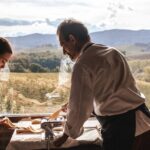
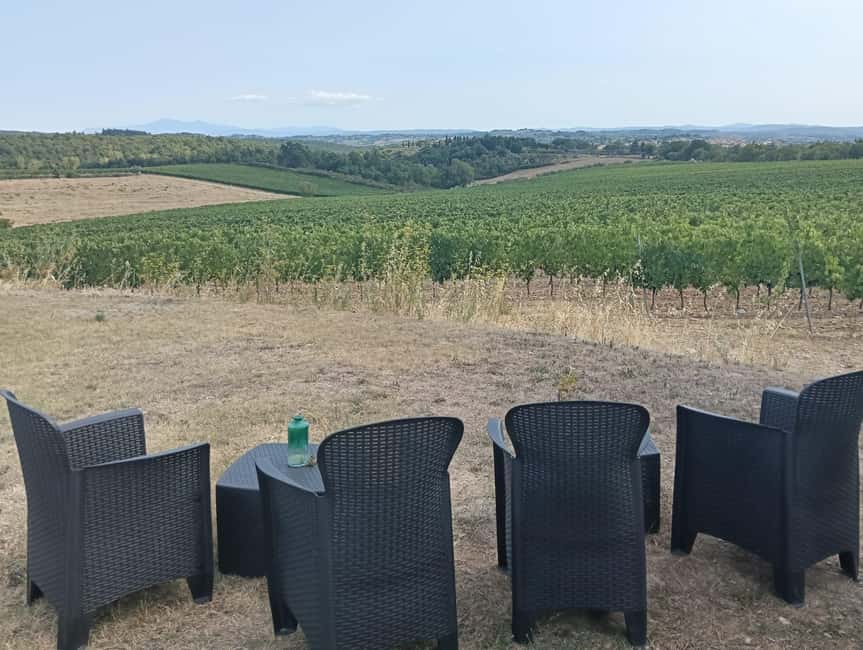
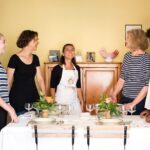
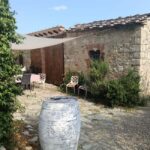
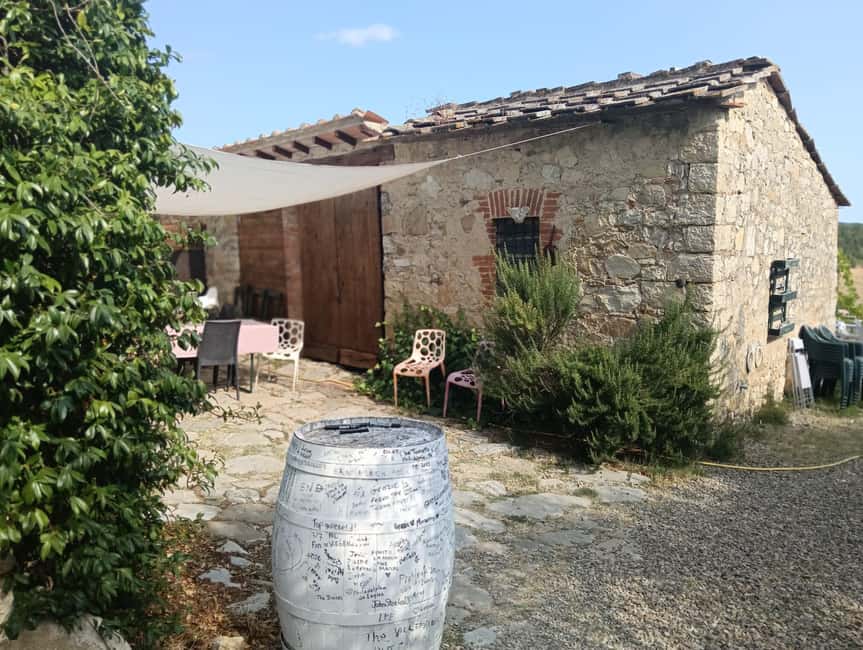
The setting matters. You’ll be at a traditional farmhouse in the Chianti area, with that classic rolling-hill scenery in the background. It turns a 3.5-hour activity into something more like a slice of daily life.
And the tone is friendly. One thing that comes through strongly is the combination of clear instruction with a bit of humor, so even if you’re nervous about cooking pasta, you won’t feel lost.
You can also read our reviews of more tours and experiences in Siena.
Finding the Farmhouse: Where You Start Matters
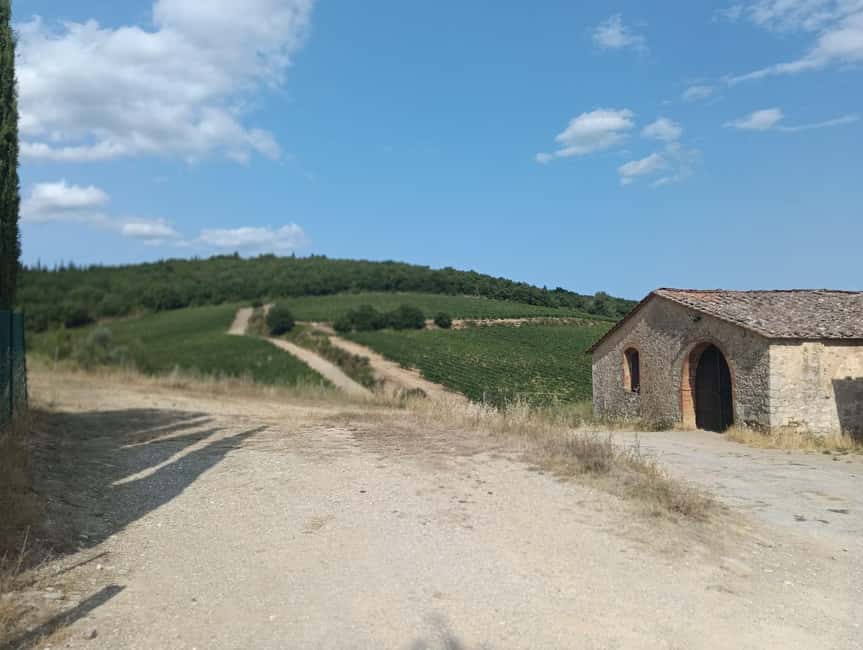
Your only real early mission is getting to the meeting point. Once you reach the farmhouse, the chef is waiting for you at the entrance. No complicated scavenger hunt, no “we’ll email you later,” just show up and start.
There’s also free parking on-site. That’s a big deal in the countryside, where limited lots and narrow roads can turn a simple plan into a headache. If you’re driving, this class is set up to be easy to reach.
One practical consideration: pick-up and drop-off aren’t included. If you don’t have a car, you’ll want to think ahead about how you’ll get there and back on your schedule.
Your Instructor: Italian Chef Simone (and Why That Matters)
You’ll be cooking with a professional Italian chef, and the name Simone shows up in feedback as the key reason people loved the class. That doesn’t happen because he sounds nice—it happens because the instruction is functional. The teaching style is hands-on, which is exactly what you want if your goal is to be able to cook these dishes at home.
The chef also works across languages. You can expect instruction in Italian, English, and Spanish. That matters because good food teaching isn’t just about recipes—it’s about timing, texture, and knowing what the dough, sauce, or topping should look like when it’s right.
From the tone people describe, you’ll likely feel like the class is relaxed rather than rigid. That’s important for a group setting. Cooking is sensory—smell, touch, small adjustments—and a calm pace helps you learn instead of panic.
What You Actually Cook: Tuscan Pasta Plus Bruschetta or Crostini
This class is built around classic Tuscan cooking, not trendy shortcuts. You improve your cooking skills through two core categories: traditional pasta and several types of bruschetta or crostini.
The Pasta Portion
You’ll learn the traditional Italian pasta as part of the session. Even if you’ve cooked pasta before, the value here is learning the Tuscan approach—how the process fits together, and how to aim for the right result by watching and adjusting rather than guessing.
This is where I think the class is strongest for long-term value. You leave with more than a meal. You leave with muscle memory: how long things take, what the dough should feel like, and what the finished dish should resemble.
The Bruschetta/Crostini Portion
Alongside pasta, you’ll make various bruschetta or crostini using fresh, original ingredients. That focus is practical. Crostini and bruschetta are the kind of dishes where technique matters: the bread needs the right handling, the topping needs balance, and the timing has to work so it doesn’t turn soggy.
If you like Italian appetizers—or if you’ve ever tried to recreate one and wondered why it never tastes as good as in Italy—this is the part that usually clicks.
A Chef-Friendly Pace: Cooking, Tasting, Then Eating Immediately
A big part of why cooking classes feel worthwhile (or not) is what happens after the first panic of mixing ingredients. In this case, your lunch is based on what you cook, and you eat in the astonishing atmosphere of the Chianti hills view.
That matters for two reasons:
First, you taste as you learn. If something needs tweaking—salt level, texture, or balance—you can feel it while it’s still relevant. Second, it reinforces the whole lesson. When you eat what you made, you understand the logic behind it.
This is also where the experience becomes more than a class. Feedback highlights that the session feels relaxing, and that the view adds a real sense of place. You’re not just in a kitchen. You’re in Tuscany.
Wine at the Table: Included, and Possibly More Than You Expect
Wine is included, along with water. One review specifically points to an unlimited feel to the wine during the class. While I can’t promise exactly how that’s managed for every group, the point is clear: wine is part of the experience, not a token pour.
If you’re a light drinker, you can still enjoy the meal and keep control. But if you like your Chianti with food, this is the kind of setting where it pairs naturally with fresh Tuscan cooking and the slow outdoor-meal vibe.
Just keep common sense in mind. You’ll be cooking too, and then you’ll want to enjoy the lunch without rushing your taste buds or your brain.
Dessert Time: Traditional Tiramisu with Your Meal
No Tuscan meal in a cooking class setting feels complete without dessert. Here, you’ll finish with traditional tiramisu, which is included as part of the session.
Tiramisu is a great learning end point because it’s recognizable, but it still has real technique. Even if you only remember the final texture, you’ll know what to aim for next time: the balance of sweetness, the creaminess, and the way it should set.
This is also a nice psychological landing. After pasta and crostini, tiramisu gives you that satisfying finish that makes the whole experience feel like a full plan instead of a half-day snack workshop.
Included vs Not Included: Know What You’re Paying For
At around $100 per person for 3.5 hours, this isn’t the cheapest activity in Tuscany. But it’s also not overpriced for what you get. You’re paying for:
- A professional Italian chef (instruction, not just supervision)
- Fresh ingredients for what you cook
- A lunch made from your own cooking
- Wine and water
- Free parking
That combination is the real value. In practice, you’re covering an entire food experience—lesson, ingredients, meal, and drinks—without needing to budget separately for lunch and wine.
What’s not included is transportation (pick up and drop off). That’s the one budgeting item you may have to solve yourself depending on where you’re staying.
What You’ll Likely Love Most (Based on Real Feedback)
People consistently highlight a few strong wins.
The chef as a teacher
Simone’s instruction style comes up repeatedly: clear guidance, fun energy, and a focus on authentic Italian cooking.
The food quality
The food is described as delicious, but the deeper point is that it’s tied directly to your work. When you cook it yourself, you understand why it tastes right.
The setting
The Chianti hills view is a major part of the memory. Even if you’ve seen Tuscany photos before, eating there changes the feeling. It’s harder to get that same effect in a city kitchen.
The relaxed vibe
Some classes feel tense or overly structured. This one is described as relaxing, with time passing quickly in a good way.
There’s one small caution worth taking seriously: one feedback point is that people would have liked to see some steps in full before doing them, like dressing ravioli or making bruschetta. If you’re the type who learns best from pure observation first, bring a notebook. Take quick notes as you go so you can recreate the key moments later.
Who Should Book This Cooking Class?
This is a great choice if you want a practical souvenir. Not a photo souvenir. A skill souvenir.
I’d especially recommend it if you:
- Want to learn traditional Tuscan pasta basics with a real chef
- Enjoy eating what you cook, not just leaving with recipes
- Prefer a relaxed countryside activity over a rushed city tour
- Like the idea of combining lunch, wine, and a view into one plan
- Want instruction available in Italian, English, or Spanish
It may be less ideal if you:
- Need transportation handled for you
- Expect a lot of written handouts or a separate step-by-step demo without getting your hands involved
- Have limited interest in cooking and prefer purely passive sightseeing (because you will be cooking)
Quick Practical Tips Before You Go
The class includes water, wine, and the ingredients, so your main prep is personal.
- Wear comfortable clothes and shoes you don’t mind getting a little kitchen-touched.
- Bring your appetite. You’ll be making lunch and then eating it.
- If you care about remembering techniques, take short notes during the key moments.
This class rewards attention. If you pay attention to texture and timing, you’ll get more value out of the lesson than just the final dishes.
Should You Book This Siena: Small-Group Cooking Class in a Chianti Farm?
I think you should book this if your idea of Tuscany includes food you can actually cook, in a real farm setting, with a professional chef guiding the process. For many people, this is the kind of day you’ll remember because you took something useful home: cooking technique and the confidence to try again.
Skip it only if transportation is a dealbreaker for you or if you’re looking for a mostly passive experience with detailed written materials. If you’re flexible about logistics and you’re excited to cook, this is strong value for a 3.5-hour meal-and-lesson package in the Chianti hills.
FAQ
FAQ
How long is the cooking class?
The experience lasts 3.5 hours.
How much does the Siena: Small-group Cooking Class cost?
The price is $100 per person.
What’s included in the cooking class?
It includes the cooking lesson, an Italian chef, fresh ingredients, lunch based on what you cook, wine, water, and free parking.
Is wine included?
Yes. Wine is included, along with water.
What food will we make?
You’ll learn traditional Italian pasta and make bruschetta or crostini with fresh ingredients. You’ll also have traditional tiramisu at the end.
What is the meeting point?
When you reach the farmhouse, the chef will be waiting for you at the entrance.
Is transportation provided to and from the farmhouse?
No. Transportation (pick up and drop off) is not included.
What languages are offered for the instructor?
The instructor speaks Italian, English, and Spanish.
Is the activity wheelchair accessible?
Yes, the experience is wheelchair accessible.
Can I cancel and get a full refund?
Yes. You can cancel up to 24 hours in advance for a full refund.
Is there an option to pay later?
Yes. Reserve now & pay later is available, so you can book without paying today.
You Might Also Enjoy
 Rome: Lasagna, Fettuccine Pasta and Tiramisu Cooking Class
 Chiang Mai: Cooking Class, Market and Thai Herbs Garden Tour
 San Sebastian: Authentic Basque Cooking Class
 Xiao Long Bao, Chicken vermicelli with mushroom and sesame oil, Tofu strips salad, Bubble milk tea. Taiwan Traditional Delicacies Experience-A (Taipei Cooking Class)