REVIEW · SIENA
Tuscan Culinary Secrets Unveiled: Cooking Class & Dinner
Book on GetYourGuide →Operated by MONTECHIARO - Organic Winery · Bookable on GetYourGuide
Pasta lessons, right where Tuscan life happens. I really like the hands-on fresh pasta training (you’ll work on tagliatelle and ravioli), and I also love that your cooking ends with a dinner plus organic wine pairing. One thing to keep in mind: the wine part is included, but the depth of explanation can vary by moment, so if you want a very structured wine lesson, plan to ask questions early.
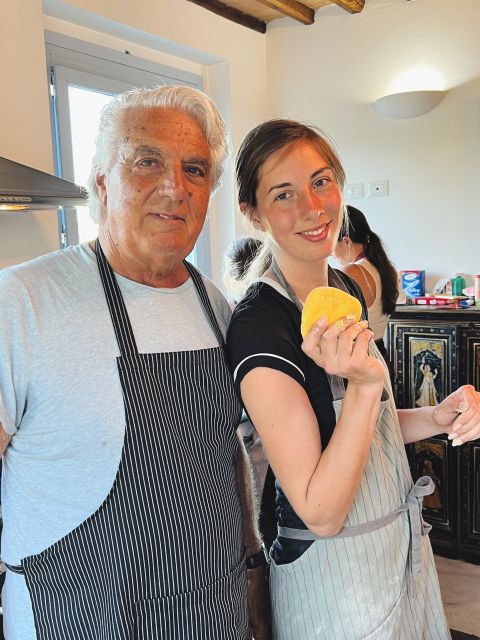
This is hosted in the kitchen at Monte Chiaro Estate, with Melissa and Loris guiding you, and the vibe is small and friendly. You’ll meet at a parking lot, get picked up from there, and spend about 4 hours on an agriturismo-style evening that’s built around tasting what you make. If you’re expecting a kid-friendly outing, note it’s not suitable for children under 8.
In This Review
- Quick hits: what makes this Tuscan meal-teaching experience click
- Monte Chiaro Estate: the setting that makes cooking feel local
- Inside the pasta class with Melissa and Loris
- From dough to dinner: sauces, meat marinades, and how to taste as you go
- Dessert at the end: cantucci, tiramisu, or panna cotta
- Wine pairing with your own food: what you should look for
- What you’re really paying for: value at $158.60 per person
- Group size and the feel of the night
- Practical tips so you get the most from the class
- Who this Tuscan culinary experience fits best
- Should you book Tuscan Culinary Secrets Unveiled?
- FAQ
- How long is the cooking class and dinner?
- Where do I meet the group?
- What languages are offered?
- Is this a small-group experience?
- What food will I learn to make?
- Is dinner included?
- Does the experience include wine?
- Is it suitable for children?
Quick hits: what makes this Tuscan meal-teaching experience click
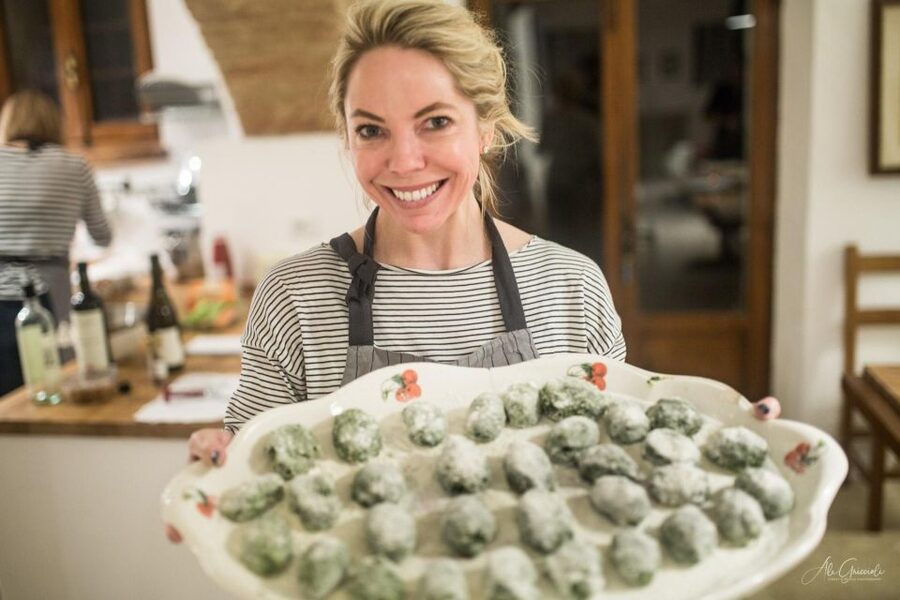
- Two handmade pasta styles: tagliatelle and ravioli, made from scratch.
- Farm-to-table ingredients: organic items from the estate kitchen and garden.
- Dessert finale from classic recipes: cantucci, tiramisu, or panna cotta-style options.
- Organic wine with your meal: dine with award-winning organic wines.
- Small-group feel: limited group size, so you’re not cooking in a crowd.
- Arrive-and-start-fresh pacing: it’s designed to feel unhurried and practical, not rushed.
Monte Chiaro Estate: the setting that makes cooking feel local
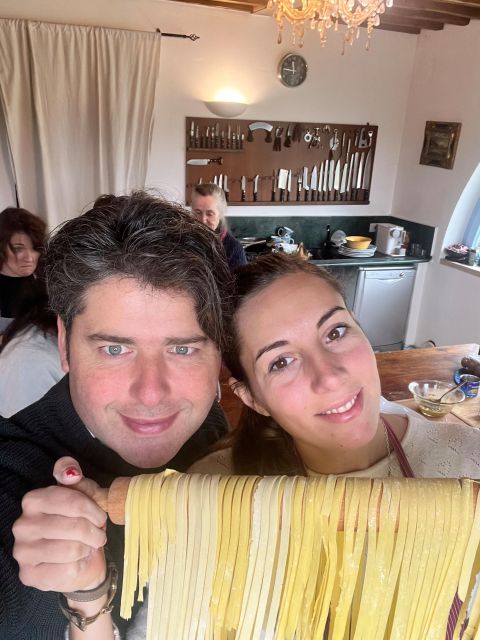
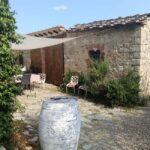
You’re not going to a generic studio kitchen. Monte Chiaro is an organic winery/agriturismo setting surrounded by vineyards and olive trees, and that matters because it frames everything: ingredients, pacing, and the way the hosts talk about what Tuscany tastes like.
When you arrive, you park at the meeting point. Then someone picks you up and brings you into the experience space. If you can, come a bit early. It’s not just about being punctual. It gives you time to settle in and start the class with your head in the right place.
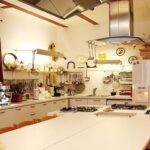
Another small plus: the kitchen is described as newly inaugurated. That usually means the setup is straightforward, with tools and workflow made for hands-on cooking rather than a museum-style demo.
You can also read our reviews of more tours and experiences in Siena.
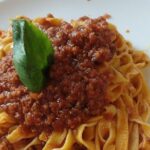
Inside the pasta class with Melissa and Loris
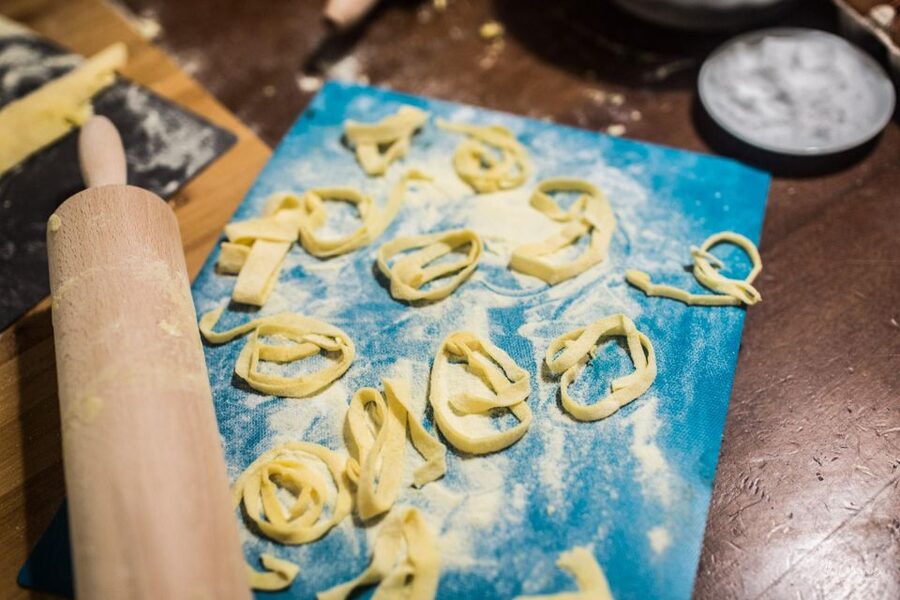
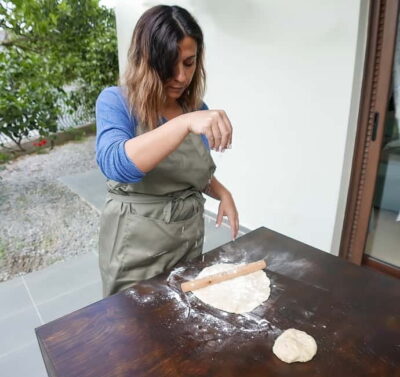
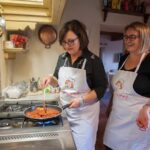
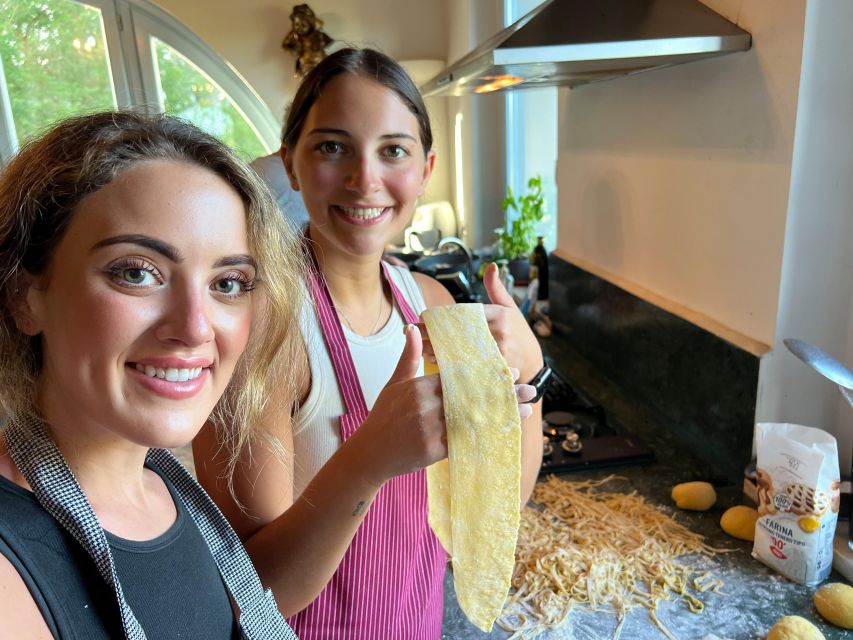
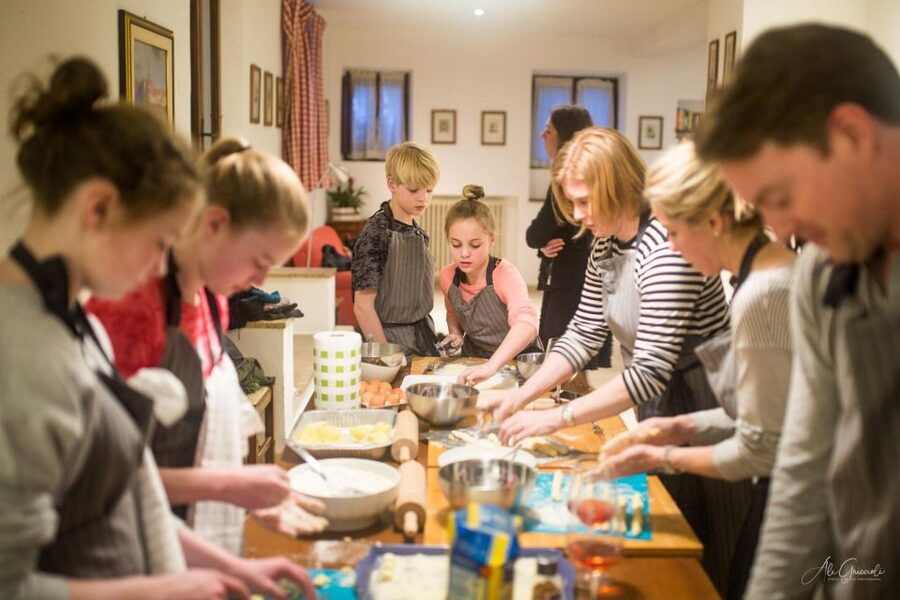
The cooking portion is where you’ll get real value. You’re not just watching. You’re learning how to make two types of handmade pasta, with support from Melissa, Loris, and the chef team.
The pasta targets are classic Tuscan favorites:
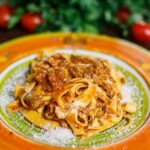
- Tagliatelle: a fresh ribbon pasta that’s meant to catch sauce.
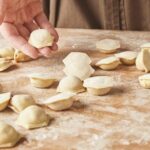
- Ravioli: filled pasta where technique and sealing matter.
In practical terms, you’ll work on dough handling and shaping, and you’ll learn how to think like a cook, not just a learner. That difference is huge if you’ve ever taken a class where you end up with a plate of food but no clue how to repeat it at home.
You’ll also practice sauce pairing. That’s important because pasta is only half the story. The other half is matching the sauce to the pasta texture and richness. Even if you don’t become an Italian-grandma instant expert, you’ll leave with better instincts about combinations.
From dough to dinner: sauces, meat marinades, and how to taste as you go
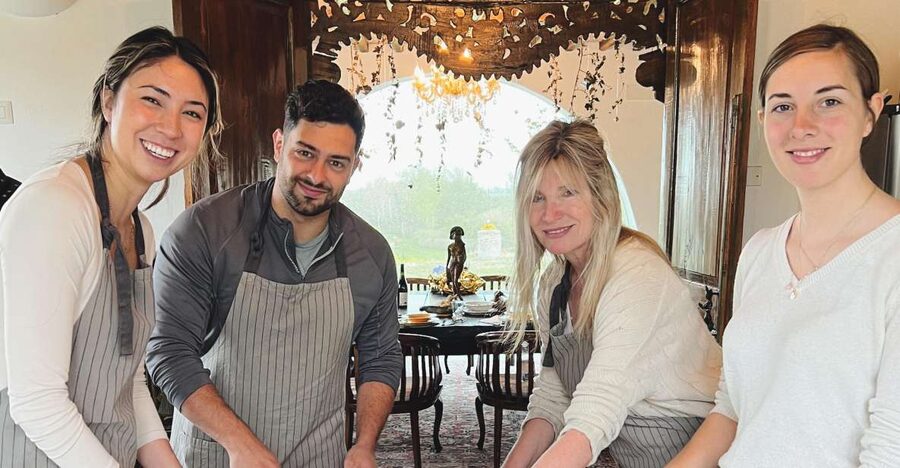
This class isn’t only about pasta shaping. The included session also points to meat marinades and building sauces you can actually connect to what ends up on the table.
Here’s the practical takeaway: when you’re cooking in a group, you learn by watching the corrections. You’ll likely be asked to adjust things as you go—thickness, timing, seasoning balance—so the dishes don’t just taste good once. They taste good because you understand what caused the result.
That said, here’s a fair consideration. The experience is marketed as a full hands-on cooking journey, but any single class can have moments that feel more pasta-focused than marinade-technical, depending on timing and the flow of the group. If meat sauces are your top priority, come with a couple of questions ready, like:
- What makes a Tuscan meat sauce different from other styles?
- How do you know when seasoning is right before simmering?
If you ask early, you’ll get more out of the time you’re given.
Dessert at the end: cantucci, tiramisu, or panna cotta
The lesson ends with dessert, and that’s a smart way to structure the evening. Sweet finale cooking keeps everyone engaged, and it rounds out what people actually remember about Tuscany: simple ingredients, classic methods, and recipes you can picture repeating.
The dessert options can include classics such as cantucci (often associated with almond cookies served alongside), tiramisu, or panna cotta. What you make depends on the class flow, but the point is that you’re following time-honored recipes rather than an invented theme dessert.
For you, that means the skills are transferable. You’ll walk away with a sense of what to do first, what textures to look for, and when to stop cooking or mixing. Dessert is where people usually relax a bit, too. The best part is that it feels like finishing a meal you built.
Wine pairing with your own food: what you should look for
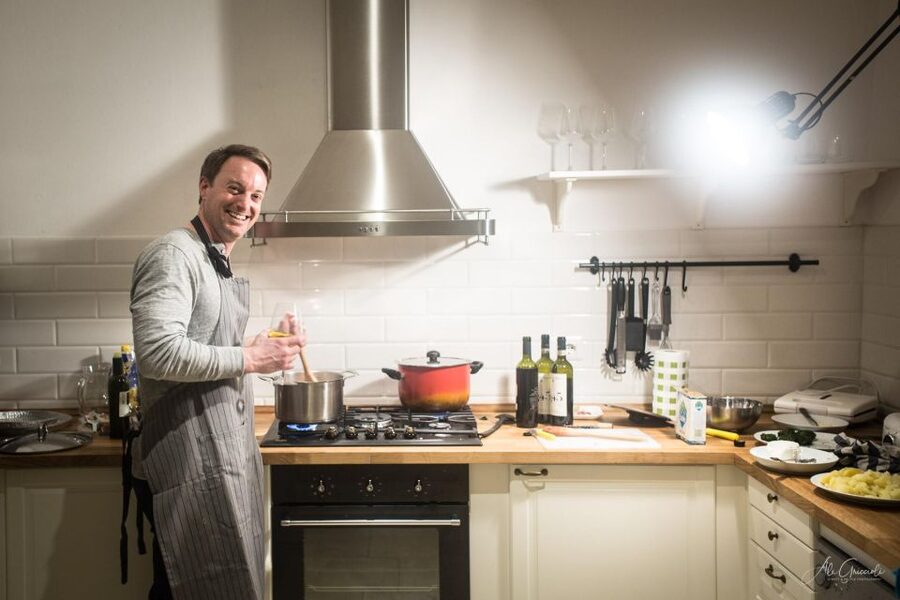
After cooking, you sit down to dinner with the dishes you prepared. And yes, there’s organic wine pairing with award-winning organic wines.
Wine pairing is often the difference between a fun dinner and a dinner that actually teaches you something. In a good pairing, you should notice how the wine changes the taste of the food—less about rules, more about balance. You might learn which wines fit richer pasta sauces, how acidity handles meat, and how sweetness and creaminess play with dessert flavors.
One practical heads-up: the wine part may not be a full lecture. It might come as guidance at the table. If you enjoy learning from conversation, that works well. If you want a strict, moment-by-moment breakdown of every sip, ask your host to slow down and explain what you’re tasting while you eat.
Either way, pairing your meal with estate-produced wine is the right match for the evening’s theme: farm-to-table, but with a local drink that understands the food.
What you’re really paying for: value at $158.60 per person
At $158.60 per person for about 4 hours, you’re paying for more than dinner. You’re paying for:
- A guided, hands-on cooking session
- Instruction on making fresh pasta (two styles)
- Organic ingredients tied to the estate and garden concept
- A full meal of what you cook
- Wine pairing to go with your plates
- A small-group environment that keeps attention on you
If you tried to recreate this on your own, you’d quickly run into the “time tax.” Pasta dough takes practice, filling ravioli takes patience, and getting the sauce balance right takes feedback. Add a guided wine pairing and a prepared dinner setup, and the price starts to feel more reasonable.
The small group format is also a value driver. When the class is limited, you’re more likely to get hands-on correction instead of just doing your best and hoping it turns out.
Group size and the feel of the night
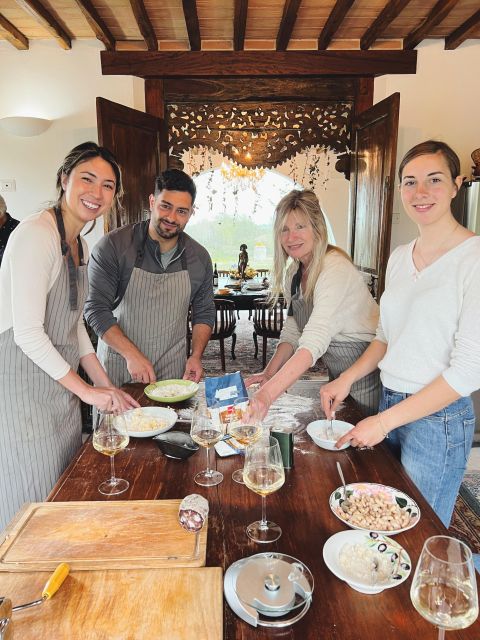
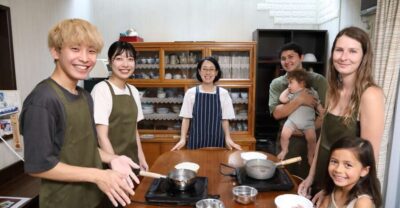
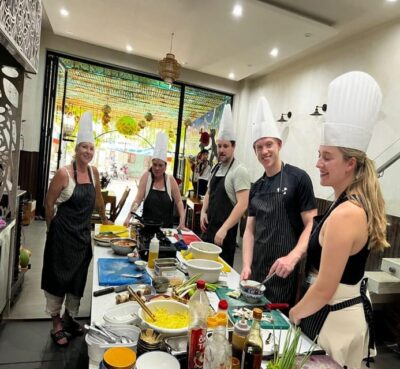
This is described as a small-group experience. Your experience may be capped around 12 people max, and it’s also listed as limited to 2 participants for some bookings. Either way, the goal is the same: you cook, you ask, and you don’t feel lost in a big crowd.
This style suits couples, friends, and solo travelers who want conversation. It’s also the kind of class where learning is more fun than stressful because you’re in an environment that’s built for teaching, not performance.
Age note matters: it’s not suitable for children under 8, which usually means the kitchen stays calmer and more focused for adults.
Practical tips so you get the most from the class
A cooking class goes smoother when you come prepared. Here’s what to do so you don’t waste time fighting the basics:
- Arrive with a little slack in your schedule. Arriving early helps you start fresh, not frazzled.
- Wear comfortable clothes. You’ll be working with dough and kitchen activity.
- Ask questions early. If there’s anything you care about most—pasta texture, sauce balance, or dessert timing—bring it up before the hands-on pace picks up.
- Watch how they correct others. Even if your plate looks similar, a small technique change can make it better.
If you enjoy slow learning in a warm setting, you’ll feel at home quickly. If you’re the type who wants constant structure and zero surprises, you’ll still probably enjoy it, but plan to communicate what you want to learn as you go.
Who this Tuscan culinary experience fits best
I’d point you toward this class if you:
- Want hands-on instruction rather than a sit-and-watch food tour
- Love Tuscany through food and wine, not just scenery
- Prefer small-group evenings with real hosts and direct coaching
- Want a meal that’s connected to the ingredients concept, not just served on a plate
It’s less ideal if you:
- Need a highly regimented, classroom-style wine seminar
- Only care about tasting and don’t want to cook
- Are traveling with kids under 8, since it’s not suitable for them
This is also a strong choice for travelers who want a “bring it home” skill. Pasta techniques and dessert methods are the kind of souvenirs you can actually use back in your own kitchen.
Should you book Tuscan Culinary Secrets Unveiled?
Yes, you should consider booking if you want a real cooking evening in a Tuscan estate setting, with handmade pasta and a dinner that follows directly from your work. The price feels most justified when you’re the type who enjoys learning technique, not just eating.
Before you go, do one smart thing: if wine pairing depth or specific components matter a lot to you, ask the team a couple of questions when you confirm your booking. That small step helps you match your expectations to how the evening runs.
If you want an authentic, small-group night where Tuscany shows up in dough, sauce, and wine, this one is worth a spot.
FAQ
How long is the cooking class and dinner?
The experience runs for 4 hours.
Where do I meet the group?
You’ll arrive to a parking lot, park your car, and the team will pick you up from the meeting point.
What languages are offered?
The host or greeter can speak English and Italian.
Is this a small-group experience?
Yes. It’s listed as a small group, limited to 2 participants, with an overall limit mentioned as 12 people max.
What food will I learn to make?
You’ll learn to make two types of handmade pasta, such as tagliatelle and ravioli, and you’ll also prepare a dessert (like cantucci, tiramisu, or panna cotta).
Is dinner included?
Yes. After the cooking session, you’ll be served the dinner featuring the dishes you prepared, with wine pairing.
Does the experience include wine?
Yes. Dinner is paired with award-winning organic wines.
Is it suitable for children?
No. It’s not suitable for children under 8.