REVIEW · KYOTO
Kyoto Home Cooking Class &Supermarket tour near Fushimiinari
Book on GetYourGuide →Operated by iroHa cooking studio · Bookable on GetYourGuide
A cooking class beats another souvenir hunt. You’ll learn real Japanese home cooking in a traditional Kyoto room with garden views, then finish with a local supermarket walk to find the ingredients you used. It feels less like a class and more like someone invited you over for lunch.
Here’s what I like most: you cook hands-on (about five dishes), and you also get the why behind the flavor—starting with dashi, the base for so much Japanese food. The second big win is the setting and flow: lunch happens in a traditional room, then you head out together so you don’t forget what to buy when you get home.
One possible drawback to plan for: there’s no hotel pick-up or drop-off, and the class requires you to show up ready for a more hands-on, floor-and-seiza-friendly style, including bringing socks.
In This Review
- Key highlights worth your attention
- A traditional Kyoto home near Fushimiinari (and why the room matters)
- Dashi: the flavor base you’ll actually use at home
- Hands-on cooking: about five dishes, with demos before you take over
- Lunch in the tatami-style room with garden views
- The supermarket tour near Fushimiinari: learning to shop like a cook
- Price and what’s included in the $127 value
- Group size, language, and comfort level you can expect
- Who should book this cooking class near Fushimiinari?
- Should you book it?
- FAQ
- How long is the Kyoto home cooking class and supermarket tour?
- How many people are in a group, and is it offered in English?
- What will I cook during the class?
- Is the class suitable for vegetarians or vegans?
- Is lunch included?
- What should I bring?
- Is it suitable for children or wheelchair users?
Key highlights worth your attention
- Dashi first: you learn the flavor foundation behind many Japanese dishes.
- Small group size: limited to 6 people, taught in English.
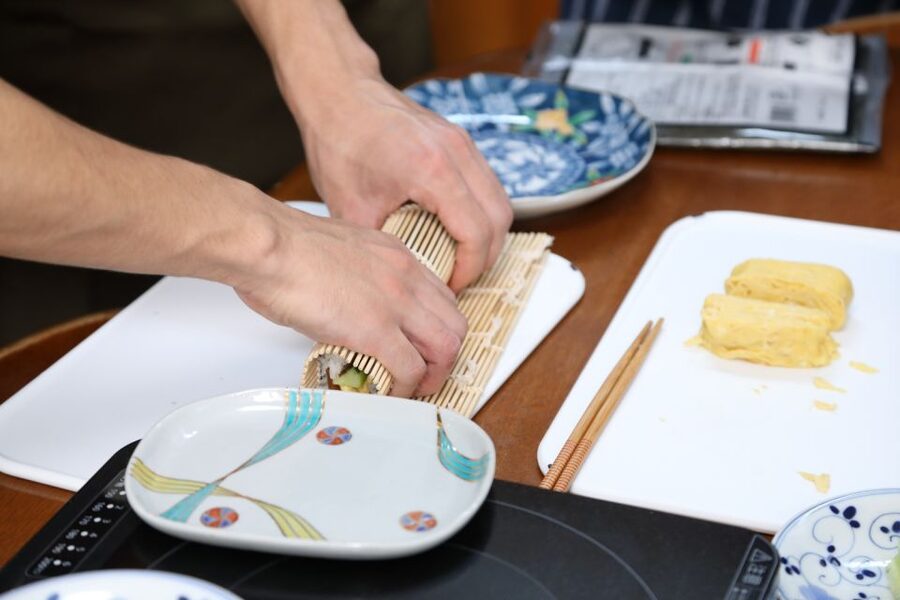
- Hands-on cooking: you prepare about five dishes with demos followed by doing it yourself.
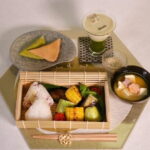
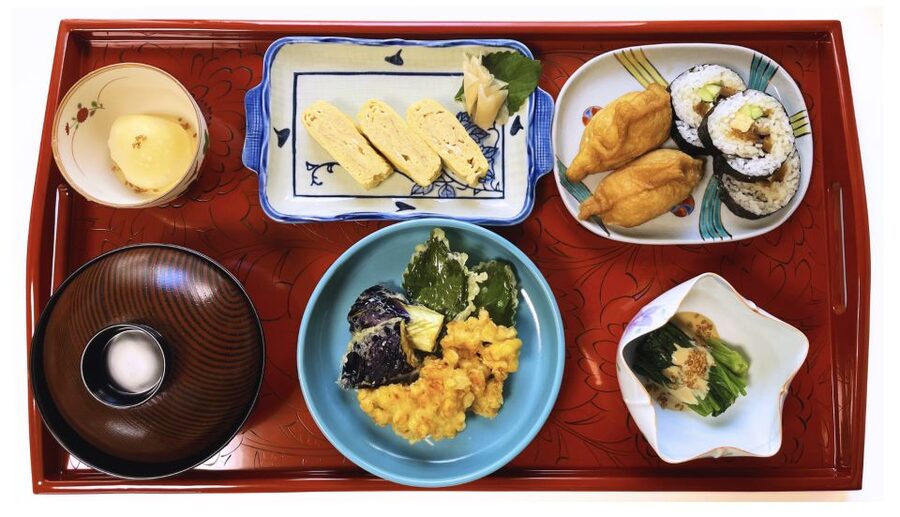
- Lunch in a garden-view room: a real traditional Japanese meal, not just snack-sized tasting.
- Supermarket ingredient hunt: you see exactly what to buy for the dishes you made.
- Vegetarian-friendly dashi: dashi used for vegetarian guests, so vegans and vegetarians can join.
A traditional Kyoto home near Fushimiinari (and why the room matters)
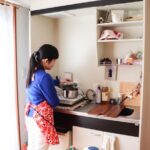
This experience takes place in a Japanese home setup through iroHa cooking studio, and that matters more than you’d expect. When your cooking happens in a real home space—where the rhythm is calm and the layout is traditional—you naturally pay attention to the small steps: temperature, timing, cutting style, and how sauces are built.
The room you eat in has garden views, so lunch doesn’t feel like an afterthought. You’re not watching a demo and then standing around. You sit down, share the meal you made, and get a clear sense of what Japanese home cooking tastes like when it’s made for real people—not plated for a camera.
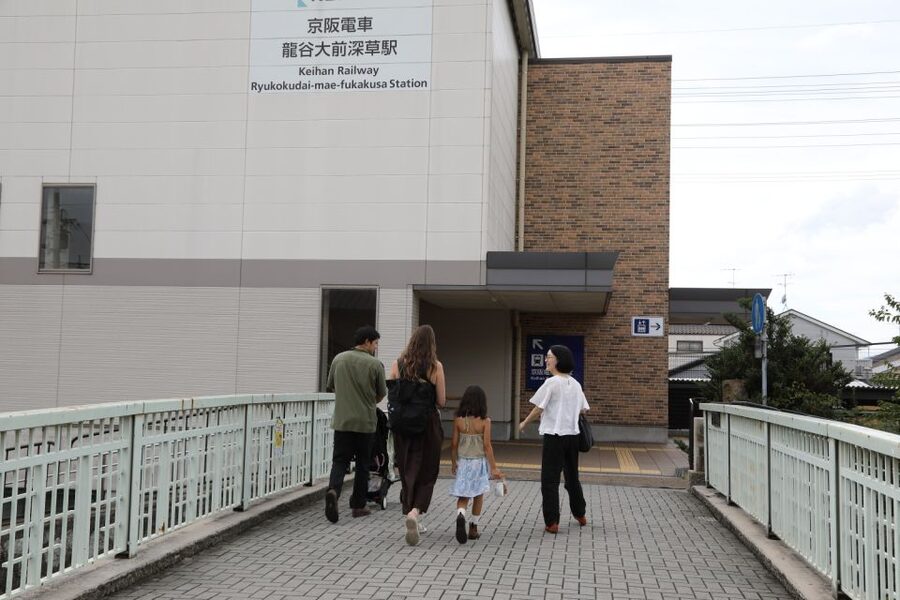
The “near Fushimiinari” location is also practical. You can pair it with shrine time if you like, but you don’t have to spend the day in transit. Just remember: this is not a bus-and-brochure experience. It’s more hands-on, more sensory, and a bit more like visiting friends than hopping on a tour.
You can also read our reviews of more tours and experiences in Kyoto.
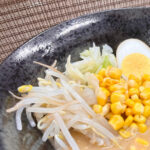
Dashi: the flavor base you’ll actually use at home
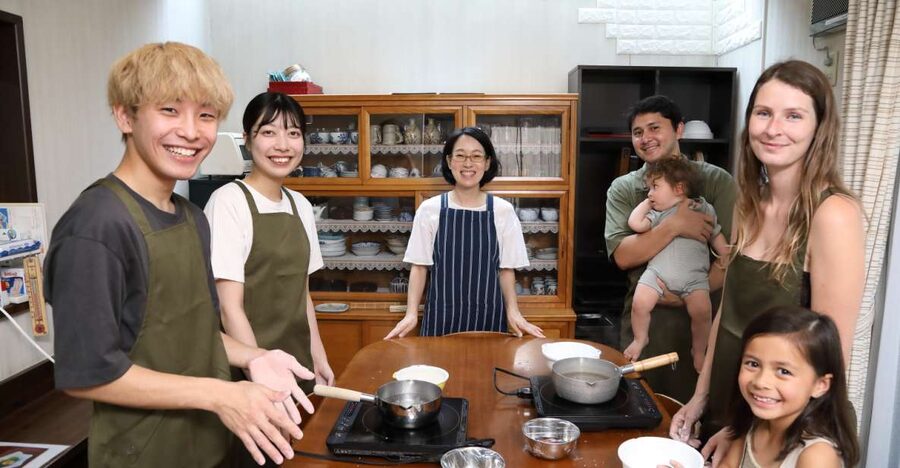
If you do only one thing in Japan-food education, learn dashi. This class starts there because dashi shows up constantly: soups, simmered dishes, noodle broth, sauces, and flavor “glue” that makes everything taste connected.
You’ll learn what dashi is used for and how it supports Japanese cuisine. Then, as you cook, you can taste the difference when dashi is treated as a foundation rather than a random ingredient.
One important note for dietary needs: the class uses vegetarian dashi so vegetarian and vegan guests can participate. That’s a big deal. Many cooking classes say they can accommodate restrictions, but the flavor base is usually the part that gets simplified. Here, they plan around dashi so you’re not stuck making a watered-down version.
Also, menus can change by season. That means you’ll get recipes that fit what’s available now, rather than the exact same handful of dishes that show up everywhere.
Hands-on cooking: about five dishes, with demos before you take over
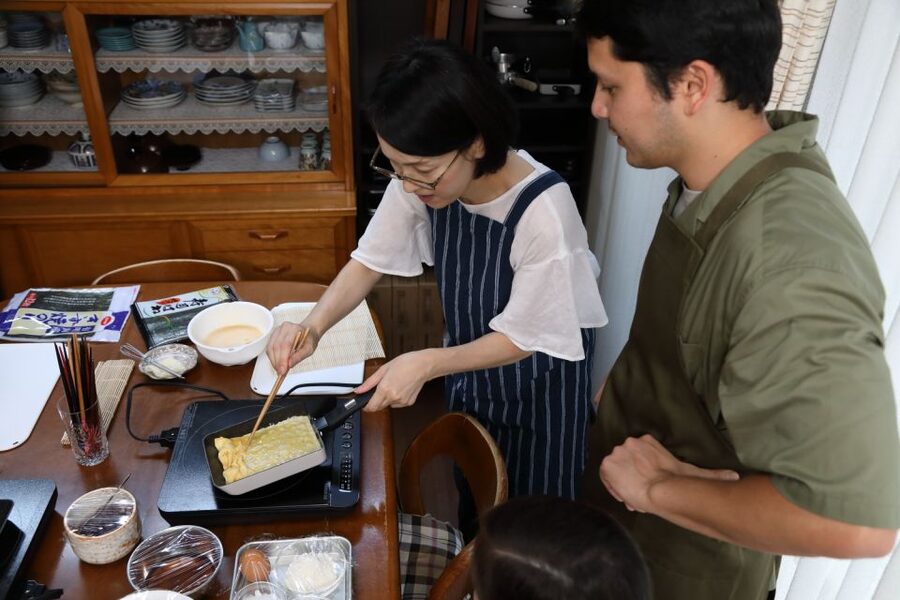
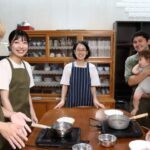
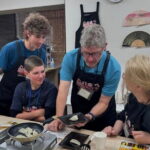
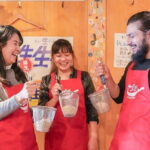
After the dashi intro, you’ll move into the main work: cooking about five dishes. You’ll either cook solo or with your partner, depending on how your group is arranged. Either way, the goal is the same—your hands do the cooking, not just your eyes.
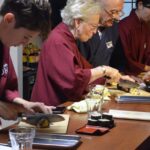
Instructors demonstrate some dishes in front of you first. Then you switch to making your own version of the recipes with guidance as you go. This setup is ideal if you want confidence at home. You see the step, you copy it, and you understand what to adjust if something seems off.
The class is taught entirely in English, and instructors are licensed guide interpreters, which helps a lot. Food is one of those topics where the wording matters—measurements, texture cues, and timing cues can’t be vague. With English instruction led clearly, you’re less likely to leave with a list of ingredients and no real method.
You’ll also get the recipes after the class. That turns the experience into something you can repeat, which is where good value really shows up.
Lunch in the tatami-style room with garden views
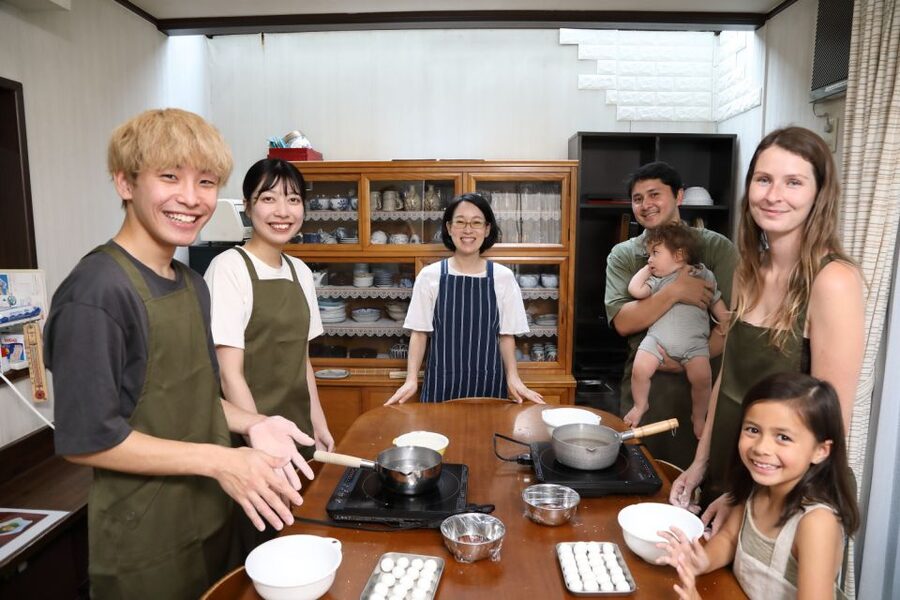
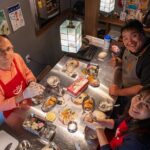
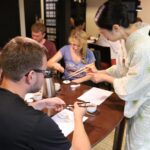
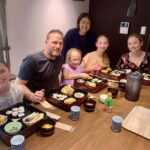
Then comes the moment that makes this feel like a true Kyoto day: you eat what you made in a traditional Japanese room. Expect a shared meal with other participants, served in a very traditional Japanese room with garden views.
Sitting down is more than a nice break. It’s how you connect the cooking steps to the final flavor. You taste the broth base, the seasonings, and the balance of the dishes you spent time making. It also helps you catch the little things you might miss while cooking—like how one component brightens another or how certain textures should feel.
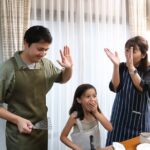
One practical comfort detail: the class adapts for different groups. For example, I saw clear emphasis on being patient and working well with families that include young children. If you’re coming as a parent, that matters. You can cook without feeling like you’re constantly apologizing for the chaos of real life.
The supermarket tour near Fushimiinari: learning to shop like a cook
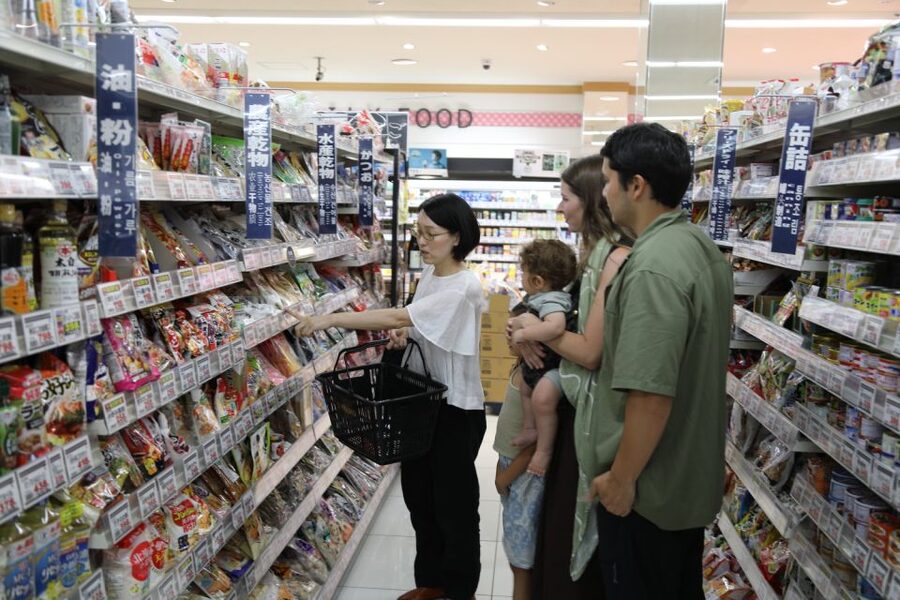
After lunch, you don’t just walk away with ideas. You go to a local supermarket together and match ingredients to the recipes you cooked.
This is one of the most useful parts of the whole experience, because Japanese cooking is picky about ingredients. If you only remember “something like soy sauce” at home, you’ll end up chasing guesswork. The supermarket step helps you identify what the ingredient should be in real life: what it looks like, what it’s called, and which version is the right one for the dish.
If you want, you can buy the ingredients there so you can recreate the meal for family and friends. Even if you don’t buy anything, you still leave with a much clearer sense of what to look for back home.
Think of it as translation in physical form. Language helps, but labels and shelves teach you how to shop next time.


Price and what’s included in the $127 value
At $127 per person for about four hours, the value depends on what you’re trying to get out of Kyoto.
If you want a cooking class where you just watch and taste, this might feel pricey. If you want a hands-on session where you cook multiple dishes, eat lunch, get recipes, and then get a guided ingredient-shopping experience, it starts to look like a fair deal.
Here’s what’s included:
- Lunch
- All seasonings and ingredients used in the class
And what’s not included:
- Gratuity
- Hotel pick-up and drop-off
To me, the big value isn’t only the cooking. It’s the combination of cooking + sitting down to eat what you made + learning how to shop for repeat meals. That trio is what converts a fun afternoon into skills you’ll use again.
One more cost-related reality check: since there’s no pick-up/drop-off, you’ll need to factor in your own transit time and planning to get there.
Group size, language, and comfort level you can expect
This is a small group experience with a maximum of 6 participants. That size keeps things interactive. You’re not stuck waiting for attention, and instructors can correct small technique issues while the class is happening.
It’s conducted entirely in English, and it works for both English and non-English speakers. That’s because the instructors are trained interpreters, and food instruction can be made clear even when your Japanese is limited.
There are a few comfort and safety notes:
- Bring socks (you’ll want them for the setting).
- It isn’t suitable for wheelchair users.
- Children under 6 aren’t suitable.
- Children 12 and under need to participate with a guardian.
If you’re comfortable being on the floor and moving around a traditional home setup, you’ll likely find this class easy to enjoy. If you’re not, plan for that reality upfront.
Who should book this cooking class near Fushimiinari?
I’d book it if you want food learning that’s practical, not just cultural. This is a strong fit for you if:
- You like hands-on cooking and want to make Japanese dishes from scratch.
- You care about ingredient accuracy, not vague approximations.
- You want an English-led class with clear instruction.
- You’re interested in a more home-like Kyoto experience than a large-group activity.
It’s also a good choice for vegetarians and vegans because the class uses vegetarian dashi as part of the process. And because the menu may vary by season, you’re less likely to feel like you’re doing the same course as someone else who booked last month.
If your priority is seeing Kyoto landmarks first and you only have time for a quick tasting stop, you might be better with a shorter food experience. This one takes four hours and asks for active participation.
Should you book it?
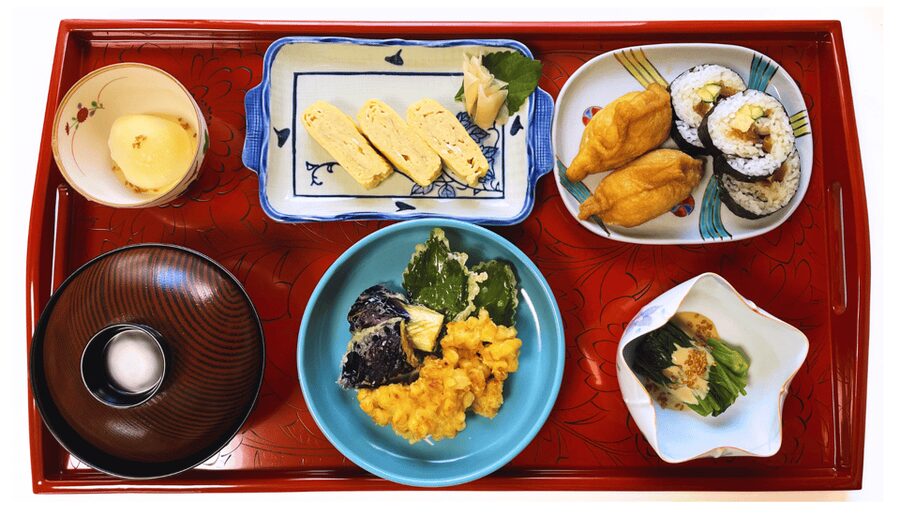
Yes, if you want to leave Kyoto with real cooking skills, not just photos. The best reason to book is the combo: you learn dashi, you cook about five dishes, you eat in a garden-view room, and then you shop for the ingredients so you can repeat the results at home.
If you strongly dislike cooking instruction, don’t want to shop, or need a fully accessible setting, then it won’t match your needs. For most people who love food and want to learn how Japanese home cooking is built, this is a smart, memorable use of time near Fushimiinari.
FAQ
How long is the Kyoto home cooking class and supermarket tour?
The experience runs for 4 hours.
How many people are in a group, and is it offered in English?
The group is limited to a maximum of 6 participants, and the class is conducted entirely in English.
What will I cook during the class?
You’ll learn about dashi and then prepare about five dishes, with instructor demonstrations before you cook on your own.
Is the class suitable for vegetarians or vegans?
Yes. The class uses dashi for vegetarian, and the format is stated as welcoming vegetarian and vegan guests.
Is lunch included?
Yes. Lunch is included, along with all seasonings and ingredients used in the class.
What should I bring?
Bring socks.
Is it suitable for children or wheelchair users?
Children under 6 are not suitable, and children 12 and below must participate with a guardian. It is also not suitable for wheelchair users.