REVIEW · ROME
Rome: Private Pizza Making Home cooking class with a local
Book on Viator →Bookable on Viator
Your pizza starts with dough, not luck. In central Rome, you learn authentic Italian pizza skills from a local chef, then put them to work right away. I love that it is a hands-on class, not a sit-and-watch show, and that the private setup keeps the pace friendly and questions easy.
You also get a real Roman meal at the table, not just a snack after cooking. You’ll enjoy your pizza for lunch or dinner with wine or soft drinks, plus homemade liqueur truffles for dessert, along with coffee and/or tea. One catch: there is no hotel pickup or drop-off, so you’ll need to get yourself to Via di Gesù e Maria, 7 (a spot that’s near public transportation).
In This Review
- Key highlights you’ll care about
- Meeting in Rome: Via di Gesù e Maria and a smooth start
- Pizza dough basics that actually improve your pizza
- Shaping, topping, and building your own pizza
- Eating your pizza in the Rome way: wine, truffles, and coffee
- Why the private format matters more than you think
- Price and value: is $86.73 worth it?
- Before you go: how to get the best from the lesson
- Who should book this pizza class (and who might skip it)
- Should you book Rome private pizza-making at home?
- FAQ
- How long is the pizza-making class?
- Where do we meet, and how does the class end?
- Is this class private?
- What’s included in the price?
- Is hotel pickup or drop-off included?
- Can the chef handle dietary requirements?
Key highlights you’ll care about
- Private lesson with more personal attention than group classes
- Authentic dough focus so your crust changes in your hands
- Meal included: wine or soft drinks, your pizza, and dessert truffles
- Flexible timing for your day with a 2-hour block that feels doable
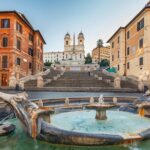
- Central meeting point that can fit nicely with a Trevi Fountain walk after
Meeting in Rome: Via di Gesù e Maria and a smooth start
Rome classes can either feel like a hassle or like part of your day. This one starts at Via di Gesù e Maria, 7, in the center (00187 Roma). That address matters because you’re not relying on a complicated pickup chain. If you’re staying anywhere walkable or near a main bus/metro line, you’ll likely find it straightforward to arrive on time with a quick transit hop.
You’ll also want to plan for the class to end back at the meeting point. That’s a small detail, but it changes how you structure your evening. Instead of trying to coordinate a late return to a hotel far away, you can usually keep your schedule simple: class, meal, then you’re already in the area again.
The good news is that the setup is designed to be easy to join. You get a mobile ticket, and confirmation is received at booking. In other words, you’re not scrambling for paperwork when you arrive.
If you’re coming as a family, this format can work well because it’s private and focused. One family experience included kids as young as 8 alongside adults, with everyone able to participate without feeling left out.
You can also read our reviews of more tours and experiences in Rome.
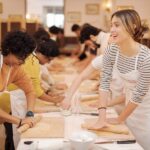
Pizza dough basics that actually improve your pizza
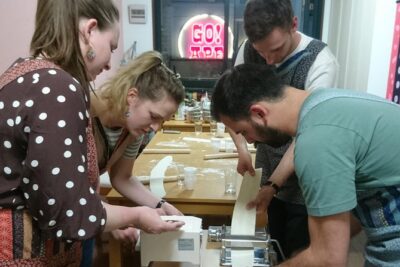
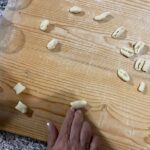
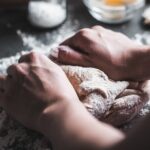
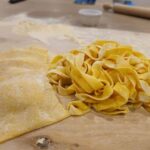
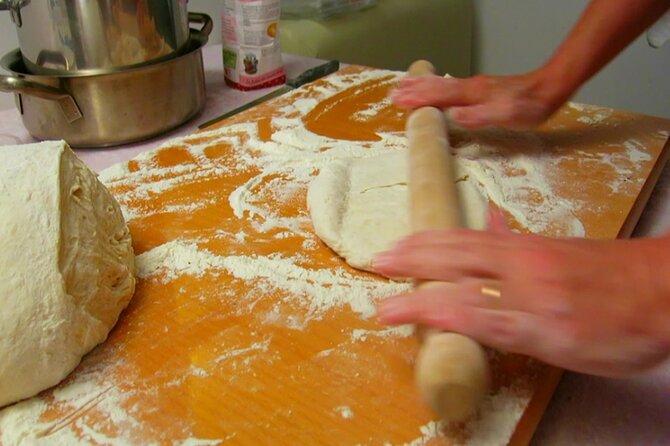
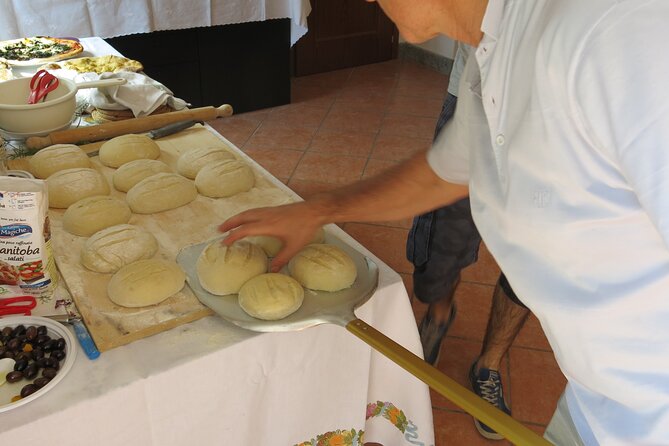
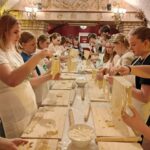
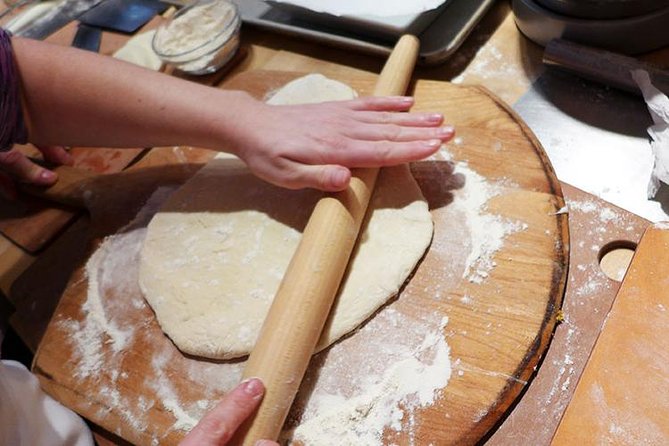
Most pizza experiences focus on toppings. This one starts where the magic really is: dough. The chef teaches authentic Italian pizza dough techniques and you work alongside the instructor as you prepare it yourself. That is what makes it more than a cooking demo.
In plain terms, dough skills matter because a pizza crust is a system: flour, hydration, kneading, resting time, and how you handle the dough before it hits heat. When you learn the process from a local, you stop guessing. You also get the chance to correct small things in real time. If your dough is too sticky, too dry, unevenly worked, or you’re shaping it in a way that ruins the texture, you’ll learn how to fix it instead of just rolling with it.
Expect the class to feel structured and well paced, with clear guidance and enough time to actually do each step. That’s been a repeat theme in past experiences: the instruction is easy to follow and organized, with chefs who are attentive to what you’re doing, not just what you’re about to do.
And yes, this is also where “authentic” becomes practical. You’ll learn what to watch for during preparation—texture, handling, and the difference between making dough and making good dough.
Shaping, topping, and building your own pizza
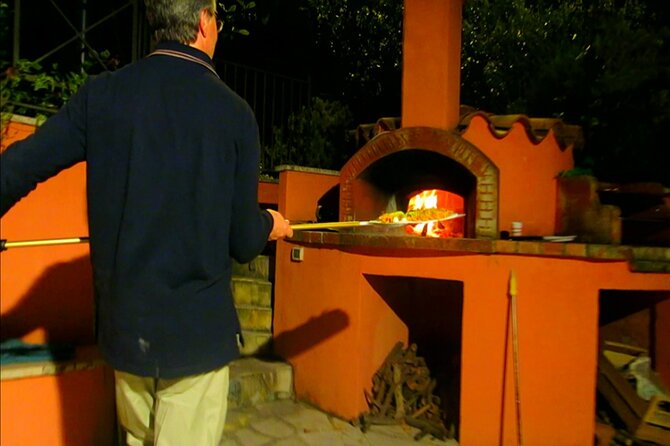
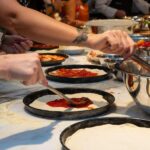
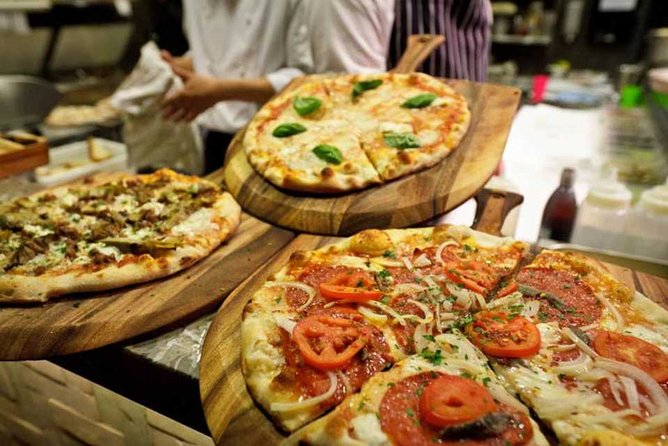
Once the dough work is underway, you move into toppings and assembling your pizza. You’ll use fresh, quality ingredients and traditional techniques to build your own pie. Even if you’ve made pizza before, this part helps because it connects dough to the final result.
Think about it: you can have great ingredients, but if the pizza is assembled poorly, it won’t bake evenly or will lose the nice balance between crust and topping. In this class, you get to practice the full arc: dough, then toppings, then putting it together as a finished pizza you’ll eat.
Here’s what I like about this approach for real-life travelers. You’re not just collecting photos. You’re learning decisions: how much topping you use, how you distribute it, and how your pizza should look and feel before it’s done. That means the skills you pick up can travel with you. After this, you can approach a kitchen back home with more confidence.
If you have dietary requirements, you should advise the team at booking. The class notes dietary needs can be handled when you communicate them ahead of time. Also note: it is not recommended for travelers with severe cat allergies.
Eating your pizza in the Rome way: wine, truffles, and coffee
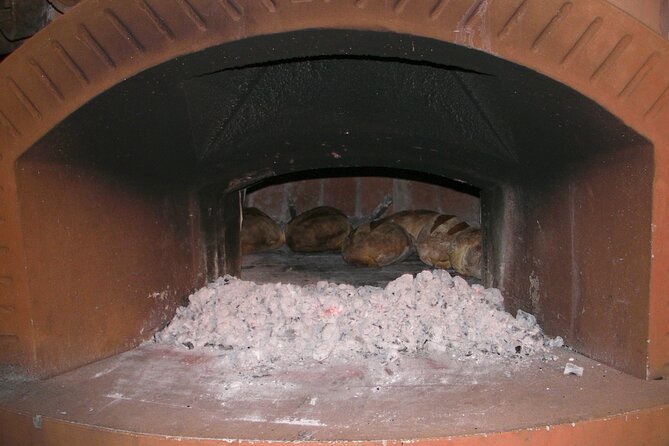
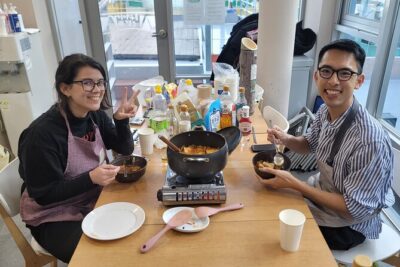
A huge part of the value here is what happens after you cook. Your pizza comes out as lunch or dinner, and you eat it with friends and family in a cozy, welcoming setup. The class includes wine or soft drinks, plus bottled water. Then dessert follows: homemade liqueur truffles.
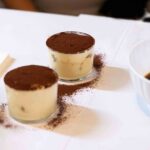
That dessert detail might sound small, but it’s one of the signals that this isn’t a rushed tourist meal. Liqueur truffles add a Roman-feeling finish that feels personal rather than generic. Then you cap it off with coffee and/or tea.
One more practical point: because the class includes the meal, you don’t have to search for food afterward if your timing is tight. For many travelers, that’s the hidden win. You trade “what should we eat?” stress for a planned experience where the food matches what you cooked.
Why the private format matters more than you think
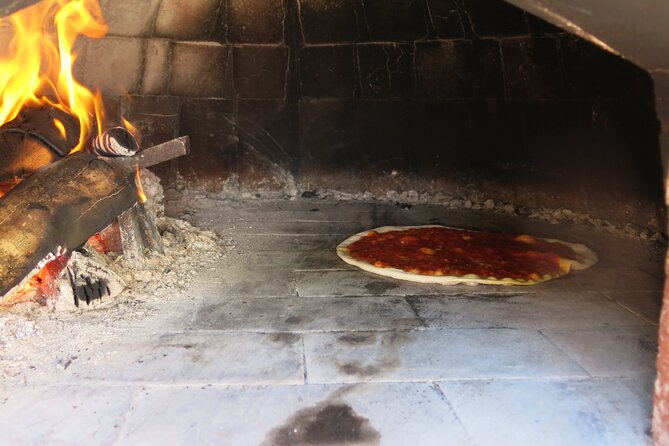
This is a private tour/activity, meaning only your group participates. That changes the whole class vibe. Instead of adapting to whatever pace the biggest group needs, you get a lesson built for your group’s questions and rhythm.
I especially like private classes for pizza because dough is hands-on. People learn differently: some want to understand the why, others want to nail the technique quickly. With one group, the chef can correct details on the spot and adjust explanations to your pace. It also helps if you’re cooking with kids, or if you’ve never handled yeast dough before.
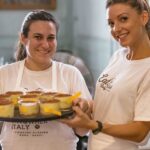
A chef instructor named Monica has been specifically praised for being awesome, helpful, and attentive, and for keeping the lesson organized and easy to follow. Even though you should expect the overall experience to vary with the instructor, the core promise is consistent: you’re there to cook, and the chef is there to guide you while you cook.



Price and value: is $86.73 worth it?
At $86.73 per person for about 2 hours, this isn’t the cheapest food activity in Rome. But it also isn’t trying to compete with quick tastings. You’re paying for a private instruction format, hands-on dough work, ingredients, and a full meal with drinks and dessert.
When you break it down, the included items carry real weight:
- Hands-on class (the main cost driver)
- Wine or soft drinks plus bottled water
- Homemade liqueur truffles
- Coffee and/or tea
If you’re the type of traveler who likes learning a skill you can repeat, the value is stronger than it looks. You’re not just eating pizza—you’re learning how to make it. And because it’s private, you’re less likely to get the half-helpful “watch and wait” experience that can lower the value of cooking classes elsewhere.
If you’re on a strict budget and want only the food part, you might decide to eat elsewhere. But if you want an authentic Roman cooking moment with a real meal attached, this price can make sense fast.
Before you go: how to get the best from the lesson
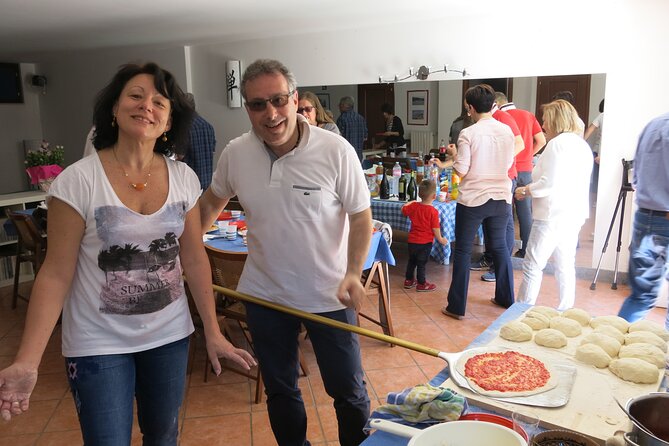
Come hungry. Even though it’s only about 2 hours, you’re making dough and assembling a pizza, then sitting down to eat. That takes energy.
Also, arrive with an open mind about technique. Italian dough work can feel different from what you may have done at home. Rather than trying to compare, focus on what the chef teaches in the moment. If you get a suggestion on texture or handling, follow it right away.
If you have allergies or dietary constraints, plan ahead. The class asks you to advise dietary requirements at booking, and you should do that early so the team can respond appropriately.
Finally, since the meeting point is near public transportation and close enough to Trevi Fountain for a bonus walk, you can shape your day around it. Many people like to do a Trevi stop either before or after, then return for the meal part.
Who should book this pizza class (and who might skip it)
I’d recommend this class if you want:
- A skills-first food experience in Rome
- A calm, private setup instead of a crowded cooking show
- A meal included in the price, with wine or soft drinks and dessert truffles
- Something fun for mixed-age groups, since it has worked for families with both kids and adults
You might consider skipping it if:
- You hate going to fixed locations without pickup (there’s no hotel pickup/drop-off)
- You have severe cat allergies and can’t safely manage exposure
- You only want a quick bite and don’t care about learning dough technique
Should you book Rome private pizza-making at home?
Book it if you want a genuinely hands-on Roman food experience that ends with a satisfying meal you helped make. The private format plus the dough-focused teaching are the two big reasons this class can feel worth it, even if the price is higher than a simple tasting. Also, the mix of wine or soft drinks and homemade liqueur truffles makes it feel complete, not like a half-day hobby.
Don’t book it if your schedule depends on hotel pickup or if you need a fully allergy-safe environment due to severe cat allergies. For everyone else, it’s a smart way to spend a couple of hours in Rome learning something useful and eating something you can’t fake later.
FAQ
How long is the pizza-making class?
It lasts about 2 hours.
Where do we meet, and how does the class end?
You meet at Via di Gesù e Maria, 7, 00187 Roma RM, Italy. The activity ends back at the meeting point.
Is this class private?
Yes. It’s a private tour/activity, and only your group participates.
What’s included in the price?
The class includes the hands-on pizza cooking lesson, wine or soft drinks, homemade liqueur truffles, bottled water, and coffee and/or tea.
Is hotel pickup or drop-off included?
No. Hotel pickup and hotel drop-off are not included.
Can the chef handle dietary requirements?
You should advise any dietary requirements at time of booking. It is also noted as not recommended for travelers with severe cat allergies.