REVIEW · SIENA
Tuscan, Italian, tiramisu cooking class and tasting 3 wines
Book on Viator →Operated by Fontegiusta Academy · Bookable on Viator
Pasta hands-on in Siena with wine at the end. I love that you actually make three pastas (gnocchi, pici, tortelli) and finish with tiramisu, not just watch. I also like the pacing: you get a welcome glass of prosecco, then learn, then sit down and eat what you made with a smart three-wine tasting. The only drawback to consider is that this is a cooking class, so if you were hoping for a heavy focus on a specific meat stew like peposo, the day’s hands-on work centers on pasta and tiramisu.
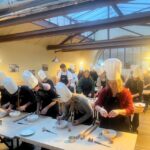
You’ll do this with a small group (max 15), in English, and you’ll get your own station plus chef’s hat and apron—so it feels like you’re part of the kitchen, not stuck in the back taking photos. One more practical note: alcohol is only served to travelers 18+, and kids/teens get soft drinks.
In This Review
- Key Highlights You’ll Feel in the Room
- How This Siena Cooking Class Actually Works (From Prosecco to Plates)
- Where It Starts: Trattoria Fonte Giusta in Siena
- Chef Hat On: What You Learn (And Why the Steps Matter)
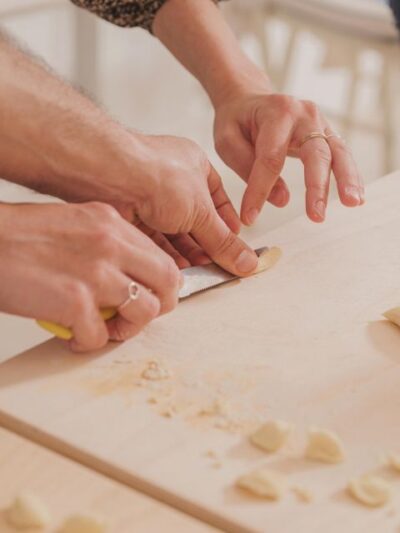
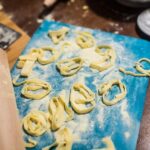
- Making Three Pastas by Hand: Gnocchi, Pici, and Tortelli
- Gnocchi: The Start of Comfort
- Pici: Long, Rustic, and Very Tuscan
- Tortelli: Stuffing Meets Technique
- Peposo and Seasonal Sauces: The Meal Side of Tuscan Cooking
- Tiramisu: The Finish That Turns Cooking Into a Memory
- Wine Tasting in Tuscany: Prosecco First, Then Three Tuscan Reds
- Duration and Pace: What a 3-Hour Class Feels Like
- Small Group Energy (Max 15): Better Questions, Less Waiting
- Gluten-Free and Vegetarian Options: What You Should Expect
- Value Check: Is $102.13 Worth It?
- Who Should Book This Siena Cooking Class?
- Should You Book Fontegiusta Academy’s Tiramisu Class?
- FAQ
- What is the meeting point for the Siena cooking class?
- How long does the experience last?
- Is the class offered in English?
- What dishes do you make during the class?
- What wines are included with the tasting?
- Do you get alcohol during the tour?
- Is the class suitable for vegetarian or gluten-intolerant guests?
- How big is the group?
- What’s included besides food and wine?
Key Highlights You’ll Feel in the Room
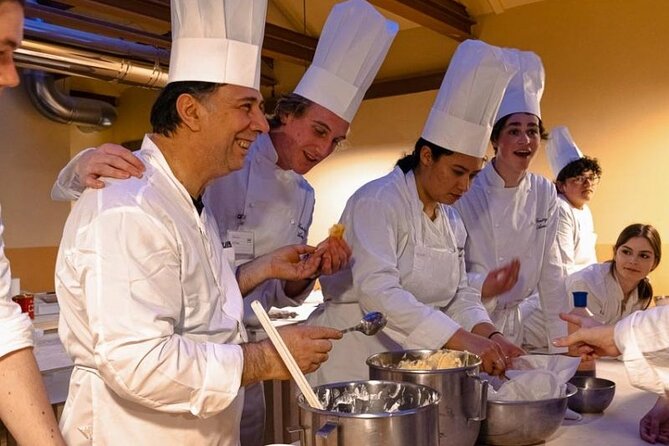
- Chef-led pasta practice with your own station, so you’re not just standing by
- Three pasta styles you can name and recreate: gnocchi, pici, tortelli
- Tiramisu skills that go beyond assembly and help you understand the structure
- Wine tasting with real Tuscan labels: Chianti Classico DOCG plus two others
- Small group size that keeps the class interactive and question-friendly
How This Siena Cooking Class Actually Works (From Prosecco to Plates)
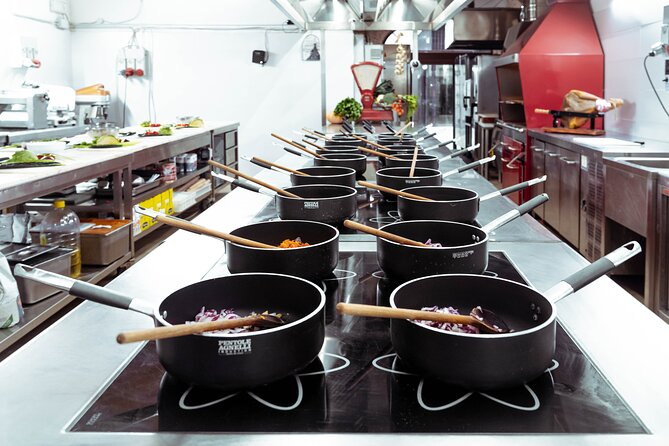
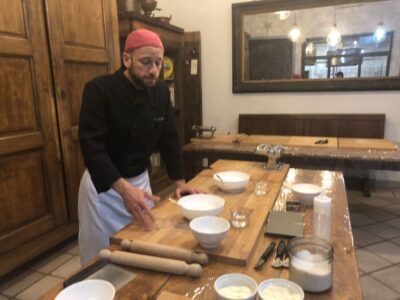
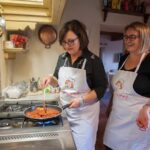
This is the kind of tour where you leave with two things: a full belly and kitchen confidence. The format is straightforward. You start at Trattoria Fonte Giusta in Siena, get welcomed with a glass of prosecco, and you’re outfitted with the chef’s hat and apron. Then the chef walks you through what matters—technique, timing, and how Tuscan flavors hang together.
The session runs about 3 hours, and the meal time is built in. You’re not just “snacking” after class. You’ll eat what’s prepared during the experience, including courses that match traditional Tuscan comfort food. One class detail that makes a difference: you’re given a station for each participant, which means less waiting and more real hands-on time.
It also helps that the experience is offered in English. If you’ve ever been in a cooking class where language gets in the way, you’ll appreciate this. You should still expect some Italian food terms (like pasta names and ingredients), but the instruction is there so you can follow steps without guessing.
You can also read our reviews of more tours and experiences in Siena.
Where It Starts: Trattoria Fonte Giusta in Siena
Your meeting point is at Trattoria Fonte Giusta, Via Camollia, 102, 53100 Siena. The good part here is convenience. It’s listed as near public transportation, which makes it easier to fit into a day that already includes Siena’s streets, viewpoints, and maybe the Palio sights.
Also, the tour ends back at the meeting point. That sounds like a small thing, but it’s a real comfort in a hill-town like Siena. You won’t have to figure out the logistics of getting back across town after you’ve been cooking and eating.
Chef Hat On: What You Learn (And Why the Steps Matter)
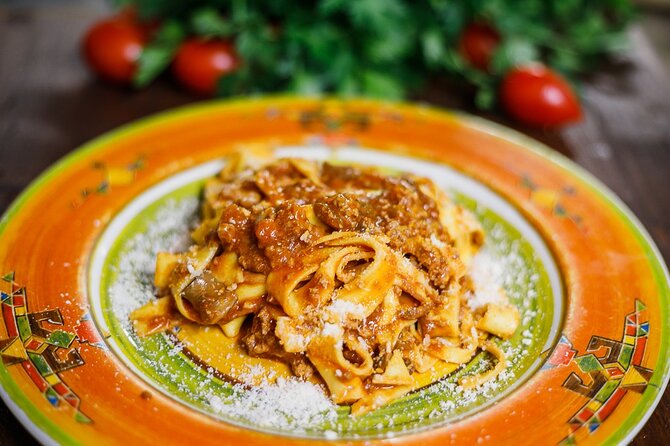
The class is designed as a sensory journey through Tuscan flavors and aromas. That’s not just marketing language. In practice, it means the chef focuses on what you can taste and smell while you work: how sauces thicken, how dough behaves, and how seasoning changes as it cooks.
You’ll be guided through the process of making three fresh pastas, then finish with tiramisu. The key “why” here is that you’re learning principles, not only recipes. Once you understand how the dough should feel and how sauce texture should look, you can translate the technique later—at home, or even on your next trip.
You also share the experience with other travelers, so it has that lively classroom energy. In one account, the vibe with the instructor felt like great company as much as instruction. Another instructor name that comes up in past classes is Dennis, described as personable and able to accommodate a spouse’s dietary needs. That doesn’t guarantee your experience will be identical, but it does suggest the school is used to adjusting when someone needs changes.
Making Three Pastas by Hand: Gnocchi, Pici, and Tortelli
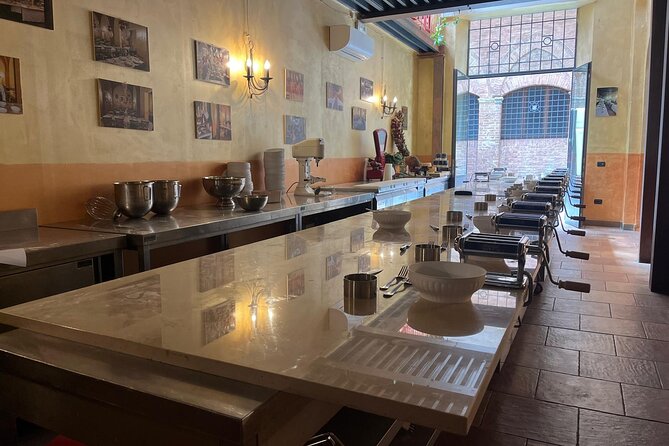
This is the heart of the tour, and it’s why the value feels strong.
Gnocchi: The Start of Comfort
Gnocchi can be deceptively tricky because the line between tender and heavy is thin. You’re learning fresh pasta making, so you’ll get a real feel for consistency—how the dough comes together and what you’re aiming for before cooking.
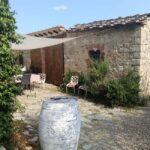
Pici: Long, Rustic, and Very Tuscan
Pici are not like the smooth, machine-made pasta you’re used to. They’re a rustic handmade shape, and the work tends to be more about patience and texture. It’s a pasta that rewards attention: the way it’s shaped affects the bite after cooking.
Tortelli: Stuffing Meets Technique
Tortelli takes you into filling territory. You’ll learn how to handle and form, and how to treat the filling so it stays put. This part is great if you like hands-on tasks with clear steps.
What I like about this three-pasta approach is variety. You won’t walk away thinking you only learned one technique. You get multiple textures and handling skills, which is exactly what you want from a class called Tuscan Italian cooking.
Peposo and Seasonal Sauces: The Meal Side of Tuscan Cooking
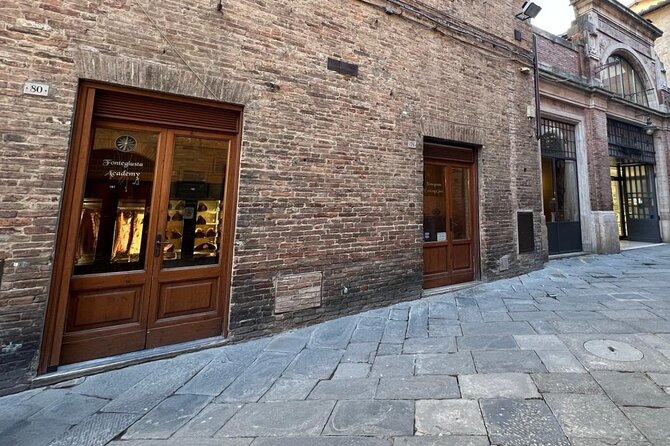
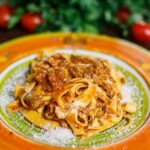
Alongside the pasta work, you’ll build the meal with three pastas with seasonal sauces and you’ll also have peposo as part of the menu. Peposo is a traditional Tuscan dish, and even if you’re not spending the whole class cooking it, having it at the table matters. It gives you context for what you’re learning and how Tuscan kitchens think: hearty, comforting, and built for sharing.
The menu structure matters for another reason: you learn flavor pairing by tasting while it’s fresh and by seeing how different sauces change the pasta. That’s the kind of lesson you can’t replicate by reading a recipe later.
And yes, the food portion is serious. One person called it so filling they expected to need a nap afterward. You should plan your evening accordingly.
Tiramisu: The Finish That Turns Cooking Into a Memory
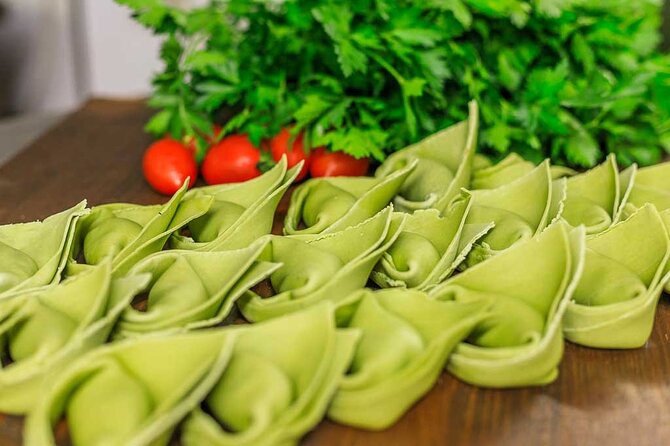
You end with the famous tiramisu. This is where the course becomes memorable, because tiramisu is both specific and forgiving—if you know the structure. The chef guides you through preparation, so you’re not just assembling cookies and hoping it works.
What you’re getting, even if the class doesn’t spell it out in foodie terms, is a hands-on understanding of layers and texture. You learn the importance of timing and balance. Too wet and it collapses. Too dry and it’s flat. When you make it yourself, you start to feel what the finished tiramisu should be like.
It’s also a nice emotional finish. After hands-on pasta work, dessert gives your brain a break. Then you eat it and compare your expectation to the reality of what you just created.
Wine Tasting in Tuscany: Prosecco First, Then Three Tuscan Reds
Food in Tuscany is never just food. The course includes alcohol in a way that teaches you something. You’ll start with a glass of prosecco, and then at the end you’ll taste three wines paired with what you made:
- Tuscan Red Wine IGT
- Chianti Classico DOCG
- Nobile di Montepulciano DOCG
This trio is a smart mix because it gives you a range of Tuscan red styles. Chianti Classico is the headline label most people recognize, but the other two help you notice differences in texture, fruit, and finish. If you’re the type who likes to learn without turning it into a wine course, this pairing format is a good fit.
One practical bonus: if you prefer white wine, a past participant reported they happily substituted white wine for the reds. That suggests there’s flexibility if you communicate your preference.
Remember the rule: alcohol service is for travelers 18+. If you’re traveling as a family, teens won’t be left out—soft drinks are served instead.
Duration and Pace: What a 3-Hour Class Feels Like
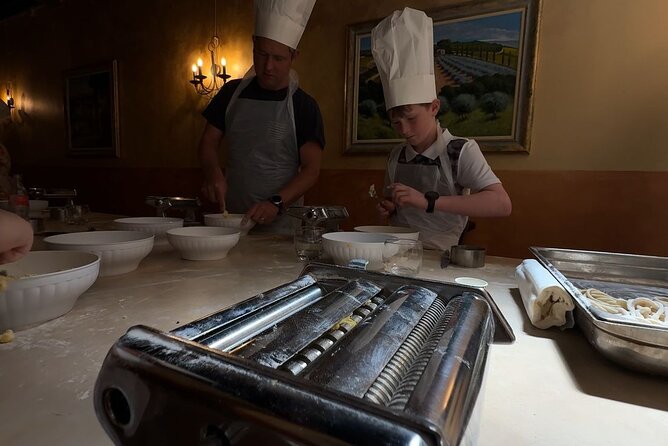
On paper, it’s about 3 hours. In real life, it usually feels like a full chunk of your afternoon because you’re doing multiple steps, plus sitting down to eat. The included meal is described as about 2 hours for lunch or dinner, depending on the session setup.
Here’s how I’d plan around it: eat lightly beforehand unless you want to spend the first hour already pleasantly full. Once you start tasting and then sit for the meal, you’ll likely be done for the day in terms of heavy eating. This is not a quick bite-and-lesson style tour.
Small Group Energy (Max 15): Better Questions, Less Waiting
A maximum of 15 travelers keeps things moving. That group size is small enough that the chef can correct technique and help if you get stuck. It also means you’re sharing the kitchen experience without feeling lost in a crowd.
In one account, a booking that turned out to be just two people was still great. That doesn’t happen every time, but it points to the school’s ability to handle different group sizes without losing the quality of instruction.
If you prefer a class where you can ask questions and actually interact, this small cap is a plus.
Gluten-Free and Vegetarian Options: What You Should Expect
The experience states it can be suitable for gluten intolerant travelers (with notice) and vegetarian. That’s important, because pasta classes can go wrong fast when dietary needs aren’t accommodated.
If you fall into either category, message your needs when you book. Since adjustments depend on advance notice, don’t wait until the last minute.
Value Check: Is $102.13 Worth It?
For $102.13 per person, you’re getting:
- a chef-led pasta-and-dessert class
- chef’s hat and cooking equipment
- a station for each participant
- prosecco plus a tasting of three wines
- a full meal with what you prepare and additional Tuscan courses like peposo
The real value isn’t just the food. It’s the instruction. In many Siena food experiences, you pay for tasting. Here, you pay for technique, then you eat the result. If you like the idea of bringing home skills—not only souvenirs—this price starts to look reasonable.
If you’re traveling on a tighter budget, you might compare it to paying for pasta at restaurants plus wine tastings. But you’d still miss the hands-on part. For me, that’s the difference.
Who Should Book This Siena Cooking Class?
I’d point you toward this class if:
- you want a hands-on Tuscan pasta experience rather than watching
- you love classic comfort flavors like gnocchi, rustic pasta shapes, and tiramisu
- you want a food day that also includes serious wine pairing
- you’re okay spending a big part of your afternoon cooking and eating
It might not be the best fit if:
- you’re not interested in cooking steps and prefer simple tastings
- you expect every dish you’ve heard of (like peposo) to be fully hands-on
- you want a lighter snack-style experience instead of a full meal
Should You Book Fontegiusta Academy’s Tiramisu Class?
If you’re spending time in Siena and you want something that feels both authentic and practical, I’d book it—especially because the class focuses on real technique with a clear payoff. You make multiple pastas, finish with tiramisu, and you get prosecco plus three Tuscan wine tastings without needing to plan extra reservations.
One smart decision: if your food preferences are strict, send them ahead of time. The experience notes vegetarian and gluten-intolerant options, and past reports suggest instructors can adapt.
If you want to end your Siena day with food you made yourself—then drink wine over it—this is a strong bet.
FAQ
What is the meeting point for the Siena cooking class?
The class meets at Trattoria Fonte Giusta, Via Camollia, 102, 53100 Siena SI, Italy. The activity ends back at the same meeting point.
How long does the experience last?
It lasts about 3 hours.
Is the class offered in English?
Yes, it’s offered in English.
What dishes do you make during the class?
You prepare three fresh pastas (gnocchi, pici, and tortelli) and then you prepare tiramisu.
What wines are included with the tasting?
You get tasting of three wines: Tuscan Red Wine IGT, Chianti Classico Docg, and Nobile di Montepulciano Docg.
Do you get alcohol during the tour?
Yes. You receive a glass of prosecco and then the tasting of three wines. Alcohol is only served to travelers 18 and older; minors under 18 get soft drinks.
Is the class suitable for vegetarian or gluten-intolerant guests?
It’s listed as suitable for vegetarian and for gluten intolerant travelers, but it requires notice.
How big is the group?
The experience has a maximum of 15 travelers.
What’s included besides food and wine?
Included items are the chef’s hat and cooking equipment, one cooking station per participant, and the class meal (lunch or dinner) with experienced chefs.