REVIEW · BUDVA
Cooking Class with dinner/lunch in Ulcinj Montenegro
Book on Viator →Operated by Homemade food - domestic · Bookable on Viator
Food and warmth in one evening.
This Ulcinj cooking class works because it starts with organic produce at a green market right in front of Guest House Vera, then moves into hands-on cooking with famed local host Hajrije. I especially like the hospitality and the feeling you’re learning real everyday Montenegro cooking, not performing it. The one drawback to note: the cooking is guided and can feel pretty basic if you’re looking for a high-skill challenge.
You’ll get a welcome drink, a traditional starter, then sit down to eat what you helped make, with domestic Ulcinj dishes and drinks on the table. Expect about 2 hours, offered in English, and you’ll leave with recipes plus TV recommendations to keep cooking at home.
In This Review
- Key highlights I think you’ll care about
- Finding Guest House Vera in Ulcinj (and starting with the green market)
- Organic produce tasting and your welcome drink
- Hands-on cooking with Hajrije: local guidance that feels personal
- What you’re likely to make (without overpromising)
- Eating what you cooked: starter, local dishes, and domestic drinks
- Taking the class home: recipes, photos, and TV ideas
- Timing, group size, and why the $65.02 price makes sense
- A practical heads-on tip
- Who should book this (and who might skip it)
- Should you book this Ulcinj cooking class?
- FAQ
- Where does the cooking class start?
- What time does the class begin?
- How long is the experience?
- Is the class taught in English?
- How big is the group?
- What happens if the weather is poor?
Key highlights I think you’ll care about
- Green market sampling first: organic fruits and vegetables right outside the meeting place.
- Hajrije leads the cooking: the host’s teaching style is part of the fun, not just the food.
- You cook, not just watch: there’s time for you to participate alongside the family-style guidance.
- You eat your own meal: dinner/lunch style tasting comes right after cooking.
- Recipes and follow-up support: you get recipes and pictures, and they can be sent after the class (via WhatsApp).
- Small group size: up to 20 people keeps it personal.
Finding Guest House Vera in Ulcinj (and starting with the green market)
This class begins at Guest House Vera in Ulcinj, and the good news is the location is easy to spot when you arrive. Use Google Maps to find Guest House Vera, and look for the green market in front of the house where you’ll see fruits and vegetables lined up.
The meeting point matters because it sets the tone. You’re not dropped into a kitchen right away; you start with what the meal is built on: fresh local ingredients. Once you find the place, you’ll know you’re in the right spot fast, which helps if you’re arriving from town at dusk.
It’s also held in an area that’s near public transportation, so you’re not dependent on a private car to make it on time. The start time is 6:00 pm, so plan to arrive a bit earlier so you don’t feel rushed before you begin tasting.
Organic produce tasting and your welcome drink
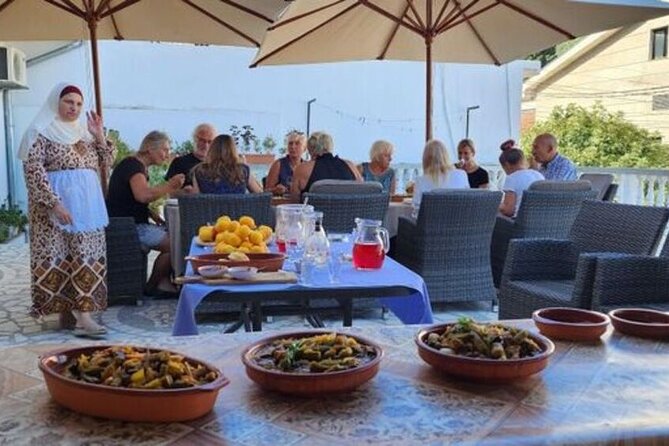
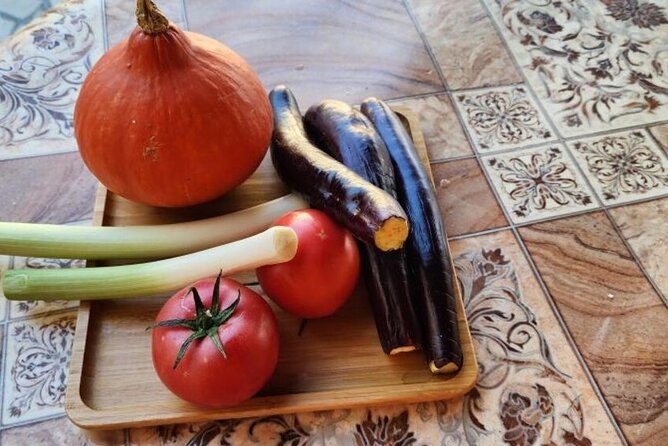
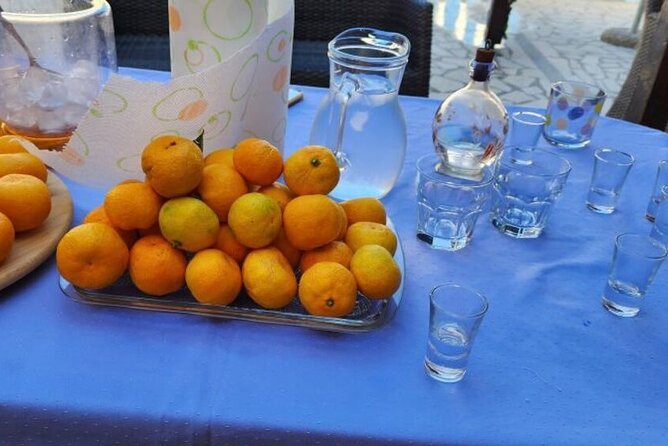
Before you touch a stove, you get a chance to settle in with something small but meaningful: tasting ingredients from the market. The experience is framed around domestic and organic products, so even the early minutes are about understanding the food, not just consuming it.
This is where I’d pay attention if you’re a picky eater or someone who likes to know what you’re getting into. If you’re sensitive to ingredients, this setup makes it easier to ask questions early, right when you’re seeing the produce.
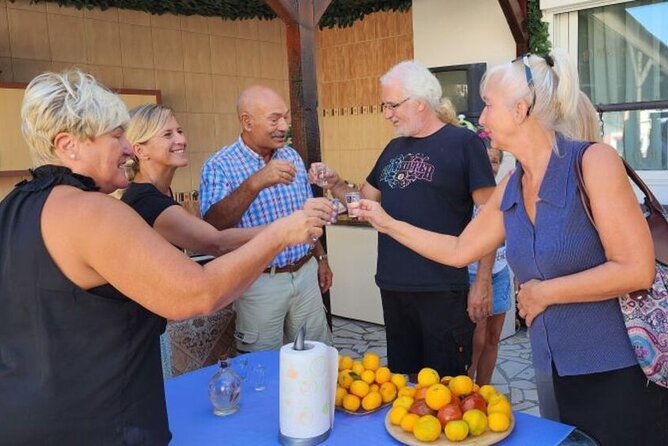
Then comes the welcome drink for all. It’s a simple way to break the ice with the host and the group, and it keeps the pace friendly instead of formal. The goal is that you leave comfortable, knowing how to talk about the ingredients you just sampled.
Hands-on cooking with Hajrije: local guidance that feels personal
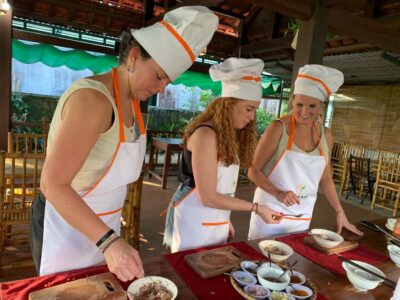
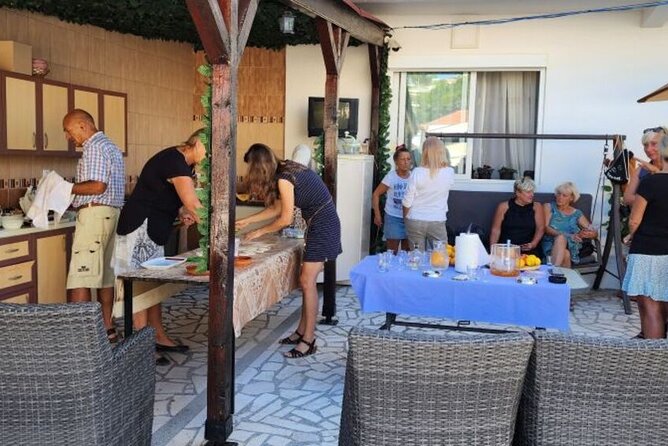
Once everyone’s together, you cook with the owner, a woman who’s well known for traditional cooking, with Hajrije repeatedly named as the host who teaches. From what you can expect in the class, the format isn’t about throwing you into chaos. It’s more like a family kitchen rhythm where you help, they guide, and the dish still turns out right.
That balance is important. If you’re traveling solo, you get a role without having to be an expert. If you’re traveling with someone who wants to learn, you’ll have real moments where you can ask how a dish is built and why ingredients are chosen.
And yes, there’s a consideration: the cooking portion can feel somewhat basic. One person noted the cooking was basic, even while praising how much fun they had. So if you’re the type who wants advanced techniques, this may not satisfy your inner chef. If you want a warm, practical way to learn what local home cooking tastes like and how it’s approached day to day, this fits well.
What you’re likely to make (without overpromising)
You’ll cook traditional food using local and organic ingredients. The class is centered on traditional Ulcinj cuisine, and the menu is built around a starter first, followed by the meal you prepare together. Specific recipes aren’t listed in detail here, but the structure is: ingredient sampling, cooking together, then tasting what you made.
Eating what you cooked: starter, local dishes, and domestic drinks
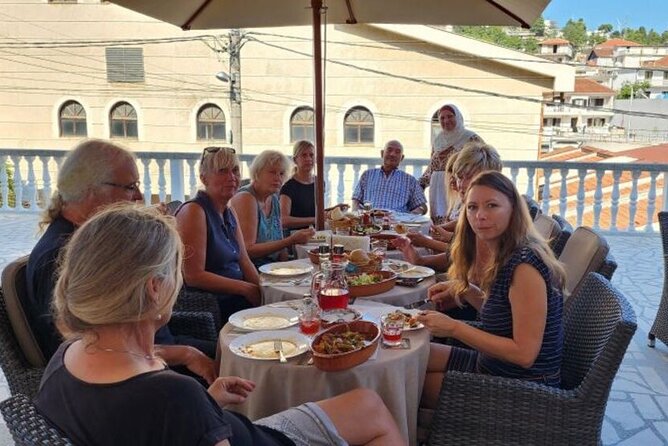
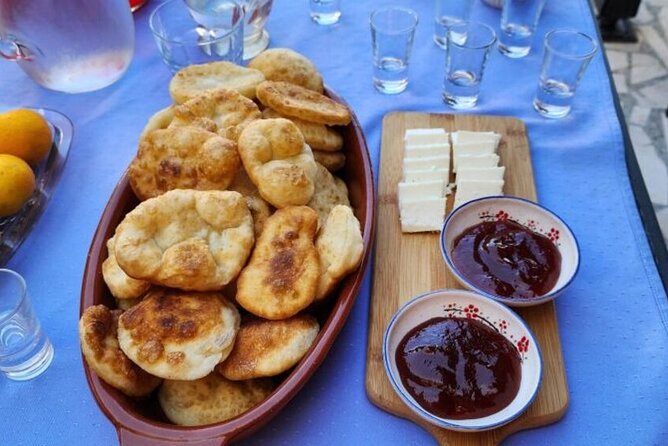
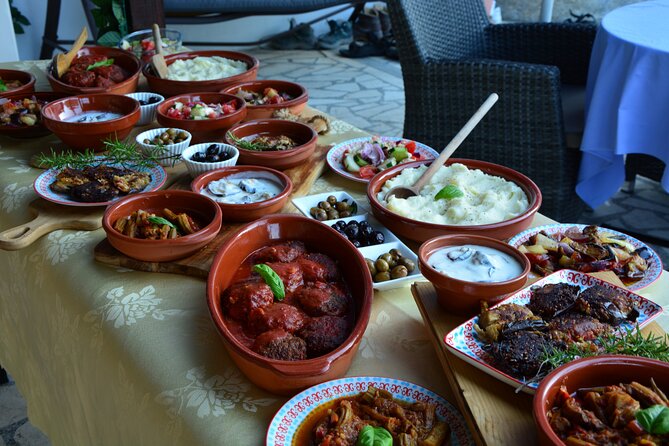
After cooking, you eat. That’s not a small point. In many cooking classes, the food is just a side. Here, the meal is the payoff: you’ll taste and enjoy the dish (or dishes) you prepared together, along with domestic Ulcinj food and drinks.
The sample menu includes a starter that’s traditional and made with domestic and organic food. That starter is your first taste of the class’s overall theme: simple, local, and ingredient-driven.
This is also where the hospitality shows. You’re not just fed; you’re part of the process. Several people highlight how welcoming the host and family feel, and that matches the format: you arrive, taste, cook, then sit down as the meal lands.
If you’re someone who loves “eat like a local” experiences, this is the type that gives you a clear memory: the exact flavor of Ulcinj food prepared in a home-style kitchen with guidance in English.
Taking the class home: recipes, photos, and TV ideas
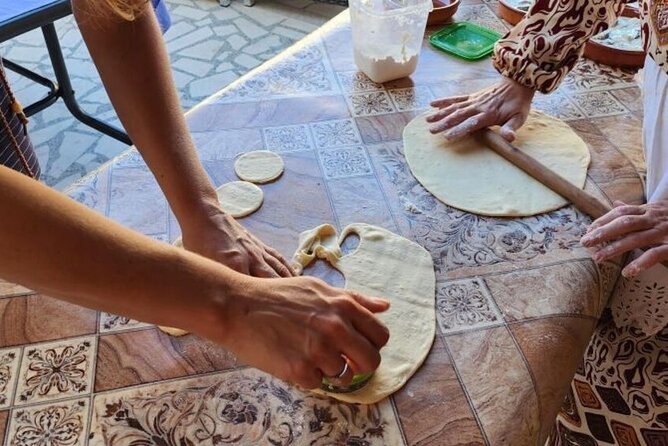
One of the best parts of this experience is what happens after you leave the kitchen. You’ll receive recipes of the food, and you’ll also get TV channels to watch if you want to keep learning.
People also note that recipes can arrive later by WhatsApp along with pictures. That’s genuinely useful because it turns a one-night activity into something you can repeat. You don’t have to guess at ingredient quantities or what step came next—you can follow the follow-up material.
I’d treat this as your souvenir, not the usual fridge magnet. When you cook the same dishes again later, you rebuild the sense of place. Even if you can’t find the exact same ingredients at home, the method and flavor ideas still travel well.
Timing, group size, and why the $65.02 price makes sense
The class lasts about 2 hours, and it starts at 6:00 pm. That length is a sweet spot for travelers who want something real without losing half a day. It’s also long enough to include market tasting, cooking time, eating time, and a proper wrap-up with recipes.
Price is $65.02 per person. For some city cooking classes, that might sound steep. Here, the cost makes more sense because you’re paying for the host’s time, the food ingredients, the meal, and the after-class recipe support. You’re also getting a small-group experience with a maximum of 20 travelers, which usually means more attention and less “stand around and watch” time.
Also consider the language factor. The class is offered in English, and in practice that matters because cooking questions get answered instead of guessed. One guest even noted English was perfect, with occasional German possible, which suggests the host is comfortable shifting with the group.
A practical heads-on tip
Because the start is fixed and the pace includes a market stop at the beginning, try not to show up late. If you miss the first tasting window, you lose part of what makes the class feel connected to local life.
Who should book this (and who might skip it)
I’d book this if you want a hands-on introduction to Ulcinj cuisine without spending a full afternoon. It’s ideal for couples, small groups, and solo travelers who like meeting people and learning from a host who’s clearly proud of what she cooks.
It’s also a good fit if you value practical takeaways: recipes, pictures, and TV suggestions you can use later. That’s the kind of “memory” that doesn’t fade after a day of sightseeing.
Skip it if you’re looking for advanced cooking techniques or a long, multi-course food journey. The cooking is guided and may feel basic for advanced cooks.
Accessibility note: it’s not recommended for handicap people. If that’s relevant for you, you should plan another type of food experience that better matches your needs.
Diet and allergies: they can use plastic containers for allergic food. If you have dietary restrictions, ask clearly at booking so you can get the right arrangement.
Should you book this Ulcinj cooking class?
If you want a friendly, local meal experience in Ulcinj, I’d say yes—especially if you like the idea of starting at a green market and ending with recipes you can use later. The standout strength here is the combination of warm hospitality and a format that gets you cooking, not just watching.
The main reason you might hesitate is the skill level. If you’re an experienced cook hunting for technical mastery, this might feel too basic. But if you’re traveling for culture through food, with a host like Hajrije guiding you in English, this is the kind of evening you’ll remember for the taste and the welcome.
FAQ
Where does the cooking class start?
It starts at Guest House Vera, Fiqri Hasanaga Meraja bb 54, Ulcinj 85360, Montenegro.
What time does the class begin?
The start time is 6:00 pm.
How long is the experience?
It lasts about 2 hours.
Is the class taught in English?
Yes, the experience is offered in English.
How big is the group?
The activity has a maximum of 20 travelers.
What happens if the weather is poor?
The experience requires good weather. If it’s canceled due to poor weather, you’ll be offered a different date or a full refund.