REVIEW · ROME
Rome: Cooking Class of fresh Pasta and Tiramisu Cake
Book on GetYourGuide →Operated by Pink Umbrella Tours · Bookable on GetYourGuide
Fresh pasta skills are fun to learn in Rome. In this 2.5-hour hands-on class, you make fresh hand-made pasta and a proper tiramisù you can repeat at home. You’ll do the work with a friendly English-speaking chef, then sit down and eat what you made, with a glass of wine.
I especially love how practical it is: you don’t just watch noodles happen, you knead, roll, and cut. I also like that the class treats Italian food as more than recipes—there’s real talk about how Italians think about ingredients, timing, and comfort food.
One consideration: this isn’t a fit for everyone, since it’s not suitable for vegans, and it won’t work for people who need gluten-free or lactose-free meals.
In This Review
- Key Highlights You’ll Actually Care About
- Fresh Pasta and Tiramisù in Rome: The Big Idea
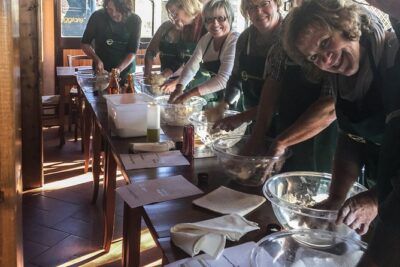
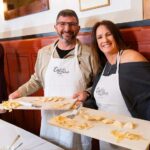
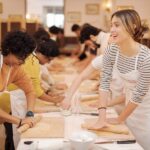
- Where You Meet: Osteria San Giorgio and the Room Vibe
- Kneading, Rolling, and Cutting Pasta: The Core Skill You Take Home
- From Dough to Plates: What the Pasta-Making Process Feels Like
- Tiramisù from Scratch: Whipping, Mixing, and Getting the Cream Right
- Eating Your Work: Wine, a Sit-Down Meal, and Real Satisfaction
- The Italian Food Culture Lesson That Helps You Cook Better
- Price and Value: Is $58 Worth It?
- Who This Class Suits Best (and Who Should Skip It)
- Practical Tips Before You Go
- Should You Book This Rome Fresh Pasta and Tiramisù Class?
- FAQ
- How long is the Rome cooking class?
- How much does the experience cost?
- What do you make during the class?
- Is the class taught in English?
- Is wine included?
- Where does the class meet?
- Is it suitable for gluten-free or lactose-free diets?
Key Highlights You’ll Actually Care About
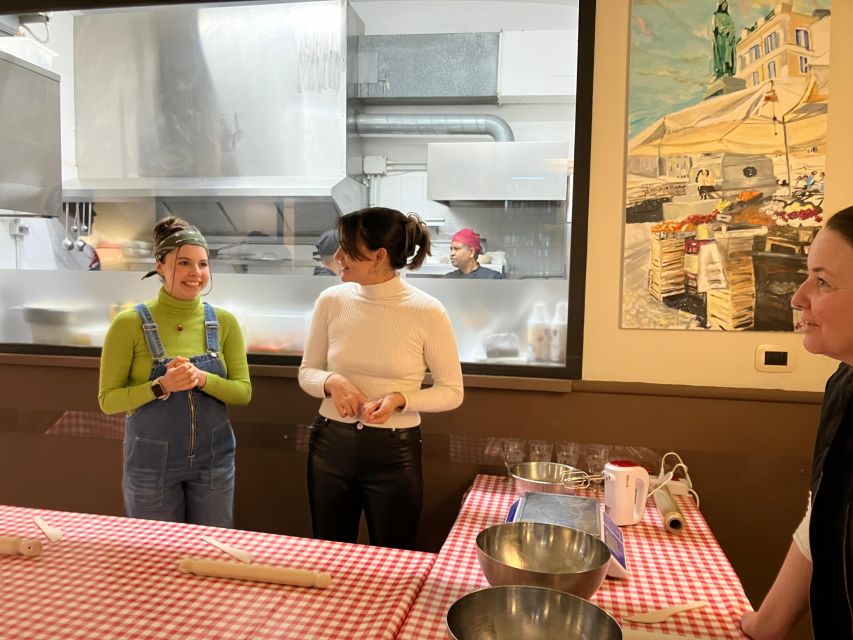
- Real hands-on pasta skills: knead, roll, and cut fresh dough
- Tiramisù practice: whipping and mixing for a creamy result
- Italian food culture in plain language from an English-speaking chef
- You eat your own meal with a glass of wine included
- A supportive vibe: the instructors are often praised for patience and making it easy for beginners
- Works for families: at least one past class included kids who could do everything
Fresh Pasta and Tiramisù in Rome: The Big Idea
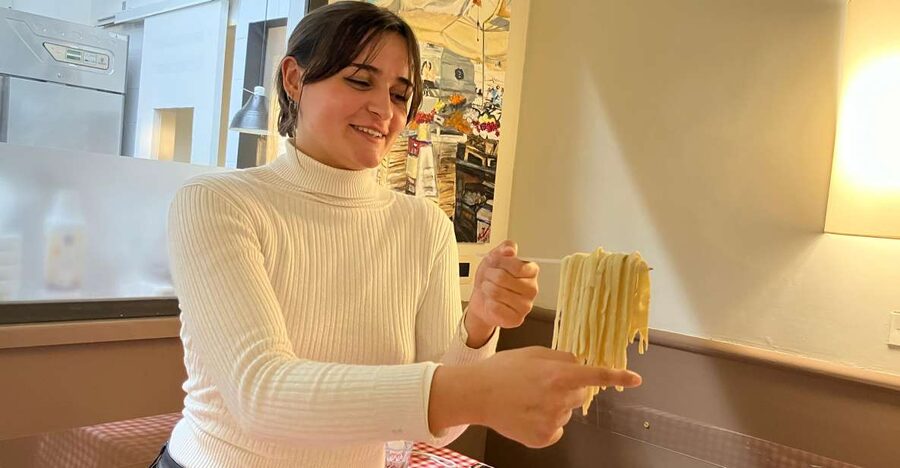
Rome has a way of making food feel personal. You can read menus all day, but making the food yourself is what really sticks. This class is built for that—two classic Roman comfort foods, created by your hands, then enjoyed at the table.
The focus is on technique you can carry home. Pasta dough is equal parts method and feel. Tiramisù is about texture—cream that’s airy, layers that hold together, and a balance that doesn’t get heavy.
And because you’re doing it in an actual Roman osteria-style setting at Osteria San Giorgio, it feels like you stepped into daily life, not a performance. You’ll leave with a meal you can cook again, not just a photo.
You can also read our reviews of more tours and experiences in Rome.
Where You Meet: Osteria San Giorgio and the Room Vibe
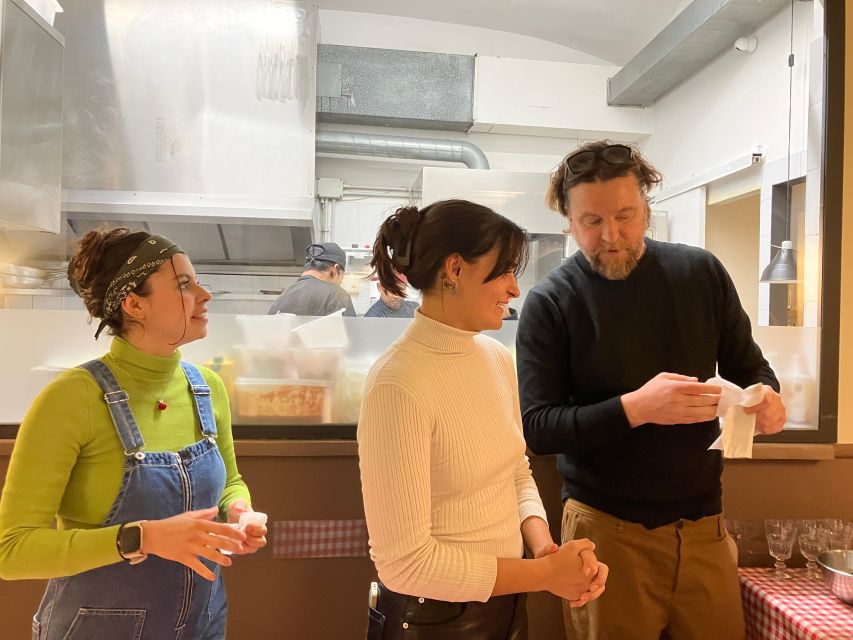
You’ll meet at Osteria San Giorgio. That matters more than it sounds. A kitchen in an osteria-style place tends to feel lived-in, with the rhythms of real service nearby—quietly Italian, not staged.
This class is designed to run smoothly in about 2.5 hours, so you’re not stuck for an entire day, but you also aren’t rushed through the creative parts. You should expect a relaxed pace with time to learn and ask questions.
One more thing I like: the instruction is English. When technique gets explained clearly—how dough should feel, how mixes should look—everyone benefits, even if you’ve never cooked pasta before.
Kneading, Rolling, and Cutting Pasta: The Core Skill You Take Home
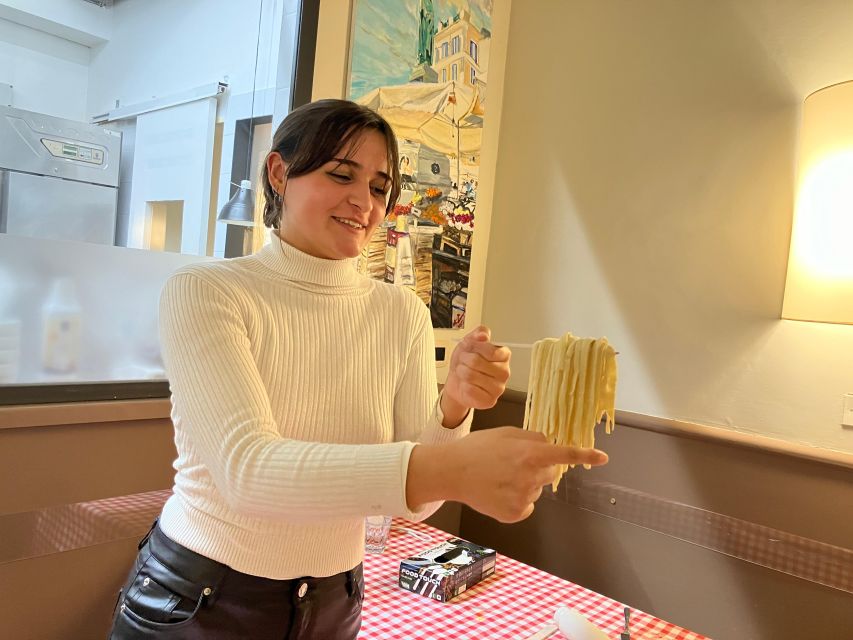
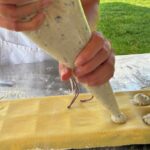
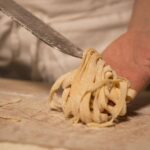
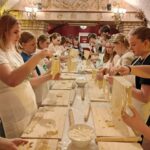
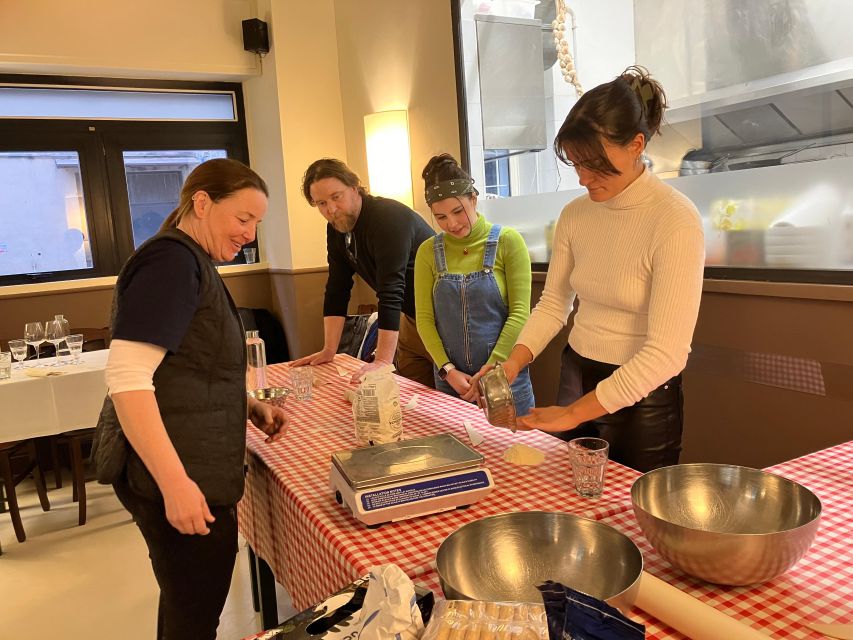
This is the heart of the experience: you learn how to make fresh pasta dough and then shape it.
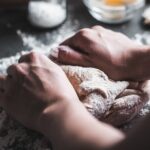
You’ll actively work through the steps, including kneading, rolling, and cutting. That sequence is important because pasta dough is temperamental. Knead enough and it turns elastic. Roll too thick or too thin and the texture changes. Cut badly and the cooking time won’t behave.
In a good session, the chef keeps an eye on your dough and gives corrections before you get too far. Based on past participant experiences, instructors here are known for being patient and making it feel doable, including for people who are brand new to pasta.
If you’re the type who learns best by doing, this class will click. If you’re the type who gets nervous about messing up food, you’ll still be fine—this kind of cooking is about practice, not perfection.
From Dough to Plates: What the Pasta-Making Process Feels Like
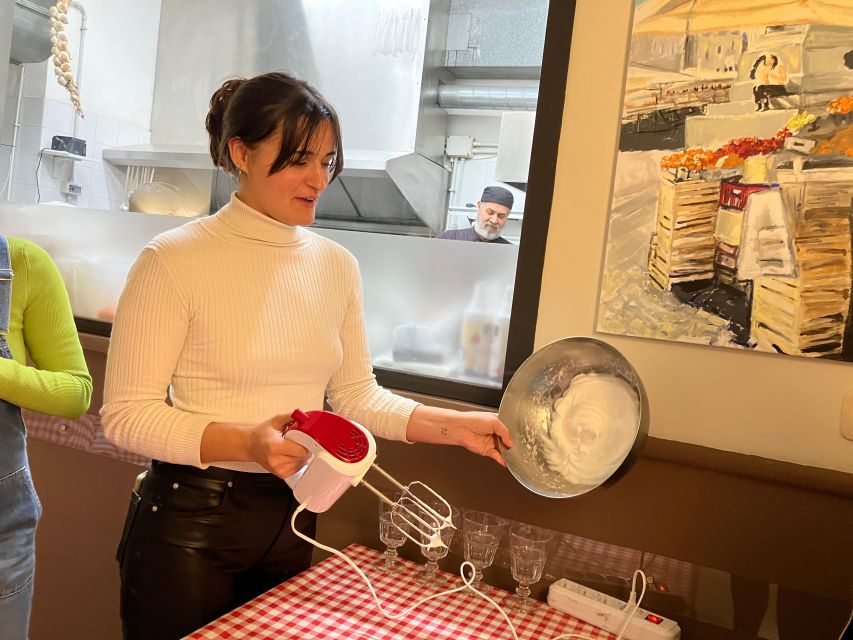
Fresh pasta is one of those things where small changes matter. Even if you don’t know the technical terms, you’ll notice the differences when you handle the dough.
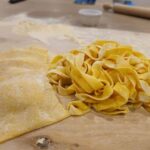
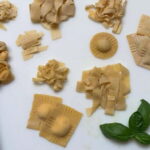
You’ll learn how to shape it in a way that looks good and cooks well. And because you’re making it fresh in the moment, it’s not dried pasta pretending to be special. It’s tender, with that fresh bite you only get when the timing is right.
Practical note for your expectations: your hands may get floury and a bit messy. That’s part of the bargain. Bring a mindset that says, this is cooking class messy, not formal dinner messy.
You’ll probably also start thinking like an Italian cook, even if you’re cooking for the first time. Pasta isn’t just a side dish. It’s the main event, built from ingredients and technique that you control.
Tiramisù from Scratch: Whipping, Mixing, and Getting the Cream Right
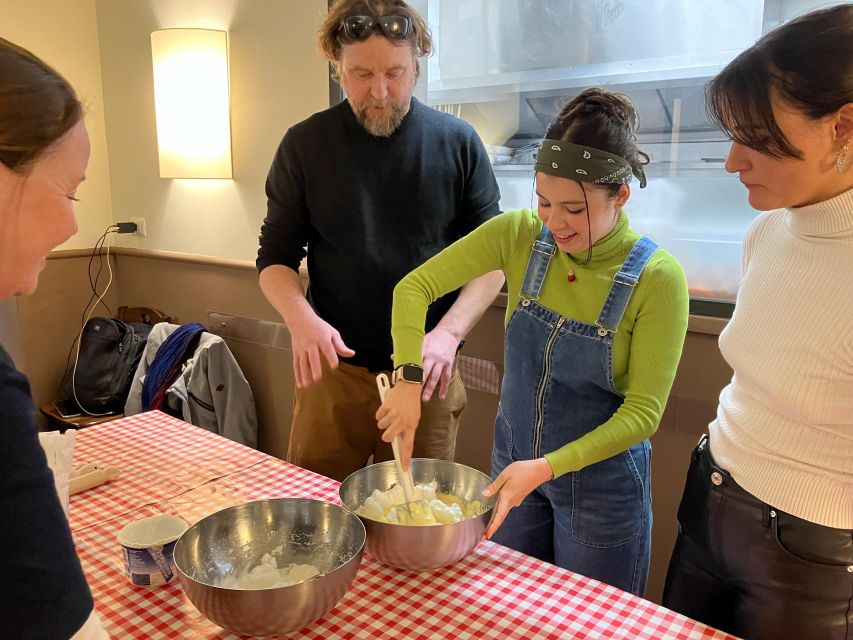
Then you shift to dessert, and specifically tiramisù—the cake that’s popular everywhere and yet easy to mess up.
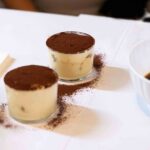
In this class, you’ll learn the steps that make tiramisù taste creamy instead of heavy. That means working through the mixing and whipping so the texture lands correctly. The goal is that lush, spoonable cream that holds together in layers.
You’re creating and assembling the tiramisù yourself. That’s a big deal because tiramisù is one of those desserts people assume is automatic. It’s not. The structure comes from how you mix and how you build.
Here’s why this part is valuable: once you understand the cream-making technique, you can adjust future tiramisù experiments at home. More or less sweetness. Different cocoa intensity. A more or less wet layer style. You’ll have a baseline you can trust.
Also, many people appreciate that the class doesn’t treat dessert like a separate world. It’s part of the same Italian meal mindset: simple ingredients, careful timing, and comfort.


Eating Your Work: Wine, a Sit-Down Meal, and Real Satisfaction
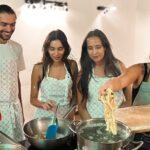
At the end, you’ll enjoy the meal you made along with a glass of fine wine. That pairing makes sense. Cooking builds a connection to the food. Eating it confirms the whole point—this wasn’t just a class, it was a meal.
In about 2.5 hours, you don’t just get the learning experience—you get the reward. That’s one of the reasons cooking classes can feel more memorable than typical sightseeing. You’re not hunting for a great meal later. You already made it.
If you’re visiting Rome and want one activity that feels like a story you can repeat, this is it. You’ll have the sensory memory: fresh pasta aroma, creamy tiramisù texture, and the comfort of a real Italian table moment.
The Italian Food Culture Lesson That Helps You Cook Better
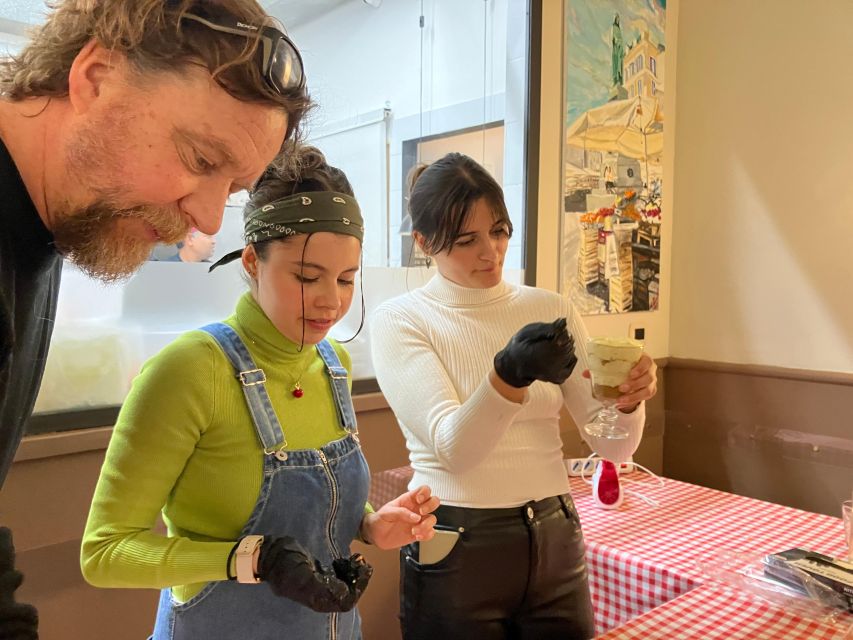
The chef spends time sharing information about Italian food culture while you cook. This part is more than background talk—it’s what helps the recipes make sense.
When you learn the cultural logic behind ingredients and methods, you stop treating cooking like a set of strict rules. You start treating it like a set of smart habits. Why certain textures matter. Why fresh pasta works when it’s made and eaten promptly. Why tiramisù has a specific balance of cream and cocoa.
And because the class is hands-on, the culture lessons land in real time. You’ll hear a point, then immediately apply it with your dough or your cream.
This is also where the instructor personality matters. Past sessions highlight chefs who are friendly and easy to work with—names mentioned include Kris, Kristian, Luca, and Elisabeth. That kind of teaching approach makes a difference, especially if you’re traveling solo or bringing kids.
Price and Value: Is $58 Worth It?
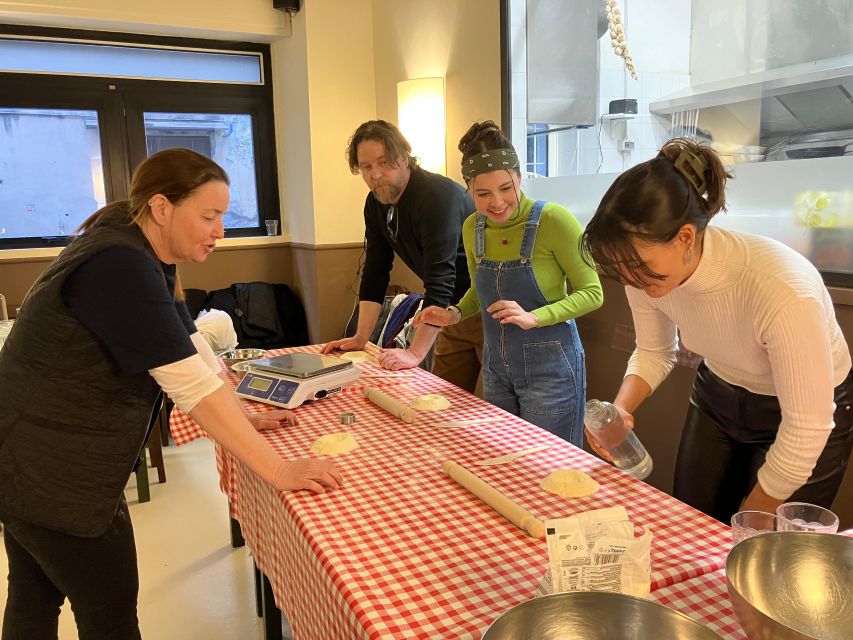
At $58 per person for 2.5 hours, this is priced like a mid-range Rome food experience. The value comes from what’s included: professional expert, all ingredients, all utensils, food and wine.
Here’s how I think about the math. In Rome, buying the ingredients and tooling yourself is already expensive if you try to replicate the experience without a guide. Plus, you pay for technique feedback—having someone show you how dough should feel and how mixtures should come together is hard to replicate from YouTube.
You’re also getting two complete outputs: fresh pasta and a tiramisù cake. Most cooking classes pick one. Here, you get both, plus wine, within a tight time window.
So yes, I’d call it good value if you want a real culinary skill, not just a tasting. If your goal is only to eat, then you might consider a restaurant meal instead. But if you want to leave with know-how, this price is easier to justify.
Who This Class Suits Best (and Who Should Skip It)
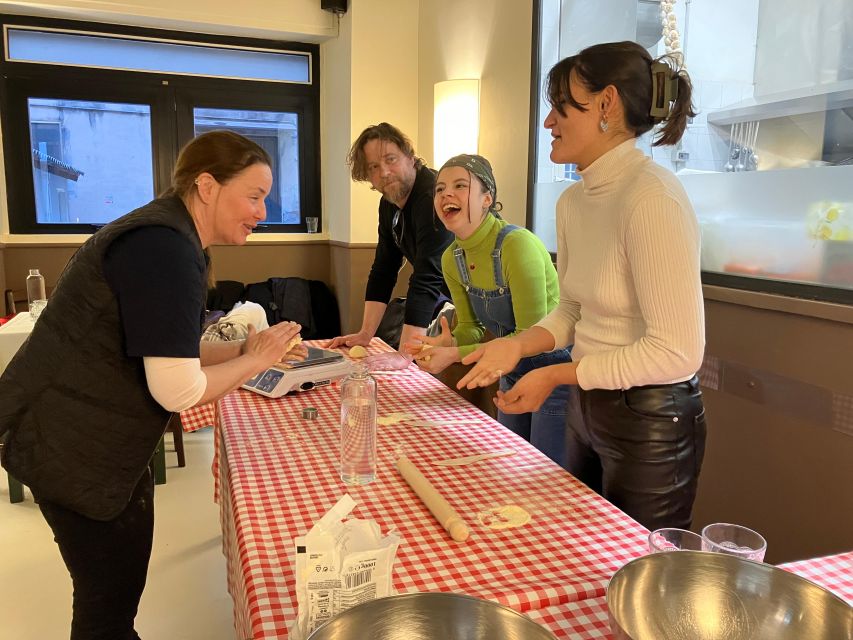
This experience is best for people who:
- want hands-on cooking time rather than observation
- like Italian comfort food and want to learn the technique
- enjoy learning in an English-guided format
- don’t mind getting a little flour on your hands
It can work well for families, too. One past class specifically noted that kids (including a 6- and 10-year-old) were able to do everything.
Who should skip it:
- anyone looking for vegan options
- anyone with gluten intolerance
- anyone with lactose intolerance
Even if you’re flexible, the ingredient constraints are baked into the class structure. Also, it includes wine, so consider that if alcohol timing matters for your day.
Practical Tips Before You Go
A few small choices can make your class smoother:
- wear something you don’t mind getting dusty (flour happens)
- come ready to participate, not just watch
- if you have questions, ask early—timing matters for dough and mixes
- keep an eye on the flow: fresh pasta and dessert steps move together
If you’re planning other Rome activities after, build in a little buffer. Cooking classes can end when you’re hungry and satisfied, but your brain may be pleasantly full of new steps you’ll want to remember.
Should You Book This Rome Fresh Pasta and Tiramisù Class?
Book it if you want a memorable Rome experience that gives you real skills. The best reason is simple: you’re not just eating Italian food—you’re learning how to make two of its biggest comfort classics, using techniques you can repeat at home.
Skip it if you have dietary limits like vegan, gluten-free, or lactose intolerance, because the class isn’t set up for those needs. Also skip it if you’d rather spend your limited time eating at great restaurants than doing hands-on cooking.
If you’re on the fence, here’s my quick decision rule: if you’d happily cook fresh pasta at home again one day, this class is worth your time and money.
FAQ
How long is the Rome cooking class?
The class lasts 2.5 hours.
How much does the experience cost?
It costs $58 per person.
What do you make during the class?
You’ll learn to make fresh hand-made pasta and tiramisù cake.
Is the class taught in English?
Yes, the instructor is English speaking.
Is wine included?
Yes. You’ll enjoy your meal with a glass of fine wine.
Where does the class meet?
The meeting point is Osteria San Giorgio.
Is it suitable for gluten-free or lactose-free diets?
No. It is not suitable for gluten intolerance or lactose intolerance, and it’s also not suitable for vegans.