REVIEW · ROME
Rome: Fettuccine, Ravioli, and Tiramisu Cooking Class
Book on GetYourGuide →Operated by Bella Vita Food Tours · Bookable on GetYourGuide
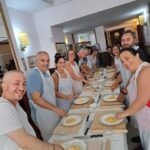
Flour on your sleeves beats a souvenir magnet. This Rome class teaches you to make fettuccine, ravioli, and tiramisu from scratch with a chef who explains the why behind the steps. You’ll also get that small-group feel, and the tone tends to stay friendly and practical.
Two things I really like: the hands-on pacing and the way Giuseppe guides you step by step (including useful pasta tips like how to choose flour for better dough). Second, you’re not just learning—you finish by eating the meal you made, with drinks served alongside.
One consideration: this experience is not suitable for people with food allergies, so if allergies are part of your planning, you’ll want to skip this one.
In This Review
- Key highlights worth your time
- A Rome pasta class that teaches real technique (not just timing)
- The 3-hour flow: fettuccine, ravioli, then tiramisu
- Fettuccine: knead, roll, and shape fresh pasta
- Ravioli: hand-stuffed pasta with careful sealing
- Tiramisu: build the signature dessert
- What you actually learn (and why it matters back home)
- Flour and dough feel
- Rolling and portioning without stress
- Ravioli sealing confidence
- Dessert layering made simpler
- The meal: you don’t just taste, you finish the project
- What you might not cook from scratch
- Price and value: is $69 fair for three dishes?
- Who should book (and who should skip)
- Practical tips so you enjoy every minute
- Should you book this Rome cooking class?
- FAQ
- How long is the cooking class in Rome?
- What dishes will I make?
- Do I need prior cooking experience?
- Is the class taught in English?
- What’s included in the price?
- Are drinks included?
- Is the class suitable for vegetarians?
- Is it suitable for people with food allergies?
- What should I bring or wear?
- Is the location wheelchair accessible?
Key highlights worth your time
- Three classics, made by you: fresh fettuccine, hand-stuffed ravioli, and tiramisu
- Chef-led, English instruction with step-by-step coaching and helpful “why this works” explanations
- Small-group vibe (some sessions are around 4 people including you)
- Sauces/dishes aren’t all starting from zero since the sauce is prepared in advance, so you focus on pasta and dessert
- You eat what you cook, plus the class meal is paired with drinks (bubbly/wine/limoncello or champagne with wine, depending on the session)
- A secret bonus: you receive a secret cookie recipe PDF
A Rome pasta class that teaches real technique (not just timing)
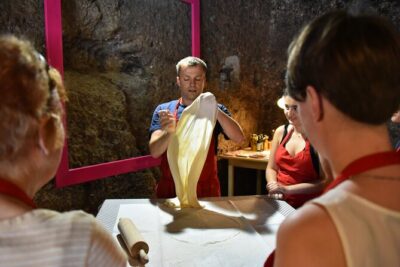
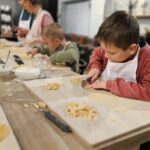
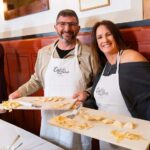
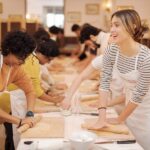
Rome can turn into a “look, photo, move on” kind of trip. This cooking class is different because it slows you down on purpose. For about three hours, you’re working with dough, shaping pasta, and building a dessert. That hands-on time gives you something most tours don’t: a skill you can repeat later at home.
The best part is how the class stays practical. You’re guided through kneading, rolling, and shaping, and you’re not expected to already know what “right” looks like. Even if you’ve never cooked pasta dough before, you’ll be walked through each stage. One review specifically praised how the instructor explained the reasons behind the processes, not just the motions.
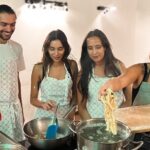
And yes, your hands will get messy. That’s the point. If you wear comfortable clothes you don’t mind getting flour on (smart move), you’ll feel more like a student in a kitchen than a customer in a showroom.
You can also read our reviews of more tours and experiences in Rome.
The 3-hour flow: fettuccine, ravioli, then tiramisu
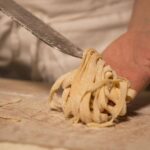
The schedule is built around three wins: dough work, stuffing work, then dessert assembly. The exact order can vary a bit by session, but the class is designed so you leave with everything complete and ready to eat.
Fettuccine: knead, roll, and shape fresh pasta
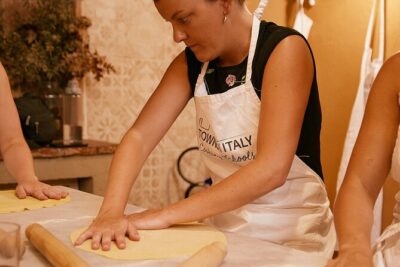
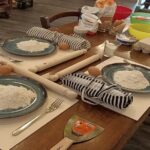
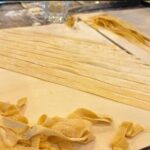
You start with the dough. You’ll knead, then roll it out and shape it into fettuccine. This is where you learn the feel of pasta dough—how it should come together, and how to handle it without making it tough or uneven.
A chef tip that really stood out: you may learn how to choose suitable flour for pasta. That’s the kind of small detail that makes your results improve fast at home, because flour isn’t just a label—it changes dough texture and how it rolls.
If you’re thinking, I don’t know if I can do this, good news: the class is structured for beginners. You’re not being graded. You’re being coached.
Ravioli: hand-stuffed pasta with careful sealing
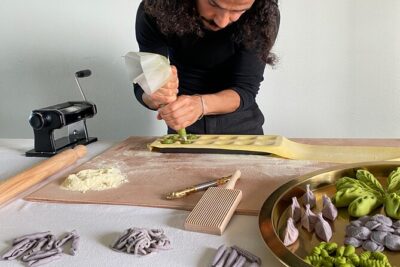
Next comes the delicate part: hand-stuffed ravioli. You’ll prepare and shape the ravioli by working with smaller portions of dough and building a filling. Hand-stuffing matters because it forces attention. You learn how to portion and how to form each piece so it holds together.
This is also where you’ll see the benefit of step-by-step guidance. Ravioli is the one dish where small mistakes are obvious, but the chef’s instruction helps you correct as you go. That’s a big reason why this class gets such high marks.
Also note one practical detail: the class focuses on pasta work and dessert. The sauce part is prepared in advance by the chef, so you’re not spending your whole time making a multi-step condiment from scratch.
Tiramisu: build the signature dessert
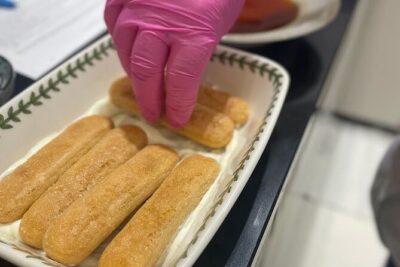
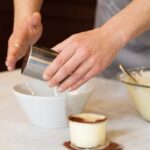
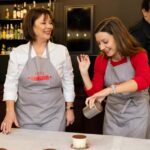
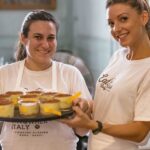
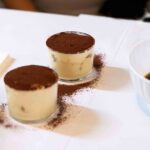
Last is tiramisu, Italy’s famous dessert. You’ll create it under chef guidance, so you don’t have to guess about layering or texture. Even if you’re not a “dessert person,” you’ll have a clear set of steps and a team to help you stay on track.
Tiramisu is one of those dishes that can look intimidating. In class, it’s treated like a process: you learn the sequence and the handling. When you’re finished, you don’t just admire it—you take it into the meal portion and enjoy what you made.


What you actually learn (and why it matters back home)
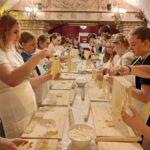
A lot of food classes teach you how to assemble a finished plate. This one leans more toward learning technique, which is why it’s easier to repeat later.
Flour and dough feel
One standout tip from the experience: guidance on finding suitable flour for pasta. That matters because flour affects elasticity and how smoothly the dough rolls. If you’ve ever made dough and thought, I followed the recipe but it’s wrong, this is the kind of correction that saves your next try.
In practical terms, you’ll come away with a better sense of what dough should look and feel like—so you can adapt when you’re cooking at home with different ingredients.
Rolling and portioning without stress
Rolling pasta evenly is an art. Here, you’re doing it in a guided setting. The chef helps you avoid the two common problems: rolling too thick (which turns pasta heavy) or too thin (which can get fragile). You’ll also learn how to portion dough for ravioli so you’re not just guessing sizes.
Ravioli sealing confidence
Hand-stuffed ravioli is where confidence comes from repetition. Even if your first ones aren’t perfect, the goal is to get you shaping ravioli that stay closed and cook well. After class, you’ll know what “good enough” looks like and how to fix mistakes on the fly.
Dessert layering made simpler
Tiramisu often fails when people rush the layering step or don’t know what consistency to aim for. You learn the sequence in a hands-on way, so it becomes a repeatable method instead of a mystery.
The meal: you don’t just taste, you finish the project
Cooking classes are supposed to end with a meal. This one does—because you sit down and eat what you made.
And there’s another point worth knowing: the class experience commonly includes drinks. Some sessions include a glass of bubbly, wine, and limoncello with the overall experience, while others mention a meal served with champagne and your choice of wine. The exact mix can vary by session, but the key takeaway is that your dinner isn’t water-and-patience.
That matters for value. At $69 per person, you’re paying for ingredients, chef time, and instruction, yes—but also for the full “work then enjoy” arc. You’re not paying just to learn in theory.
What you might not cook from scratch
The one detail to keep in mind: the sauce element is prepared in advance by the chef. That’s not a downside so much as a smart design choice. It lets your limited class time stay focused on the pasta and dessert parts that benefit most from hands-on instruction.
Price and value: is $69 fair for three dishes?
$69 for a 3-hour, chef-led class that includes three dishes is generally solid value, especially in Rome. Here’s why it adds up:
- Ingredients are included, so you’re not doing the annoying add-on math later.
- You get hands-on time with structured guidance for pasta dough, rolling, stuffing, and dessert assembly.
- The class ends with a meal you prepared, so you get to eat the results rather than leaving with just a recipe.
- You also receive a secret cookie recipe PDF, which is a small bonus but a nice one for taking something extra home.
If you’ve been doing mostly walking tours and museum tickets, this class is a different kind of budget line. It’s more “experience per dollar” than “another entry fee,” because you’re actively making something and leaving with skills.
For families, couples, and small groups, it also has a nice built-in payoff: everyone eats what they made.
Who should book (and who should skip)
This class is a good match if you:
- Want to learn pasta basics without prior cooking experience
- Prefer a structured, hands-on activity instead of another long day of sightseeing
- Travel with partners, friends, or family who’ll actually enjoy getting flour on their hands
- Want vegetarian-friendly cooking (you’ll just need to notify in advance about dietary restrictions)
It’s not the best match if you:
- Have food allergies, since the experience is not suitable for people with food allergies
- Don’t want to wear comfortable clothes that could get a little messy
Practical notes:
- Instruction is in English.
- Pets aren’t allowed, and smoking isn’t allowed.
- The venue is wheelchair accessible, which is a big plus if you need that option.
Practical tips so you enjoy every minute
- Wear comfortable clothes. You’re working with dough, so plan for flour and the occasional splash.
- Keep expectations simple. This is three hours. You’re learning techniques fast, not becoming a pasta maker overnight.
- Come hungry. The point is to cook, then eat what you made. You’ll be ready by the end.
- If you have dietary restrictions, tell them ahead of time—vegetarian suitability is noted, but the earlier you communicate needs, the easier it is for the kitchen.
Should you book this Rome cooking class?
I think you should book it if you want a hands-on Rome activity with a clear payoff: three Italian favorites made from scratch, guided by a chef, then served as your meal. The small-group feel, the step-by-step coaching from Giuseppe, and the practical tips (including flour choice) make it feel like learning you can use again, not just watching a process.
Skip it if food allergies are part of your situation. Also, if you dislike anything messy at all, you might find the flour-and-dough side annoying. But if you can roll with a bit of kitchen mess, this is one of those experiences that makes your trip taste like something.
FAQ
How long is the cooking class in Rome?
The class lasts 3 hours.
What dishes will I make?
You’ll make fettuccine, hand-stuffed ravioli, and tiramisu.
Do I need prior cooking experience?
No prior cooking experience is required.
Is the class taught in English?
Yes. The instructor teaches in English.
What’s included in the price?
You get all necessary ingredients, expert chef guidance, hands-on making of the dishes, and you eat the meal you prepared. You also receive a secret cookie recipe PDF.
Are drinks included?
Alcohol isn’t listed in the provided included items, but multiple sessions mention drinks with the meal such as bubbly, wine, limoncello, and champagne with a choice of wine.
Is the class suitable for vegetarians?
Yes, the class is suitable for vegetarians. If you have dietary restrictions, you should notify in advance.
Is it suitable for people with food allergies?
No. The class is not suitable for people with food allergies.
What should I bring or wear?
Wear comfortable clothes that you don’t mind getting a bit messy.
Is the location wheelchair accessible?
Yes, the experience is wheelchair accessible.