REVIEW · MUMBAI
Small Group Authentic Mumbai Virtual Cooking Class with Dessert
Book on Viator →Operated by Mystical Mumbai · Bookable on Viator
Cooking Mumbai food from your living room is fun. This small-group, live virtual class runs from a Mumbai home kitchen and walks you through two crowd favorites, pav bhaji and rice kheer, with real-time questions and cultural storytelling mixed in.
I like that it’s taught by Kajal, a Mumbai-based home chef who learned these recipes in a traditional family setting. I also like that you get everything set up ahead of time so you can actually cook with confidence: there’s an ingredient list, and the live format means you’re not stuck guessing what went wrong.
One thing to keep in mind: the operator says the videography won’t be professional-level. The cooking and teaching are the point, but if you expect slick production, manage your expectations.
In This Review
- Key things to know before you cook along
- The real hook: live cooking from a Mumbai home, not a studio show
- Meet Kajal in her kitchen and understand what Mumbai cooking means
- Pav bhaji: thick, savory, and built for learning
- Rice kheer: the sweet finale that turns dinner plans into an occasion
- How the class runs (and what you should do 30–45 minutes before)
- Price and value: $20 for a live kitchen lesson with real Q&A
- Who this Mumbai virtual class is best for
- Should you book this Mumbai virtual cooking class?
- FAQ
- How long is the virtual cooking class?
- What dishes will we learn to cook?
- Who teaches the class?
- Is this class live or recorded?
- What time zone are the class times listed in?
- What do I need to join from home?
- Can I participate if I have food allergies?
- How many people are in the class?
- What’s the cancellation window?
Key things to know before you cook along
- A live Skype class, not a recorded video, so you can ask questions as you go
- Two dishes centered on Mumbai favorites: pav bhaji (savory) and rice kheer (sweet)
- Cook with a small group (up to 6), which usually keeps the Q&A more practical
- Ingredient prep is handled in advance, with an ingredient list shared ahead of time
- You’ll hear the why behind the food, including family and cultural context from the home kitchen
The real hook: live cooking from a Mumbai home, not a studio show
Virtual cooking classes can turn into passive watching. What makes this one different is the live connection. You’re on Skype with Kajal as she teaches step-by-step, and you can ask questions while you’re holding the spoon. That changes everything, especially for dishes like pav bhaji where texture and timing matter.
I also like that the class is positioned as a home experience. It’s not just the food. You’re meeting the family setting and hearing the stories around the meals, which is where a lot of meaning sits for Indian home cooking. If you’ve cooked before and wondered why one person’s version tastes right while another’s doesn’t, this cultural context helps you adjust your instincts.
The class is small (maximum 6 people). That matters because it reduces the chance your question gets lost in the chat—and it usually feels less like a class and more like cooking with someone who actually cares if you get it.
You can also read our reviews of more tours and experiences in Mumbai.
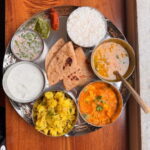
Meet Kajal in her kitchen and understand what Mumbai cooking means
Kajal is the chef for this class, based in Mumbai. She comes from a traditional Indian family, where the recipes were learned from her mom and older sister. She started food tours in 2017, and pav bhaji is one of her most popular offerings. That background matters, because she’s not treating the lesson like theory. She’s teaching what she’s cooked and explained countless times.
The experience is also designed to connect you to Mumbai itself, even though you’re at home. The class is said to be taught from inside Mumbai’s largest slum area, and the goal is to share culture and daily life alongside the cooking. You might still notice “real life” limitations on camera, but that authenticity is part of the point.
Practical note: available class times are given in Indian Standard Time (IST). Before you book, double-check the time difference so you’re not cooking at 2 a.m. in your timezone. If you’ve ever missed an online lesson because you didn’t translate the time, you already know the pain.
Pav bhaji: thick, savory, and built for learning
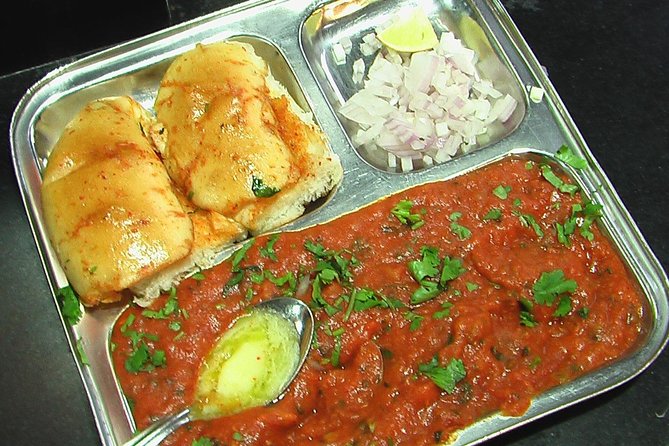
Pav bhaji is one of those dishes that feels simple but has a “secret zone” where it goes from okay to great. It’s a thick vegetable curry made with seasonal vegetables, potatoes, tomatoes, and onions. Then it’s served hot with pav, which are soft bread rolls topped with butter.
Here’s why I think this is a smart dish for a first-time virtual cooking class. You get a clear structure: a hearty vegetable curry plus bread and butter. And because the curry uses common ingredients, you can focus on technique—like getting the right thickness and balancing the flavor—rather than hunting for hard-to-find items.
A couple useful context details you’ll hear:
- The word pav comes from the Portuguese word for bread.
- Bhaji in Marathi means a vegetable dish.
That history-by-way-of-language might sound small, but it helps you appreciate why pav bhaji feels like a city food. It’s street-snack logic turned into a home-cooking lesson.
What to expect during the class portion for pav bhaji:
- Kajal walks you through the step-by-step process in real time.
- You’ll follow her lead while cooking, not just after-the-fact.
- Since you can ask questions, you can clarify if your curry looks thinner, thicker, or different in color than she’s aiming for.
One consideration: the class is not described as a professional cooking class. That means the teaching style is meant to help you cook and learn, not to act like a TV kitchen. If you want coaching with strict culinary precision, you may need to lean on your own instincts and ask follow-up questions.
Rice kheer: the sweet finale that turns dinner plans into an occasion
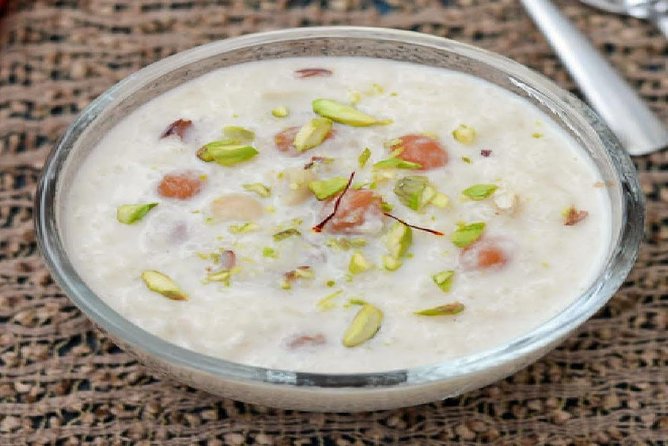
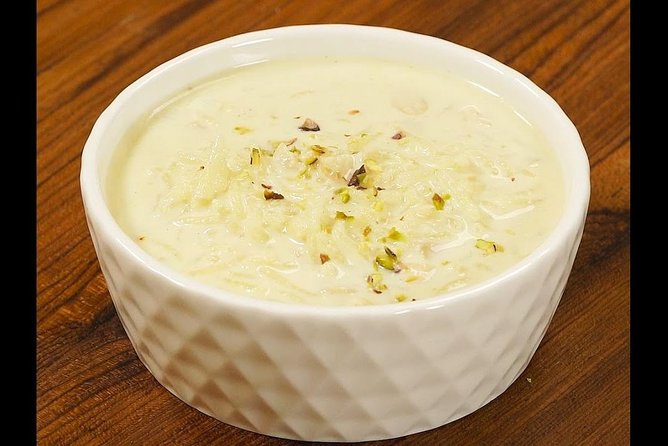
If pav bhaji is comfort food, rice kheer is the part that makes the meal feel like a celebration. It’s a traditional Indian sweet dessert made for festivals and occasions.
Kheer is usually about texture and patience—creamy rice, sweet flavor, and a finish that feels special even if you’re eating at home on a random weeknight. In this class, Kajal teaches you the process live. You’re not just watching her stir; you’re cooking along while she explains what to look for.
Why this second dish is valuable in one session:
- It gives you a savory-and-sweet arc, so your dinner doesn’t feel like leftovers warmed up.
- It shows a second style of Indian cooking: one geared toward bold savory satisfaction and one geared toward dessert comfort.
- It rounds out the class culturally, since kheer is tied to festivals and occasions.
By the time you reach the kheer portion, you’ll likely have a better feel for the pacing of the lesson. That’s important with live online cooking, because the real challenge is not the ingredients—it’s keeping up.
How the class runs (and what you should do 30–45 minutes before)
The class is about 1 hour 30 minutes. You’ll join from home, follow the recipe steps in real time, and have a chance to ask questions as things happen. Because it’s live, your setup affects your results. This is one of those “kitchen readiness” moments.
Here’s what I’d do if I were preparing to cook along:
- Check your internet connection before you start. The experience specifically asks you to ensure your connection is working properly, because you’ll need to hear instructions clearly.
- Have your ingredients laid out. Even if you get an ingredient list ahead of time, you still want to reduce last-minute searching while you’re cooking.
- Keep a phone or tablet handy in the kitchen area. You don’t want to run back and forth between the screen and the stove.
- Plan your timing around the 90-minute flow. If you’re cooking dinner for others, think of this as the main event, not a side activity.
Also, the operator asks you to share any allergies with the chef. That’s a good idea even if you think the dish seems “safe,” because recipes can include ingredients you might not expect.
Finally, remember the video may not be professionally produced. You’ll still learn, but you’ll want to rely on instruction and visual cues rather than expecting cinematic close-ups.
Price and value: $20 for a live kitchen lesson with real Q&A
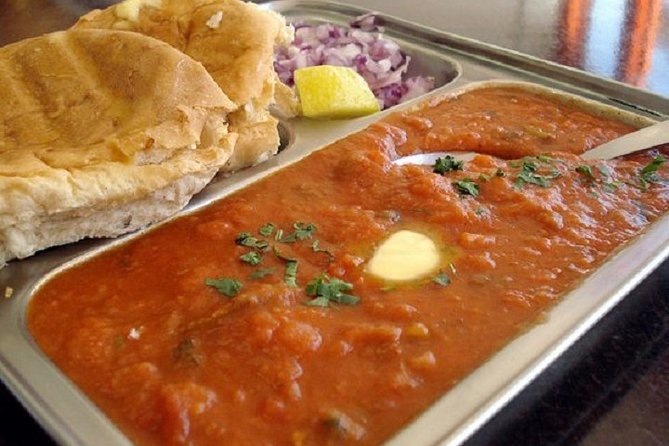
At $20 per person for roughly 90 minutes, this is priced like an accessible experience, not a premium food-tour-style splurge. The value is strongest if you want three things at once:
- A live teacher (Kajal) you can ask questions to
- Real dishes with clear steps (pav bhaji and rice kheer)
- Culture and stories tied to the food, not just cooking instructions
The small group limit (up to 6) also supports value. Fewer people usually means more chances for direct help. And because it’s taught from a home kitchen, you’re getting a more personal view of how recipes are taught and explained in everyday life.
One small tradeoff is the lack of professional videography. You’re paying for the experience and instruction, not production quality. If you’re the type who cares a lot about camera angles and lighting, you may feel that mismatch. If you care more about learning to cook and connecting to a real person, the bargain makes more sense.
Who this Mumbai virtual class is best for
I think this class works especially well if you:
- Want an India food experience without travel time or logistics
- Like learning from a home chef who learned the recipes in a traditional family setting
- Need a structured way to cook pav bhaji and kheer, rather than chasing random online recipes
- Are traveling with family or friends and want a shared activity from separate locations
It also fits well for special occasions at home. The reviews highlight it as a great online gift experience and mention strong English from the host. In practice, that matters because understanding instructions is half the battle in live cooking.
Should you book this Mumbai virtual cooking class?
Book it if your goal is to cook real Mumbai-style comfort food at home with live guidance, not to watch a show. The dishes are approachable, the teaching is step-by-step with real-time questions, and you’ll get the cultural context that makes the meal feel bigger than just dinner.
Hold off if you strongly prefer polished production, because the operator specifically notes the video won’t be professional-level. Also, if you know you’ll struggle with time zones, check the IST schedule carefully before committing.
If you’re ready for hands-on cooking, this is a good use of $20: you’re buying a meal you make yourself, plus a connection to Mumbai through one very practical, very human kitchen lesson.
FAQ
How long is the virtual cooking class?
The class is listed as about 1 hour 30 minutes.
What dishes will we learn to cook?
You’ll learn how to make pav bhaji and rice kheer.
Who teaches the class?
The chef is Kajal, based in Mumbai.
Is this class live or recorded?
It’s a live virtual class with a real-time connection on Skype, so you can ask questions while cooking.
What time zone are the class times listed in?
Available times are provided in Indian Standard Time (IST).
What do I need to join from home?
You’ll need working internet connection, and you’ll join virtually from your own home.
Can I participate if I have food allergies?
You should share allergies with the chef so they can be aware of ingredient concerns.
How many people are in the class?
The experience has a maximum of 6 travelers.
What’s the cancellation window?
Free cancellation is available up to 24 hours before the experience starts for a full refund.