REVIEW · UBUD
Ubud: Balinese Cooking Class, Rice Field & Market Tour
Book on GetYourGuide →Operated by AP Holidays · Bookable on GetYourGuide
Rice sauce and temple offerings? Ubud strings them together for you.
This 5-hour small-group experience in Ubud connects the flavors on your plate to the people and routines behind them: a traditional market for ingredients, a rice field to understand the Subak water system, and a Balinese home where daily offerings and family life rules make sense of the food.
I especially like how the day is built around why things are used, not just how to cook them. You’ll learn about Balinese ingredients and spices first, then you’ll practice with them in a cooking class that includes making Base Gede/Base Rajang, a sauce used as a base for many dishes. The second thing I like: the cultural stops feel practical and real—market bargaining vibes, working farms, and a family home where you’ll understand Canang Sari offerings and architecture concepts.
One possible drawback to think about: the walking and timing. You’ll move between several spots, and there’s a note that the market visit isn’t done for an afternoon class because the market is already closed. Plan for comfortable shoes and a morning schedule if you want the full sequence.
In This Review
- Key takeaways before you go
- A morning in Ubud that makes Balinese food make sense
- The traditional market: spices, produce, and practical tasting
- Rice fields and the Subak water system: food’s real source
- A Balinese house visit: architecture and family life rules
- Making an offering and learning Canang Sari meaning
- The cooking class: Base Gede/Base Rajang and a real dish-by-dish rhythm
- Timing, pickup, and how to plan your Ubud day
- What to bring so the day feels easy
- Who this tour suits best (and who should skip it)
- Value check: is $23 fair for what you get?
- Should you book this Ubud market-to-kitchen tour?
- FAQ
- How long is the Ubud Balinese Cooking Class, rice field, and market tour?
- Is this tour available in English?
- What is included in the price?
- Do I get picked up if I’m staying outside Ubud?
- Is the market visit included in both morning and afternoon classes?
- What should I bring with me?
- Is the tour suitable for children?
- Can I cancel and get a refund?
Key takeaways before you go
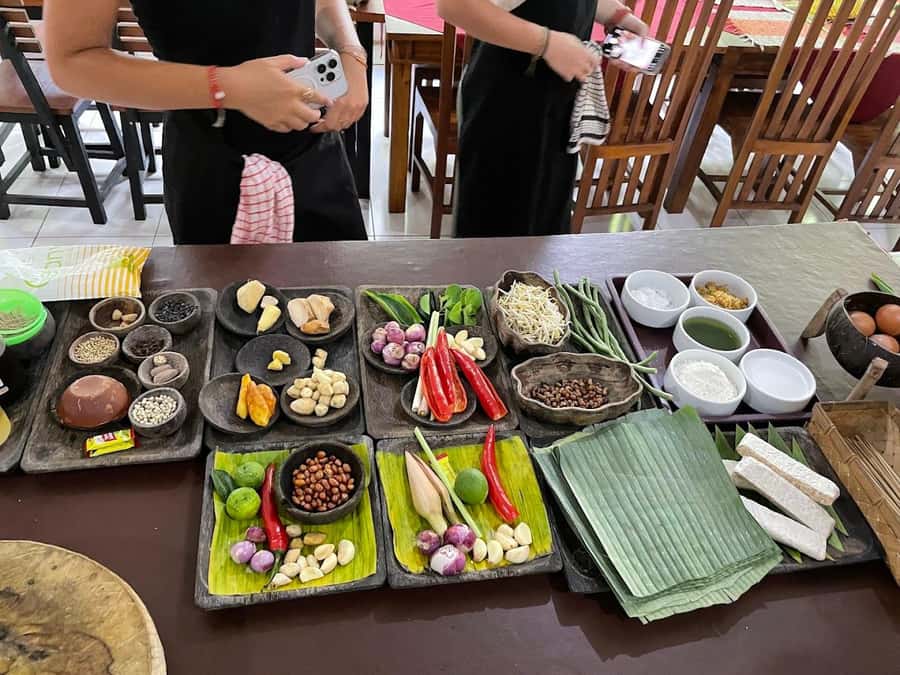
- Traditional market ingredient education: You’ll spot local produce and spices, learn what’s used daily, and get tasting time.
- Subak rice-field context: You’ll see how irrigation works in practice, not just as a concept.
- Balinese home architecture and family life: You get the “how people live” layer that makes the rest click.
- Canang Sari offerings hands-on learning: You’ll make an offering and understand what it symbolizes.
- Base Gede/Base Rajang cooking base: You’ll practice the foundational sauce used across multiple dishes.
A morning in Ubud that makes Balinese food make sense
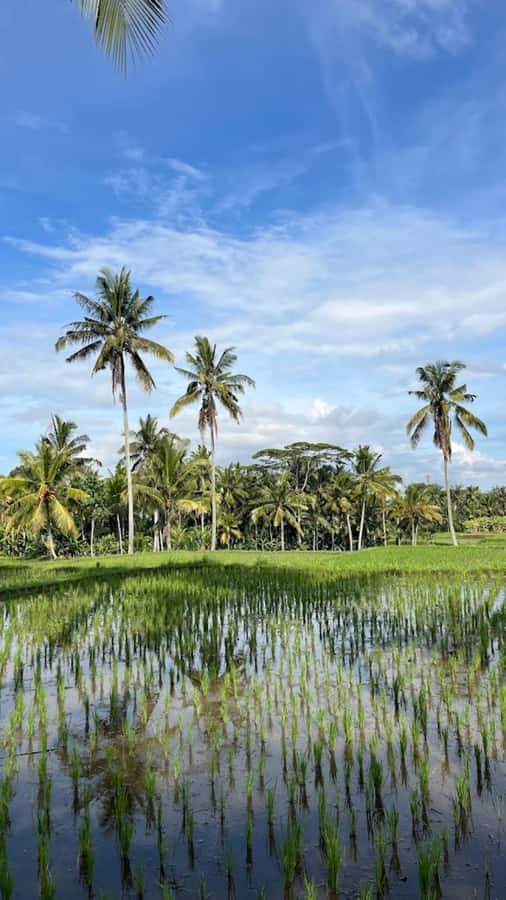
Ubud can feel like a blur of scooters, cafés, and photo stops. This tour slows things down. You start with ingredients and daily life, then you move outward—rice farming, family routines, and finally the kitchen. By the time you cook, you’re not guessing what a spice is or why an ingredient matters. You’ll know how local people think about food, thanks, and land.
The best value here is the order of operations. Markets teach you what’s available. Rice fields explain how the basics get grown. A Balinese home connects the daily rhythm—especially offerings—to the way people care for family and community. Then the cooking class turns those ideas into something you can taste, not just admire.
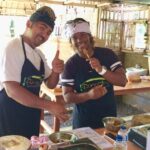
You’ll also get a small group setup (up to 6), with English instruction. That matters. In a class like this, it’s easier to ask questions, get help chopping or grinding, and actually understand what the instructor is showing you.
You can also read our reviews of more tours and experiences in Ubud.
The traditional market: spices, produce, and practical tasting
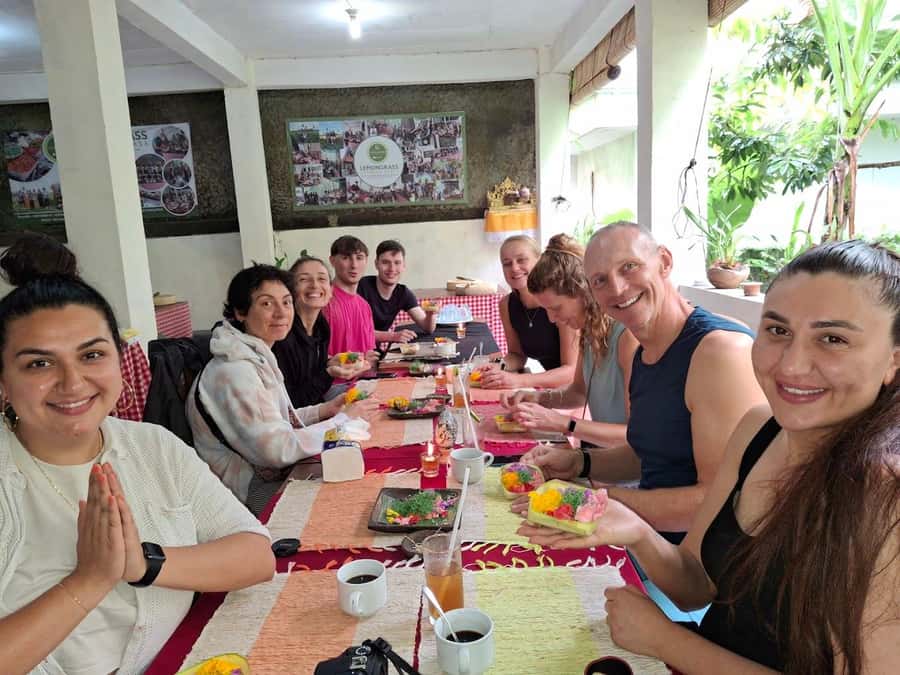
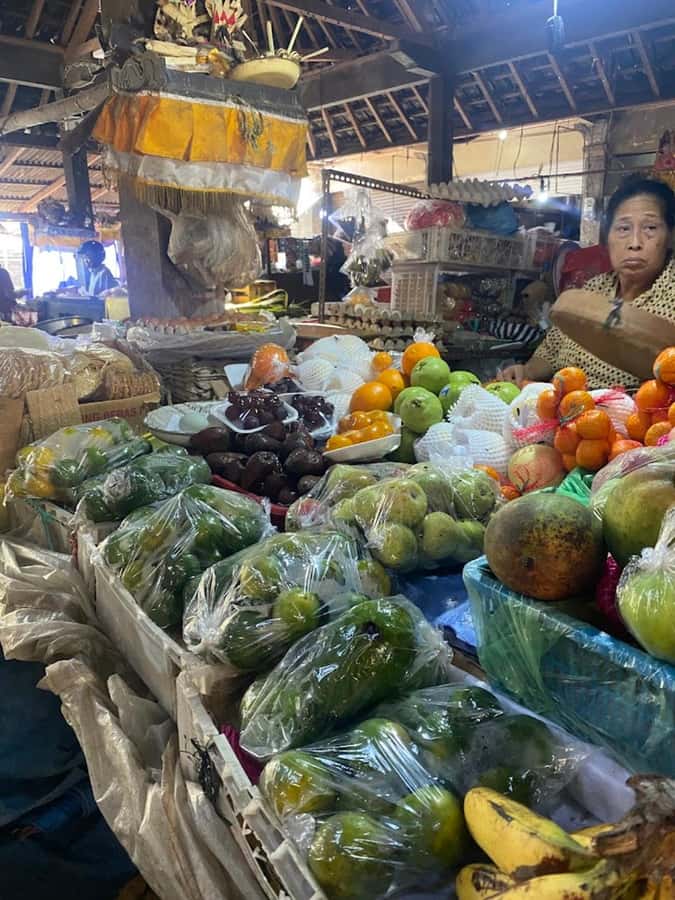
Your day starts at a traditional Balinese market. Expect a guided walkthrough of local ingredients you’ll see again in Balinese cooking: rice, spices, fruits, vegetables, fish, and meat. This isn’t a museum-style tour where someone points at items and moves on. The point is to connect the ingredients to everyday use.
A couple things I’d pay attention to at the market:
- Smell and texture clues. Spices and aromatics aren’t all about heat; many are about fragrance and the way they soften in a sauce. If you taste or handle ingredients, you’ll remember them during cooking.
- How ingredients are grouped. The guide’s job is to show you what people reach for and why. That makes the later “build-your-dish” cooking class easier.
One helpful detail: some classes include tasting at the market. That’s not a guarantee you’ll sample everything, but it’s a great way to train your palate before you start cooking.
Rice fields and the Subak water system: food’s real source
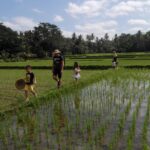
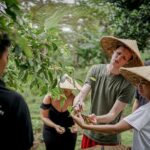
Next comes the rice field stop. This is where the tour becomes more than cooking. You’ll learn about the traditional Subak water system—how water is managed and shared for rice growing. Even if you’ve heard the name before, you’ll get it in a “how it works here” way.
Why this matters for you, practically: rice in Bali isn’t just a side dish. It’s tied to water, community cooperation, and seasonal work. When you understand that, later dishes don’t feel random. You’ll notice how rice farming supports the ingredients and routines that show up at the table.
Also, the tour includes walking here. It’s not described as a marathon hike, but it is “walking between stops.” Wear shoes you can trust on uneven ground. If you’re the type who hates wet feet or slippery surfaces, bring that mindset now.
A Balinese house visit: architecture and family life rules
Then you’ll visit a Balinese home. This part often becomes a favorite because it’s surprisingly clear once someone explains the concepts. You’ll learn about Balinese building ideas and the family life rules that shape daily living.
What I like about this stop is that it’s not just “look at the pretty house.” You’re learning the mental map behind the layout and routines. That makes the later offering lesson feel grounded instead of symbolic.
In the home setting, the guide will also explain the philosophy behind Canang Sari, a daily offering made as a symbol of thankfulness to the gods. It’s a moment where the tour connects culture to food in a way you can actually follow.
Making an offering and learning Canang Sari meaning
This tour includes making a traditional offering, tied to the philosophy of Canang Sari. You’ll learn about its significance and then create one yourself.
Even if you’re not religious, this is a meaningful cultural skill. You’re watching how people express gratitude in daily life, not only during big ceremonies. And making the offering gives you something concrete—your hands remember the process.
A practical note: you’ll likely spend time at a relaxed pace while the instructor explains. That’s part of the value. Rushed, “next stop” tours often skip this kind of learning moment.
The cooking class: Base Gede/Base Rajang and a real dish-by-dish rhythm
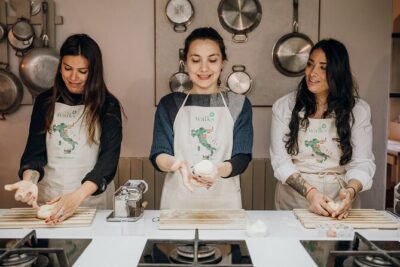
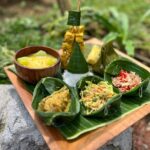
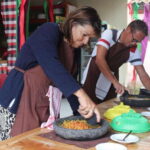
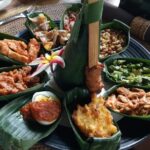
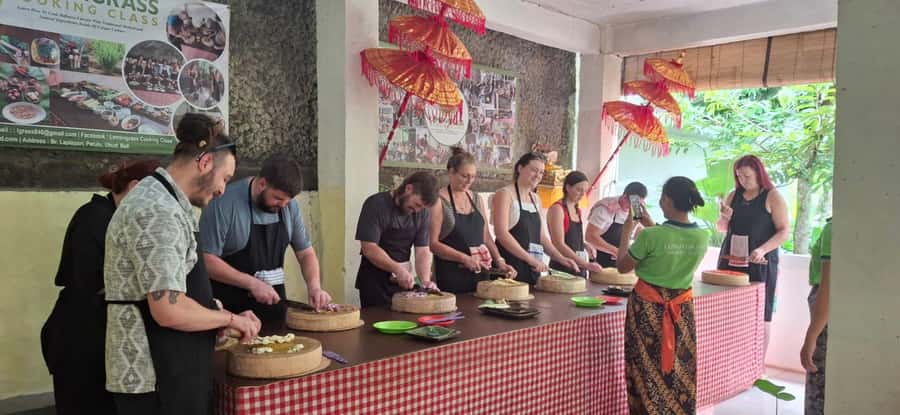
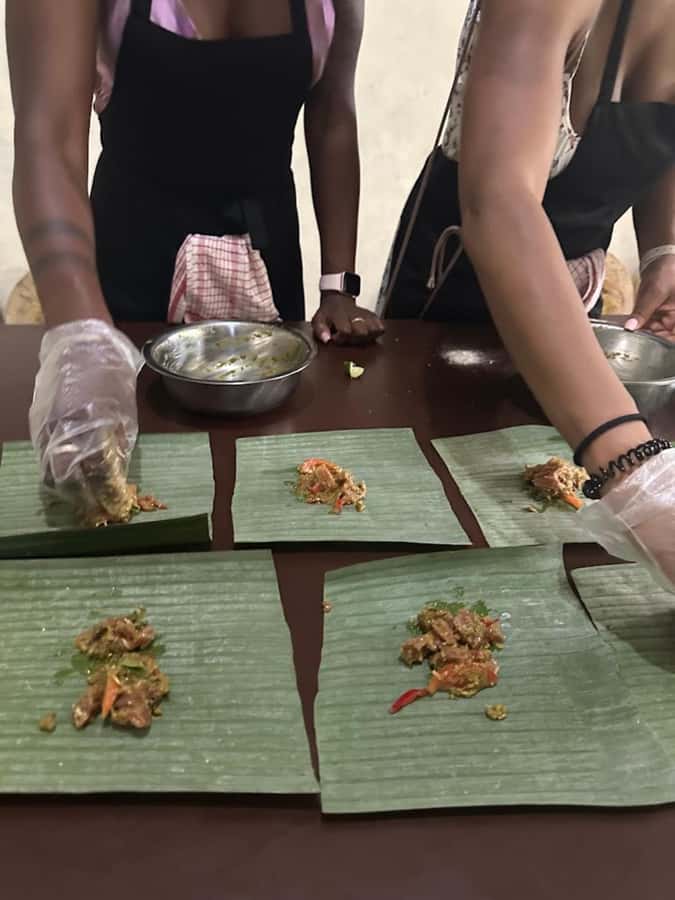
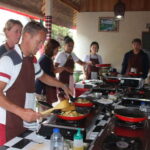
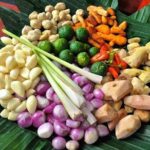
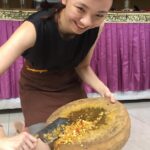
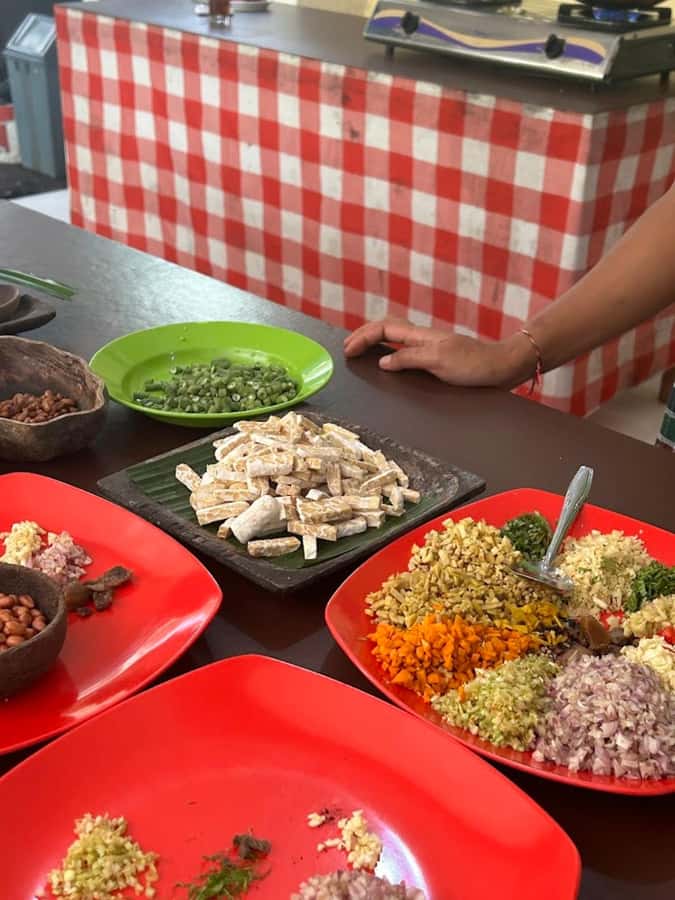
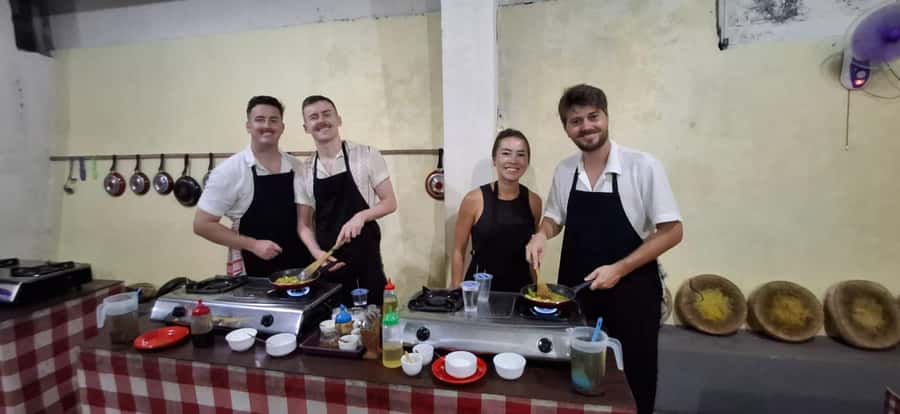
Finally, you get to cook. The class focuses on traditional Balinese dishes and includes detailed explanation of ingredients and technique. You’ll learn the traditional sauce called Base Gede / Base Rajang, described as a base used for many dishes.
This is the part I’d call “why the day is worth $23.” Many cooking classes show you a finished dish and then let you taste it. Here, you’re building a cooking base and learning the ingredient role as you go.
A few things that tend to make this kind of class work well:
- Small group attention. With up to 6 participants, you’re more likely to get help while you cook.
- Ingredient-focused explanations. If the instructor tells you what’s happening in the pan and why, you can recreate flavors later.
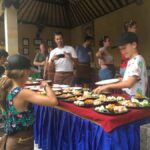
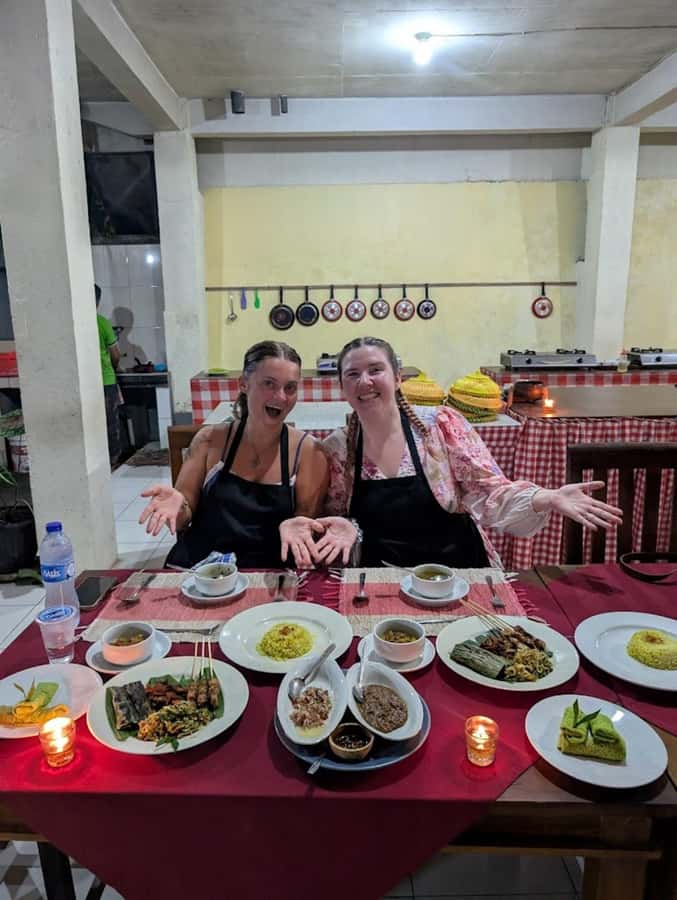
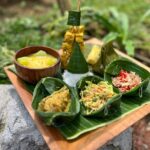
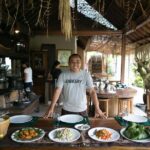
- You eat what you make. That matters. You’re not just cooking; you’re learning flavors through immediate feedback.
In one described class flow, participants prepared a larger menu (including a 10-dish style menu). Even if your menu is shorter on a given day, the structure is the same: step-by-step cooking, ingredient explanation, then eating the results together.
You may also receive a recipe book with what you cooked. If that’s included for your session, it’s a great way to keep the flavors from fading as soon as you’re back home.
Timing, pickup, and how to plan your Ubud day
The tour runs for 5 hours, and it’s designed to be compact enough to fit into a busy Ubud schedule. Starting times depend on availability, so check the slot that matches your priorities—especially if you want the market visit.
Two practical planning tips:
- Go morning if you care about the market. There’s a note that there is no market visit in the afternoon class because the market is already closed.
- Stay within pickup range or meet in Ubud. Pickup is included only within the Ubud area. If you’re staying in Sanur, Kuta, Nusa Dua, or other areas, you’ll need to arrange your own transport to a designated meeting point in Ubud.
If your hotel is down a narrow lane, you might still be picked up smoothly, but don’t be surprised if there’s an alternate meeting point closer to where a vehicle can reach.
What to bring so the day feels easy
This is a straightforward day, but you’ll feel better prepared:
- Comfortable shoes for walking
- Hat
- Camera
- Sunscreen
- Water
I’d also suggest you bring an extra layer if you’re sensitive to AC in the car rides, but the core list above is what’s explicitly recommended.
Heat in Bali can be real. You’ll be outdoors at the market and rice field areas, then back indoors for cooking. Sunscreen and water remove most of the discomfort.
Who this tour suits best (and who should skip it)
This experience is suitable for all ages, but it’s not suitable for children under 10. That means it’s usually a strong fit for adults, couples, and families with older kids who can comfortably walk between stops and pay attention to a multi-part cultural lesson.
You’ll love it most if:
- You want a cooking class with context (ingredients and culture, not just recipes)
- You care about understanding rice farming and Balinese daily life
- You want a small group format with time for questions
If you hate walking, prefer purely indoor activities, or want a fast stop-and-go “see everything” tour, you might find this slower-paced structure less appealing.
Value check: is $23 fair for what you get?
At $23 per person for a 5-hour, small-group day with hotel transfer in Ubud plus market, rice field, house visit, offering-making, and a cooking class, the value is strong. The key reason is you’re not only paying for a cooking session. You’re paying for multiple guided cultural stops that explain ingredients and techniques.
The included parts also reduce hassle. Hotel transfer within Ubud saves time. You don’t have to coordinate separate transport for market and rice fields. And because you cook and eat what you make, the experience lands as something you take home mentally—and sometimes literally via a recipe guide.
Personal expenses aren’t included, but that’s normal.
Should you book this Ubud market-to-kitchen tour?
Yes, book it if you want a Balinese cooking class that actually explains the food. This isn’t just “learn a recipe.” You’ll learn where ingredients come from, why offerings matter, and how foundational sauces like Base Gede/Base Rajang build the flavors of multiple dishes.
Hold off if you’re only looking for a short cooking session, you’re traveling from outside Ubud and don’t want to handle the meet-up logistics, or you’re not interested in market and rice-field learning. Also, if you’re doing an afternoon slot, know that the market stop won’t happen.
If you’re choosing a time: pick the morning. That’s when the full ingredient story is most complete.
FAQ
How long is the Ubud Balinese Cooking Class, rice field, and market tour?
The experience lasts 5 hours.
Is this tour available in English?
Yes. The instructor provides English guidance.
What is included in the price?
The package includes hotel transfer (within Ubud), visits to the Balinese traditional market, rice field, and a Balinese house, plus making an offering (Canang Sari) and the cooking class with ingredient explanations and sauce preparation.
Do I get picked up if I’m staying outside Ubud?
Pickup is only included if you’re staying within Ubud. If you’re in Sanur, Kuta, Nusa Dua, or other areas, you’ll need to arrange your own transportation to meet at the designated point in Ubud.
Is the market visit included in both morning and afternoon classes?
No. The note says there is no market visit in the afternoon class because the market is already closed.
What should I bring with me?
Bring comfortable shoes, a hat, a camera, sunscreen, and water.
Is the tour suitable for children?
It’s suitable for all ages, but it is not suitable for children under 10.
Can I cancel and get a refund?
Yes. The experience offers free cancellation up to 24 hours in advance for a full refund.