REVIEW · TOKYO
Ramen and Gyoza Cooking Class in Tokyo
Book on Viator →Operated by 九条tokyo · Bookable on Viator
Food smells. Hands get floury. Tokyo history shows up in a bowl. This Ramen and Gyoza cooking class in Yanaka turns a fun meal-making session into a practical guide to how ramen varies across Japan.
What I like most is the way the class teaches the differences in ramen components (noodles, broth, toppings) so you can order with confidence after you leave. I also like that you make ramen and gyoza in the same hands-on session, including three gyoza styles that go beyond the basics. One thing to consider: the focus is miso ramen and specific dumpling variations, so if you’re chasing other styles like tonkotsu only, this may feel a bit narrow.
You’ll meet in Yanaka, a quieter neighborhood near Ueno Station or Nippori. The cooking happens in a Japanese-style house, which keeps the whole experience relaxed whether you’re adults, a couple, or traveling with kids.
In This Review
- Key Highlights You’ll Actually Use
- Yanaka, 11:00 a.m.: Why This Class Feels Local
- What You Cook: Miso Ramen + Broth That Makes Sense
- Gyoza Workshop: Three Styles, One Addictive Lesson
- The History Mini-Lecture That Won’t Put You to Sleep
- Vegan Options: Not a Separate Afterthought
- Instruction Style: Friendly Hosts and Translation Support
- Price and Value: About $91.76 for 90 Minutes
- Timing and Flow: How the 1.5 Hours Typically Move
- Who Should Book This Class (and Who Might Skip)
- Should You Book? My Take
- FAQ
- Is this ramen and gyoza cooking class available for vegans?
- What kinds of ramen and dumplings do you make?
- Where is the meeting point?
- How long does the class last?
- Is it private, and is there a minimum group size?
- Can I get a refund if my plans change?
Key Highlights You’ll Actually Use
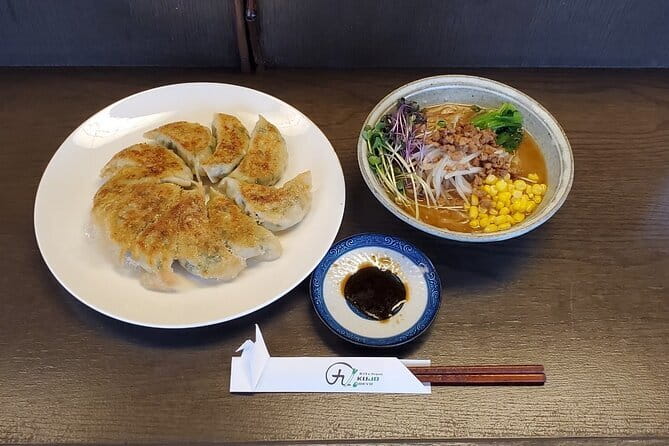
- Miso ramen with clear broth logic: kelp + chicken or scallops, or kelp + vegetables for vegans
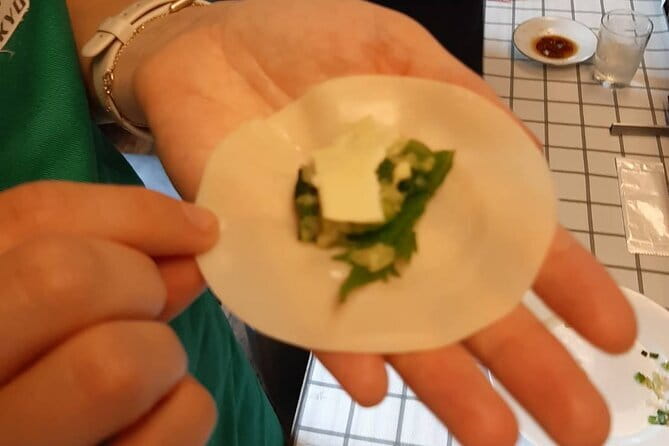
- Three gyoza styles: regular fried dumplings, cheese dumplings, and kimchi dumplings
- Mini history lesson: short, focused background on how ramen and gyoza evolved in Japan
- Beginner-friendly instruction: the recipe stays simple enough to redo at home
- Private group format: only your group participates, with a translator used for communication
- Yanaka location: near public transportation, in a more local-feeling area
Yanaka, 11:00 a.m.: Why This Class Feels Local
This class starts at 11:00 a.m. and ends back at the same meeting point, so you’re not stuck planning extra logistics or hopping around. You’ll be in Yanaka (Taito City), close to Ueno Station or Nippori. That matters because Tokyo cooking classes often land in convenient-but-touristy zones; here, you get something more neighborhood-like before you even begin cooking.
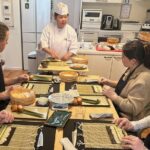
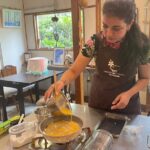
The setting is a Japanese-style house. That sounds simple, but it changes the vibe. You’re not in a big workshop hall with a production line feel. You’re in a calmer space where questions make sense and the pace stays comfortable. That also helps if you’re with kids, or if you’re just nervous about cooking in a foreign language environment.
The experience is private, meaning only your group participates. With a minimum of 2 people, it’s built for pairs, friends, or small groups—not for a lone traveler who wants a one-person cooking show.
You can also read our reviews of more tours and experiences in Tokyo.

What You Cook: Miso Ramen + Broth That Makes Sense
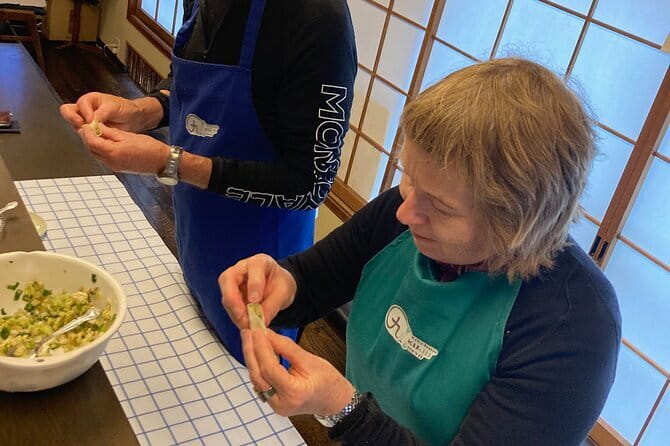
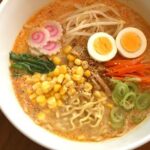
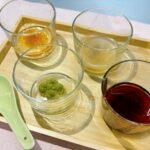
The core of the class is miso ramen, with broth based on an understandable foundation: kelp plus either chicken or scallops. If you go the vegan route, the miso ramen uses kelp and vegetables.
Why I think this is a smart approach for travelers: a lot of ramen “education” in Tokyo stays vague. People talk toppings and hype a shop. This class teaches you the starting point of flavor. Once you understand that broth can be built from kelp and then deepened with different proteins (or vegetables), you can read a menu faster and make more intentional choices.
During the class, you’ll make the miso ramen, then enjoy it with toppings. Even if you’re not a “cook at home” person, this is useful. It gives you a mental map for what different bowls are trying to do.
Also, the class uses an original soup approach. That’s a nice touch because it’s not just copy-pasting a single restaurant recipe. It’s instruction with a purpose: you should be able to reproduce the method later.
Gyoza Workshop: Three Styles, One Addictive Lesson
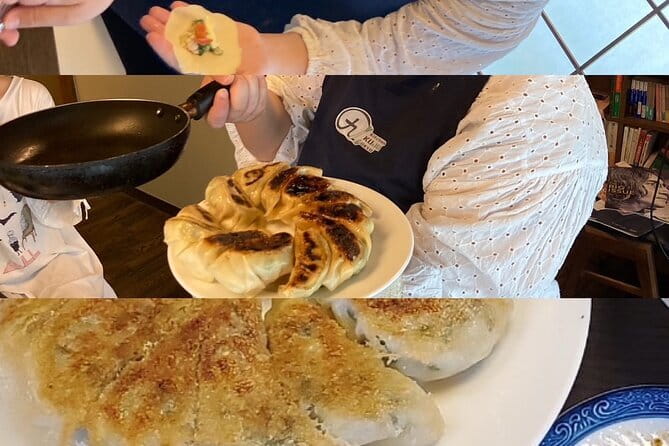
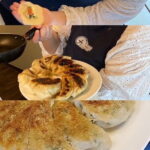
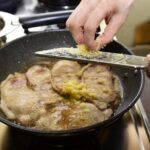
You’ll make three types of gyoza, and that’s one of the reasons this class earns such strong ratings. It’s easy to learn one dumpling and call it a day. Here, you get regular fried dumplings plus two extra flavors: cheese dumplings and kimchi dumplings.
That variety matters because gyoza isn’t only about wrapping. It’s about filling balance and how flavor changes with time and heat. Cheese changes texture and richness. Kimchi brings acidity and spice. Regular gyoza stays the baseline you can compare everything to.
If you’re a beginner, this setup is especially good. You’re not trapped in one flavor where you can’t tell what technique changed what result. You get quick comparisons, which helps you remember what to do the next time.
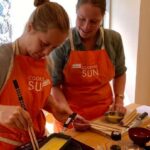
And yes, the process is hands-on. The class is designed for you to get involved rather than just watch and photograph.
The History Mini-Lecture That Won’t Put You to Sleep
You’ll get a brief lecture on the history of ramen and gyoza—focused, not long-winded. The point isn’t a textbook timeline. It’s context: how these foods developed their own paths after arriving in Japan and then grew into everyday culture.
This kind of short history works well in a cooking class because you’re learning while you’re doing. You’re mixing, shaping, and cooking. Then someone ties it back to where the dish came from and why it took the form it did.
In this class, the history connects to the practical side: people in Japan care about details, and you can see that care in how ramen is built and how gyoza is made and served. It turns your meal from just tasty to actually meaningful.
Vegan Options: Not a Separate Afterthought

This class is explicitly offered for vegans. The vegan miso ramen keeps the kelp base and swaps the protein part for vegetables. That’s a big deal because “vegan-friendly” in some Tokyo experiences can mean a sad substitution.
Here, you’re not being pushed into a token side dish. You’re cooking ramen that matches the class structure. In practice, that means you get the full learning value—broth logic, miso role, and topping ideas—rather than only getting one small tasting.
If you’re vegetarian or vegan and worried about being stuck with something bland, you can book with more confidence. This experience is built to handle dietary needs without derailing the class.


Instruction Style: Friendly Hosts and Translation Support

Communication matters in a cooking class. The instruction includes a translator when needed, and the chef/host (often referenced as Sioji or Shoji in participant notes) is patient and friendly.
What you should expect from that style:
- you’ll get clear guidance while you’re working hands-on
- you can ask questions without feeling rushed
- beginners don’t get left behind
Several people highlight that the recipes are simple and doable at home. That’s the real scorecard. A cooking class that just makes a good meal but doesn’t teach you anything is less valuable. Here, the tone is practical.
Price and Value: About $91.76 for 90 Minutes

At $91.76 per person for about 1 hour 30 minutes, you’re paying for more than ingredients. You’re paying for instruction, a translator-supported experience, and the fact that you’re doing both ramen and gyoza with a structured method.
Here’s the value angle I’d use to judge it:
- You learn miso ramen with broth logic you can use later in Tokyo
- You learn gyoza technique across three filling styles
- You get a short history framework so your meal makes more sense
- You’re in a private group format, so it feels less like a cattle-call activity
If you’re the type who wants to eat in Tokyo but also wants a skill to take home, the price starts to look fair. If you only want a quick taste and don’t care about the process, you might feel like it’s more than you need.
Timing and Flow: How the 1.5 Hours Typically Move
You should plan for a smooth, contained session because it’s designed to fit into the 11:00 a.m. start. Expect a pattern like this:
- you arrive and get set up in the Japanese-style house
- you get the mini lecture context for ramen and gyoza
- you cook ramen (with your selected broth style) and prepare dumplings
- you fry the gyoza and build the ramen with toppings
- you eat what you make, then the activity wraps back at the meeting point
Because the duration is limited, the class is structured. It won’t drag. If you hate long waits, this format is a good match.
Who Should Book This Class (and Who Might Skip)
This class is a strong fit if:
- you want a practical ramen guide for ordering while traveling around Japan
- you enjoy hands-on cooking but don’t want a high-skill workshop
- you need vegan options that are treated seriously
- you’re traveling in a pair or small group and like a private setting
- you’re interested in cultural context, not just food tasting
You might choose another option if:
- you only want a specific ramen style outside miso
- you prefer a pure tasting tour rather than cooking
- you’re traveling alone (minimum 2 people is required)
Should You Book? My Take
If your Tokyo plan includes ramen anyway, this class gives you a useful upgrade. You don’t just eat; you learn how bowls differ and why. The combo of miso ramen with kelp-based broth logic, plus three gyoza styles, makes the time feel worth it.
Book this if you want to leave with more than photos—something you can carry into your next ramen meal. If you’re a strict ramen specialist chasing one narrow type only, then this might not hit every itch. For most people, though, it’s a smart, friendly way to start (or restart) your Tokyo food day.
FAQ
Is this ramen and gyoza cooking class available for vegans?
Yes. The vegan option makes miso ramen with broth made from kelp and vegetables.
What kinds of ramen and dumplings do you make?
You make miso ramen. For dumplings, you make three types: regular fried dumplings, cheese dumplings, and kimchi dumplings.
Where is the meeting point?
The class meets in Yanaka, Taito City, Tokyo (110-0001), at 谷中スペース, 1-chōme210.
How long does the class last?
It runs for about 1 hour 30 minutes.
Is it private, and is there a minimum group size?
It’s a private activity, and there is a minimum of 2 people.
Can I get a refund if my plans change?
Free cancellation is available up to 24 hours in advance for a full refund.