REVIEW · MEXICO CITY
Multi-Variety Mole Class in a Condesa home or art gallery rooftop
Book on Viator →Operated by Martaja - Market tours and cooking classes in Mexico City · Bookable on Viator
Mole tastes like a whole country. This multi-variety mole class in Condesa is a fun way to understand why Mexican mole isn’t one thing, but many. I love the hands-on approach where you cook two very different moles from scratch, and you walk away knowing what to watch for when the sauce changes.
One thing to plan for: the building has no elevator, even though wheelchair users have attended before. If mobility is a concern, you’ll want to talk it through with the operator before you go.
In This Review
- Key highlights you should care about
- Why this mole class feels different (and more useful)
- Where you meet in Condesa, and how the location works
- The mole lineup: manchamanteles vs. mole verde
- Mole manchamanteles: sweet fruit, warm spice
- Mole verde: crisp green leaves and herbs
- Dessert: included, but not made by you on arrival
- What your cooking time is really like (4 hours)
- Alcohol and drinks: included, with age rules
- How the class helps you learn mole beyond the recipe
- You learn to select and prepare mole components
- The technique is what you’ll reuse later
- Recipes by email make it easier to repeat
- Dinner time: you set the table and eat what you made
- Price and value: is $107.60 worth it?
- Who should book this class (and who might want to skip)
- Practical notes: cats, allergies, and mobility planning
- Should you book this mole class?
- FAQ
- How long is the mole cooking class?
- What is the price per person?
- What moles will I learn to make?
- Is the class offered in English?
- How many people are in the group?
- What’s included in the class besides cooking?
- Are alcoholic drinks included?
- Can dietary needs be accommodated?
- Is there wheelchair access?
- What is the cancellation policy?
Key highlights you should care about
- Two mole styles, one class: you make mole manchamanteles and mole verde from scratch
- Sweet complexity without chocolate: manchamanteles gets sweetness from pineapple, plantain, and apple
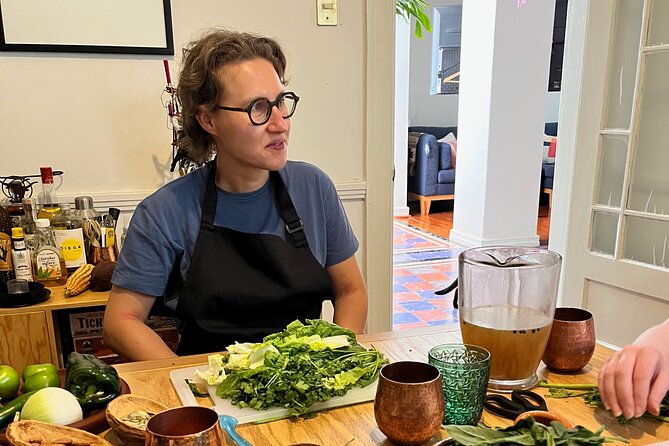
- Herb-forward green sauce: mole verde leans on spinach, cilantro, parsley, and epazote
- Small group size: max 8 people, so your questions don’t get lost
- Recipes by email: you get instructions after class, not just food in the moment
Why this mole class feels different (and more useful)
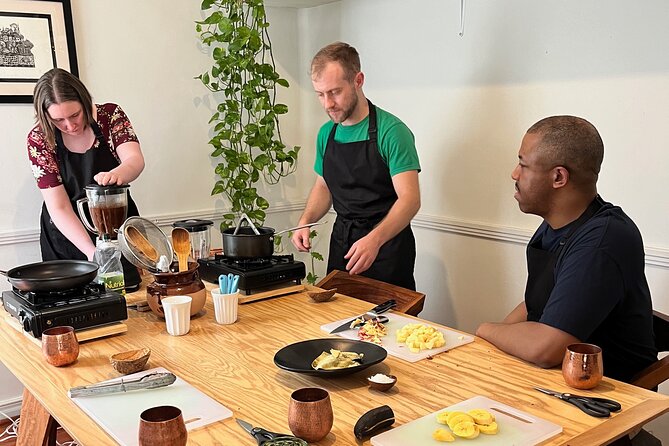
Most food classes teach you a dish. This one teaches you a way of thinking about mole. You start with the big idea: Mexico has many moles, shaped by region, ingredients, and technique. Then you jump straight into making two versions that show the range.
What I like is that the class doesn’t treat mole like a single, heavy, chocolatey sauce. It shows you how the same general concept can swing from fruit-sweet and spiced to bright and herbal. That contrast helps you understand the role each ingredient plays, instead of just memorizing a recipe.
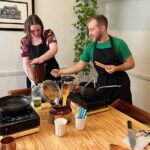
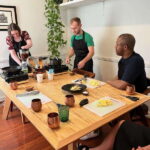
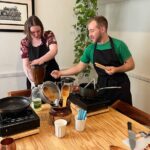
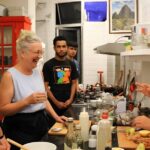
And the setting in Condesa matters. You’re in a home or an art gallery rooftop, not a large commercial kitchen. That usually means a more personal pace and a calmer vibe, which helps you focus on the cooking.
You can also read our reviews of more tours and experiences in Mexico City.
Where you meet in Condesa, and how the location works
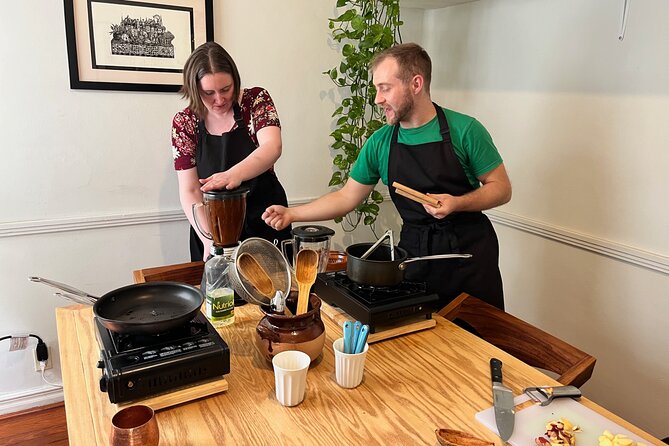
You meet at Av Nuevo León 4, Colonia Condesa (Cuauhtémoc), and the class ends back at the meeting point. That’s practical. You’re not chasing the group around the city, and you don’t need a long hike or complicated metro transfers.
One detail to take seriously: the rooftop version can be different. If your class is on the art gallery rooftop, you should check your inbox after booking for location specifics. This is one of those small planning steps that prevents stress on the day.
Also, it’s near public transportation, and you’ll get a mobile ticket. For Mexico City, that mix is usually what you want: easy arrival, no paper hunt.
The mole lineup: manchamanteles vs. mole verde
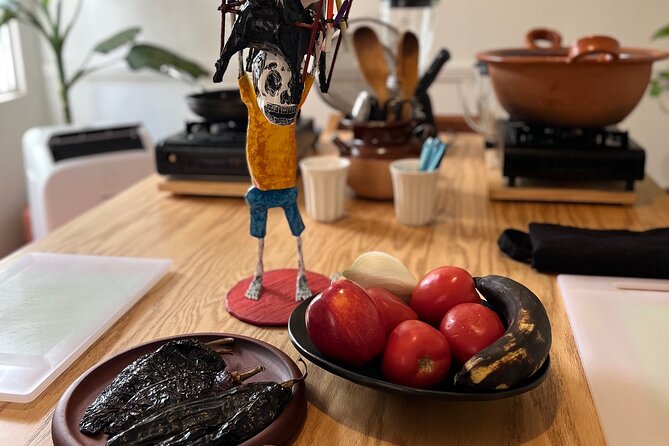
This class is built around two moles that act like a mini lesson in flavor logic.
Mole manchamanteles: sweet fruit, warm spice
Manchamanteles here is a red mole flavored with fragrant spices and fresh tropical fruit: pineapple, plantain, and apple. It uses a process and ingredient spirit similar to mole poblano, but it moves sweetness away from chocolate. Instead, the fruit chunkiness brings its own natural sugars and texture.
This matters because it changes how the sauce tastes and how it cooks. Fruit-forward moles often need careful attention so the flavors blend without turning into something jammy. You’re not just learning a list; you’re learning what the sauce should look and smell like as it comes together.
Mole verde: crisp green leaves and herbs
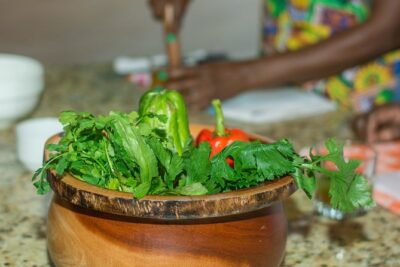
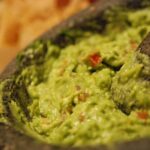
The green mole is lighter and fresher in feel, built from crisp green spinach, cilantro, parsley, and epazote. If you’ve had heavier moles before, this one is the reset button.
Green moles are where people sometimes get surprised, because they can taste bold without being heavy. The herbs are doing real work here, not just acting as garnish. Epazote especially is memorable. It’s a classic ingredient in Mexican cooking, and it gives that distinctive green aroma you’ll want to recognize next time you see it.
Dessert: included, but not made by you on arrival
Dessert is included, and it’s prepared before you arrive. You still get the satisfaction of cooking the mains, then you get something sweet afterward without a last-minute scramble.
What your cooking time is really like (4 hours)
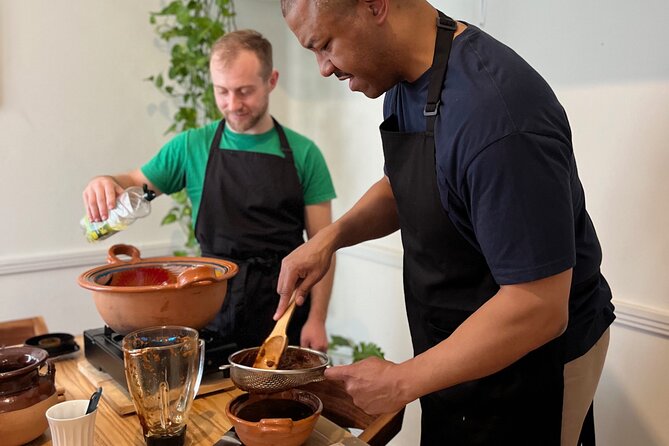
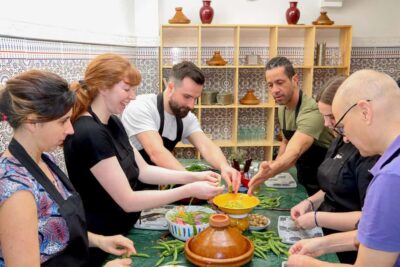
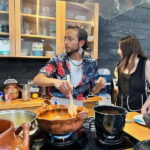
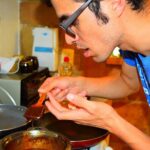
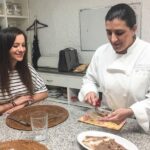
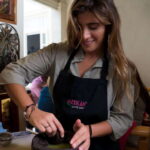
The class runs about 4 hours. You’ll spend the early part learning about the diversity of moles, then you’ll don your apron and start cooking two moles from scratch.
That structure is smart. The meal teaches you flavors, but cooking teaches you technique. In this case, the guide gives you ingredients, equipment, and guidance so you can actually do the work. With only up to 8 people in the group, you’re more likely to get real help when your questions pop up.
Alcohol and drinks: included, with age rules
If you’re over 18, you’ll be offered Mexican beer and mezcal. If you’re under 18, you’ll get traditional local soft drinks instead. That keeps it straightforward, and it’s nice that the class isn’t one of those awkward situations where people wonder if they’ll get something to drink.
A practical note: if you do choose mezcal, pace yourself. You’ll be tasting and cooking. You don’t want your palate to check out halfway through.
How the class helps you learn mole beyond the recipe
Here’s where the value shows up.
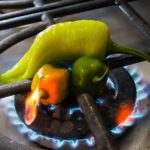
You learn to select and prepare mole components
Mole is built from lots of ingredients. The class emphasizes understanding what goes into complex sauces and how the pieces work together. People often assume mole is hard only because it has many steps. The better lesson is that it becomes manageable when you know the purpose of each ingredient and what changes you should look for.
The result is that the food doesn’t just taste good. It makes sense.
The technique is what you’ll reuse later
You’re making two sauces that differ in color, base ingredients, and flavor direction. That means you’re not memorizing one path. You’re practicing sauce-building principles: how flavors develop as ingredients blend, how textures change, and how seasoning choices affect the final taste.
When you leave, you should feel more confident trying mole at home, even if you don’t copy the class exactly.
Recipes by email make it easier to repeat
After the class, you’ll receive recipes by email. That’s key for real learning. You can focus on cooking in the moment, then reconstruct your steps later without guessing what you did.
Dinner time: you set the table and eat what you made
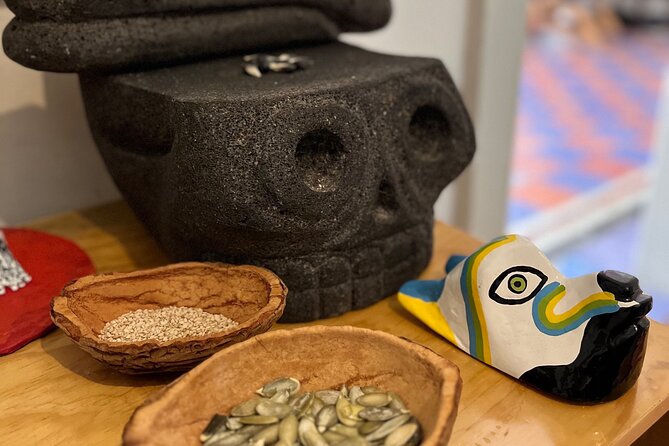
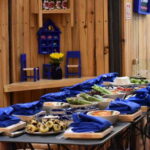
About two hours after you start cooking, you sit down to enjoy what you made. Before eating, you set the table with locally-made dinnerware. It’s a small detail, but it changes the feel of the meal. You’re not just grabbing food. You’re hosting the experience with your own hands.
Then you taste both moles:
- manchamanteles (red mole with pineapple, plantain, apple)
- mole verde (green mole with spinach, cilantro, parsley, epazote)
And you’re doing it in the same space where you cooked. That makes the flavor comparisons hit harder. You’ll notice how the sweet-fruit mole feels different from the herb-green one, even when both are still very much mole.
Price and value: is $107.60 worth it?
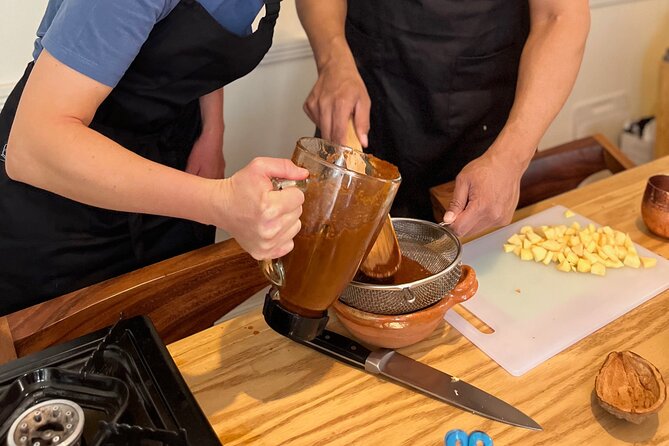
At $107.60 per person for about 4 hours, the price isn’t cheap. But when you break down what’s included, it starts to make sense.
You’re getting:
- ingredients and equipment for making two moles from scratch
- step-by-step guidance while you cook
- lunch plus dessert (dessert prepared ahead)
- alcoholic beverages for adults (beer and mezcal) or soft drinks for others
- recipes by email afterward
- a small group limit of 8 people (so attention is more likely)
In a city like Mexico City, a cooking class that includes ingredients, drinks, and real instruction for two full mains is usually where the value lands. The two-mole format is also part of the math: you’re not paying for one dish. You’re paying for a mini education in how mole can move in flavor direction while staying within the broader mole idea.
One extra tip: group discounts exist, and you might see price differences depending on booking channel. If saving money matters, check your options on the Martaja side before locking in.
Who should book this class (and who might want to skip)
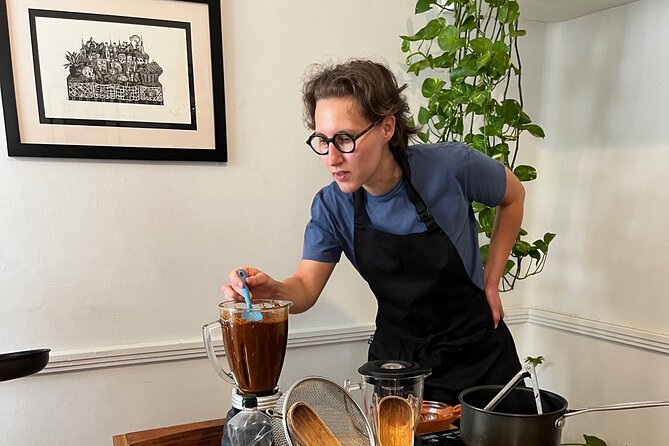
This class is a good match if you:
- want to cook, not just watch
- love Mexican food and want to understand the mole family
- care about ingredient roles (fruit vs. chocolate sweetness, herbs vs. heavier bases)
- prefer smaller groups with time for questions
You might skip it if:
- you want a fast, casual snack experience (this is a real 4-hour cooking class)
- strong smells from spices or herbs are a problem for you (mole kitchens are aromatic by design)
- you need elevator access (the building has no elevator, even though wheelchair attendees have come before)
It also helps if you’re comfortable eating what you cook, since the lesson is tied to tasting.
Practical notes: cats, allergies, and mobility planning
This class can accommodate most dietary requirements, which is a big plus. Still, I’d be direct with any constraints you have. Ask how they handle your specific needs before you show up.
Allergy-wise, note that there are two cats in the house. That doesn’t automatically mean there will be an issue for everyone, but it does mean you shouldn’t assume a cat-free environment.
For mobility: wheelchair users have attended previously, but the building doesn’t have an elevator. If you’re using a wheelchair or mobility device, plan on stairs or ask for details about the route so you can feel confident.
And if you’re worried about where your group will actually be, remember the rooftop option may require you to check your inbox after booking for the exact location.
Should you book this mole class?
If you like mole but always felt like you were eating a single style, this is the kind of class that fixes that. The mix of two hands-on moles, the fruit-sweet manchamanteles, and the bright herb-green mole verde gives you a practical foundation you can actually use later.
Book it if you:
- want a small-group cooking class in Condesa
- enjoy learning technique, not just collecting flavors
- want recipes emailed afterward so you can repeat the dishes
Skip it only if mobility access is a dealbreaker for you, or if cats and allergy concerns are hard for your situation. Otherwise, this is a strong choice for anyone who wants mole to make sense, not just taste good.
FAQ
How long is the mole cooking class?
It lasts about 4 hours.
What is the price per person?
The price is $107.60 per person.
What moles will I learn to make?
You’ll prepare mole manchamanteles and mole verde.
Is the class offered in English?
Yes, it is offered in English.
How many people are in the group?
The class has a maximum of 8 people.
What’s included in the class besides cooking?
You’ll have ingredients and equipment plus guidance, lunch (the two moles), dessert, and recipes emailed after the class.
Are alcoholic drinks included?
Yes. If you’re over 18, you’ll be offered Mexican beer and mezcal. If you’re under 18, you’ll get traditional local soft drinks.
Can dietary needs be accommodated?
Most dietary requirements can be accommodated.
Is there wheelchair access?
Wheelchair users have attended before, but the building does not have an elevator.
What is the cancellation policy?
You can cancel for a full refund up to 24 hours before the experience starts. If it’s canceled because the minimum number of people isn’t met, you’ll be offered a different date/experience or a full refund.