REVIEW · MEXICO CITY
Market tour, cooking class & three-course Mexican feast
Book on GetYourGuide →Operated by Martaja - Market tours & cooking classes in Mexico City · Bookable on GetYourGuide
Mexican food tells a story you can taste. I really like how this day ties Mercado Medellín ingredients to the bigger history of the country, and I also love the hands-on part—tamales and mole from scratch, guided step-by-step.
One consideration before you book: the cooking happens in a home with no elevator, and there are cats living there (kept out of the cooking area, but still present).
In This Review
- Quick takeaways
- Mercado Medellín market walk: ingredients with a backstory
- Why you’ll likely enjoy this more than a typical food tour
- Condesa home cooking with Jim: hands-on tamales, mole, tortillas
- Dietary needs and menu planning that actually matter
- Accessibility note (plan smarter, not harder)
- The three-course feast: eat what you built (and do it comfortably)
- What I think makes this dinner special
- Mezcal, wine, and dessert timing: how the day’s pace works
- Price and value at $180 per person
- Who this tour is best for (and who should think twice)
- Practical tips to make your day smoother
- Should you book this market tour and Mexican cooking class?
- Bottom line
- FAQ
- How long is the experience?
- What does the tour include?
- Where do we meet?
- Are dietary requirements accommodated?
- Is there wheelchair access?
- What should I bring or prepare?
Quick takeaways
- Mercado Medellín market walk focused on ingredients and techniques, not just shopping
- Tamales, mole, and tortillas made in a real kitchen, with expert guidance
- A table-set 3-course meal (plus dessert) built around what you cooked
- Drinks included: Mexican beer, wine, mezcal, and soft drinks
- Menu check after booking so dietary needs can be planned ahead
- Close, small-group feel that’s a break from loud restaurant dinners
Mercado Medellín market walk: ingredients with a backstory
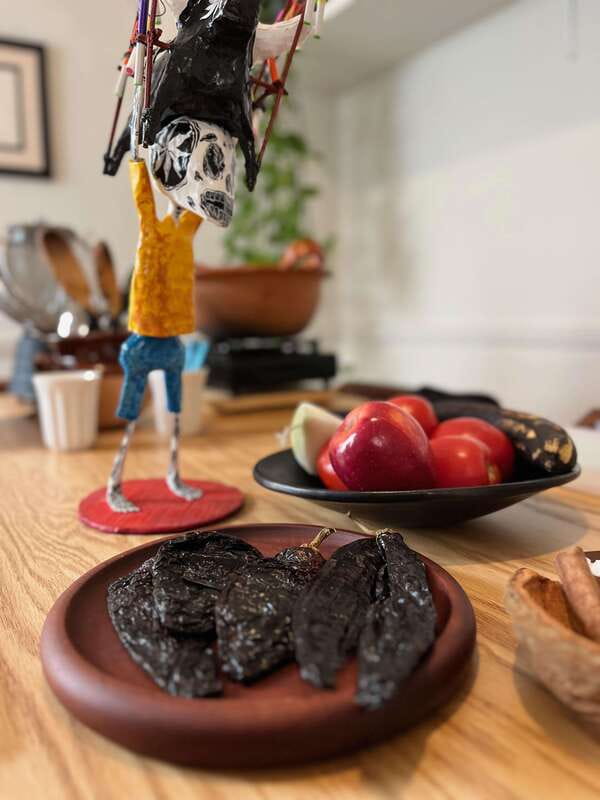
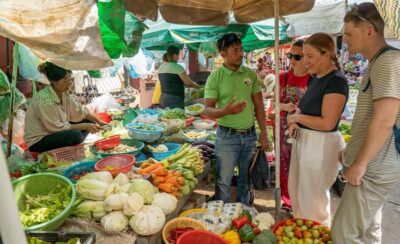
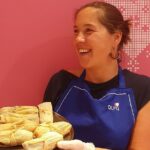
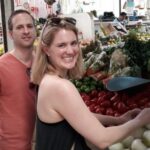
This is one of those experiences where the first hour matters because it changes how you taste later. You start at the entrance to Mercado Medellín, right at the corner of Medellín and Campeche. Expect to spot the market name in big letters, and wait in the shade under the overhang.
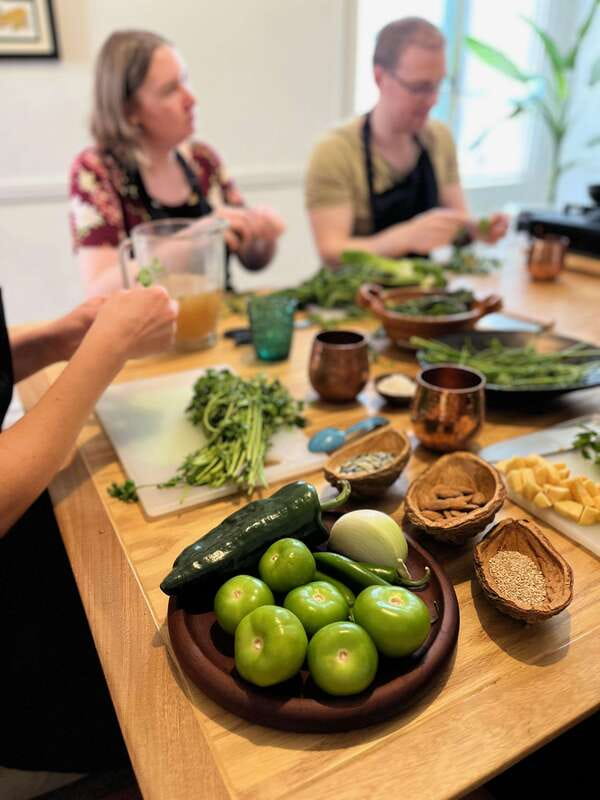
The market portion is where you connect ingredients to culture. You’ll learn how ancient Mesoamerican plants and techniques shaped what people call Mexican food today. Then the story shifts to the 16th-century Spanish conquest, and how that collision of ingredients and cooking methods sparked new creativity across both sides of the Atlantic.
That history isn’t delivered like a textbook. It’s tied to real food choices you can see and ask about—what’s used, why it’s used, and how flavors and textures get built. And you’re not just watching. Even on a sightseeing-style market walk, you’ll be picking up practical cues you can carry into your own cooking.
A nice detail: if it’s raining, you won’t just get stuck in weather chaos. The experience includes a taxi to the cooking location if conditions are wet, so your day stays on track.
You can also read our reviews of more tours and experiences in Mexico City.
Why you’ll likely enjoy this more than a typical food tour
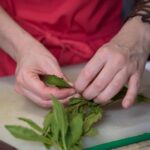
Most tours stop at sampling and leave you with leftovers in your head. Here, the market visit gives you a framework. By the time you’re cooking, you understand what you’re trying to reproduce: not only the flavor, but the logic behind it.
Condesa home cooking with Jim: hands-on tamales, mole, tortillas
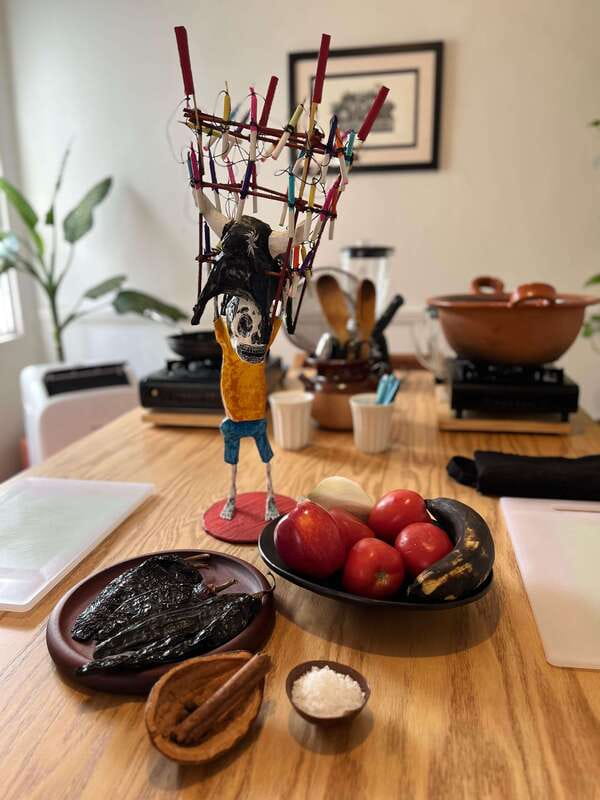
After the market, you head to the Condesa home where your chef/guide hosts the cooking portion. In the best-case scenario, you’ll be cooking with someone like Jim, who’s known for explaining how food history and cooking technique connect. People consistently highlight that the history story isn’t separate from the recipe—it’s baked into it.
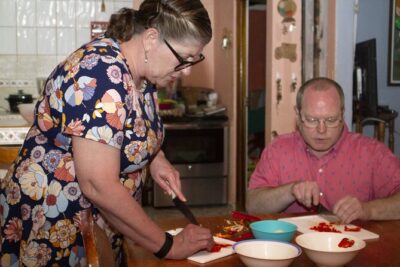
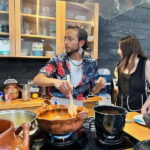
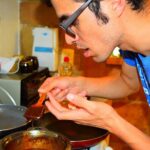
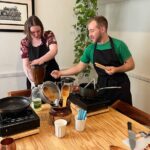
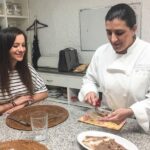
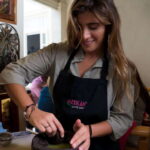
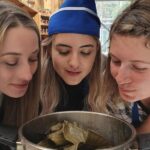
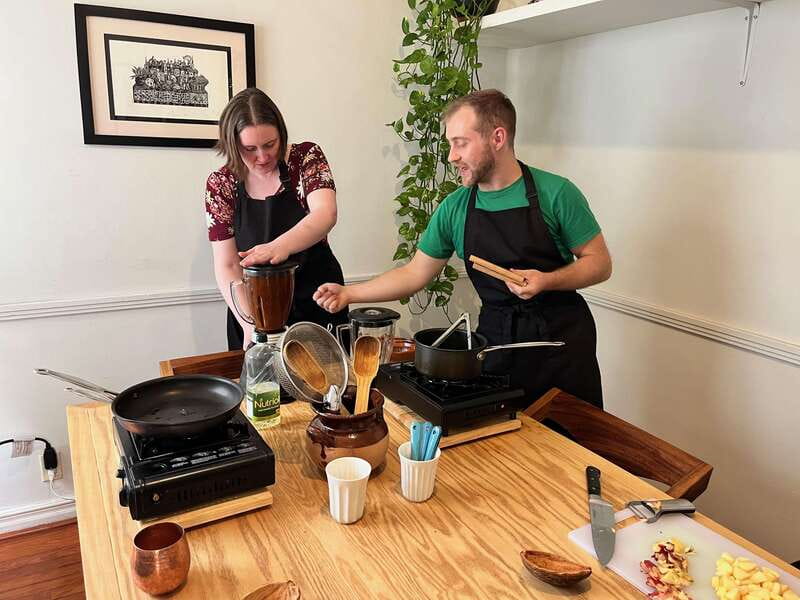
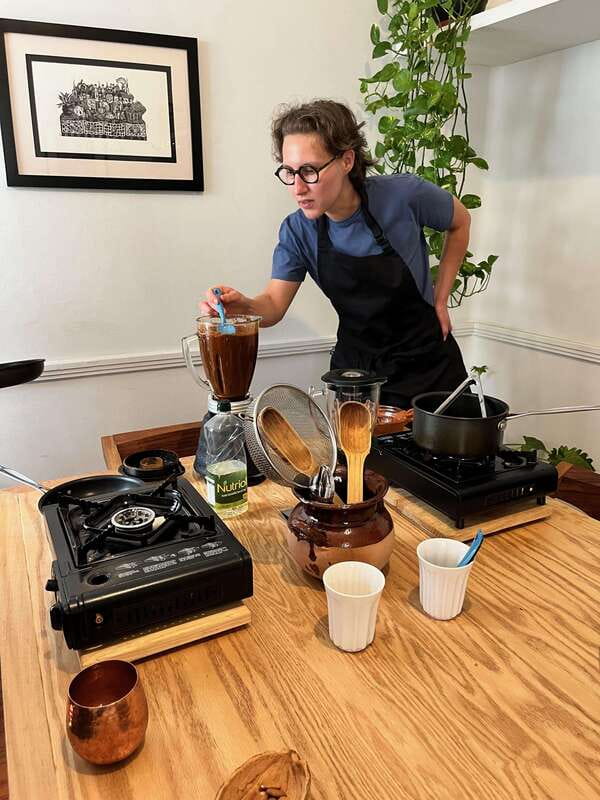
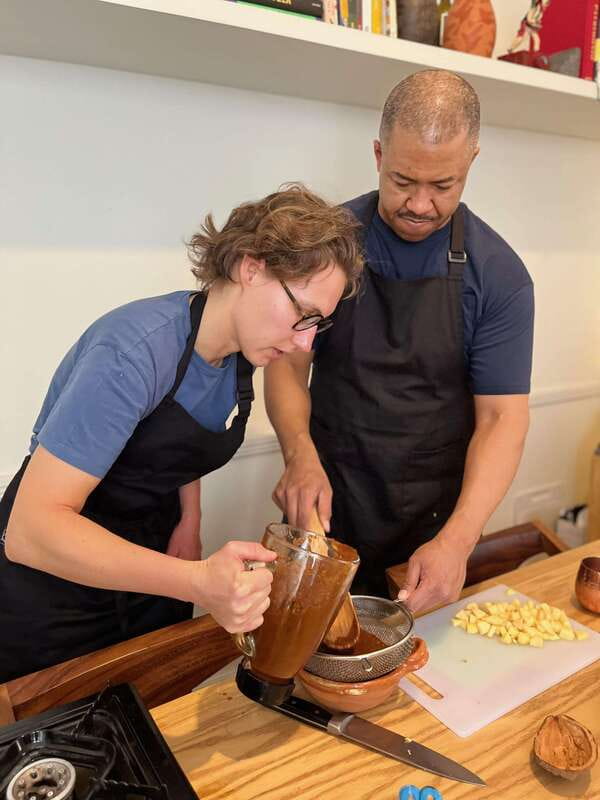
The cooking block is about three hours, and this is where you get your hands dirty in the good way. You’ll prepare tamales, mole, and tortillas from scratch. That combination is smart because it covers different sides of Mexican cooking:
- Tamales teach process and timing—how masa behaves, how fillings get balanced, and what makes the result feel cohesive.
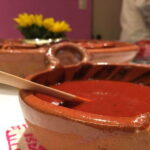
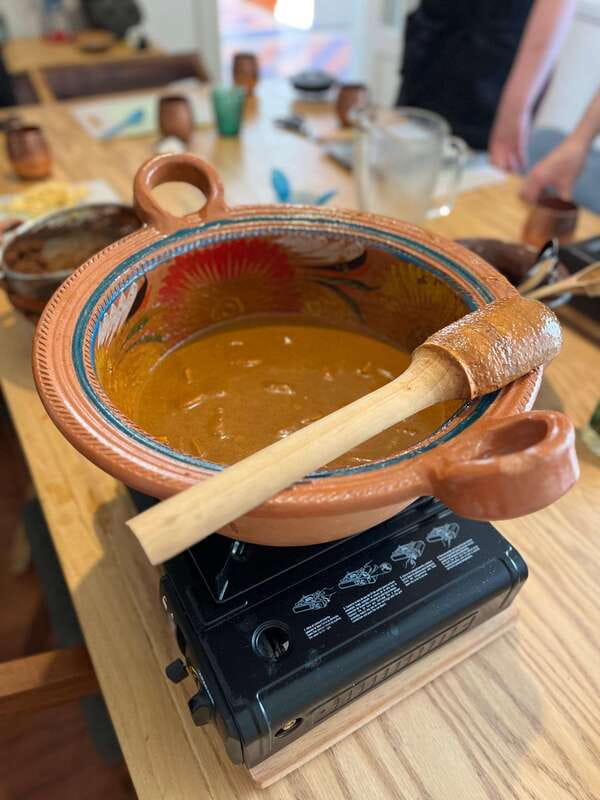
- Mole is where patience pays off. You’ll learn that mole isn’t one flavor; it’s a layered approach that comes together through building blocks.
- Tortillas are the foundation. Making them yourself changes how you understand everything else on the plate.
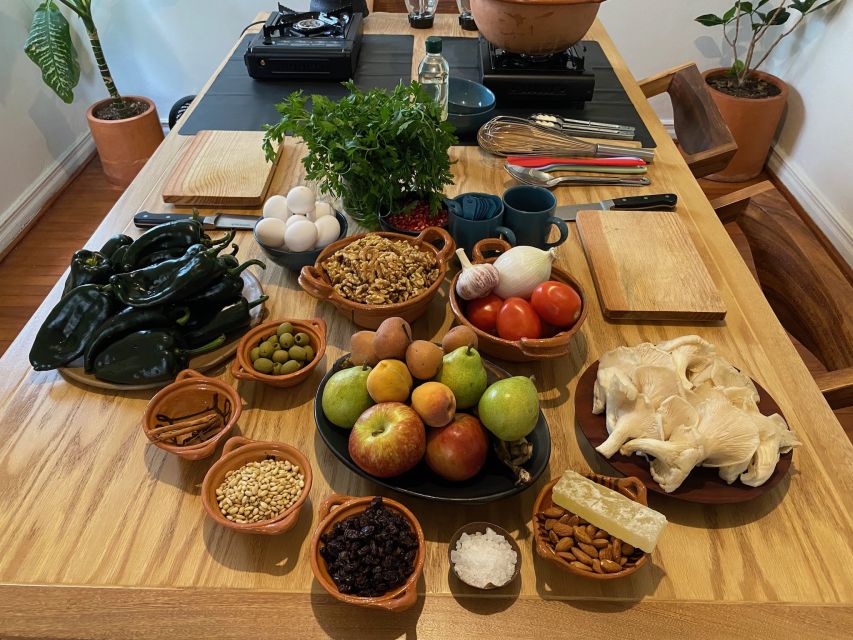
This isn’t a sit-and-watch class. You’ll be actively working, under guidance, with fresh ingredients and clear steps. You also don’t have to stress about supplies—guidance and ingredients for your cooking are included.
Dietary needs and menu planning that actually matter
If you have food restrictions, this is worth noting. After booking, you’ll be asked about your menu via email, which helps the chef plan around what you can eat. The experience says dietary requirements can be accommodated, and allergy sufferers are kept out of the cooking area with allergy pills available for guests who need them.
One more practical heads-up: strict Kosher is not possible at this time. If that’s a deal-breaker for you, you’ll want to confirm early with the provider.
Accessibility note (plan smarter, not harder)
Wheelchair users have attended before, but the building used for the class does not have an elevator. If stairs are an issue for you, it’s smart to plan around that before booking. The good news is that the experience isn’t advertised as impossible—just something to consider.

The three-course feast: eat what you built (and do it comfortably)
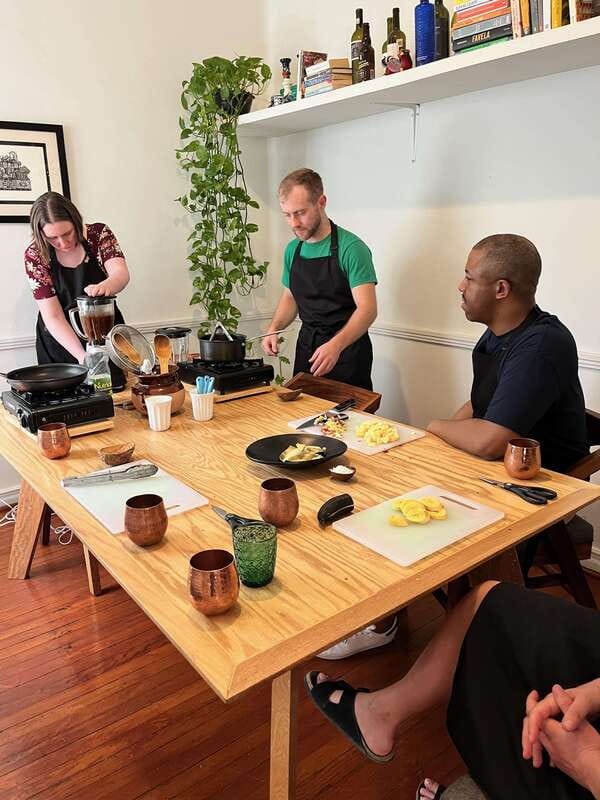
Once the cooking is done, you get to switch from production mode to enjoying mode. Then you’ll sit at a beautifully laid table with local linens and artisanal tableware. It’s not just about the meal. The setup makes it feel like a real dinner, the kind where you can actually talk and take your time.
The meal is described as a three-course Mexican feast, and the heart of it is what you made: tamales, mole, and tortillas, finished with dessert. That matters because you’re not tasting one-off bites. You’re eating a coherent progression—starch base, sauce and spice depth, then sweet finish.
Drinks are included with the meal too. You can have Mexican beer, Mexican wine, and mezcal, plus soft drinks. Even if you skip alcohol, the soft drinks option keeps the experience enjoyable and social without feeling like you’re missing out.
What I think makes this dinner special
A lot of cooking classes treat eating like a footnote. Here, the table experience is part of the point. You can reflect on what you did—how something you fought through in the kitchen now tastes balanced in the finished dish.
And if you’re the kind of person who loves to learn through doing, this is the kind of meal that sticks. You don’t just remember the flavor—you remember the method.
Mezcal, wine, and dessert timing: how the day’s pace works
The day is designed to run past the usual lunch window. The guidance is clear: eat a good breakfast, because you’ll likely eat after 2 PM. That’s a small tip with a big impact on enjoyment. If you arrive hungry, you’ll feel rushed during the cooking. If you arrive fed, you’ll be happier grabbing a bite when the courses start.
After dessert, you finish with a cup of Mexican wine and/or mezcal. This final moment is where the experience feels like it lands emotionally—one last taste, one last pause, and a chance to ask questions while everything is fresh in your mind.
One more detail worth your attention: people often mention extra warmth from the home setting and an intimate pace. Even with a small group, it feels calmer than most restaurant meals where you’re herded between tables.
Price and value at $180 per person
At $180 per person for a six-hour experience, the key question isn’t just what you pay—it what you receive.
What’s included:
- Market tour component (around an hour, with the market guidance described as extending up to ninety minutes)
- Taxi to the cooking location if it rains
- Cooking guidance plus all ingredients to prepare two courses and tortillas
- Dessert
- Drinks: Mexican beer, wine, mezcal, and soft drinks
- Recipes sent by email after the class
That package is why the price can feel reasonable, especially compared to piecemeal food experiences. You’re paying for three things at once: instruction, ingredients, and a full sit-down meal with drinks. If you like food enough to try making it again at home, the emailed recipes also add real value—turning the experience into something you can repeat.
Could you find cheaper? Sure. But you’d likely give up one or more of the built-in pieces: the full menu experience, the drinks, or the guided cooking that produces a meal you can actually serve yourself.
One extra cost reality to know: the experience notes that other people joining may pay less for the same experience by booking through a different site. So don’t treat the exact dollar amount as a universal deal metric—focus on what’s included and whether that fits your style.
Who this tour is best for (and who should think twice)
This is a strong match if you want an experience that’s equal parts food, hands-on cooking, and cultural context. It’s also a good fit if you prefer smaller, more personal settings over loud restaurant dinners.
It’s especially good for:
- People who like cooking and want to learn technique, not just taste
- Food travelers who want to understand why dishes are built the way they are
- Groups of friends or couples who want a shared activity with a meal at the end
- Travelers who enjoy beer and mezcal/wine as part of the vibe
It may be less ideal if:
- You need strict Kosher options
- You’re uncomfortable around cats, even if they’re kept out of the cooking area
- You require an elevator-access building for mobility reasons
Practical tips to make your day smoother
Bring comfortable shoes. You’ll be on your feet for a few hours, and market walking plus cooking time adds up fast.
Also:
- Eat a good breakfast before you go. Waiting until after 2 PM can feel long if you’re not fueled.
- Watch your inbox after booking. You’ll be asked about your menu, especially if you have dietary requirements.
- If rain is in the forecast, plan to dress for weather anyway. The taxi helps, but you’ll still be outside during the market part.
- If you’re sensitive to allergies, mention it clearly in advance. The cooking area is designed to keep allergy needs separate, and allergy pills are available.
One more subtle tip: if you’re a note-taker, bring a phone ready to capture steps. The class includes recipes by email afterward, but having your own quick notes helps you remember what felt easy, what felt tricky, and what you want to redo.
Should you book this market tour and Mexican cooking class?
I’d book this if you want a day that turns food into something you understand and can repeat. The combination of Mercado Medellín history + hands-on tamales, mole, and tortillas + a full three-course meal with drinks is a solid structure for people who like learning by doing.
Skip it if strict Kosher is a must, if cats are a deal-breaker, or if the lack of elevator access would make the cooking space difficult. And if you’re the type who loses patience with day-of glitches, it’s worth being extra alert and proactive on the day—there’s at least one documented issue where the host didn’t show up and couldn’t be reached. That’s rare compared to the strong ratings, but it’s not something you should ignore.
Bottom line
For most food lovers, this is a memorable mix of market education and kitchen work that ends with dinner—plus recipes you can use later. If you’re craving more than another restaurant meal, this is the kind of day that delivers.
FAQ
How long is the experience?
It lasts 6 hours.
What does the tour include?
You get a market tour, guidance and ingredients to prepare two courses and tortillas, dessert, and drinks (Mexican beer, wine, mezcal, and soft drinks). Recipes are also sent by email after the class.
Where do we meet?
You meet at the entrance to Mercado Medellín, at the corner of Medellín and Campeche streets.
Are dietary requirements accommodated?
Yes. Dietary requirements are accommodated where possible, and you’ll be asked about your menu after booking. Strict Kosher is not possible.
Is there wheelchair access?
Wheelchair users have attended before, but the building where the class takes place has no elevator.
What should I bring or prepare?
Wear comfortable shoes, eat a good breakfast, and keep an eye on your email after booking to respond about your menu.