REVIEW · MEXICO CITY
Muchos moles: Multi-variety mole cooking class and feast
Book on GetYourGuide →Operated by Martaja - Market tours & cooking classes in Mexico City · Bookable on GetYourGuide
Mexican mole is not one dish. It’s a whole universe, and this class lets you taste the differences up close. I like the way you move from multi-variety mole theory to real cooking, and I also like that the meal you make is a sit-down mole feast. One thing to plan for: there are two cats in the house, and the building has no elevator.
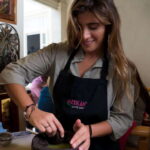
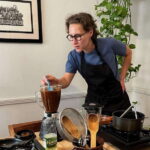
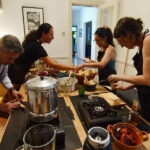
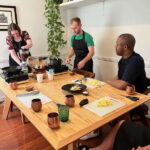
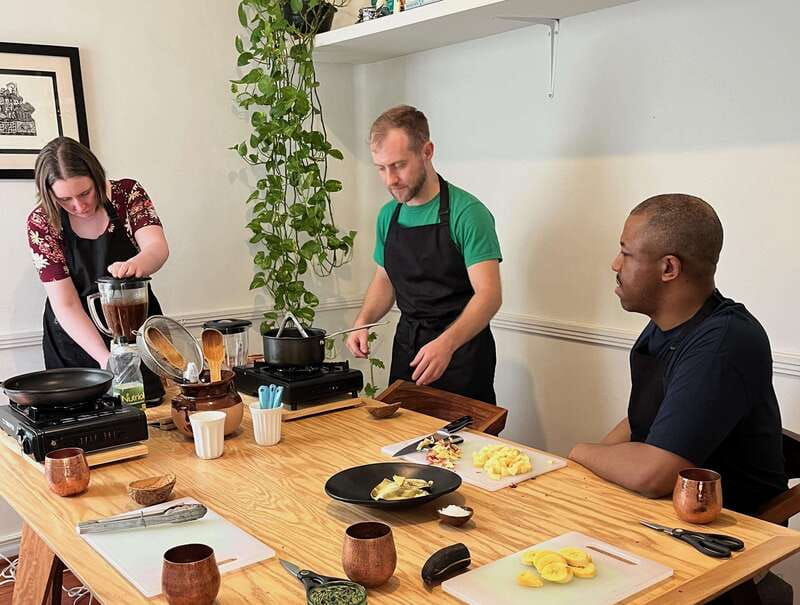
You’ll spend about 4 hours in a home kitchen with Jim, an English/Spanish host who clearly cares about ingredients, technique, and the many ways Mexican families adapt mole to local flavors. You’ll learn by doing, not by watching from the sidelines—then you’ll eat what you cooked at a picture-perfect dining setup.
In This Review
- Key things that make this class a standout
- Mole in Mexico: why this class feels different
- Meeting up and getting set: home-kitchen energy in Condesa
- First big lesson: learning the diversity of Mexican moles
- Cooking manchamanteles: pineapple-and-plantain mole with a poblano cousin
- The green mole change-up: crisp leaves and a fresher bite
- Tortillas: the unglamorous step that makes the whole meal click
- The feast part: setting the table and eating what you made
- Dietary needs and practical food-safety reality
- Price and value: what $130 gets you in real terms
- Who this class suits best
- Should you book the Mexican mole cooking class and feast?
- FAQ
- How long is the cooking class?
- What’s included in the price?
- What languages are the instructor available in?
- Can the class accommodate dietary requirements?
- Is the host able to help with allergies?
- Where do we meet?
Key things that make this class a standout
- Two moles, cooked from scratch so you taste the contrast, not just the legend
- Fruity sweetness without the usual weight, thanks to pineapple and plantain in manchamanteles
- Green mole that’s lighter by design, built on crisp green leaves
- Corn tortillas made alongside the moles, so you get the full scoop-and-sauce rhythm
- Small-group feel that turns the session into a relaxed dinner-party style class
- Recipes emailed after the class, so you can try it again at home
Mole in Mexico: why this class feels different
If your idea of mole is mole poblano with chocolate, you’re in for a correction—in a good way. Mexican mole isn’t a single sauce or a fixed formula. It’s a family of techniques and flavor directions. This class leans into that reality with a straightforward goal: help you understand what mole is made of, how it behaves, and why one version can taste totally different from the next.
The biggest value for you is contrast. Instead of learning one mole and calling it done, you’ll prepare two distinct styles with noticeably different flavor profiles. That makes it easier to remember ingredients and methods because you’re comparing in real time.
And you’re not stuck doing abstract “spice tasting.” You’re working at the stove, shaping the outcome, then eating it moments later. I love experiences like this because it’s how you actually build confidence. You leave with a mental map, not just a plateful of food.
You can also read our reviews of more tours and experiences in Mexico City.


Meeting up and getting set: home-kitchen energy in Condesa
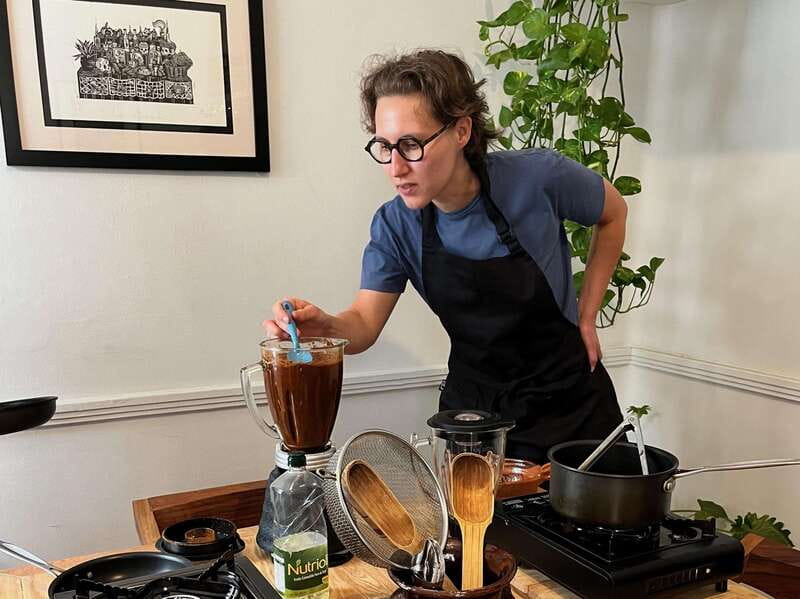
You’ll meet at a starting point that can vary depending on the option you book. Once you’re in, the tone is casual and welcoming. This isn’t a showroom-style cooking course where you hover behind glass.
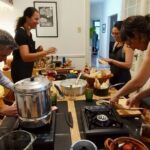
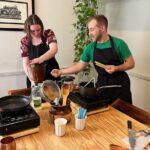
The location is a private home in Condesa, run by Jim, where the cooking happens in the kitchen and the meal happens at the dining table. That home setting matters more than you might think. It tends to make the pacing calmer and the instructions easier to follow, especially if you’re not a regular home cook.
A couple practical notes before you go. The building has no elevator. Wheelchair users have attended in the past, but you’ll want to plan for stairs. Also, allergy sufferers should know that there are two cats in the house. The host keeps allergy-prone guests out of the cooking area and has allergy pills available, but if you’re sensitive, it’s worth making this decision carefully.
First big lesson: learning the diversity of Mexican moles
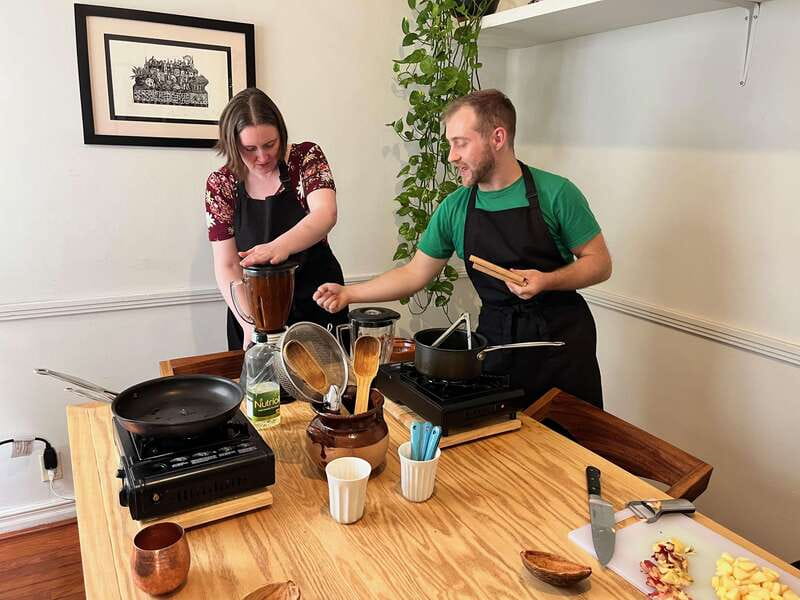
Before aprons go on, you’ll explore how broad mole really is. The class frames mole as something you can adapt—based on local ingredients, texture goals, and sweetness choices. That’s the kind of info that changes how you eat later.
You’ll also learn the logic behind mole elements—what tends to give body, what brings aroma, and what shifts sweetness and weight. This matters because mole can feel intimidating if you only meet it in restaurants. Here, you get the meaning behind the steps.
Jim’s approach is patient and supportive, and the class is built so people of different skill levels can participate. You don’t need to already be great with a cutting board. If you can follow directions and taste as you go, you’ll be able to contribute.
Cooking manchamanteles: pineapple-and-plantain mole with a poblano cousin
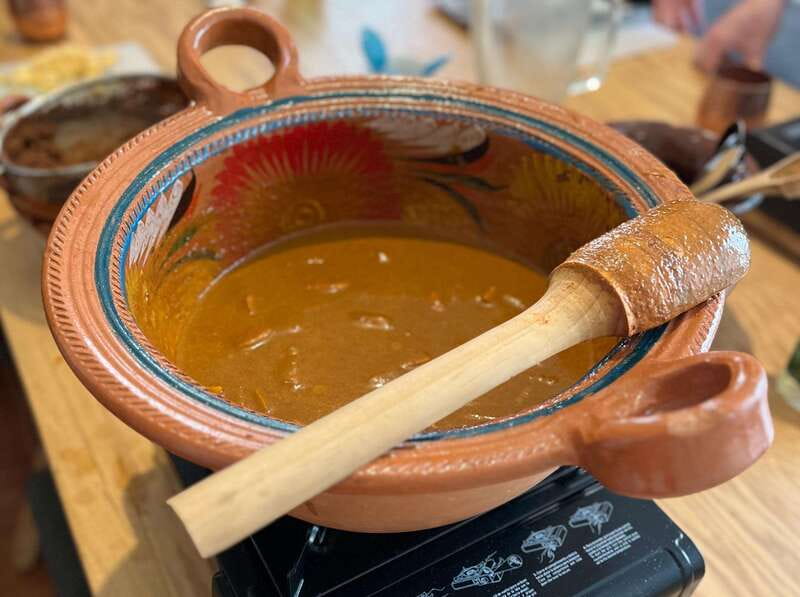
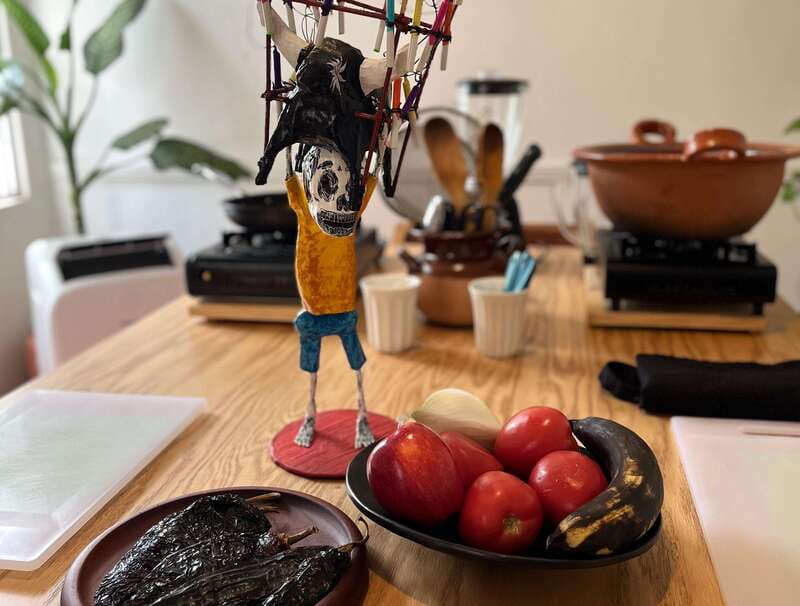
One of the two moles you’ll make is manchamanteles. It shares ingredients and processes with the world-famous mole poblano, but it leans sweeter in a very specific way. Instead of counting on chocolate for depth and bitterness, this version gets sweetness from generous chunks of pineapple and plantain.
For you, that’s the key learning moment. Many moles that feel heavy in the mouth depend on dark ingredients. Here, you get a different arc: fruit sweetness plus mole seasoning creates comfort without the same heaviness. It’s also a flavor contrast against the more leaf-forward style you’ll make later, so you’ll really notice the difference.
In practical terms, you’ll cook this from scratch, working through the process rather than just adding a paste. You’ll be handling ingredients, shaping the mixture, and learning how texture and aroma develop as the sauce comes together. And because you’re making it in the same session you’ll eat it, you can adjust your expectations on the spot.
The green mole change-up: crisp leaves and a fresher bite
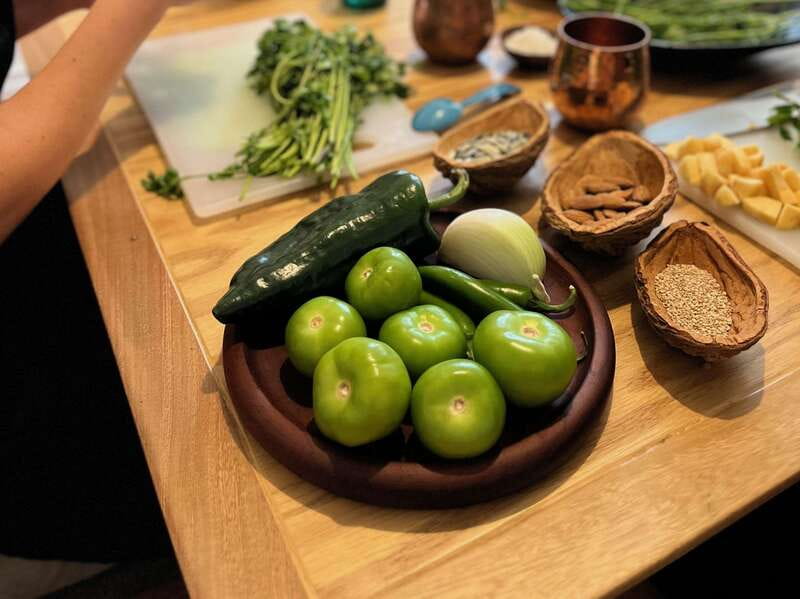
The second mole is an uplifting green mole, built on a base of crisp green leaves. If you’ve had moles that feel slightly heavier before, this is the counterweight.
You’ll notice the difference immediately once you start working with the green element. Green moles tend to taste more vegetal and bright, with less of the dark, baked-spice impression. That gives you a new “mole baseline,” so you don’t assume mole always tastes the same.
This is another reason the class format works. You’re not only learning ingredients—you’re learning how mole shifts character based on the base. Green leaves do a lot of work here: they bring freshness, they change the aroma, and they affect the final feel of the sauce.
By the time you’re ready to eat, this green mole becomes your palate reset, especially after the slightly richer manchamanteles.



Tortillas: the unglamorous step that makes the whole meal click
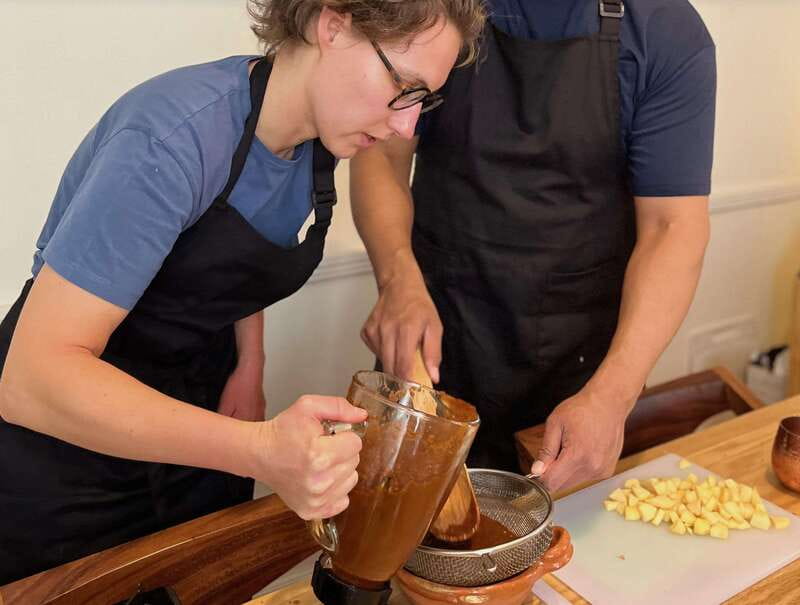
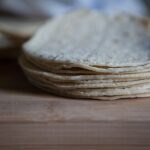
You’ll also prepare fresh corn tortillas as part of the session. This isn’t an afterthought. In mole culture, tortillas are the tool that turns sauce into a full bite.
If you’ve had mole with tortillas that were dry or overly thick, you already know how much it changes the experience. Here, making tortillas with the class means you’ll eat the moles the way they’re meant to be eaten: scoop, smear, bite, repeat.
Fresh tortillas also help you understand texture. When the sauce is glossy and slightly complex, a good tortilla gives you grip and balance. You’ll likely find yourself paying attention to how the sauce clings and how the flavor spreads across each bite.
The feast part: setting the table and eating what you made
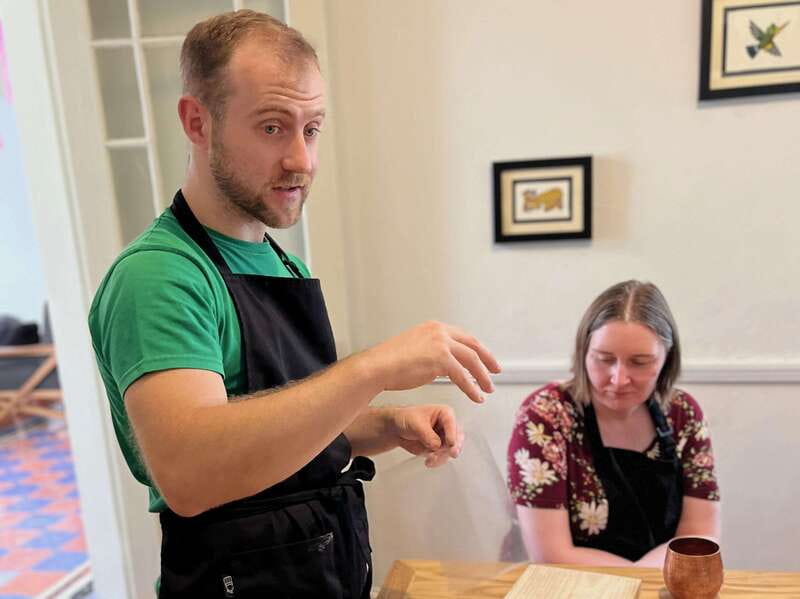
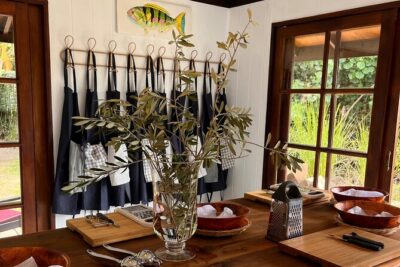
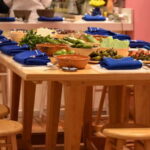
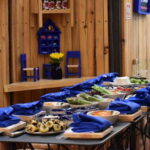
Around two hours after you start cooking, you’ll set the table with beautiful locally made dinnerware. Then you get to enjoy the meal in a proper dining rhythm, not a standing-around “sample and go” situation.
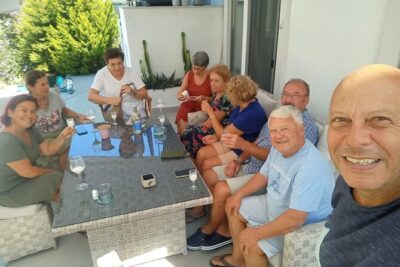
This is where the class feels like a dinner party with friends—plus learning. The table setup and the plated meal experience help you slow down enough to actually taste what you cooked.
You’ll eat both moles during the feast. Manchamanteles comes first in the described flow, followed by the green mole. The pairing makes sense: pineapple-and-plantain sweetness gives you one mood, while leaf-based green mole gives you another. It’s the kind of combination that keeps you interested, not just stuffed.
Along the way, you’ll have Mexican alcoholic and non-alcoholic drinks available, and you’ll stay hydrated throughout. That’s a small detail, but it matters when you’re working near heat and tasting lots of flavors.
Dietary needs and practical food-safety reality
The class accommodates dietary requirements. If you have restrictions, you should keep an eye on your email after booking. The host will ask about dietary needs so the experience can be adjusted where possible.
What you can’t count on: strict Kosher is not possible at this time. For allergy sufferers, you’ll get extra handling—the host keeps allergy-prone guests out of the cooking area and offers allergy pills for guests who need them. But the cats in the house are a real factor, so don’t ignore that detail if you’re sensitive.
Also note: there’s no elevator. If you use a wheelchair or mobility aid, you’ll want to plan around stairs because the building doesn’t have lift access, even though wheelchair users have attended before.
Price and value: what $130 gets you in real terms
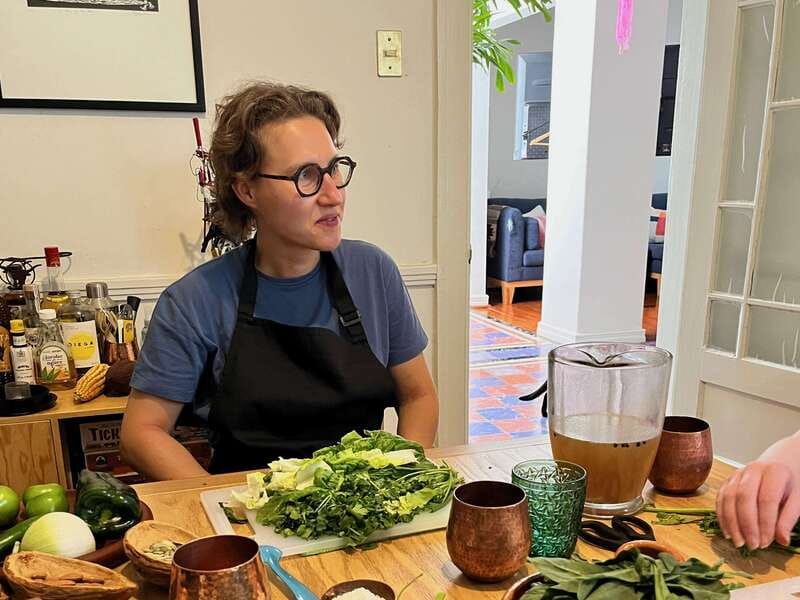
At $130 per person for about 4 hours, this class isn’t a bargain cooking workshop. But it also isn’t paying for “a vibe” only. You’re paying for real food labor and a guided lesson with ingredients covered.
Here’s what’s included:
- All ingredients to prepare two different moles and tortillas
- Beer, wine, and soft drinks
- Recipes by email after the class
That combo is the value story. The ingredients alone for two moles plus tortillas can add up fast if you’re buying everything in one go. On top of that, you get instruction in English and Spanish, plus a host who shares context about origins and ingredients. You’re also getting recipes later, which is often where cooking classes fail—this one aims to help you repeat at home.
If you’re the type who likes to bring home a skill, not just a meal, the price starts to make sense. For food lovers and curious cooks, it’s closer to paying for a hands-on guided dining experience than paying for an hour of instruction.
Who this class suits best
This is a great fit if you:
- Want to understand mole beyond mole poblano
- Like hands-on cooking and want to participate at your own comfort level
- Enjoy learning food context (ingredients, origin stories, how versions differ)
- Prefer small-group classes that feel relaxed rather than rushed
It’s also a good choice if you’re traveling with someone who has a wide range of cooking interests. The class format is designed so different skill levels can contribute.
You might think twice if you:
- Have significant allergies and can’t be around cats
- Need elevator access due to mobility needs
Should you book the Mexican mole cooking class and feast?
If you want one meal experience that teaches you something you can actually use again, I’d book this. Two moles means you’ll taste the logic of mole diversity. Fresh tortillas plus a sit-down feast means you’ll eat thoughtfully, not just snack. The host, Jim, brings patience and real ingredient talk, and the small-group atmosphere makes it feel like a friendly dinner party with an actual lesson attached.
My decision rule: if you’re excited by the idea that Mexican mole isn’t one sauce—and you want to cook and taste the differences—this is worth your time and money.
FAQ
How long is the cooking class?
The experience lasts about 4 hours.
What’s included in the price?
You get ingredients to prepare two types of mole and tortillas, plus Mexican beer, wine, and soft drinks. Recipes are sent by email after the class.
What languages are the instructor available in?
The instructor speaks English and Spanish.
Can the class accommodate dietary requirements?
Yes, dietary requirements can be accommodated. After booking, you’ll be contacted by email to ask about your needs. Strict Kosher is not possible.
Is the host able to help with allergies?
Allergy sufferers are kept out of the cooking area, and allergy pills are available. The house has two cats, so allergies related to cats should be considered.
Where do we meet?
The meeting point may vary depending on the option booked.