REVIEW · MOOREA
Moorea Tahitian Cooking Class
Book on Viator →Operated by AtunuMai Moorea Culinary · Bookable on Viator
A home-cooked meal can be a whole culture lesson. AtunuMai Moorea Culinary brings you into a traditional Tahitian house where hands-on cooking meets local stories and seasonal ingredients.
I really like how personal the class feels in a small group, with warm hosting and practical guidance that actually helps you cook. And I love that the menu leans on garden-fresh ingredients, including hands-on cooking for Tahitian favorites like poisson cru with guidance from Havaiki.
The one thing to consider: this experience depends on good weather, so plan for the possibility of a change or reschedule if conditions are rough.
In This Review
- Key Things To Know Before You Go
- Why This Moorea Cooking Class Feels Different From a Demo
- Your 10:30 Arrival: Welcome, Then Get to Cooking
- The Garden-to-Table Details That Actually Change the Meal
- Hands-On Cooking Workshop: Learning a Tahitian Dish the Practical Way
- Cultural Storytelling: What You Gain Beyond the Plate
- The Setting Matters: Photos, Atmosphere, and Warm Hospitality
- Duration and Timing: Why the Morning Slot Works
- Price and Value: Is $220 Worth It?
- Who Should Book This (And Who Might Skip It)
- Weather and Flexibility: The One Planning Catch
- Should You Book AtunuMai Moorea Culinary?
- FAQ
- Where is the Moorea Tahitian Cooking Class located?
- What time does the class start and how long is it?
- Is there a limit on group size?
- What do you do during the cooking class?
- Do you cook seafood dishes like poisson cru?
- What happens if the weather is poor?
- How far in advance should you book?
Key Things To Know Before You Go
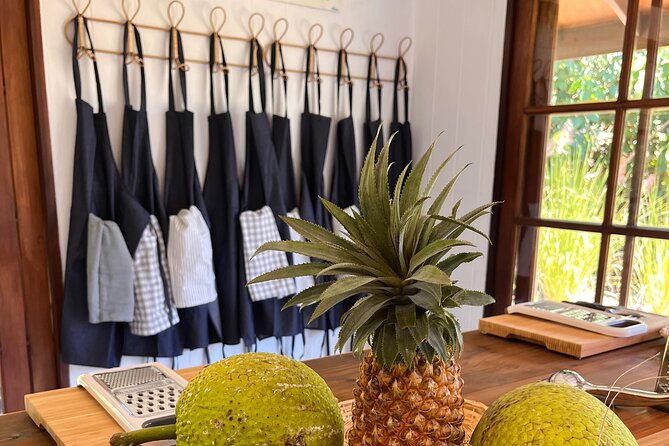
- Small group size (max 10): You get real attention, not a rushed demo.
- Traditional Tahitian home setting: The setting is part of the experience, not just a place to cook.
- Garden-to-table ingredients: Fresh, seasonal produce plays a big role.
- Local cultural storytelling: You learn the why behind the flavors and methods.
- Hands-on cooking format: You’re actively preparing your food, not just watching.
- 2 hours 30 minutes starting at 10:30 am: Morning timing that works well with other Moorea plans.
Why This Moorea Cooking Class Feels Different From a Demo
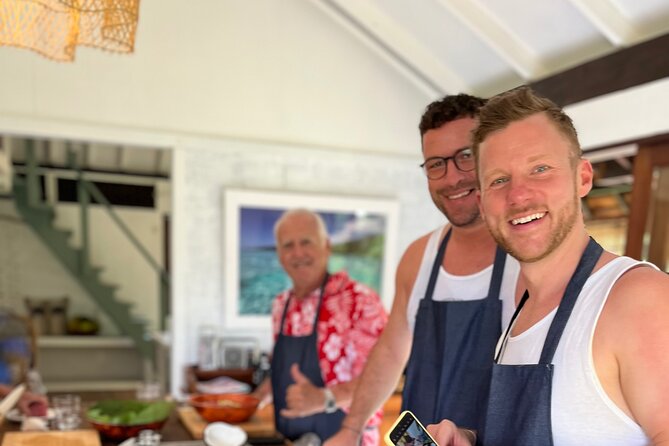
Most cooking classes teach technique. This one teaches context. You’re not just learning a recipe; you’re getting a feel for how Tahiti connects food, land, and family life. The whole experience is staged in a traditional Tahitian home, so you’re surrounded by the rhythms of the place while you cook.
I also like the scale. With a maximum of 10 travelers, the class stays friendly and focused. That matters because hands-on cooking is hard to do well when the group is large. You want enough time to ask questions, adjust as you go, and actually finish your dish without feeling behind.
Finally, the ingredient angle is a big deal. Fresh local produce from the Atunumai garden is part of the appeal, and seasonal cooking tends to taste better because the flavors match what’s ready right now.
Your 10:30 Arrival: Welcome, Then Get to Cooking
The class starts at 10:30 am and lasts about 2 hours 30 minutes, ending back at the meeting point. That simple start-to-finish flow is helpful in Moorea, where travel time and logistics can add up fast.
When you arrive, you’ll be welcomed with local punch. It’s a small touch, but it sets the tone: relaxed, friendly, and grounded in local hospitality. After that, you’re guided into the hands-on cooking workshop, where the host and culinary instructor explain what you’ll be making and how to approach it.
Because it’s run in a home setting, you also get a more natural pace than you’d find in a larger venue. Think more like visiting someone who cooks often, and less like attending a timed production. If you like asking questions while you cook, this format fits you well.
The Garden-to-Table Details That Actually Change the Meal
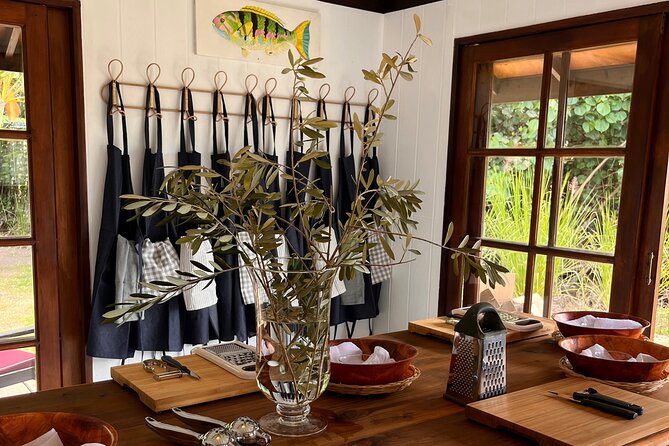
One of the strongest parts of AtunuMai Moorea Culinary is the emphasis on fresh, seasonal ingredients. The class notes that many ingredients come from the Atunumai garden itself, which affects the food in a very practical way: you taste fresher flavors and the cooking feels seasonal, not generic.
You’re also learning more than flavor combinations. You’re learning traditional techniques connected to local ingredients. Even if you’re not a “food expert,” that kind of guidance helps you understand what to look for while you cook—like how ingredients behave when they’re fresh, or how certain methods support the final taste.
If you’re the type of traveler who cares about quality, this garden-first approach is one of the best reasons to book. Many tours in French Polynesia show scenery. Here, you’re working with what the scenery grows.
Hands-On Cooking Workshop: Learning a Tahitian Dish the Practical Way
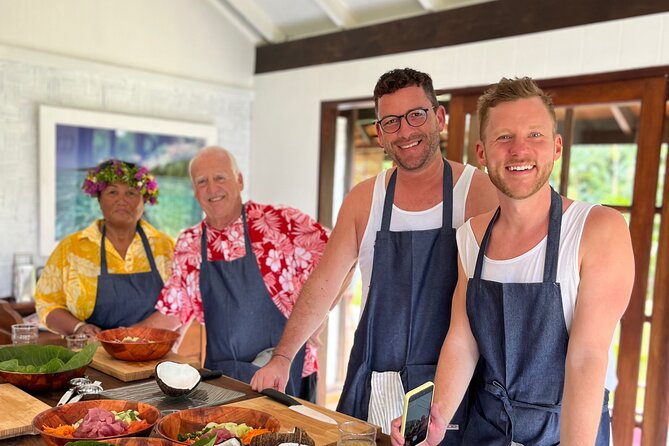
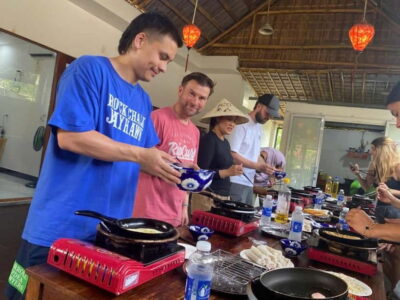
This is not a sit-back-and-watch class. You’ll be actively involved in cooking, guided step by step. A big highlight from the experience is learning Tahitian dish preparation such as poisson cru, taught with guidance from Havaiki in at least one class format described in available feedback.
You can think of hands-on cooking here as a chance to do three things at once:
- learn a recipe approach you can repeat later
- practice the actual steps, not just the idea
- understand why the ingredients and methods matter
The practical value is that you’ll leave with more than photos and a full stomach. You’ll have a clearer sense of how the dish comes together and how the kitchen flow works in a Tahitian home.
Also, the class is designed for an intimate group, which helps when you need a quick correction or an explanation in plain terms. With a larger crowd, you’d lose that.
Cultural Storytelling: What You Gain Beyond the Plate
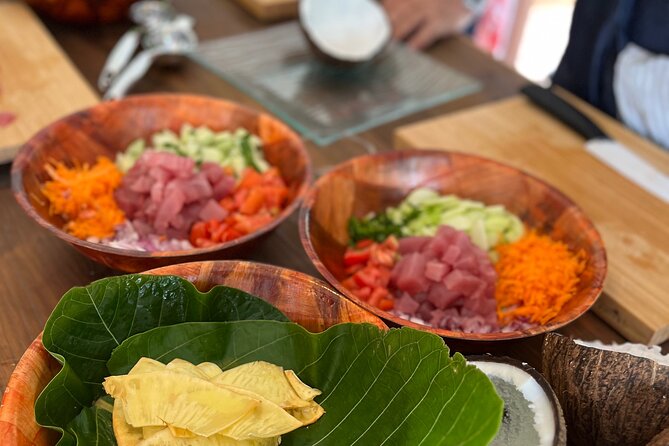
The cooking is the centerpiece, but the storytelling gives it weight. This experience blends cultural storytelling with traditional techniques and local flavors. That matters because Tahitian food isn’t just a set of steps—it’s tied to the land, the community, and daily life.
In a well-run class, you’ll notice that storytelling isn’t used to fill time. It helps you connect what you’re doing to a bigger picture. That can turn a meal from something you ate into something you understand.
And because the class is held in a traditional Tahitian home, the environment supports the stories. You’re not hearing facts in a sterile room. You’re in the kind of setting that makes those connections feel natural.
The Setting Matters: Photos, Atmosphere, and Warm Hospitality
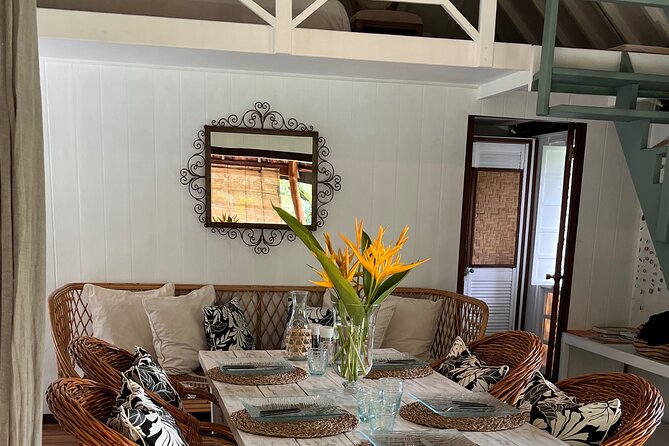
Yes, it’s described as an Instagrammable setting, but the real advantage is comfort. In a warm, welcoming home environment, you don’t feel like you’re interrupting a performance. You feel like you’re part of the day’s routine for a short time.
You’ll be hosted with warmth and guided through the cooking workshop, which helps if you’re traveling with food curiosity but zero cooking confidence. The class style is built around instruction and participation, so you’re not left to figure things out alone.
And since the group size is capped at 10, the atmosphere stays calm. That makes it easier to enjoy the meal, ask questions, and take photos when you want them—without feeling like you’re dodging strangers for a spot.
Duration and Timing: Why the Morning Slot Works
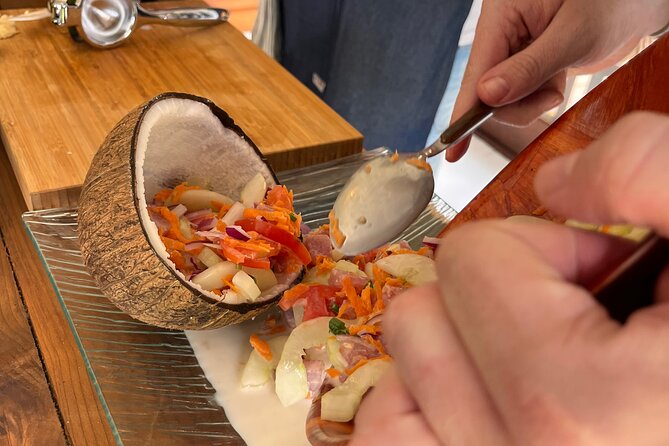
This class runs for about 2 hours 30 minutes starting at 10:30 am. For many Moorea itineraries, a late morning slot is ideal. You get a full cultural and food experience before the busiest part of the day.
It also helps that the session ends back at the meeting point. You’re not stuck coordinating transport after you’re done eating and relaxed. You can move on to your next plan without a complicated wrap-up.
If you prefer daytime activities over late dinners, this fits your rhythm. And if you like eating earlier rather than later, you’re done before the evening rush.
Price and Value: Is $220 Worth It?
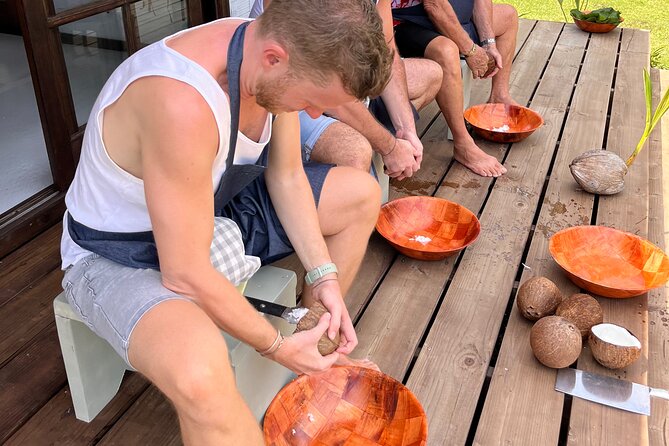
At $220 per person, this is a premium experience. But it doesn’t feel priced like a mass-market activity.
Here’s how I’d think about value for this specific class:
- Small group size (max 10): You’re paying for attention and hands-on teaching time.
- Traditional home setting: That kind of venue costs more than a generic cooking studio.
- Fresh local ingredients: The garden and seasonal sourcing add real value, especially in a place where freshness is part of the experience.
- More than cooking: Local punch, cultural storytelling, and traditional techniques are included.
When you break it down by time, it’s not an all-day program—so you’re not spending your whole vacation block on one activity. But it’s long enough (2.5 hours) to cover instruction, hands-on cooking, and the social side of eating together.
If you’re choosing between a quick tasting stop and a true hands-on class, the extra cost makes sense here because you’ll actually cook and eat in context. If you’re simply looking for a cheap meal, this isn’t the right category.
Who Should Book This (And Who Might Skip It)
I’d book AtunuMai Moorea Culinary if you:
- want hands-on cooking, not a passive show
- enjoy food experiences tied to culture and place
- like small groups where you can ask questions
- care about fresh, seasonal ingredients sourced from a garden
You might skip it if you:
- hate weather-dependent plans and need absolute certainty
- prefer short activities instead of 2.5 hours with instruction
- are only seeking a budget meal rather than a learning-focused experience
This class fits well for couples, friends, and solo travelers who want a personal, grounded Moorea moment—not just another stop on a list.
Weather and Flexibility: The One Planning Catch
This experience requires good weather. If it’s canceled due to poor conditions, you’ll be offered a different date or a full refund. That’s the kind of policy you want for an outdoor-friendly home cooking day.
I recommend you keep your Moorea schedule flexible around the class window, especially since start time is fixed for each session. If you already have a tight plan that day, consider scheduling this earlier so you’re less likely to get squeezed by a weather change.
Also, because it’s popular and booked on average 45 days in advance, you’ll want to reserve sooner if your trip dates are firm.
Should You Book AtunuMai Moorea Culinary?
If you want a Moorea experience that goes beyond scenery and actually teaches you something you can carry home, I think it’s a strong choice. The combination of a traditional Tahitian home setting, hands-on cooking, garden-fresh ingredients, and cultural storytelling makes it feel more like a lived-in experience than a staged performance.
The biggest reason to book is simple: you cook. In a small group (max 10), with real guidance like Havaiki teaching preparations such as poisson cru, you get a meal experience you’ll remember and recreate.
My only caution is practical—plan for weather. If you can handle that one variable, AtunuMai Moorea Culinary is worth the price for the way it pairs food, culture, and hands-on learning in a small, warm setting.
FAQ
Where is the Moorea Tahitian Cooking Class located?
It takes place in Moorea, French Polynesia, and the activity starts in Mo’orea, Moorea-Maiao, French Polynesia.
What time does the class start and how long is it?
The start time is 10:30 am, and the duration is approximately 2 hours 30 minutes.
Is there a limit on group size?
Yes. The experience has a maximum of 10 travelers.
What do you do during the cooking class?
You’re welcomed with local punch and guided through a hands-on cooking workshop using fresh, seasonal ingredients. Cultural storytelling and traditional techniques are part of the experience.
Do you cook seafood dishes like poisson cru?
One class format described in available feedback includes making poisson cru with guidance from Havaiki, but the exact dish isn’t guaranteed in the provided details.
What happens if the weather is poor?
The experience requires good weather. If it’s canceled due to poor weather, you’ll be offered a different date or a full refund.
How far in advance should you book?
On average, this is booked about 45 days in advance.