REVIEW · MEXICO CITY
Mexico City: Authentic Mexican Cooking Class & Market Tour
Book on GetYourGuide →Operated by Aura Cocina Mexicana · Bookable on GetYourGuide
Mexican cooking gets real when you start in the market. You’ll walk through Mercado de Medellín in Roma Norte, taste your way through ingredients, then cook a full 4-course lunch back in an intimate studio.
Two things I really like: the hands-on class (you’re not just watching), and the way the day connects street food technique to regional dishes like white mole. One possible drawback: you’ll sample things that may not fit everyone’s comfort level, including insects and nut-based mole, so plan accordingly.
In This Review
- What Makes This Cooking Class Different?
- Key Takeaways Before You Go
- Roma Norte Market Stops That Feel Like Real Life
- From Aguita Fresca to the Market Walk: What You’ll Do First
- Mercado de Medellín: Nixtamal, Chiles, Cacao, and More
- Native corn and the nixtamalization moment
- Chili education that actually helps you cook
- Oaxaca cacao and chocolate you can taste with your eyes
- Seasonal fruit and hand-crafted ice cream
- Exotic bug tasting (yes, it’s part of the experience)
- Cooking Studio in Roma Norte: Apron On, Stations Ready
- Your 4-Course Menu: What You’ll Learn to Make
- Course 1: Antojitos and sopes with two salsas
- Course 2: Mextlapiques with a hierbabuena (mint) twist
- Course 3: White mole—light ingredients, serious depth
- Course 4: Pastel de elote and water-based chocolate
- Drinks and Pairings: Why the Alcohol Matters Here
- Price and Value: Is $204 Worth It?
- Who Should Book This Cooking Class (and Who Should Skip)
- Ideal for you if you…
- Skip if…
- Should You Book This Mexico City Market and Cooking Class?
- FAQ
- How long is the Mexico City cooking class and market tour?
- How many people are in the group?
- What languages are offered?
- Where do I meet the tour?
- What’s included in the experience?
- Is alcohol included?
- Is it suitable for nut allergies?
- Is hotel pickup and drop-off included?
What Makes This Cooking Class Different?
This is the kind of Mexico City food experience that doesn’t treat tacos like a single flavor, or mole like a single sauce. You’ll learn why ingredients matter—native corn, specific chiles, cacao, and seasonal fruit—then translate that into what’s on your plate.
It also helps that the group stays small (up to 7). You get enough time at your station to actually cook, ask questions, and leave feeling like you could recreate parts of the meal at home.
Key Takeaways Before You Go
- Mercado de Medellín on foot in Roma Norte: market history, layout, and tastings, not just a quick walkthrough
- Nixtamalization live at an organic tortillería: you see how native corn becomes dough
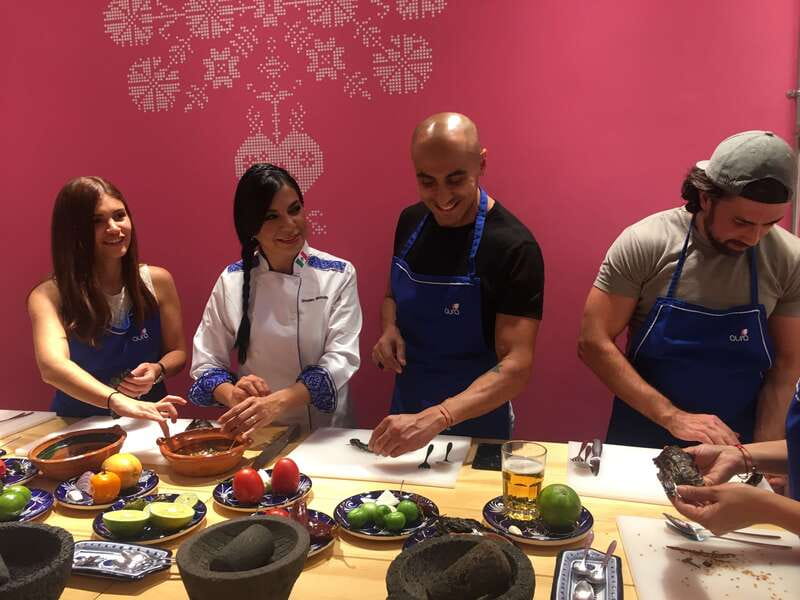
- Hands-on cooking with a real apron setup: you cook multiple dishes, not passive “demo” style
- Regional Mexico dishes with specifics: sopes with two salsas, prehispanic-style mextlapiques, and white mole
- A tasting-forward market route: cacao, Oaxaca chocolate, chili varieties, seasonal fruit, and even exotic bugs
- Drinks paired to your courses: Mexican craft beer, mezcal from Oaxaca, and Valle de Parras wine
You can also read our reviews of more tours and experiences in Mexico City.
Roma Norte Market Stops That Feel Like Real Life
The day starts in Roma Norte, one of Mexico City’s neighborhoods where you can feel modern life next to old traditions. You’ll meet at Medellín 191a, and the address can be a little quirky since street numbers aren’t sequential—easy fix: look for the spot between Chiapas and Tapachula.
The opening moment matters here. Before you head to the market, you get a welcome refreshment—agua fresca—plus coffee from selected Mexican beans (or a special infusion option, if that’s offered). It’s a small detail, but it makes a difference. You’re alert, comfortable, and ready to taste without feeling rushed.
One more smart touch: you’ll get a bit of context about Mexican cuisine’s history before you start shopping. That sets up the rest of the tour, because later you’ll learn why things taste different even when the dishes look similar.
From Aguita Fresca to the Market Walk: What You’ll Do First
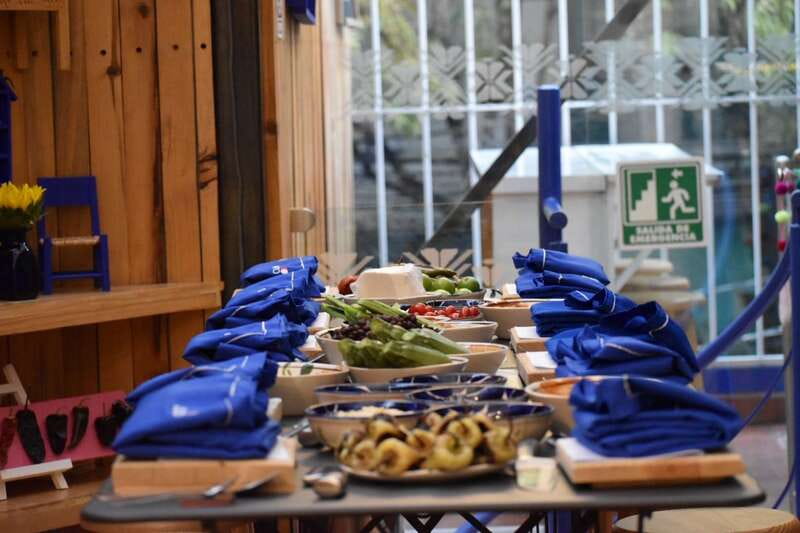
After the welcome, you’re in “prepare to cook” mode, even before you reach the stove. You’ll get oriented, learn the basics of the day, and then shift into market rhythm—colors, aromas, quick conversations, and lots of sampling.
Then comes the market visit. You’ll head to Mercado de Medellín, and the route is designed so you’re not stuck in traffic or dragged across town. The market tour focuses on how it’s organized and what to look for in each hall, which is more useful than memorizing names of stalls.
You’ll also learn how to “read” a market. Watch what gets stacked, what’s seasonal, what’s made fresh on site, and what’s already processed. That’s how you start making sense of Mexican ingredients fast.
Mercado de Medellín: Nixtamal, Chiles, Cacao, and More
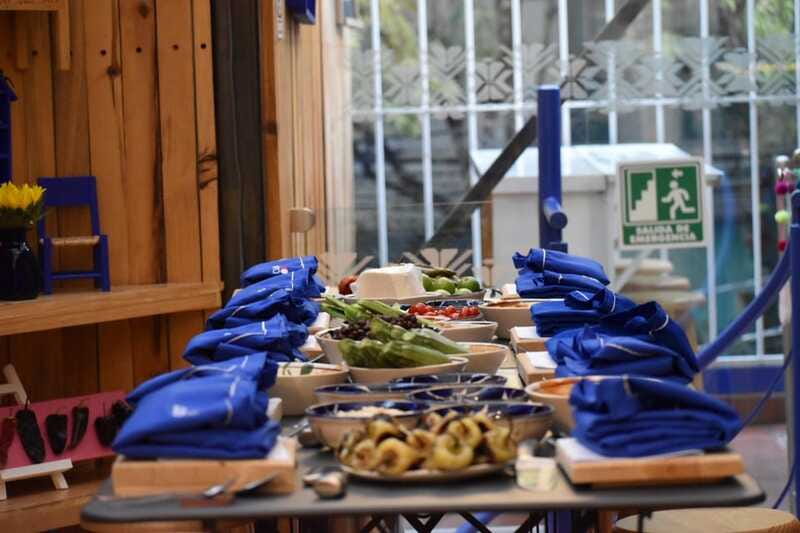
Mercado de Medellín is where the day turns from learning to tasting. You’ll pick up examples of how Mexican food isn’t one style—it’s regional technique meeting local produce.
Native corn and the nixtamalization moment
One stop is at an organic tortillería where you’ll have quesadillas made with native corn. Even better, you can view the traditional nixtamalization process. If you’ve ever wondered why masa and tortillas have a distinct flavor and texture, this is the practical explanation—corn treated the right way changes everything.
Chili education that actually helps you cook
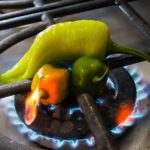
You’ll also visit a chili stand and taste different varieties. This isn’t just novelty tasting. It’s a real lesson in heat level, flavor depth, and why some chiles bring fruitiness while others bring smoke or bitterness. You’ll carry that forward when you’re learning salsas later in the studio.
Oaxaca cacao and chocolate you can taste with your eyes
Another memorable stop: you’ll taste 100% raw cacao and hand-made artisanal chocolate from Oaxaca. The value here is comparison. It’s easier to understand chocolate as an ingredient (not just dessert) when you try it in a plain form first.
Seasonal fruit and hand-crafted ice cream
You’ll sample seasonal native fruits such as mamey, chicozapote, tuna, and more. Expect flavors that feel richer and less watery than many imported fruit options. You’ll also try hand-crafted ice cream—great for resetting your palate between stronger tastings.
Exotic bug tasting (yes, it’s part of the experience)
If you’re curious, you’ll get to try exotic bugs like crickets, chicatana flying ant, and chinicuil worm. It’s optional in the sense that you’re deciding whether to taste, but it’s explicitly part of the route. If insects are a hard no for you, plan ahead and treat this as the one moment you might skip.
Cooking Studio in Roma Norte: Apron On, Stations Ready
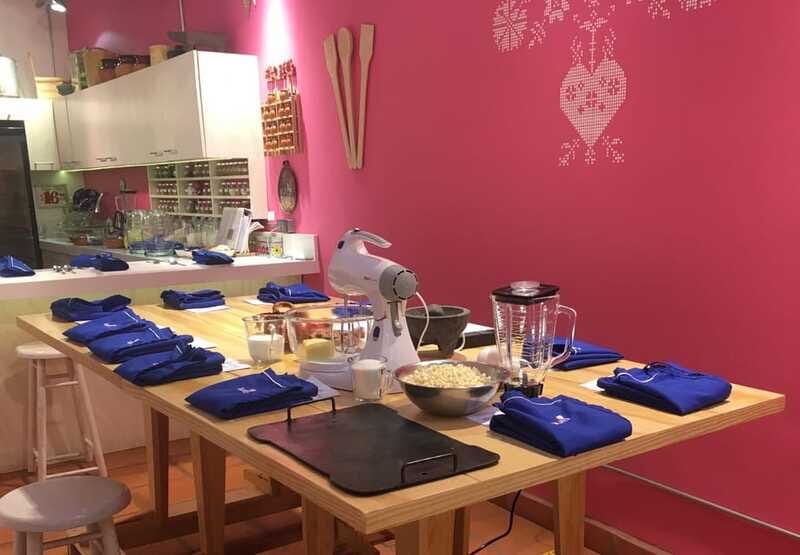
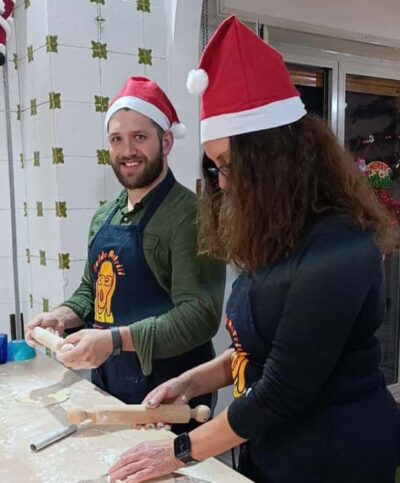
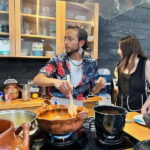
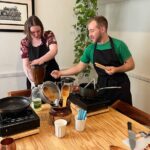
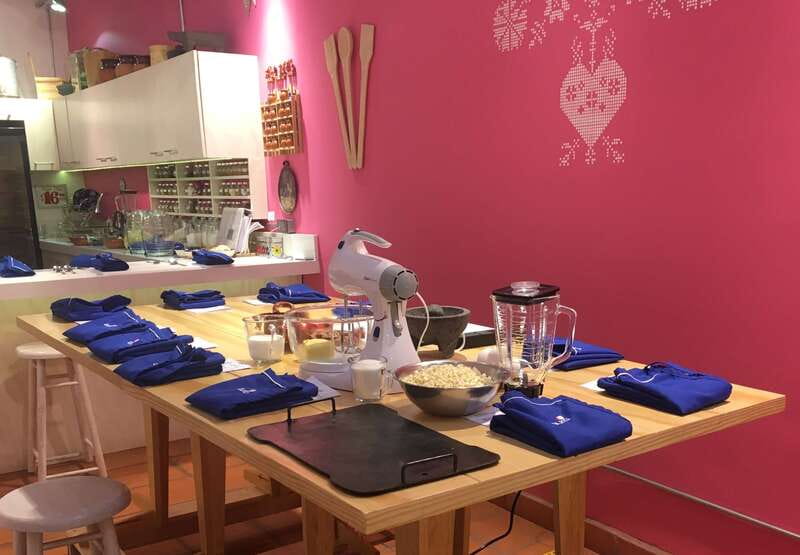
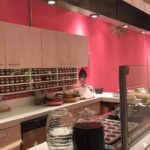
Back at the studio, you transition from street-level tasting to hands-on technique. The space is described as gorgeous and designed in a way that feels intimate—small enough to keep the group moving, but comfortable enough to work.
You’ll get an apron provided for the class. Think of it as your protection and your signal that you’re cooking, not just observing.
The best part of a class like this isn’t the cookware. It’s the format: you’ll work through multiple courses, and the staff and chef guide you step by step. Based on the guide styles mentioned in past sessions—people like Mariana, Pamela (Pame), Lorena, and Kristel—the teaching energy tends to be friendly and focused on getting you comfortable with the steps, not just finishing the dish.
And with only up to 7 participants, questions don’t get lost. That matters, because Mexican cooking rewards timing and small adjustments.
Your 4-Course Menu: What You’ll Learn to Make
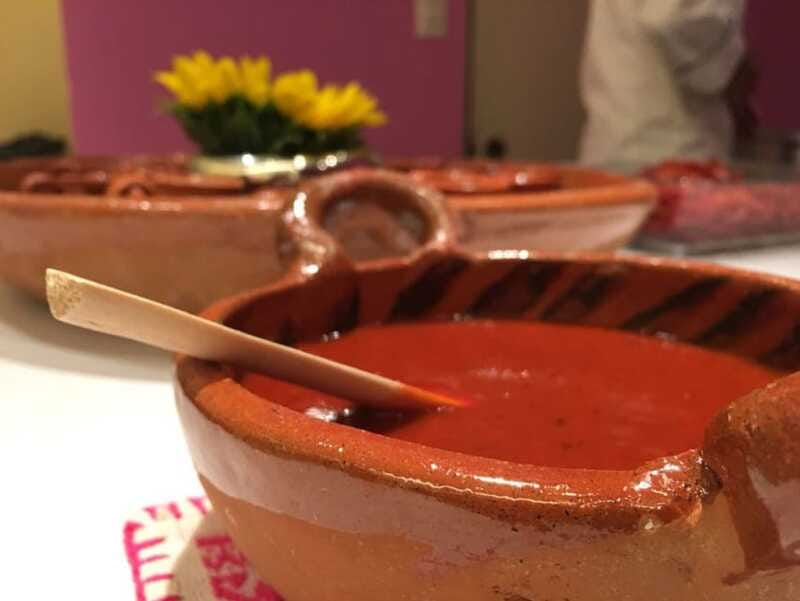
This is where the value of the day clicks. You’re not paying for “a meal.” You’re paying for repeated practice: salsas, assembly, sauce-making logic, and plating a full lunch.
Course 1: Antojitos and sopes with two salsas
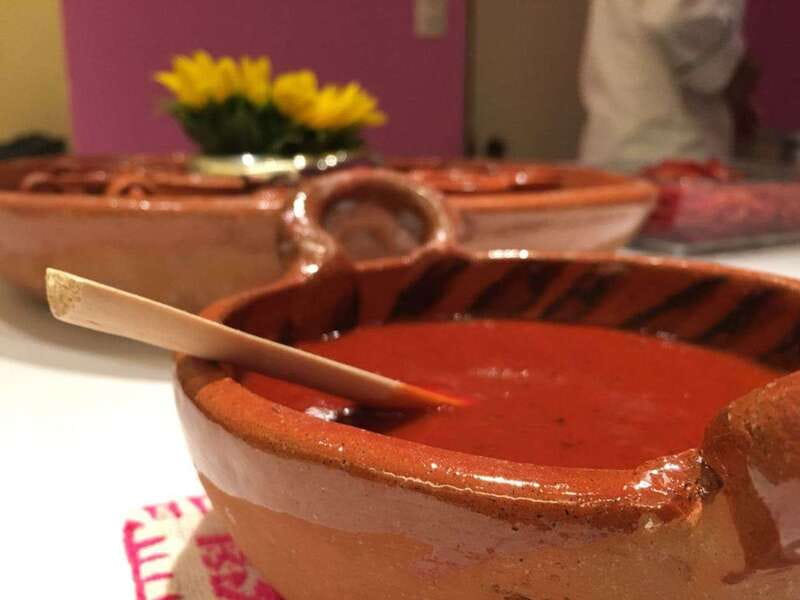
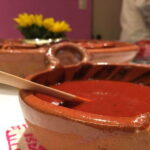
For the first course, you’ll make antojitos mexicanos with Mexican salsas and work on street-food-style appetizers like sopes. You’ll pair them with two salsas: a red molcajete sauce and a green sauce.
The lesson here is control. Salsas can taste similar at first glance, but they behave differently depending on chile type and how the sauce is built. You’ll learn how to balance and apply them so the dish tastes intentional, not just spicy.
Course 2: Mextlapiques with a hierbabuena (mint) twist
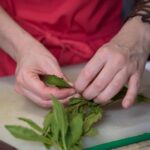
Next up: mextlapiques, described as having a prehispanic origin and made as a tamal without masa. You’ll prepare a vegetable-only version, covered with hierbabuena sauce.
This course is a great confidence-builder if you don’t cook often. It shows you that “historic” food isn’t untouchable—it’s just technique and ingredients handled correctly. The hierbabuena sauce adds brightness, which helps the heavier flavors later in the meal not feel overwhelming.
Course 3: White mole—light ingredients, serious depth
Then you’ll make white mole, a traditional dish from Mexico’s central region often connected to celebrations. White mole is built from lighter-colored ingredients, including white pine nuts, almonds, peanuts, blonde raisins, and chile guero. It’s served with chicken pieces, mushrooms, or panela cheese.
This course is the one to watch if you’re managing allergies. Nut ingredients are specifically part of the flavor structure. If you have a nut allergy, this tour isn’t suitable, since the dishes you’ll learn to make depend on those components.
If you’re not allergic, this is one of the most interesting learning moments. White mole teaches you that mole isn’t only about dark color and heavy smoke—it’s about blending multiple flavors into one cohesive sauce.
Course 4: Pastel de elote and water-based chocolate
For dessert-style finale, you’ll make pastel de elote, essentially cornbread paired with a water-based chocolate. Corn here is the star, and the chocolate pairing gives it an adult, not-too-sweet finish.
This course also explains why Mexican desserts often feel more complex than what you’ll find in many restaurant versions. The sweetness is usually controlled; the flavors come from real ingredients, not just sugar.
Drinks and Pairings: Why the Alcohol Matters Here
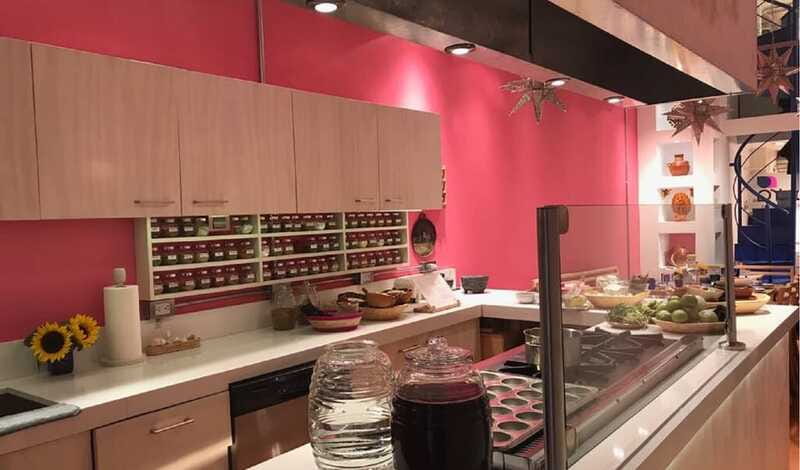
One reason this class feels like more than a “cooking lesson” is the pacing with drink pairings. After you cook, you’ll enjoy your dishes with agua fresca, Mexican craft beer, mezcal from Oaxaca, and premium white or red wine from Valle de Parras.
Alcohol isn’t just added for fun. Each pairing supports taste in a different way:
- Mezcal can handle smoky or chile-forward flavors.
- Craft beer gives a refreshing reset between courses.
- Wine rounds out the richer notes—especially helpful with mole and chocolate.
It also keeps the meal social. You’ll eat together, compare what you made, and talk through what worked in the kitchen.
Price and Value: Is $204 Worth It?
At $204 per person for about 4.5 hours, the key question is what you’re getting besides the recipes.
You’re getting:
- a market tour at a major local market in Roma Norte
- ingredient tastings across multiple stops
- a guided, small-group cooking class (max 7)
- all ingredients plus printed recipes
- a full 4-course lunch
- alcoholic beverages (beer, mezcal, or wine)
So the value isn’t just the lunch. It’s the structure: market learning plus repeated cooking practice plus tastings plus drinks. Cooking classes in Mexico City can vary a lot in what you actually do. Here, the format is built around active participation—your hands learn the steps, and your palate learns the ingredient logic.
The strongest “worth it” moments are the teaching points that don’t happen in most meals: seeing nixtamalization, tasting cacao and chiles with context, and making white mole with its specific light-ingredient blend.
Who Should Book This Cooking Class (and Who Should Skip)
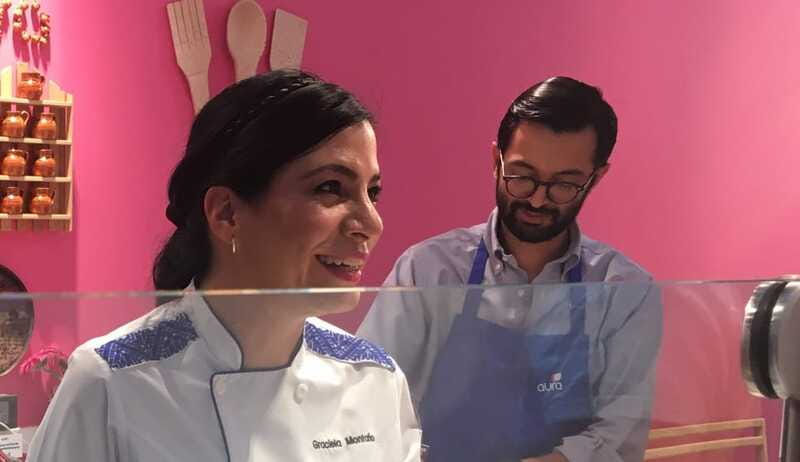
This experience fits best if you like food that has a story behind it and you’re ready to cook, taste, and ask questions.
Ideal for you if you…
- want a hands-on Mexican cooking experience, not a demo
- enjoy market wandering with real tasting stops
- like regional dishes and ingredient-focused learning
- are comfortable with spice and curious flavors
Skip if…
- you have nut allergies (white mole includes nuts and peanuts)
- you have mobility impairments (not suitable per the activity rules)
- you’re traveling with kids under 12
- you strongly dislike trying unusual items, since exotic bug tasting is part of the market route
Language-wise, you can join in English or Spanish, which is helpful if your group includes different comfort levels.
Should You Book This Mexico City Market and Cooking Class?
If you want one food experience in Mexico City that links market life to real cooking technique, I’d book this. The day is built like a loop: taste first, learn the why, then cook the how. That’s what makes it feel practical, not just entertaining.
I’d especially book it if you’re the type who wants to go home with more than memories—like a clearer understanding of salsas, chile character, corn dough basics, and what makes white mole taste like itself.
But if insects, nuts, or strong chile flavors are deal-breakers, take that seriously. In this class, those aren’t side quests. They’re part of the main tour.
If it matches your comfort level, you’ll likely walk away with confidence—and a new set of dishes you can realistically cook again.
FAQ
How long is the Mexico City cooking class and market tour?
It lasts 4.5 hours.
How many people are in the group?
The group is small, limited to 7 participants.
What languages are offered?
The instructor speaks English and Spanish.
Where do I meet the tour?
Meet at Medellín 191a, Roma Norte, Cuauhtémoc, 06700 Ciudad de México, CDMX. Medellín street numbers are not sequential, so it’s located between Chiapas and Tapachula streets for easier finding.
What’s included in the experience?
Included are the market tour, a professional chef guide, all ingredients, printed recipes, a 4-course lunch, and alcoholic beverages (beer, mezcal, or wine).
Is alcohol included?
Yes. The experience includes alcoholic beverages such as Mexican craft beer, mezcal, and premium wine options.
Is it suitable for nut allergies?
No. It is not suitable for people with nut allergies.
Is hotel pickup and drop-off included?
No. Hotel pickup and drop-off are not included.