REVIEW · MADRID
Madrid Spanish Omelet Cooking Class and Bottomless Wine brunch
Book on Viator →Operated by The Cooking Clubhouse · Bookable on Viator
This is a brunch you can actually cook. You’ll learn the how behind Spain’s most copied comfort foods, from tortilla de patatas to salsa brava, while bottomless cava or wine keeps the mood friendly. It’s hands-on, small, and focused—about 1 hour 45 minutes—so you leave with techniques you can repeat at home.
What I like most is that the class is practical, not just show-and-tell. You work in pairs, you cook in real time, and you get to taste what you make at a communal table.
One thing to consider: you’re making a small set of recipes, not a huge buffet day. If you’re chasing a full multi-hour meal with dozens of dishes, this tight format may feel short.
In This Review
- Key Things I’d Plan Around
- Where You Start: The Cooking Clubhouse by Atocha
- The Core Lesson: Four Spanish Recipes You Can Repeat
- Spanish tortilla (tortilla de patatas)
- Salsa brava and potatoes
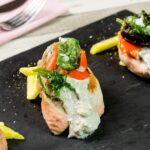
- A Mallorcan-style tapa: ensaimada with sobrasada and honey
- Churros and chocolate (the cozy finish)
- Bottomless Cava or Wine Brunch: How It Changes the Experience
- How the Class Works in a Small Group (Max 16, Pairs Cooking)
- What Makes the Instructors Matter (Names You’ll Hear)
- The Food Flow: From Cooking Stations to the Communal Table
- Value in Real Numbers: Why $96.12 Can Make Sense
- Practical Tips Before You Go
- Who This Madrid Cooking Class Fits Best
- Should You Book This Bottomless Wine Tortilla Brunch Class?
- FAQ
- What time does the Madrid class start?
- How long is the cooking class and brunch?
- What recipes will I learn to make?
- Are wine, cava, or drinks included?
- Is the class offered in English?
- How large is the group?
- Can I cancel for a refund?
Key Things I’d Plan Around
- Max 16 people means you’re not lost in the crowd; it stays social and guided
- Pairs cooking keeps you busy (and makes it easier to meet people)
- Bottomless drinks are part of the flow: tea/coffee plus cava or wine while you work
- Four classic recipes you can recreate at home, from tortilla technique to dessert
- Center-city location at C. de Atocha 76, easy to reach by metro
- Instructors with personality like Jaime, Vasco, Eric, and Pao set a fun, teachable pace
Where You Start: The Cooking Clubhouse by Atocha
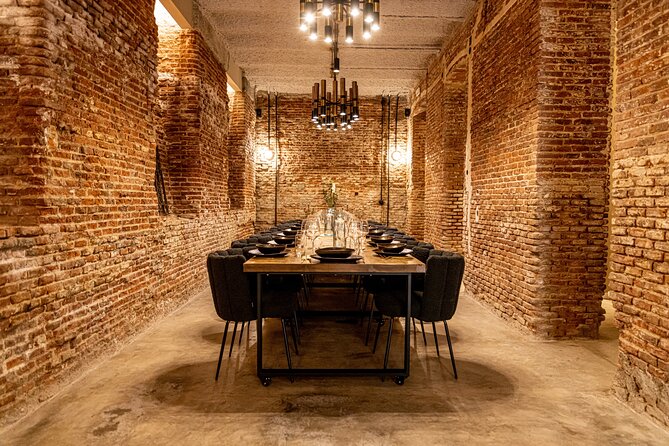
Your session begins at The Cooking Clubhouse, C. de Atocha, 76, in Madrid’s Centro. The vibe is modern and welcoming, but the room has a lived-in feel—exposed brick shows up in the dining area downstairs, and it makes the post-cooking meal feel like you’ve landed somewhere special instead of a generic classroom.
Getting there is straightforward. It’s near public transport, and one helpful detail from previous classes: it’s easy to find from the San Martín metro area because the entrance is at street level. If you’re arriving a little early, you can settle in without stress; the place is built for people who want to start cooking fast.
Also note the practical side: you’ll have a mobile ticket, and the class size stays under 16, so the teaching style doesn’t feel like “crowd management.” That matters, because the best part of a cooking class is when your questions don’t get lost.
You can also read our reviews of more tours and experiences in Madrid.

The Core Lesson: Four Spanish Recipes You Can Repeat
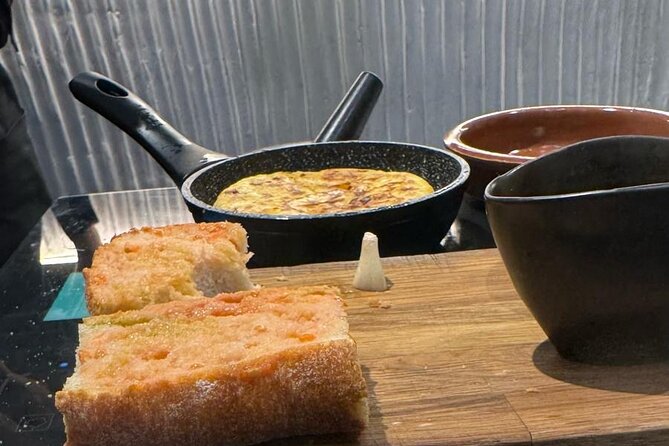
This workshop is built around a simple idea: learn a few things well enough that you can cook them again when you’re back home. You work in pairs, and the instructors guide you through technique rather than just ingredients.
Spanish tortilla (tortilla de patatas)
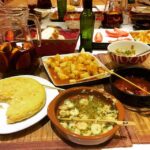
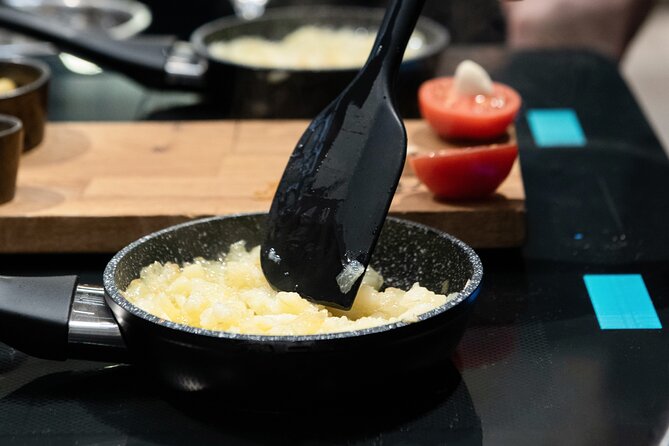
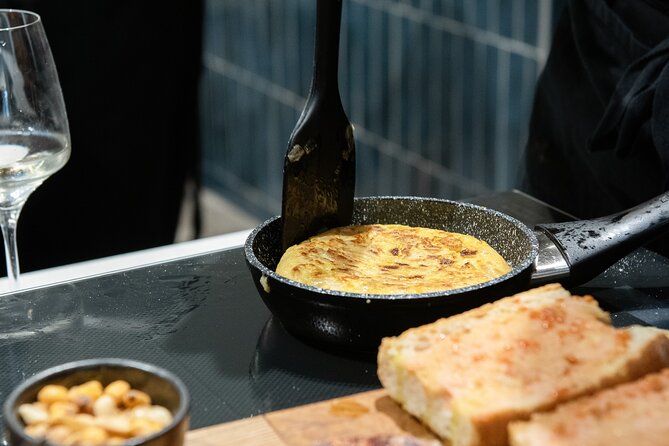
This is the headline dish, and it’s the one you’ll keep talking about after. The class focuses on how to get the texture right and how to move from chopped potatoes to a custardy finish. You’re not just assembling. You’re cooking, tasting, and learning what changes the result: heat control, timing, and how the tortilla sets.
If you’ve ever made tortilla at home and ended up with something too wet or too dry, the value here is learning the process that fixes that.
Salsa brava and potatoes
Next up is the spicy part of Spain. You’ll master salsa brava in a way you can actually recreate later, not just a mysterious sauce that somehow tastes great in a restaurant. You’ll also pair it with potatoes, which makes this section practical: you’ll learn how the flavor builds, and how to use it like a brava-loving Madrid local would.
One added bonus: tortilla and brava sauce go together in real life, so you’ll get the logic of the pairing, not just separate recipes.
A Mallorcan-style tapa: ensaimada with sobrasada and honey
This is where the class adds regional flavor. You’ll make ensaimada and pair it with sobrasada y miel. Ensaïmada is closely linked with Mallorca, and sobrasada is the rich, spiced sausage that Mallorca fans love. Together, it’s a sweet-salty combo that feels very Spanish, not touristy.
It’s also a nice change of pace from the egg-and-potato comfort zone. You’re learning how Spain can flip the flavor script in one bite.
Churros and chocolate (the cozy finish)
The dessert cap is churros and chocolate, plus freshly brewed coffee. This is the part that turns the class into a proper brunch experience. You’ll sit down at the communal table, enjoy what you made, and then close with the sweet finale.
It’s not just “dessert for marketing.” Churros and chocolate also fit the day’s theme: learn a few core recipes, then enjoy them as a meal.
Bottomless Cava or Wine Brunch: How It Changes the Experience
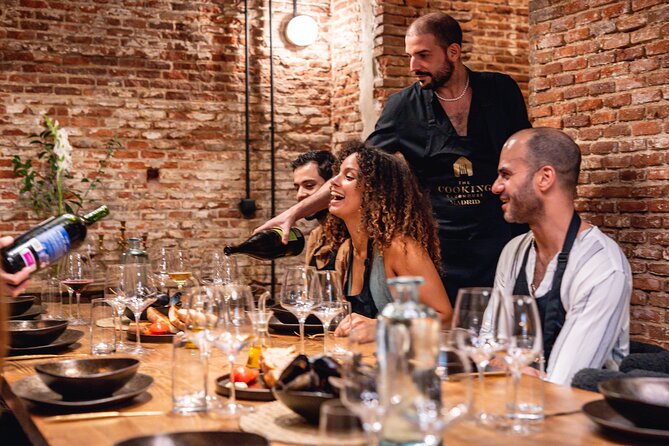
This is not a rigid classroom. Drinks are part of the rhythm—bottomless tea, coffee, wine, or cava while you cook and socialize. That sounds like a perk, but in practice it affects the whole feel of the session.
It encourages lingering during the meal, and it makes it easier to talk to your pair and the people around you without forcing it. Several instructors—like Jaime and Eric—are known for keeping the mood upbeat and glasses from running dry, which is exactly what you want when you’re learning something new.
A quick practical thought: pace yourself. You’re cooking with heat and timing. The drinks are there, but you’ll still want clear focus for tortilla technique and sauce consistency.
How the Class Works in a Small Group (Max 16, Pairs Cooking)
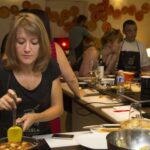
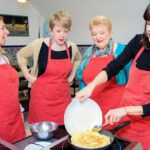
The structure is simple: you join the cooking team at 12:00 pm, you cook in pairs, and you get guided instruction throughout. With a maximum of 16 participants, you’re more likely to get personal feedback—things like how the tortilla should look as it cooks or how sauce thickness should develop.
Working in pairs also matters if you’re solo. You’re not stuck waiting for someone else’s pace. Your partner becomes your “kitchen safety net.” And because it’s communal at the end, the social part is natural rather than forced.
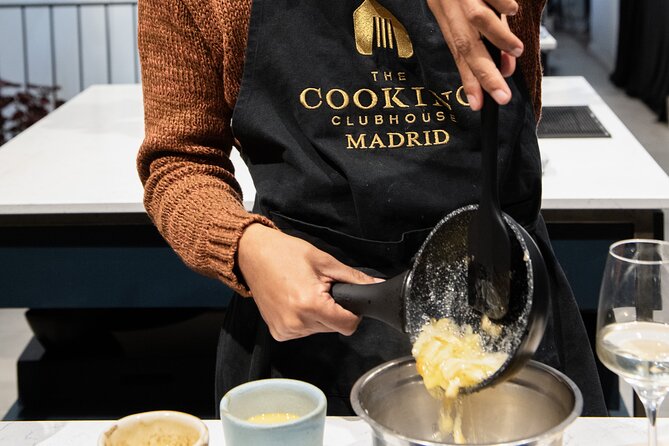
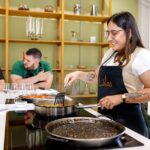
I also like that the setup is designed for real use. People have called out the clean, professional space with induction cooktops and high-quality tools. That means you’re learning technique on equipment that behaves like it should, not battling weird burners or inconsistent heat.
And if your schedule runs into a small-group situation, there’s at least one example of the operators reaching out about continuing or adjusting plans. Still, don’t assume that will happen every time—just know they seem to care about making your time in Madrid count.
What Makes the Instructors Matter (Names You’ll Hear)
The teaching style is one of the reasons the rating stays so high. Different instructors bring different energy, but they share a common thread: you get both cooking instruction and context.
- Jaime is known for breaking down every step and adding Spanish history and trivia, plus a fast start with a drink right away.
- Vasco tends to emphasize ingredients and technique, with a focus on getting the method right.
- Eric shows up with a high-energy, fun vibe and lots of hands-on guidance.
- Pao keeps things playful while teaching useful tricks for the tortilla.
In real terms, this means you’re not just copying a recipe. You’re understanding why a tortilla sets, why brava sauce lands on the palate the way it does, and how regional Spanish food fits together in a meal.
The Food Flow: From Cooking Stations to the Communal Table
Here’s how the experience plays out day-of.
You start cooking with prepped ingredients, which keeps the class from stalling. That’s good. Nobody wants a cooking class where you’re stuck chopping for half the time. Instead, you focus on what changes the dish: cooking technique, sauce building, and assembly.
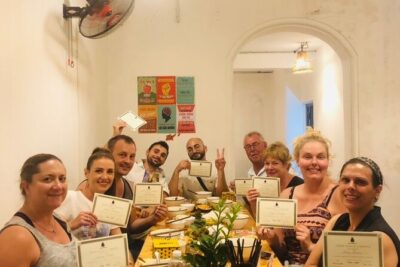
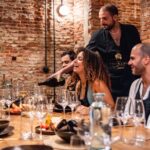
After you finish your items, you move to a downstairs dining space that’s described as cozy and well decorated, with exposed brick walls. You’ll eat your creations together at a shared table, and the drinks keep going during that hangout.
Then comes the final sweetness: churros and chocolate with freshly brewed coffee. This combo makes the class feel like a complete brunch, not a snack session.
One additional practical point: there’s evidence the team can handle a vegetarian in the group in a smooth way. If you have dietary needs beyond that, you’ll want to check when you book, but it’s a reassuring sign that they plan for real people.
Value in Real Numbers: Why $96.12 Can Make Sense
At $96.12 per person, you might wonder if it’s “too pricey for a tortilla.” Here’s why it often feels worth it:
- You’re paying for a guided, hands-on class (not just tasting).
- Your meal is included: the breakfast components you cook and eat plus churros and chocolate.
- You get unlimited tea/coffee and bottomless wine or cava during the workshop.
In other words, this price bundles three things people usually pay for separately in Madrid: a cooking experience, a food stop, and drinks. If you would’ve spent similar money on brunch plus cocktails, this shifts the value toward learning something you keep.
Also, the group limit matters. Smaller classes tend to get you more instruction and better results—especially for tortilla, where a small timing mistake can change the texture.
Practical Tips Before You Go
A couple choices can make this experience smoother.
- Come ready to cook and stay for the meal. The best payoff is eating what you made.
- If you’re a solo traveler, this is a strong format because pairs cooking creates an automatic entry point.
- If tortilla technique matters to you, pay attention to timing and don’t rush the cooking steps just because you feel comfortable.
- If you drink wine or cava, keep sipping slowly while cooking. Heat + focus beats “party energy” here.
And if you’re planning your day: this is about 1 hour 45 minutes, so it’s a great midday anchor. You’ll still have plenty of time to wander Madrid afterward.
Who This Madrid Cooking Class Fits Best
This is ideal for you if you want Spanish food that’s practical and repeatable. It’s also a great match for:
- Couples looking for a fun shared activity
- Small groups who want an interactive “only-in-Madrid” meal
- Solo travelers who don’t want a silent cooking demo
- Anyone who’s tired of only walking past tapas bars and wants to understand what makes the classics work
It may not be the best fit if you want a very long, deep cooking day. You’ll learn four key recipes, but the format is tight. Think “focused workshop with a real brunch meal,” not a full-day culinary marathon.
Should You Book This Bottomless Wine Tortilla Brunch Class?
If you like the idea of cooking Spanish classics in a small group, yes, you should book. The experience is built around technique you can actually repeat—especially tortilla de patatas and salsa brava—and the bottomless cava or wine makes it easy to relax while you learn.
I’d recommend it especially if you’re visiting for the first time or you want one standout food activity that still leaves your afternoon open. The central location at C. de Atocha is also a plus when you’re building a schedule.
One last check before you decide: confirm your expectations about scope. You’ll make a handful of iconic dishes, then eat them and finish with churros. That’s the bargain—and it’s a good one.
FAQ
What time does the Madrid class start?
The start time is listed as 12:00 pm.
How long is the cooking class and brunch?
It runs for about 1 hour 45 minutes (approx.).
What recipes will I learn to make?
You’ll learn to make a traditional Spanish tortilla, salsa brava and potatoes, a Mallorcan tapa with ensaimada and sobrasada y miel, and you’ll finish with churros and chocolate.
Are wine, cava, or drinks included?
Yes. The workshop includes coffee and/or tea and alcoholic beverages, with unlimited tea, coffee, wine, or cava throughout the workshop.
Is the class offered in English?
Yes, it’s offered in English.
How large is the group?
The maximum class size is 16 travelers.
Can I cancel for a refund?
Yes. There is free cancellation. You can cancel up to 24 hours in advance for a full refund.