REVIEW · BUDAPEST
Budapest: Hungarian Cooking Class – Foodapest™ 2025
Book on GetYourGuide →Operated by Foodapest · Bookable on GetYourGuide
Hungarian food starts with a market stop. This Budapest cooking class pairs a guided look at the Central Market Hall with real hands-on cooking, so you go from ingredients to dinner fast.
I love the market-style education: you taste as you learn the why behind Hungarian flavors, not just the what. I also like the communal, family-recipe approach—after you choose one main dish, you cook together and then sit down to eat what you made. One thing to consider: you’re in a shared kitchen format, so it’s not a private one-on-one cooking lesson.
In This Review
- Key Things You’ll Notice
- Central Market Hall: Your Hungarian Flavor Starter
- Snack Stops, Local Drinks, and the Apartment Kitchen Scene
- Choose One Dish: Paprikash, Goulash, Mushroom Paprikas, or Lecso
- How the Communal Cooking Works (and Why It Feels More Real)
- What You’ll Eat and Taste During the 3.5 Hours
- Price and Value: Is $87 Worth It?
- Practical Stuff: Meeting Point, Timing, and What to Bring
- Who This Hungarian Cooking Class Is Best For
- Should You Book Foodapest’s Budapest Hungarian Cooking Class?
- FAQ
- FAQ
- Where do we meet for the Budapest Hungarian Cooking Class?
- How long is the cooking class?
- What dishes can I choose to cook?
- Is there a market tour, or is it only cooking?
- What tastings are included?
- Do I get wine or palinka?
- Is transportation included to and from the market?
- Can I skip the line?
- Is the tour available in English?
- Is it wheelchair accessible?
Key Things You’ll Notice
- Central Market Hall market walk with tasting stops that teach you as you go
- Skip-the-line entry via a separate entrance (less waiting, more eating)
- Choose your main dish in advance: chicken paprikash, beef goulash, vegetarian mushroom paprikas, or lecso
- Over 8 varieties of tasters including cheeses, cold cuts, and vegetables
- Wine and homemade palinka are included with the class
Central Market Hall: Your Hungarian Flavor Starter
The experience begins outside the main entrance of the Central Market Hall, on the side of the Yellow Tram stop. Your guide is easy to spot: they’ll be holding a brown market basket. That detail sounds small, but in a busy place like this it helps you find the right group quickly.
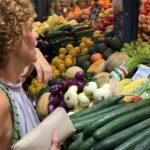
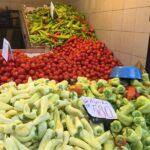
From there, you do a short walk inside the market area with a local guide. The market stop matters because Central Market Hall is Hungary’s big indoor food hub, and seeing it with a guide turns it from a sightseeing activity into a food-and-culture lesson. You’re not just browsing. You’re tasting along the way and chatting about Hungarian history, cuisine, and culture as you move between vendors and product types.
The value here is the pacing. You get enough time to get your bearings and sample variety, but you’re not stuck in a long market tour before you cook. If you like learning by doing—seeing ingredients, smelling spices, and tasting as you go—you’ll appreciate that the class starts where Hungarian cooking actually begins: with real market goods.
A practical tip: bring comfortable shoes. This kind of market time is usually a lot of standing and walking, even if the walk segment itself is described as short.
You can also read our reviews of more tours and experiences in Budapest.

Snack Stops, Local Drinks, and the Apartment Kitchen Scene
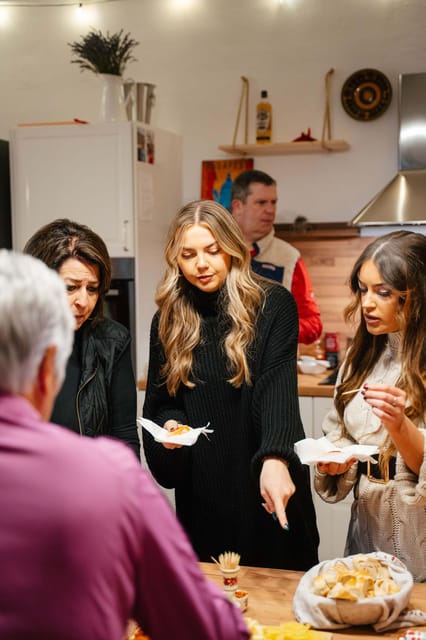
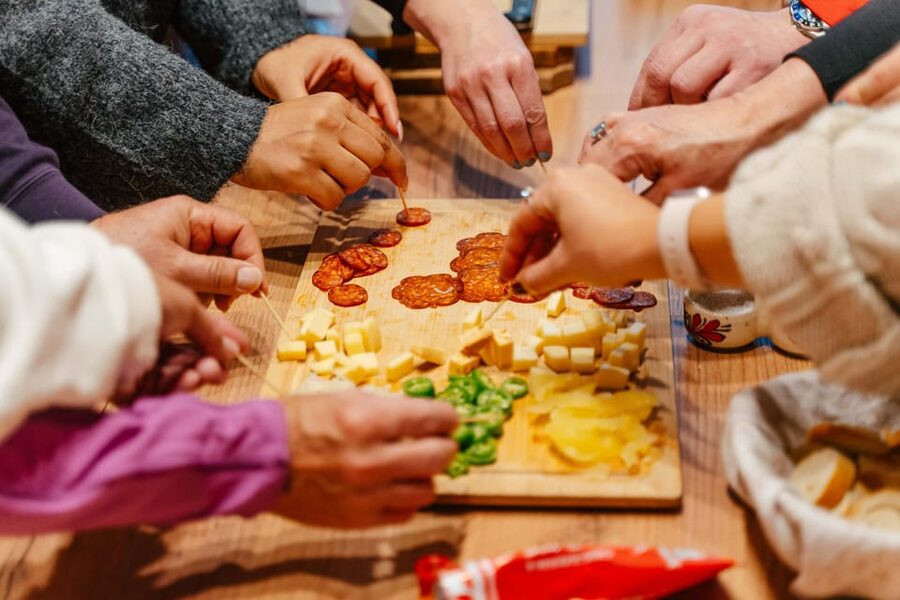
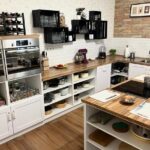
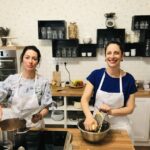
After the market, you head to an authentic Budapest apartment. That shift is part of what makes this class feel like more than a factory-style cooking demo. In the apartment, you’re met with a spread of Hungarian-style snacks, including sausages, salamis, dips, and cheeses.
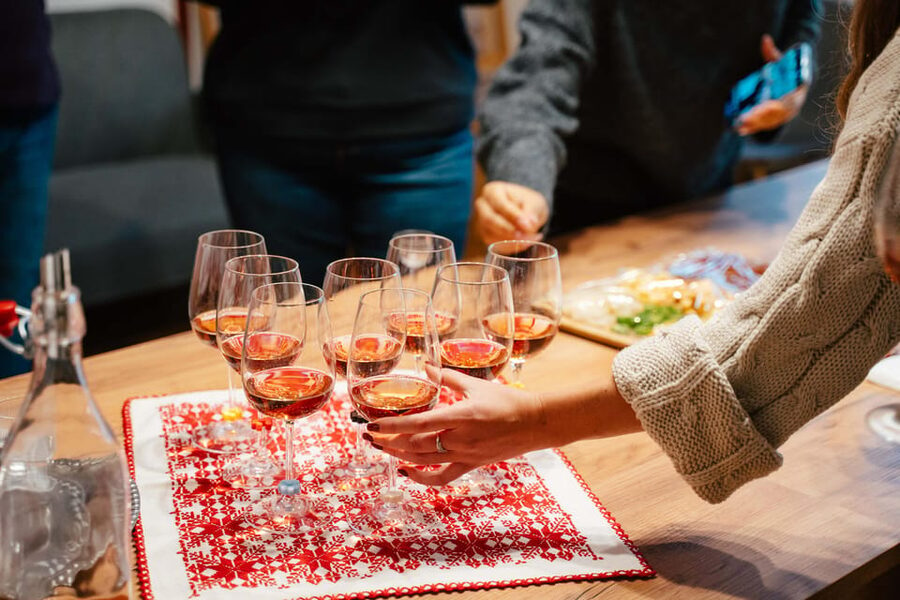
Then the class moves into the cooking phase, with a glass of wine or palinka included as you cook. The palinka taster is a standout inclusion because it’s a signature Hungarian fruit spirit, and it helps anchor the flavors of what you’ll be preparing. Just don’t assume it’s optional—here it’s part of the included experience.
This apartment setting also changes the vibe. The market is lively and crowded; the apartment is where you slow down, taste more deliberately, and coordinate as a group. You’ll likely get more practical attention here than you would in a classroom setting.
One more small but useful detail: the class format includes a homemade palinka taster, but it also includes local wines. If you’re trying Hungarian alcohol pairings, you get both rather than being forced into one.
Choose One Dish: Paprikash, Goulash, Mushroom Paprikas, or Lecso
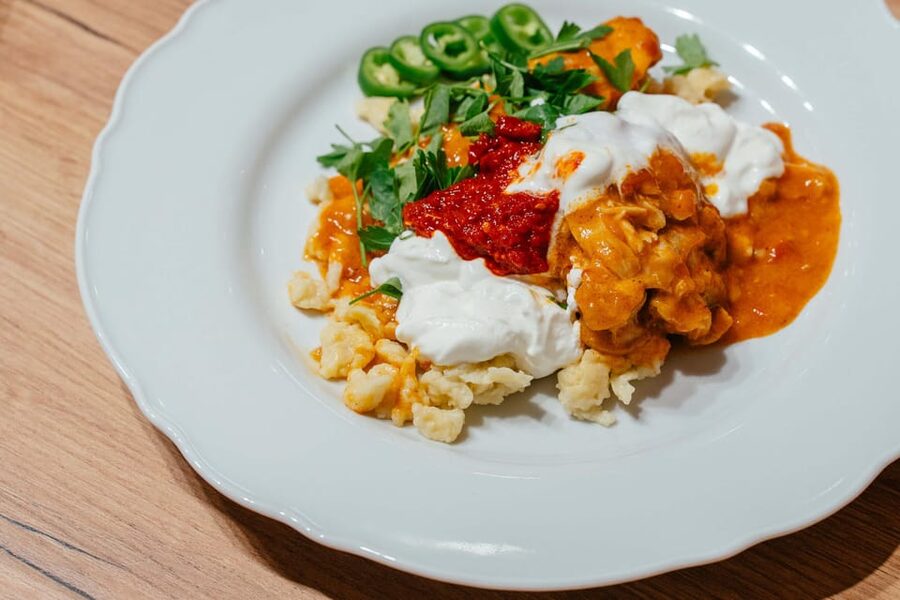
One of the best parts of the setup is that after booking, you get a chance to choose your main dish to prepare. That means you can plan around what you actually want to eat, not just what the instructor decides for the group.
You pick from four traditional options:
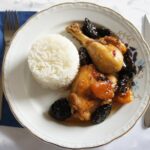
- Chicken Paprikash
- Beef Goulash Stew
- Vegetarian Mushroom Paprikas
- Lecso (a Hungarian dish option offered in the class menu)
This choice is valuable for two reasons. First, it helps you feel invested while you cook—your dinner is your decision. Second, it shapes what ingredients you’ll see and how the meal comes together, since each dish has a different flavor direction and cooking approach.
Also note the vegetarian options. The class includes a vegetarian main dish choice (Vegetarian Mushroom Paprikas) and lecso is another option you can select, which gives you flexibility if you’re trying to steer away from meat-heavy meals.
If you’re picky about spice levels or dietary constraints, the data you were given doesn’t specify customization beyond dish selection. So think of this as a fixed menu style: you’re choosing between traditional dishes, not customizing the recipe on the spot.
How the Communal Cooking Works (and Why It Feels More Real)
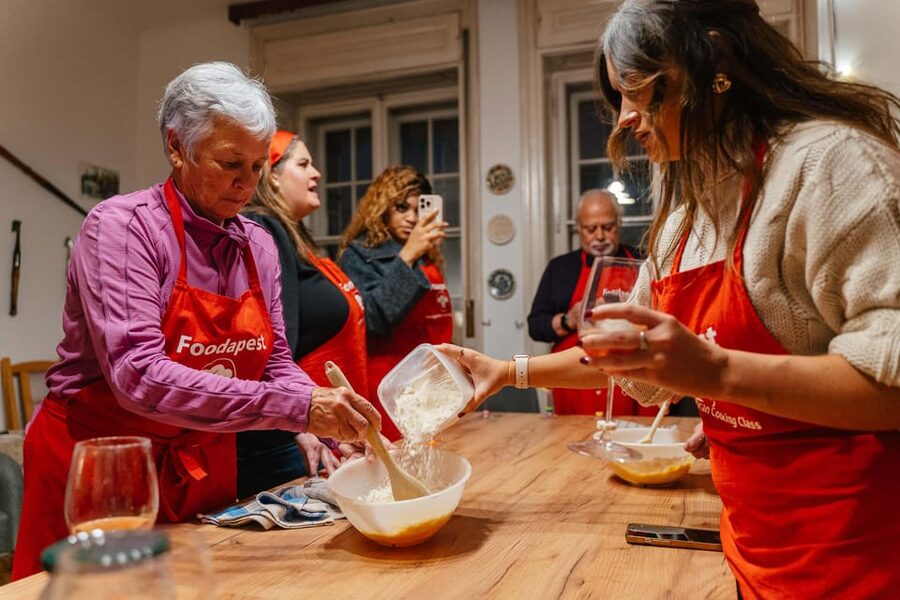
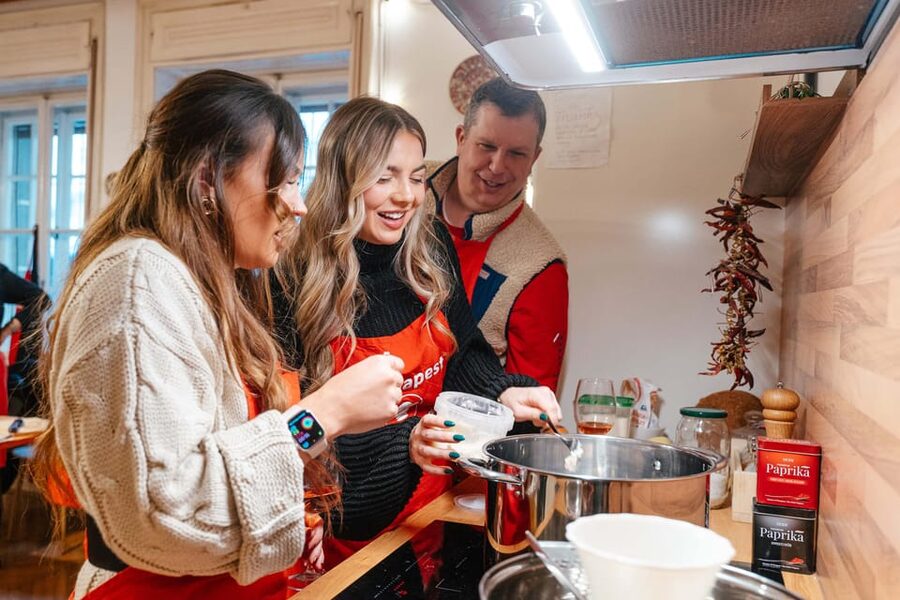
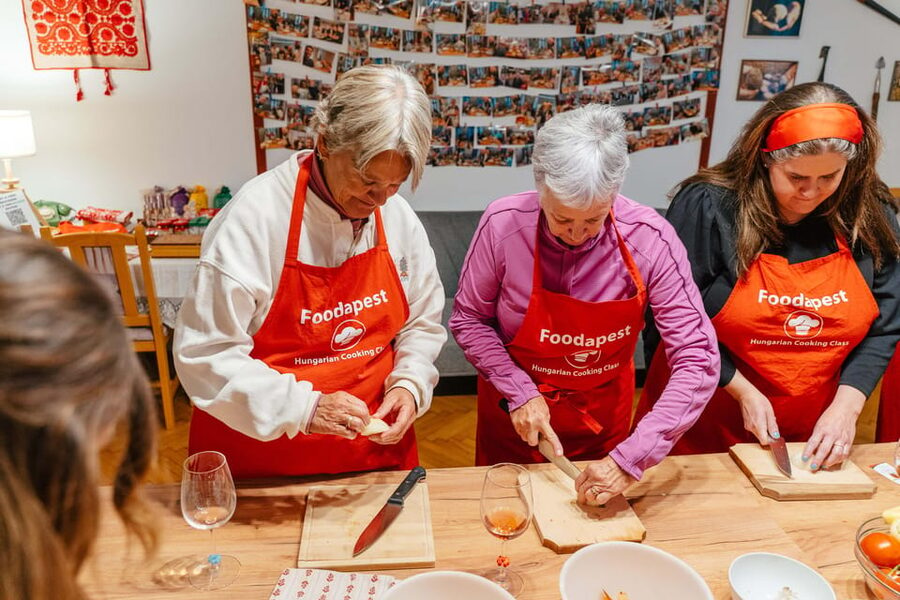
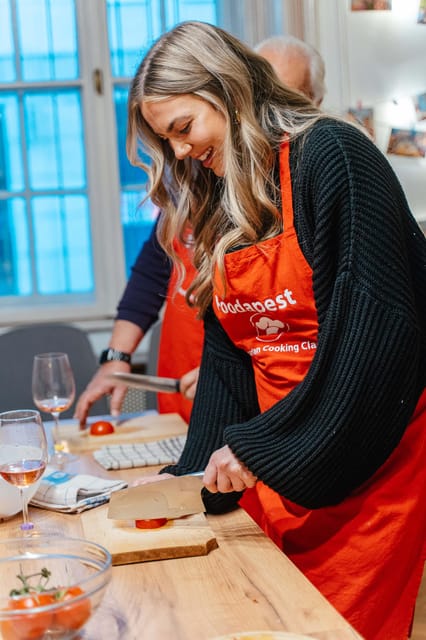
Once you’re ready, you roll up your sleeves and cook together in a family-style, communal setup. Family style is the key phrase: it’s not just one person making sauce while everyone watches. You’ll prepare the selected dish as a group, in the spirit of shared meals.
The class uses family recipes, which matters because it usually means you’re getting a method rooted in how Hungarian home cooks approach food. The focus is on tradition and meaning—your guide explains the history and culture behind the dishes you’re making, including why certain ingredients show up again and again.
Here’s the practical upside: you don’t need to be a confident cook to do this. You’re learning steps as you go with a guided process, and the communal format reduces the pressure of doing everything solo.
The tradeoff is also clear: shared cooking means you’ll spend some time coordinating and taking turns. If you love fast, highly structured kitchen systems where one person controls every step, you might prefer a private workshop. But if you enjoy the social rhythm of cooking with others, it’s a good fit.
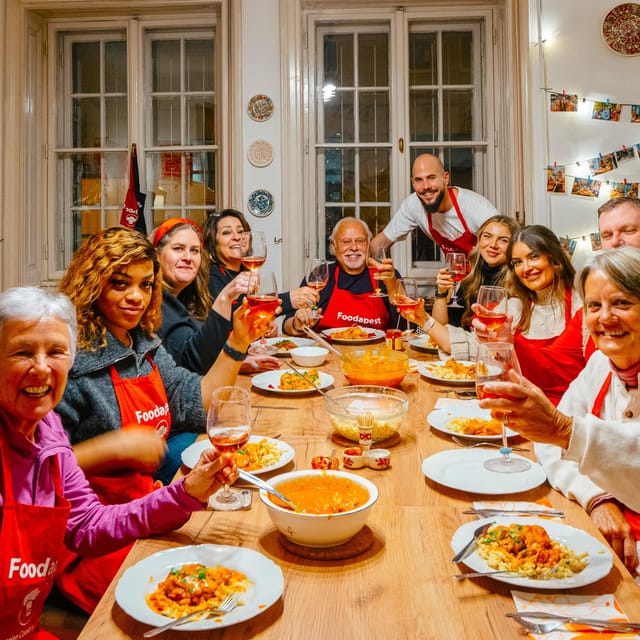
When the cooking is finished, you sit down to enjoy the meal you prepared together. That matters more than it sounds. In many cooking classes, you cook and then your reward is a quick plate. Here, the meal is part of the experience, built around what the group made.
What You’ll Eat and Taste During the 3.5 Hours
This class is designed as a sequence of edible learning. It starts with tastings around the market, continues with a snack spread in the apartment, then ends with the meal you cook.
You’re included for:
- Guided market tour
- Family-style authentic cooking class
- Over 8 varieties of tasters (cheeses, cold cuts, vegetables, and other goods)
- Local wines
- Home made palinka taster
- Surprise souvenir
So you’re not paying just for dinner. You’re paying for multiple food moments spread across the 3.5 hours. That’s why the included tastings are worth taking seriously. Over 8 varieties means you get variety in one sitting: different dairy items, cured meats, vegetables, and other market goods.
Then comes the main course, tied to your chosen dish. After that, you eat as a group, which helps you slow down and actually enjoy the meal rather than rushing through it.
If you’re the type of eater who likes sampling, you’ll probably leave satisfied even if you don’t eat every tasting item. If you only want one cooked meal and don’t care about side tastings, the included variety might feel like extra. But the overall structure is designed for people who like food discovery, not just cooking technique.

Price and Value: Is $87 Worth It?
At $87 per person for a 3.5-hour class, you’re buying three things at once: a market walk, a hands-on cooking session, and multiple included food and drink components.
Here’s the value logic I’d use:
- Market tour + tastings: You get guided access plus over 8 tasting varieties.
- Cooking instruction: You actively prepare a traditional Hungarian dish using family recipes.
- Food and drink included: You get a snack spread, local wines, and a homemade palinka taster.
If you tried to recreate this on your own, you’d spend time figuring out what to buy at the market, arranging a cooking setup, and sourcing enough ingredients to make a full Hungarian meal. And you’d still miss the guide-led context about Hungarian cuisine and culture.
The one cost you should plan for is transportation. Transportation to/from the market is not included, and additional food and drinks aren’t included either. That’s normal for a food experience, but it’s the main way your total spend can creep upward if you add more drinks on top.
Given the included tastings, wine/palinka, and meal, $87 feels like a fair package deal—especially if you value guided market time and want your dinner to be something you made, not just ordered.
Practical Stuff: Meeting Point, Timing, and What to Bring
The class runs for 3.5 hours. Starting times depend on availability, so check the schedule when you book.
Meeting point:
- Outside the main entrance of the Central Market Hall
- On the side of the Yellow Tram stop
- Your guide holds a brown market basket
End point:
- Back at the meeting point
You’ll want comfortable shoes. That’s the only specific item listed for what to bring, but it’s a good one. Market time usually means standing and uneven walking, even if the itinerary isn’t described as a long hike.
Language is English. If you’re comfortable in English, you should be fine.
Wheelchair accessible is stated as well. If mobility is a factor, it’s worth confirming specifics with the provider before you go, but at least it’s a starting point.
Also, alcohol is included (wine or palinka). If you prefer no alcohol, the provided details don’t say the class offers a non-alcohol alternative. So plan accordingly.
Who This Hungarian Cooking Class Is Best For
This class is a great match if you want Hungarian food in a structured but friendly format. You like tasting as you learn. You’re comfortable cooking in a group. And you want a guided path through Central Market Hall without getting stuck deciding what’s worth buying.
It’s especially suited for:
- First-timers to Budapest who want a food-focused experience that isn’t just a restaurant meal
- People who enjoy markets and want a guide-led explanation of what you’re tasting
- Couples or small groups who want a shared cooking dinner rather than separate activities
- Vegetarian-friendly diners if you choose the Vegetarian Mushroom Paprikas or lecso option
If you hate standing, dislike shared cooking, or only want a quiet, private lesson, this might feel less ideal. The itinerary is built around group learning and the market-to-apartment flow.
Should You Book Foodapest’s Budapest Hungarian Cooking Class?
If your goal is an authentic-feeling Budapest food experience that goes beyond ordering a plate, I think this is worth booking. The strongest reasons are simple: you get the Central Market Hall context, you cook a traditional main dish with a communal family-style setup, and the included tastings plus local wines and palinka make the whole thing feel like a complete evening.
Book it if:
- You want a guided market experience and a hands-on meal
- You like trying more than one type of food during the same outing
- You’ll actually choose and enjoy one of the included main dishes
Skip it if:
- You want a fully private cooking session
- You strongly dislike alcohol being part of the included experience
- You’re looking for a short, low-effort food stop rather than a guided class format
FAQ
FAQ
Where do we meet for the Budapest Hungarian Cooking Class?
You meet outside the main entrance of the Central Market Hall, on the side of the Yellow Tram’s stop. The guide will be holding a brown market basket.
How long is the cooking class?
The duration is 3.5 hours. Starting times vary, so check availability.
What dishes can I choose to cook?
You can choose one main dish from the options listed: Chicken Paprikash, Beef Goulash Stew, Vegetarian Mushroom Paprikas, or Lecso.
Is there a market tour, or is it only cooking?
There is a guided market tour of Central Market Hall, including tastings as you walk around the market, before you cook.
What tastings are included?
You’ll have over 8 varieties of tasters, including cheeses, cold cuts, vegetables, and other goods.
Do I get wine or palinka?
Yes. The class includes local wines and a home made palinka taster.
Is transportation included to and from the market?
No. Transportation to/from the market is not included.
Can I skip the line?
Yes. You’ll have skip-the-line entry through a separate entrance.
Is the tour available in English?
Yes, the live tour guide is English.
Is it wheelchair accessible?
Wheelchair accessibility is listed as available for this activity.