Food lessons feel fun until you want the real thing. This one takes you past Ravenna’s mosaics and into Emilian Romagna cooking in a local home. You’ll learn two signature dishes, with the first big win being piadina prepared the traditional way on a terracotta pan.
The second thing I like: the class is structured around practical skills, not just watching. You’ll work through the steps for piadina and then move to fresh pasta, including passatelli, and you’ll finish with a meal that matches the recipes you practiced. The main drawback to consider is logistics: some people found the home address hard to pin down because the exact location may only be confirmed shortly before.
In This Review
- Key things that make this class worth your time
- Emilian comfort food, taught in a real home kitchen in Ravenna
- Start with the piadina lesson: Romagna’s edible “hello”
- Piadina menu options you may make and eat
- Pasta fresca phase: making passatelli, the cheese-strand style
- The meal at the end: wine, infusions, and dessert you can plan around
- What you should expect to eat (based on the described menu)
- Price: what $129 buys you (and why it can still be a value)
- Getting to the home kitchen: Ravenna address tip that can save time
- Who this class fits best (and who might want a different option)
- The vibe: chef-led, local perspective, and a friendly finish
- Should you book this piadina and passatelli cooking class?
- FAQ
- How long is the cooking class?
- Where does the experience meet and end?
- What language is the class offered in?
- What is included in the price?
- Is hotel pickup or drop-off included?
- What dishes will I learn during the class?
- How many people are in the group?
- Do I need to tell them about dietary restrictions?
- Is there free cancellation?
Key things that make this class worth your time
- Piadina Romagna made with a terracotta pan using the IGP-style approach described for the course
- Hands-on focus across two phases: piadina first, then pasta fresca (passatelli)
- Chef Alberto leads the experience, and the host-style hospitality is a big part of the appeal
- Group capped at 8 travelers, so it feels more like a small lesson than a production line
- A real hosted meal at the end with wine and infusions included
Emilian comfort food, taught in a real home kitchen in Ravenna
Ravenna is famous for mosaics, sure. But food here tells another story, one tied to Romagna flavors and the broader Emilian traditions that sit just a bit differently from the rest of Italy.
This cooking class is centered on that idea: you’re not learning Italian cooking from a book. You’re learning it in the setting where locals cook and eat, and that changes how the recipes feel. Even if you’ve cooked pasta before, you’ll likely notice how specific the techniques are when the goal is piadina Romagna and fresh shapes like passatelli.
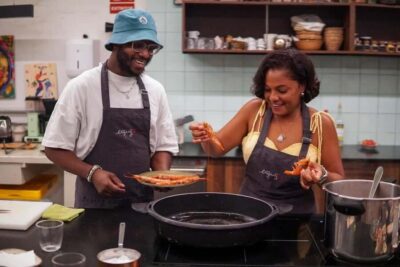
The class is also intentionally small, with a maximum of 8 people. That matters because you can actually ask questions, see what good dough looks like, and get feedback while you’re working.
Start with the piadina lesson: Romagna’s edible “hello”
If you want one dish that explains Romagna cuisine quickly, it’s piadina. During this class, you’ll learn how to make the real version, following the approach described as the IGP recipe, cooked on the traditional terracotta pan.
That terracotta detail matters more than it sounds. A terracotta pan helps with heat distribution and gives you the chance to learn what the dough should look like while it cooks. You’re not just mixing ingredients and hoping; you’re practicing timing and temperature cues you can remember later.
You’ll also cover the practical serving side, including what to pair with. The class describes serving piadina with typical cold cuts and cheeses, with squacquerone called out as a featured option. If you’ve only had piadina as a quick street snack, this is a chance to understand the pairing logic locals use.
Piadina menu options you may make and eat
The course includes options like authentic handmade piadina or a stuffed version called crescione. Depending on what’s planned for your group, the meal timing may include both “make” and “eat” elements, so you’ll want to arrive ready to cook and eat in the same session.
Pasta fresca phase: making passatelli, the cheese-strand style
After piadina, the lesson shifts to fresh pasta. This is where the class becomes more than bread-and-cheese comfort food and turns into true hands-on pasta craft.
You’ll learn how to make pass at ell i, described as cheese strands of pasta. That phrasing is useful because it tells you what to expect: you’re not just rolling dough into noodles. You’re shaping pasta in a way that relies on texture and consistency, plus the right handling as the dough behaves.
Fresh pasta can be intimidating if you’ve only done it once. The good news here is that this class is built around an approachable progression: piadina first to get you comfortable with local technique, then pasta fresca to show you another side of the same culinary logic—simple ingredients treated with care.
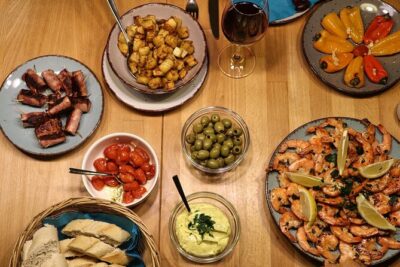
You may also see pasta choices on the sample menu, like hand-rolled tagliatelle or linguine, stuffed pasta, and seasonal bruschettas. The key takeaway is that the class meal is tied to what you learn, so you’re not just practicing one dish and then eating something unrelated.
The meal at the end: wine, infusions, and dessert you can plan around
This class ends with a special dinner waiting for you, in a convivial atmosphere. You’ll taste the fruits of your labor, and the “eat together” part is part of why small group cooking classes work so well. It’s also the part where the day clicks: you finally understand why certain ingredients matter.
What’s included is clearly spelled out: you get lunch or dinner (depending on how your session runs), a bottle of wine, and infusions. That means your total spend covers the ingredients and the hosted meal, not just the time at the table.
Dessert shows up too. The sample menu includes zuppa inglese, which is a classic and gives you a satisfying end without feeling like a sugar bomb. If you’re someone who likes to taste one proper local dessert rather than five random bites, this is a good fit.
What you should expect to eat (based on the described menu)
- Seasonal bruschettas
- Hand-rolled tagliatelle or linguine, and/or stuffed pasta options
- Piadina (or stuffed crescione)
- Zuppa inglese dessert, plus another dessert option tied to the piadina phase
Price: what $129 buys you (and why it can still be a value)
At $129 per person for about 3 hours, this isn’t the cheapest thing in Ravenna. But it also isn’t a ticket for a quick stop.
You’re paying for:
- A hands-on kitchen experience
- An included hosted meal (lunch or dinner)
- A bottle of wine plus infusions
- Instruction that focuses on two real skills: piadina Romagna and fresh pasta (passatelli)
When you compare this to paying for a cooking workshop plus a separate restaurant meal, it can start to look like better math. The small group size (maximum 8) is also a real value lever. Larger classes can feel like you’re watching more than doing.
If you love food and want something more local than sightseeing, this price makes sense. If you’re only interested in one dish and don’t care about cooking, you might not get enough out of the full session.
Getting to the home kitchen: Ravenna address tip that can save time
One of the most practical bits from guest feedback: finding the home can be tricky. The start location is listed as Via dell’ Almagià, 48122 Ravenna RA, Italy, and the activity ends back at the meeting point.
Still, some people reported that the exact home address was not confirmed until about two days before. My advice: don’t treat this as a “walk in whenever” situation. Message ahead and double-check the exact drop-off point so you don’t lose time hunting around the neighborhood with hungry expectations.
Also note that it’s near public transportation, which helps. But cooking classes move fast, and it’s best to arrive early so you’re ready for the first step of dough and timing.
Who this class fits best (and who might want a different option)
This is a great match if you:
- Want Ravenna beyond mosaics and into Emilian home cooking
- Learn best by doing, not just watching
- Like the idea of making piadina and pasta you can replicate later
It’s also ideal if you travel in a small group dynamic. A maximum of 8 travelers means you’ll get more individual attention than you would in big tours. Plus, the inclusion of wine and infusions makes it feel like an evening you’ll actually remember for the food, not just photos.
If you strongly prefer to only watch or only taste, the class may feel more hands-on than you want. One guest even wished for more hands-on preparation time, so if that matters to you, you’ll want to go in expecting to work, knead, shape, and cook.
The vibe: chef-led, local perspective, and a friendly finish
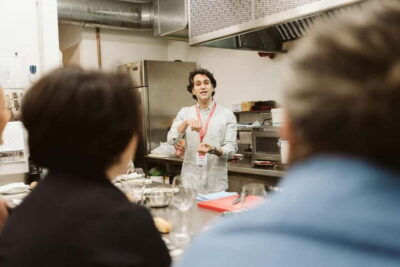
Chef Alberto is specifically mentioned as a delight, and that kind of detail usually points to one thing: the instruction is paired with real hospitality. People talk about the experience as a local perspective, not a polished show.
That matters because the point of a cooking class isn’t only the dishes. It’s also learning what locals consider normal: how they serve piadina, how they pair squacquerone with the right flavors, and how they treat pasta as something you make and share rather than order quickly.
The class also includes infusions, so even outside the wine, there’s a hosted rhythm to the session.
Should you book this piadina and passatelli cooking class?
Book it if you want a hands-on Ravenna food experience that teaches two recognizable, repeatable skills: piadina Romagna on a terracotta pan and fresh pasta (passatelli). The included meal, bottle of wine, and small group size make the price feel more reasonable than a standalone restaurant dinner plus a separate class.
Skip or reconsider if you hate last-minute address uncertainty or you’re hoping for a lighter “watch and taste” format. The practical challenge of locating the home kitchen can be a real time-waster if you show up without the exact confirmation.
If you’re the type who wants to understand why Italian food tastes the way it does, this one is a strong bet.
FAQ
How long is the cooking class?
It runs for approximately 3 hours.
Where does the experience meet and end?
The meeting point is Via dell’ Almagià, 48122 Ravenna RA, Italy, and the activity ends back at the same meeting point.
What language is the class offered in?
It’s offered in English.
What is included in the price?
You get a hands-on cooking class, lunch or dinner, a bottle of wine, and infusions.
Is hotel pickup or drop-off included?
No, hotel pickup and hotel drop-off are not included.
What dishes will I learn during the class?
You’ll learn to prepare piadina Romagna using the described IGP approach cooked on a traditional terracotta pan, and you’ll also learn fresh pasta, including passatelli. The sample menu also includes items like seasonal bruschettas, tagliatelle or linguine, stuffed pasta, and zuppa inglese.
How many people are in the group?
The class has a maximum of 8 travelers, and a minimum of 2 people is required per booking.
Do I need to tell them about dietary restrictions?
Yes. You should advise any specific dietary requirements at the time of booking.
Is there free cancellation?
Yes. You can cancel for a full refund up to 24 hours in advance of the experience’s start time.