REVIEW · PUEBLA
Culinary experience Puebla (cooking class)
Book on GetYourGuide →Operated by Casa Mexicana · Bookable on GetYourGuide
Puebla smells like warm spice. This small-group class with Casa Mexicana takes you from a local market to a home kitchen, where the day is built around real Puebla flavors and practical cooking steps. You’ll get close to the ingredients that make the dishes make sense.
I especially like the way the menu centers on Puebla staples like mole poblano (plus options such as chalupas and pipianes), so you’re not just watching—you’re learning how the flavors are built. One note: there was at least one reported no-show that cost a morning, so I’d confirm details the day before.
In This Review
- Key Points I’d Circle Before You Go
- A Puebla Cooking Class That Starts With the Ingredients
- Meeting Up at 19 Poniente: Easy Walk, Smart Taxi
- Market Time in Puebla: Chilies, Vegetables, and What They Actually Do
- The Cooking Part: A Guided Menu Built From Puebla Favorites
- Mole Poblano and the Fear Factor
- Chalupas, Pipianes, Tinga, and Stuffed Chiles
- How It Feels When a Small Group Cooks Together
- What You Eat at the End (And What “Tasting Time” Means)
- Seasonal Drinks: Why the Pairing Matters
- Price and Value: Is $95 Worth It in Puebla?
- Who This Cooking Class Suits Best
- A Note on Reliability: What to Do Before You Commit
- Should You Book Casa Mexicana’s Puebla Cooking Workshop?
- FAQ
- What does the cooking class include?
- How long is the experience?
- Is the class a small group?
- What languages are offered?
- How much does it cost?
- Where do we meet?
- How do I get there if I’m not staying near the Historic Center?
- What is not included?
- Are recording devices allowed?
- What is the cancellation policy?
Key Points I’d Circle Before You Go
- Market visit first: you shop with purpose, not as a detour
- Small group (up to 4): more hands-on coaching, less standing around
- Full menu format: starter, main (mole, chalupas, pipianes, tinga, or stuffed chiles), plus a seasonal drink
- Home setting meal: you cook and then eat in a warm dining space
- Hands-on, ingredient-led teaching: aromas, textures, and step-by-step technique matter
- No recording and no tripods: plan to use your senses and take notes instead of filming
A Puebla Cooking Class That Starts With the Ingredients
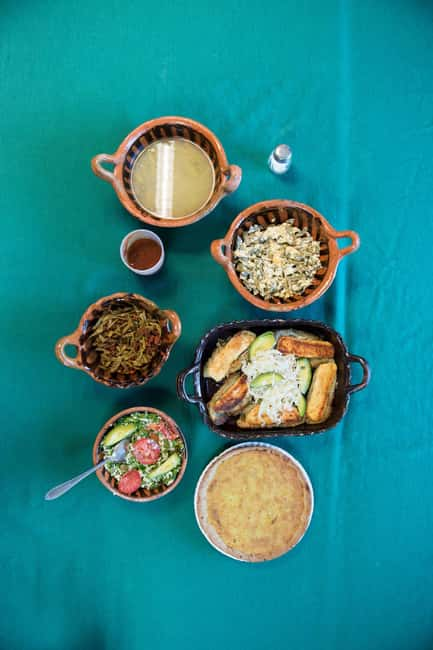
This experience is built on a simple idea: if you understand the ingredients, you can understand the cooking. You begin by getting welcomed into the hosts’ home kitchen—cozy, not formal—so the day feels like being taught how locals actually cook and talk about food. It’s the kind of setup that makes a menu feel personal instead of generic.
The class also keeps the group small (limited to 4 participants). That matters because Puebla dishes often rely on timing, heat control, and texture cues. When there are only a few people, you’re more likely to get help with the exact moment something thickens, simmers, or needs balancing.
One more thing I appreciate: you’re not stuck doing a single recipe. The structure points you toward a full Puebla meal—starter, main, and a seasonal drink—so the food feels like a visit to the city, not a cooking demo.
Meeting Up at 19 Poniente: Easy Walk, Smart Taxi
The meeting point is 19 Poniente No. 114, Colonia El Carmen, Puebla (CP 72000), run by Casa Mexicana.
If you’re walking from the Zócalo or a nearby hotel, the guidance is clear: walk along 16 de Septiembre until you reach 19 Poniente, turn right, then walk about half a block to number 114, and ring the bell. From the Zócalo, it’s about a 15-minute walk.
If you’re coming from farther outside the Historic Center, the practical move is to use safe transport arranged via your hotel or rides like Uber and Didi (both available in Puebla). Since shoes matter for a market stop and kitchen time, I’d wear comfortable footwear and give yourself a little buffer.
Market Time in Puebla: Chilies, Vegetables, and What They Actually Do
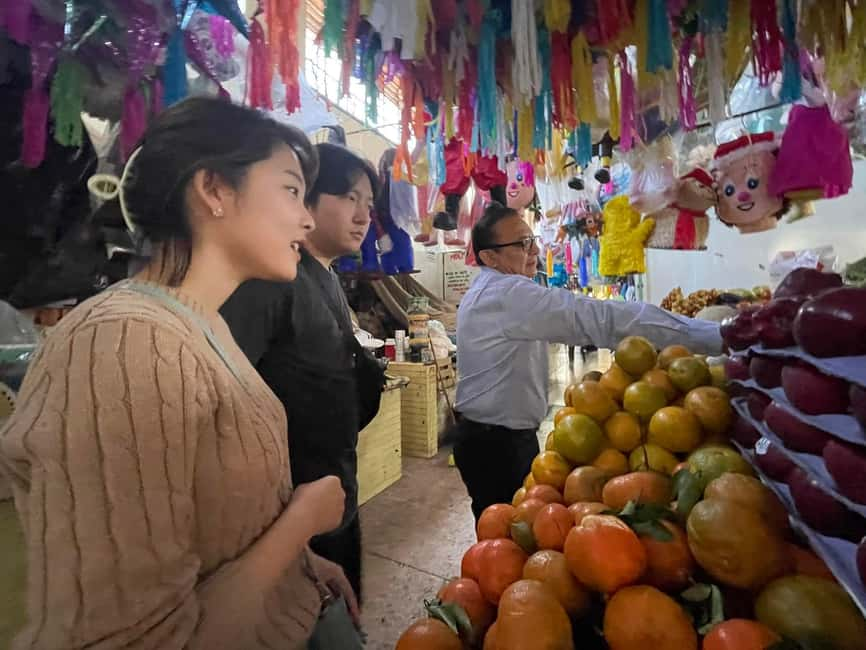
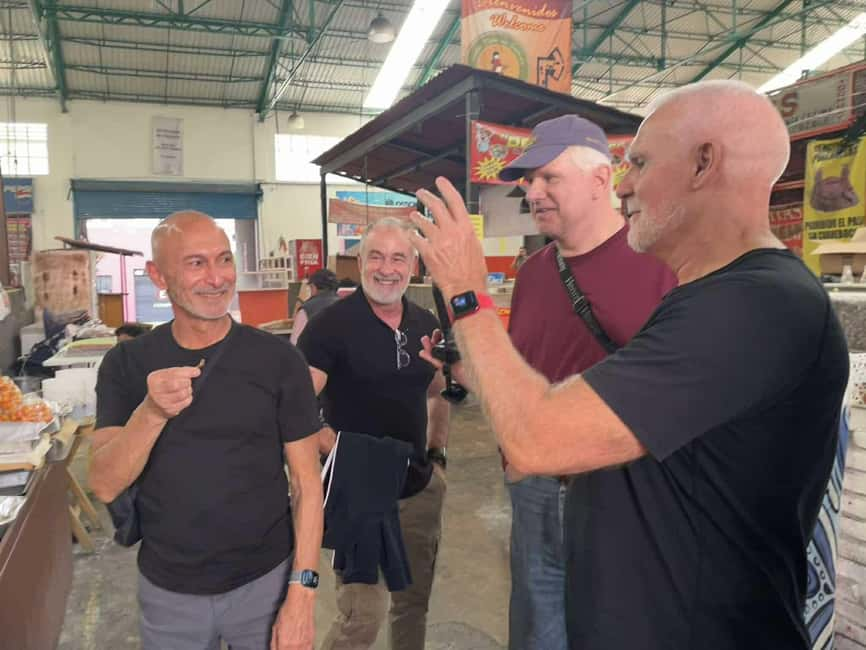
The market visit is the heart of why this class works. You go a few minutes away to uncover what makes Puebla cooking distinct: the ingredients and the stories behind how people use them.
In the market, you’re not just looking at colorful displays. You’ll be guided to understand ingredient characteristics and practical uses, and you’ll hear folklore and historical context tied to what’s in the baskets. That kind of background isn’t fluff. It helps you translate what you taste into what you do in the kitchen later.
Expect to see unique vegetables and chilies. This is where you can pick up quick “why it matters” knowledge—like what to look for when choosing ingredients for flavor depth, and how those choices affect the final dish. And if you’ve worried about Mexican cooking being intimidating, this portion helps calm that down: you see the building blocks first.
The Cooking Part: A Guided Menu Built From Puebla Favorites
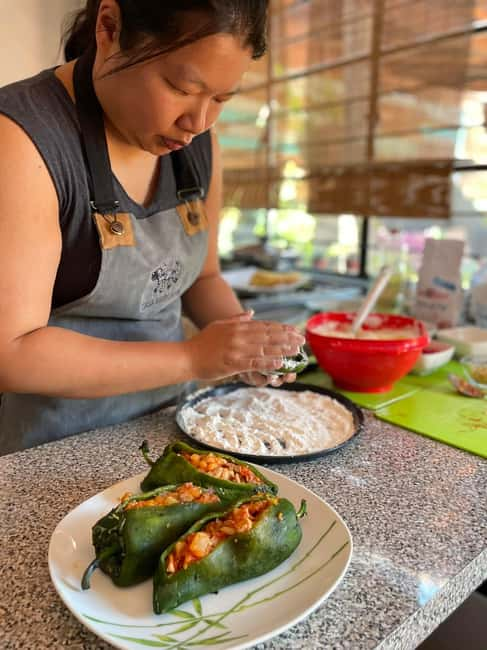
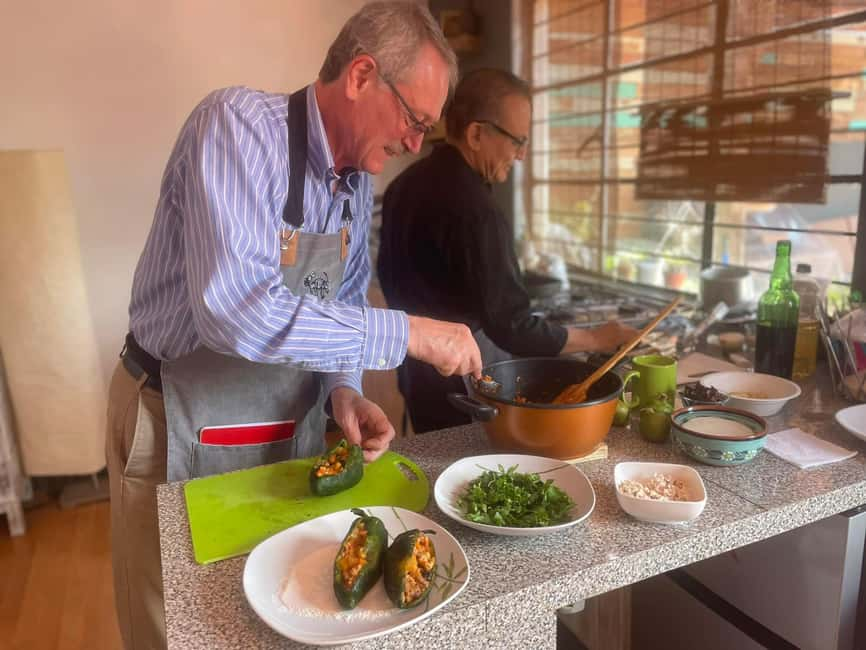
Back at the kitchen, you’ll start cooking together, with detailed explanations and practical tips through each step. The menu includes:
- A starter
- A main dish (options can include mole poblano, chalupas, green or red pipianes, tinga poblana, stuffed chiles, or another Puebla regional specialty)
- One seasonal beverage
The chef’s instruction is built around a full-menu approach, not a single recipe you might forget after. That’s a big value point for the price, because you end up with multiple dishes worth of technique and flavor logic.
Mole Poblano and the Fear Factor
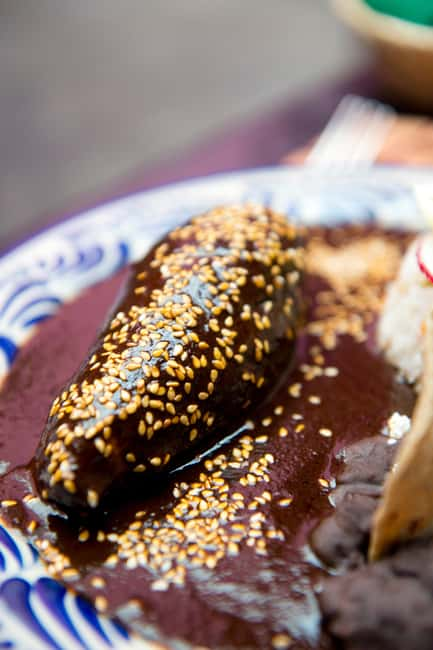
One of the most encouraging aspects is that mole poblano is taught as something you can actually make. You’ll learn it through the same kind of step-by-step process that helps you go from ingredients to finished sauce without feeling lost. The trick with mole is that it often feels complex before you see the workflow. Once you follow it in a real kitchen, it starts to make sense.
Chalupas, Pipianes, Tinga, and Stuffed Chiles
If you don’t get mole, you’ll still get a main that’s strongly Puebla. The class structure is flexible: depending on what’s being prepared, your main dish could be:
- Chalupas: a hearty platform for toppings and sauces
- Pipianes: green or red versions with a distinct, grounding flavor
- Tinga poblana: a savory, seasoned option that teaches how spices and texture come together
- Stuffed chiles: a hands-on dish that rewards careful stuffing and heat control
No matter which main you get, the teaching style stays the same: clear steps, explanations, and practical cues. That’s what makes the experience feel more like a lesson than a performance.
How It Feels When a Small Group Cooks Together
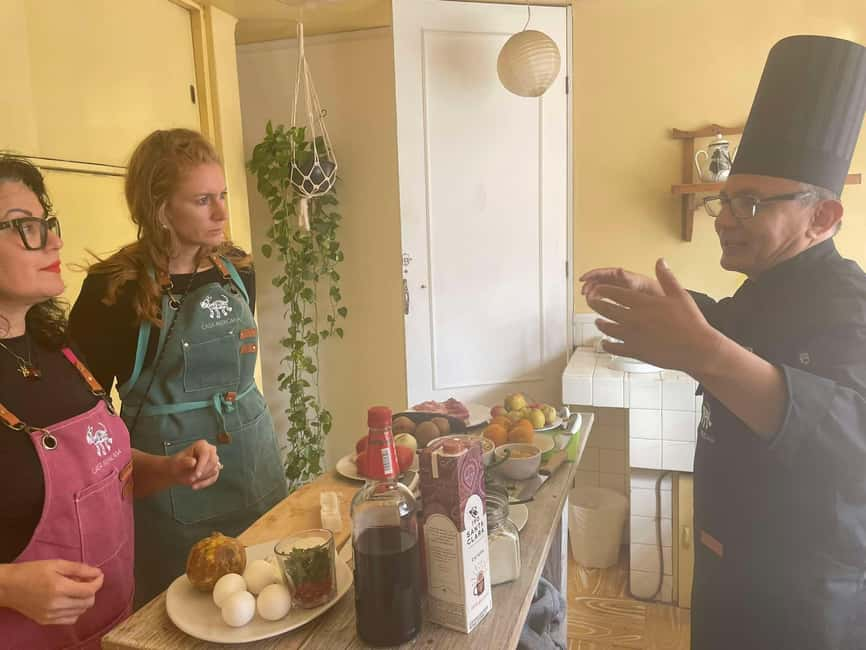
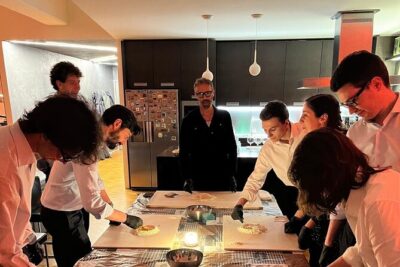
A big part of the satisfaction here comes from pace. With a maximum group size of 4 participants, you’re not watching from across the room. You can follow along, get help in real time, and ask questions without feeling rushed.
This is also why good shoes matter. You’ll be standing, moving between prep areas, and spending time at the stove and work surfaces. Comfortable clothes help too, because you want to move easily and handle the heat and kitchen movement without fuss.
Another practical detail: you’re not provided an apron. That’s not a dealbreaker, but it’s smart to bring your own if you’re sensitive about spills or staining. Also, filming is off the table—video recording and audio recording aren’t allowed, and tripods aren’t allowed either. Instead, plan to rely on your memory and notes.
What You Eat at the End (And What “Tasting Time” Means)
Once the workshop is complete, you get to eat what you helped make. You’ll enjoy your dishes in a warm and welcoming dining room, and you’ll have tasting time built in so you can actually savor the results rather than rushing through a meal at the end.
The experience is designed so the meal is part of the lesson. You learn while cooking, then you taste to connect flavor and technique. That also makes it easier to repeat the dishes later, because you remember what the dish should feel like when it’s right.
You may also take your food with you to enjoy later. If you’re planning on continuing exploring Puebla afterward, this is a handy way to keep the momentum going without hunting for a quick bite.
Seasonal Drinks: Why the Pairing Matters
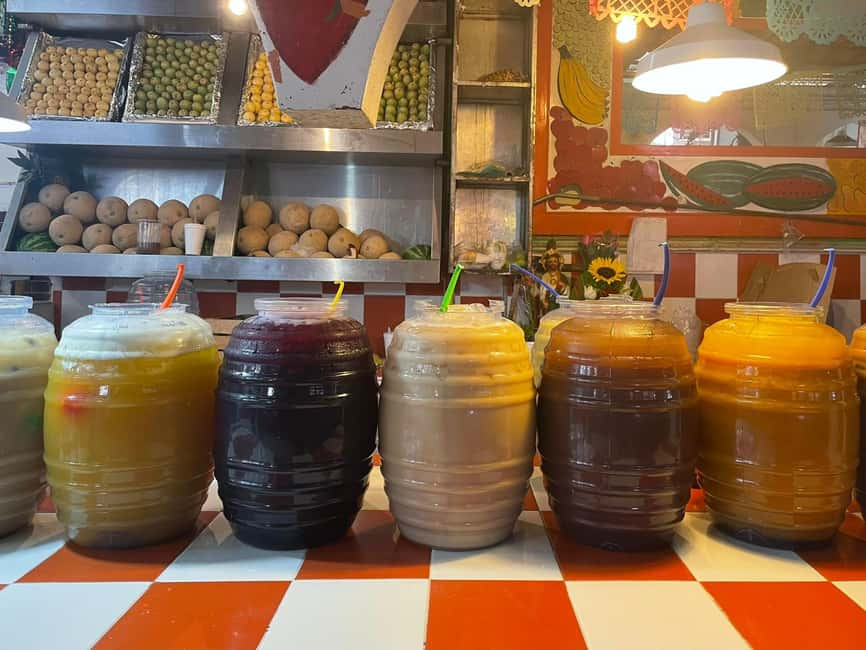
Your menu includes one seasonal beverage, chosen to complement the meal. It’s not just an afterthought. In a Puebla-style menu, drinks are part of balancing: they cool heat, refresh your palate, and keep flavors from blending into one long note.
The class includes instruction for this part of the menu as well, which helps you treat the beverage as part of the meal plan. If you’ve ever wondered why certain Mexican drinks seem to “work” with specific dishes, this is where you’ll get the logic through the hands-on process.
Price and Value: Is $95 Worth It in Puebla?
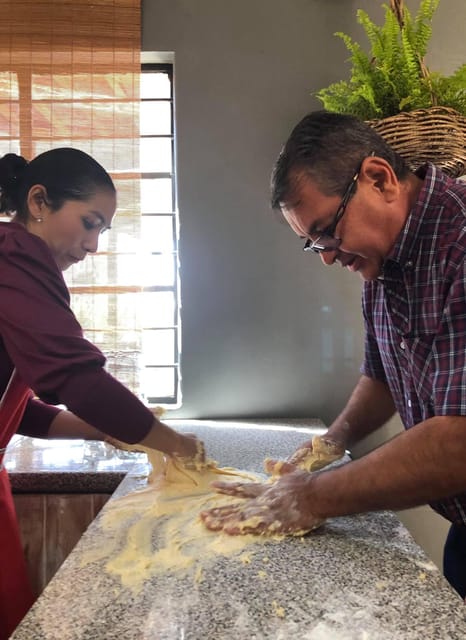
$95 per person for a 3.5-hour market-to-kitchen experience can be a good deal if you compare it to what you’d otherwise spend on a guided shopping trip plus a multi-dish meal plus chef coaching.
Here’s the value breakdown that matters most:
- You get a local market visit, with ingredient guidance and context
- You get all ingredients included
- You get a chef-instructed menu: starter + main + seasonal drink
- You get tasting time and a place to eat your food
The only things not included are small add-ons like an apron and the fact that group size is capped (so there’s no extra-participant situation for you to manage). Also, the time commitment is tight enough that you’ll feel like you did something substantial, but not so long that you’ll be worn out before the evening plans.
If you’re the type who likes to learn by doing—buying ingredients, then cooking them with guidance—this price tends to feel fair. If you only want to eat and would rather avoid kitchen work, you might prefer a lighter food tour instead.
Who This Cooking Class Suits Best
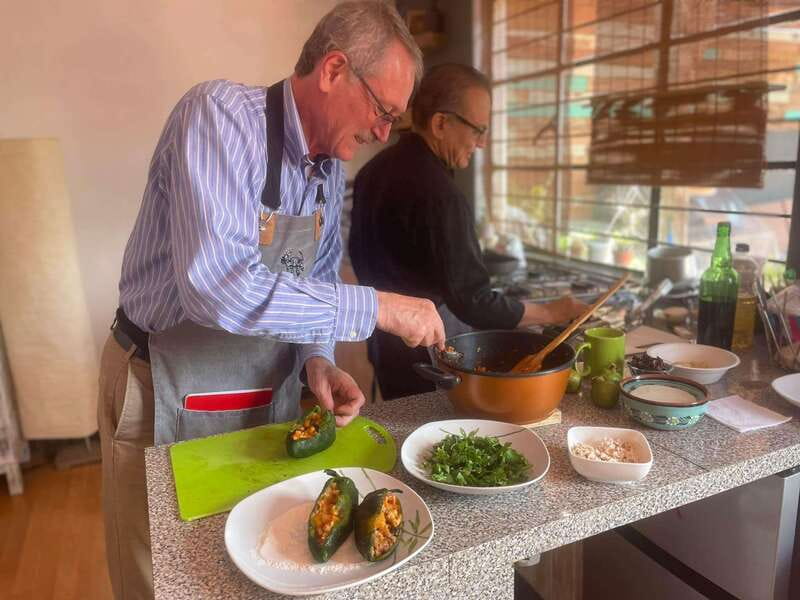
This experience is a strong fit if you want hands-on Puebla cooking, not just a lecture. It also suits people who enjoy Mexican food with all their senses—smell, texture, and taste—because the class is organized around those cues.
You’ll likely enjoy it most if:
- You like market shopping as part of the meal journey
- You want instruction on staples like mole poblano and Puebla favorites
- You prefer a small group where you can ask questions
- You enjoy cooking with clear steps and ingredient guidance
And here’s who should think twice:
- It’s not suitable for wheelchair users
- It may not be a good match for people with respiratory issues or pre-existing medical conditions
- Children under 33 lbs (15 kg) aren’t suitable
Also note the no-video/no-audio rule. If documenting everything is your main goal, this won’t match your expectations.
A Note on Reliability: What to Do Before You Commit
One serious drawback showed up in the experience record: a reported case where the class did not happen due to the provider not showing and not giving notice. That’s rare, but it’s real enough that I’d treat it like a checklist item.
What I’d do:
- Confirm the day before with Casa Mexicana
- Arrive a bit early at the meeting address
- Keep your schedule flexible enough that you’re not totally stuck if plans shift
That way, you protect your trip time while still getting the benefits of a small, hands-on cooking experience.
Should You Book Casa Mexicana’s Puebla Cooking Workshop?
I’d book this if you want Puebla flavor with structure: market time first, then a guided kitchen session that results in a real starter, a real main (often mole poblano or another Puebla classic), and a seasonal drink. The small group size and home setting are the reason it feels personal and practical.
I wouldn’t book it if you need accessibility accommodations, have medical concerns that make kitchen environments harder, or you’re determined to record the whole thing with video/audio. And if your trip is tight, I’d do that extra confirmation step because you want your morning protected.
If you’re chasing an authentic way to understand Puebla cuisine—by seeing the ingredients and cooking them yourself—this class is a very sensible choice.
FAQ
What does the cooking class include?
It includes all ingredients, a chef’s instruction for a full menu (starter, main dish, and one seasonal beverage), a visit to a local market, and tasting time.
How long is the experience?
The duration is 3.5 hours.
Is the class a small group?
Yes. It’s limited to 4 participants.
What languages are offered?
The instructor speaks Spanish and English.
How much does it cost?
The price is $95 per person.
Where do we meet?
Meet at 19 Poniente No. 114, Colonia El Carmen, Puebla, CP 72000. From the Zócalo, you walk along 16 de Septiembre to 19 Poniente, turn right, walk half a block to number 114, and ring the bell. About a 15-minute walk.
How do I get there if I’m not staying near the Historic Center?
Use transportation services or safe taxis available at your hotel, or rides like Uber and Didi.
What is not included?
An apron is not included. The information also notes that extra participants are not included.
Are recording devices allowed?
No. Video recording and audio recording are not allowed, and tripods are not allowed.
What is the cancellation policy?
Free cancellation is available up to 24 hours in advance for a full refund.