REVIEW · VALPARAISO
Valparaiso: Chilean Cooking Class with Fresh Market visit
Book on GetYourGuide →Operated by BERCOVICH TRAVELS · Bookable on GetYourGuide
Fresh fish, hot empanada dough, and sea views. I love the market visit where you pick fresh ingredients for the day, and I love that the class is genuinely hands-on with a bilingual chef leading you step by step. The catch: this isn’t designed for vegans, vegetarians, or people with food allergies.
What makes it feel worth the time is the choice. You’ll build a menu from classic Chilean options, then sit down to enjoy what you cooked—often with a glass of wine or a Pisco Sour—at the end of the session.
In This Review
- Key Things I’d Prioritize in This Class
- From Market Entrance to Chilean Kitchen: How the 5 Hours Flow
- The Market Visit: Where Chilean Cooking Starts
- Pebre and Oven Empanadas: The Hands-On Core Skills
- Choosing Your Five Typical Dishes (and What Each One Means)
- Dessert, Wine, and Pisco Sour: The Payoff
- Who This Class Is Best For (and Who Should Skip It)
- Price vs. Value: Is $190 Worth It?
- Quick Practical Tips Before You Go
- Should You Book This Valparaiso Chilean Cooking Class?
- FAQ
- How long is the Chilean cooking class and market visit?
- What’s included in the price?
- Do you get to choose what you cook?
- Are wine or Pisco Sour included?
- Is this class suitable for vegans or vegetarians?
- Is cancellation possible after booking?
Key Things I’d Prioritize in This Class
- Market-first ingredient shopping: you learn what Chilean cooking is built on before you touch the stove
- Pebre and empanada basics: tomato-onion-cilantro flavor work plus kneading and oven empanadas
- Your own menu from five typical dishes: you choose from Charquicán, Cazuela, Pastel de Choclo, Cancato, and Ceviche
- Flexibility if you can’t eat empanadas: you can swap to a stuffed avocado or similar veggie appetizer
- Wine or Pisco Sour with the meal: it’s not just cooking, it’s also tasting what you made
- A deck-style finish that makes the whole day feel like a treat: you’ll enjoy the food outdoors once you’re done
From Market Entrance to Chilean Kitchen: How the 5 Hours Flow
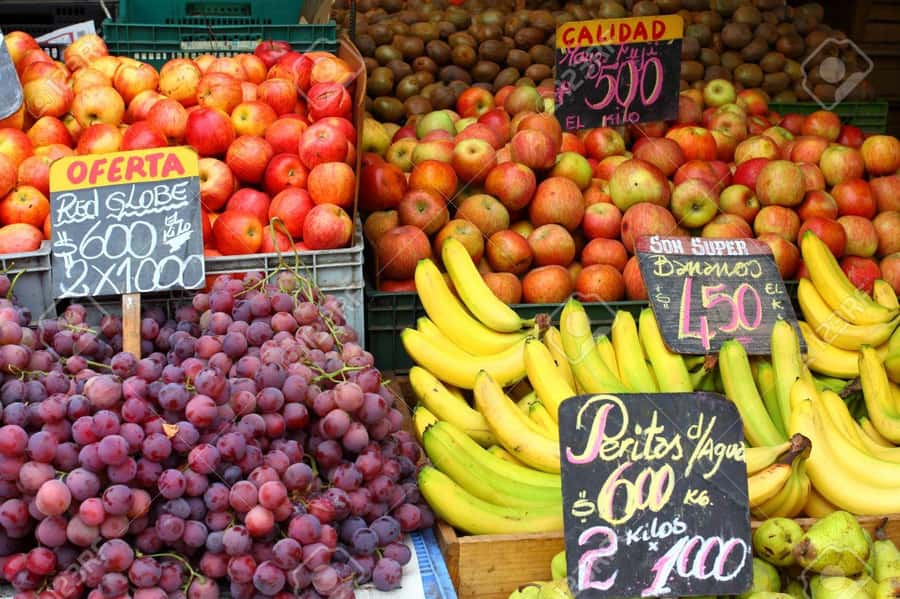
This is a straight-up market-to-kitchen cooking session in Valparaiso, focused on Chilean comfort food you can recreate later. The structure is simple: you start by working with fresh produce and pantry staples, then you move into cooking several typical Chilean dishes, and you end with beverages and dessert.
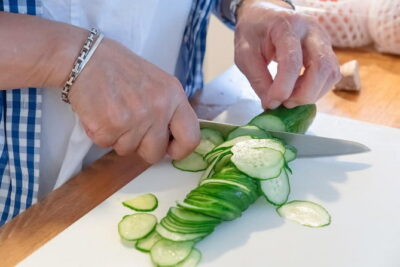
The timing matters. In the first part of the class, you’re not waiting around for someone else to cook. You’re already chopping and mixing—tomato, onion, cilantro (or ciboulette/chives), plus the flavor base for pebre. That early hands-on work helps you understand Chilean flavors as you go, not just at the end.
The kitchen part also feels practical. You’ll knead dough for oven empanadas, choose fillings, and then continue through your chosen set of dishes. If you’re the type who likes a plan but still wants freedom, this fits nicely because you select your main-dish lineup.
Finally, there’s a social element. Families have had a great time here because the chef and team keep things interactive. One highlight from a recent booking: the host met the group at the market entrance, helped people shop, and made space for kids to do a lot of the work without turning it into chaos. If you’re traveling with children, that matters.
The Market Visit: Where Chilean Cooking Starts
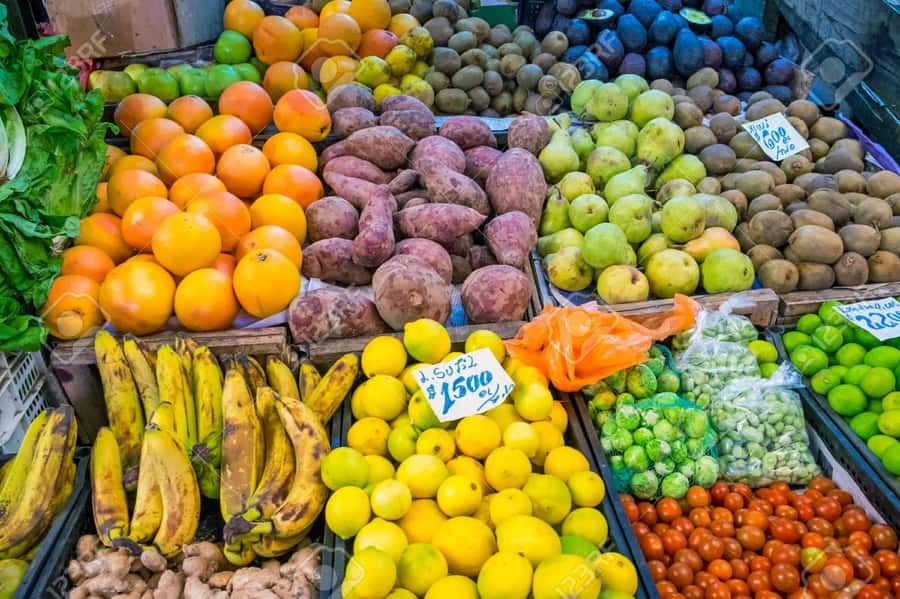
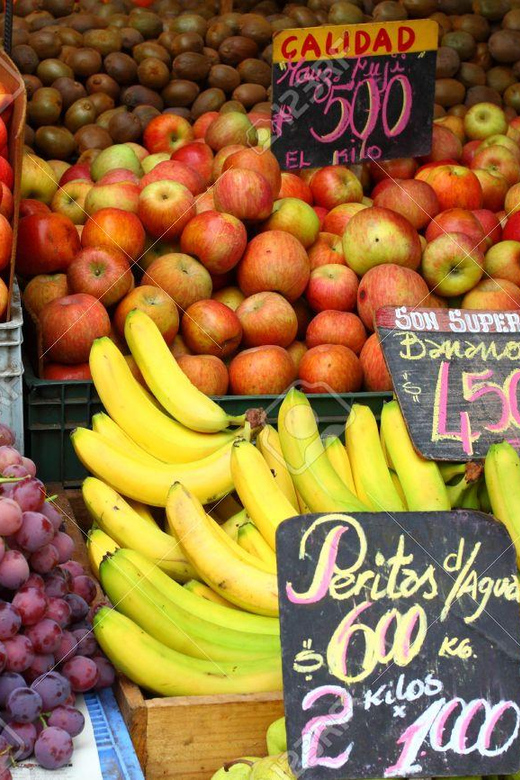
You begin at the market with a guide-host (English/Spanish). This is where the class earns its points. Instead of pretending ingredients are interchangeable, you learn what you’re buying and why it shows up in Chilean food.
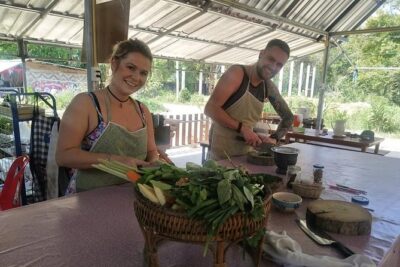
You’ll work with fresh vegetables used in the first cooking stage—typically tomato, onion, and cilantro (or chives/ciboulette). That’s the backbone of pebre, a Chilean-style sauce you’ll make early in the session. Seeing and selecting the ingredients in person makes the cooking feel less like a lesson and more like putting together your own lunch.
A standout detail: fish can be part of the shopping. One review specifically mentioned choosing freshly caught and filleted fish during the market portion. If you pick fish options later in the menu, that upfront shopping connects the dots fast. It also means you’re not just buying random seafood—you’re buying with the dish in mind.
Practical tip: plan on using a ride share or taxi to get from the market area to the cooking kitchen. In at least one recent experience, an Uber worked for the short transfer, and the group also used one afterward to return. You’ll be glad you’re not trying to navigate unfamiliar streets while hungry.
Pebre and Oven Empanadas: The Hands-On Core Skills
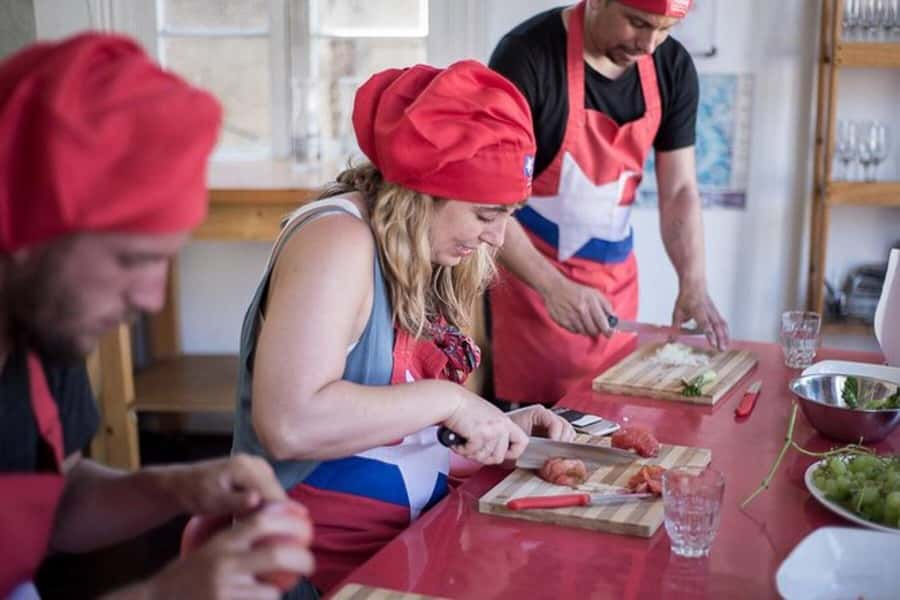
In the first cooking block (about the first half hour), you’ll make pebre. Expect real chopping and mixing rather than a demo. This is a great moment to slow down and pay attention to texture and balance—what tomato adds, what onion brings, and how cilantro or chives changes the flavor profile. Even if you don’t know Chilean cooking yet, pebre gives you a clear starting point.
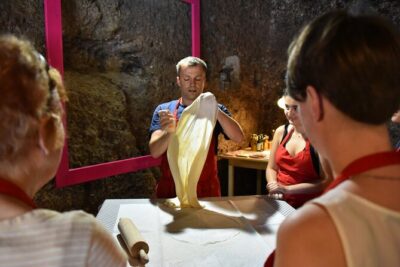
Then you’ll move into empanada-making. You’ll knead dough and prepare oven empanadas, which is a big deal because empanada dough work teaches you more than you think: how the dough behaves, how to handle fillings without making a mess, and how to aim for a seal that actually holds.
Fillings are classic:
- Pino (meat filling), always on the menu as a go-to option
- Cheese as the other standard filling
If empanadas don’t work for you, you’re not stuck. You can choose a swap like a stuffed avocado or a similar veggie-based appetizer. That flexibility helps if you’re picky, have texture preferences, or simply don’t want to do empanadas that day.
One more practical note: this is a cooking class, so it’s hands-first. You’ll be wearing an apron and using kitchen tools provided by the operator. If you want to keep your clothes clean, wear something you don’t mind getting kitchen dust on.
Choosing Your Five Typical Dishes (and What Each One Means)
After the empanadas, the class shifts into your custom menu. You’ll pick five typical Chilean dishes from a defined set. That’s where the experience becomes personal—and where it can be a great value if you’re decisive.
Your dish options:
- Charquicán (with or without meat)
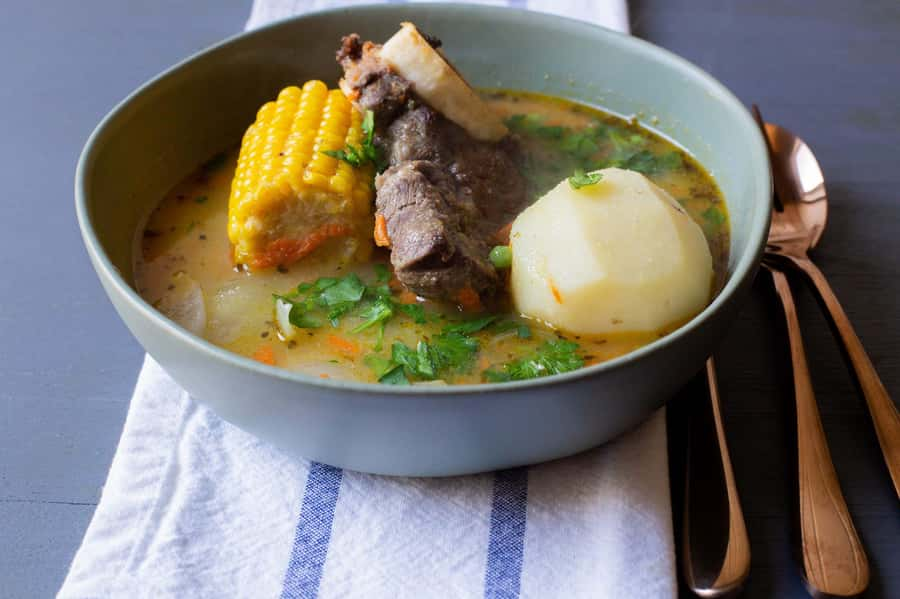
- Cazuela (with chicken or meat)
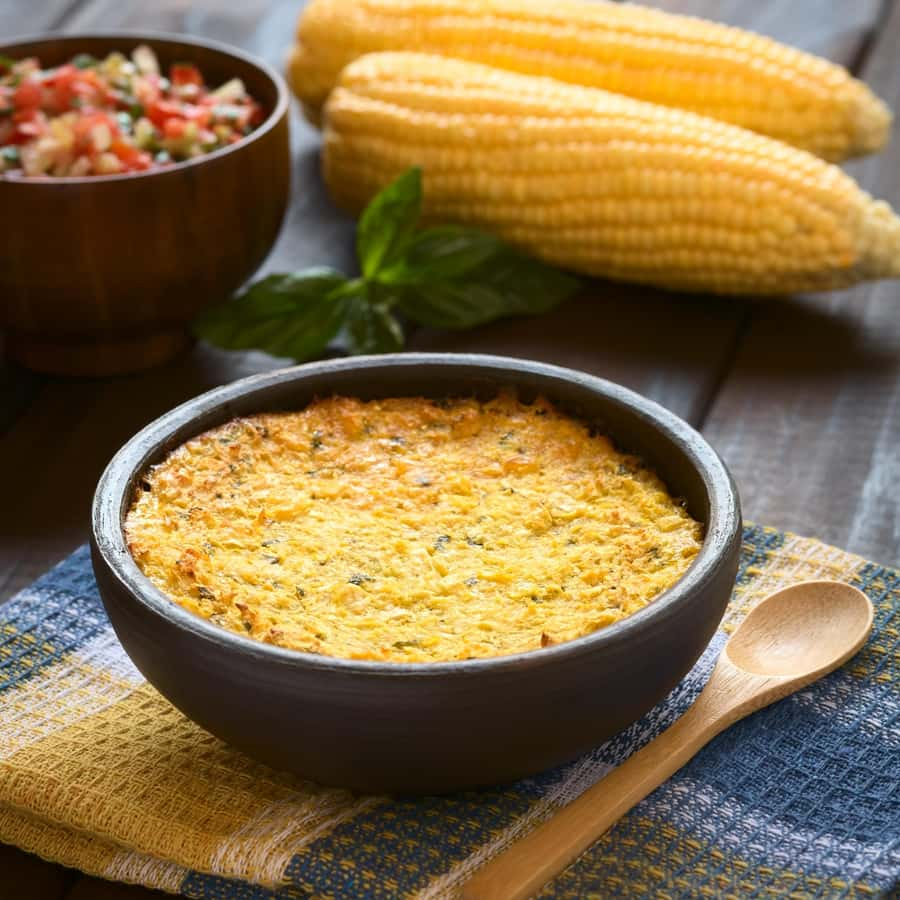
- Pastel de Choclo (corn pie, when in season)
- Cancato (butterfish or salmon)
- Ceviche
Here’s how I’d think about the choices, so you can build a menu that makes sense for you:
Charquicán
This leans toward hearty stew-style comfort food. If you want something warming and filling, it’s a strong pick. The with/without meat option also gives you some control over what you’re eating.
Cazuela
Similar comfort vibe, but typically focused around chicken or meat depending on your selection. If you want a classic Chilean everyday-meal feeling, cazuela is often the most satisfying.
Pastel de Choclo (seasonal)
This one is a corn pie. Since it’s only available in season, don’t count on it every time. If it is offered during your dates, it’s a great choice because it showcases Chilean staples in a different form than stews.
Cancato (butterfish or salmon)
If you want fish that isn’t just a raw dish, cancato gives you a cooked seafood option. It’s a good balance if you’re choosing ceviche too, so you don’t end up with all seafood in one style.
Ceviche
This is the bright, tangy choice. If you like citrus-forward flavors, ceviche usually makes the whole meal feel lighter and more alive after the heavier portions.
One small strategy: if you’re unsure, pick one “hearty” dish (Charquicán or Cazuela), one “corn/starch comfort” dish (Pastel de Choclo if available), and then include at least one fish dish (Cancato and/or Ceviche). That combo tends to keep your plate varied without turning it into a random assortment.
Dessert, Wine, and Pisco Sour: The Payoff
You’ll finish by serving everything you cooked with a drink—wine and/or Pisco Sour—and the experience includes dessert. That matters because many cooking classes stop the moment the last plate is plated up. Here, the flow is built for eating together.
The beverage part also isn’t just a casual add-on. Chilean food has enough flavor depth—herbs, tomato bases, savory fillings—that a glass of wine or Pisco Sour pairs naturally with the menu style. If you prefer one over the other, you can choose what fits your taste.
And yes, there’s an atmospherics piece. One booking mentioned enjoying the meal outside on a deck with an amazing view. Even if your view won’t be identical, you should expect a “sit down and enjoy” moment after you work.
If you’re cooking with kids, this part is especially helpful. Reviews highlighted how the chef and host kept kids actively involved, which makes the final tasting feel like part of a shared win, not just an adult-only payoff.
Who This Class Is Best For (and Who Should Skip It)
This is a strong pick if you want a classic Chilean meal experience in a way that’s practical and learnable. It’s especially good for:
- Food travelers who like a market component, not just a kitchen lesson
- People who enjoy hands-on cooking and want to leave with real skills (pebre, empanadas, and dish assembly)
- Groups and families who want an interactive activity that ends with a proper meal
It’s not a great fit if:
- You’re vegan or vegetarian (the class isn’t suitable for that)
- You have food allergies (it’s not suitable for people with allergies)
- You’re hoping for a fully personalized menu outside the provided dish choices
One more thing to know: outside food isn’t allowed. Since market products and cooking components are included, the class is designed around that single plan. Plan on eating what you cook.
Price vs. Value: Is $190 Worth It?
At $190 per person for a 5-hour class, you’re paying for four things that add up quickly: the professional bilingual chef support, ingredient shopping and market products, hands-on kitchen time, and a full meal with drinks plus dessert.
A key value point is choice. You’re not locked into a single menu. You build a set of five typical Chilean dishes, plus dessert. That makes the cost feel more reasonable than shorter classes where you only cook one dish and then watch.
You’re also paying for the real ingredient work. The market visit isn’t a quick photo stop—it’s tied directly into the first prep work (tomato, onion, cilantro/chives for pebre) and likely connects to seafood choices too.
So for value, I’d ask yourself one question: do you want to spend a morning/early afternoon shopping and cooking enough food to count as a real lunch (with wine or Pisco Sour)? If yes, this is likely a good deal. If you only want light snacks or prefer fully plant-based options, you’ll probably feel the price more than the benefit.
Quick Practical Tips Before You Go
Here’s how to set yourself up for a smooth session:
- Wear comfortable clothes you don’t mind getting kitchen touches on. You’ll have an apron, but cooking can still be messy.
- Plan for a ride between the market and the kitchen area. An Uber/taxi style transfer is a realistic expectation.
- Come hungry. You’re cooking multiple dishes and then eating them.
- Decide your fish vs. no-fish preferences early. It helps you pick your five dishes confidently.
- Bring your questions. The chef is bilingual (English/Spanish), and the class is designed around interactive guidance.
Also, you’ll likely need to allow time for schedule matching. The operator requires a minimum of 7 days’ notice to book, since availability depends on their calendar. If you’re traveling with tight plans, lock it in early.
Should You Book This Valparaiso Chilean Cooking Class?
I’d recommend booking if you want an authentic-feeling Chilean cooking experience that’s more than just a hands-off tour. The best part is how the market visit feeds directly into the cooking work—especially pebre and empanadas—and how you get to choose five classic dishes plus dessert.
You should skip it if dietary restrictions are in play. Since it isn’t suitable for vegans, vegetarians, or people with food allergies, don’t assume you can swap around. The experience is built around its menu options.
If your group includes kids, this one also deserves attention. The approach described in recent bookings makes it clear that kids can do real tasks with guidance, and everyone still gets a proper meal at the end.
FAQ
How long is the Chilean cooking class and market visit?
It runs for 5 hours.
What’s included in the price?
You get a bilingual chef, aprons and kitchen utensils, beverages, market products, and cooking implements.
Do you get to choose what you cook?
Yes. You pick a set of five typical Chilean dishes from the available options, plus you also make empanadas and pebre as part of the class flow.
Are wine or Pisco Sour included?
Yes. The meal is served with wine and/or Pisco Sour.
Is this class suitable for vegans or vegetarians?
No. It is not suitable for vegans or vegetarians.
Is cancellation possible after booking?
Free cancellation is available up to 24 hours in advance for a full refund.