REVIEW · BERLIN
Eat Like a Berliner: Market Tour, Cooking Class and Lunch
Book on Viator →Operated by Eat like a Berliner - market tour + cooking class + lunch · Bookable on Viator
Berlin tastes like more than wurst. This half-day market tour and cooking class turns Winterfeldtmarkt into your ingredient classroom, then hands you a real four-course lunch you can actually make again at home. I love the small-group feel and the way the guide, chef Kit, connects what you buy with what you cook, not just what you eat. One possible drawback: you’re on your own for getting to the meeting point, so you’ll want to plan transport to Schöneberg.
If you like food travel that goes past ordering, this one fits. You’ll browse about 200 stalls, learn what to look for (including herbs and foraged finds in the right seasons), and then cook in the kitchen with step-by-step instruction even if you’ve never handled a knife in anger. The pacing is relaxed enough to enjoy the market, but it still moves toward dinner-that-feels-like-lunch satisfaction by the end.
A third bonus is that the tour builds in tasting and drinking, so you’re not just standing around. You get fine German wine and sparkling wine, plus lunch with regional and seasonal organic produce. If you hate structured activities or prefer to roam solo with no schedule, you might find the plan a bit “guided.”
In This Review
- Key highlights I’d plan around
- From Winterfeldtplatz to Winterfeldtmarkt: where Berlin food starts
- The market walk: what’s fun and what to watch
- Chef Kit’s kitchen lesson: turning ingredients into a four-course lunch
- Foraging in spring and summer: using nature as an ingredient list
- Tastings and instruction: what you actually learn, not just what you eat
- Lunch with German wine: a meal that feels like you earned it
- Why the lunch matters for value
- Timing, logistics, and how to show up ready
- What to wear and pack (practical, not fancy)
- Small group size: the difference between watching and doing
- Price: is $278.90 actually a good deal?
- Who should book Eat Like a Berliner, and who might not
- Should you book this tour or look for another?
Key highlights I’d plan around
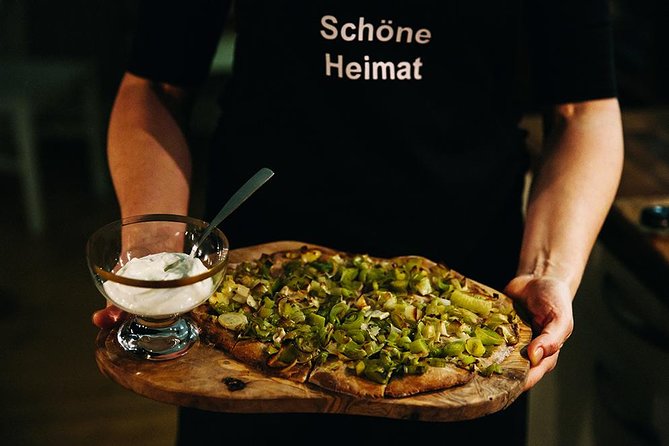
- Winterfeldtmarkt shopping with a guide pointing out ingredients, condiments, and unusual finds
- Chef Kit’s step-by-step cooking class designed for beginners
- A four-course German menu made from regional, seasonal organic ingredients
- Wine and sparkling wine included, paired with your lunch
- Seasonal foraging in spring and summer, tied directly to what you cook
- Small group capped at four, so questions don’t vanish into a crowd
From Winterfeldtplatz to Winterfeldtmarkt: where Berlin food starts
Your experience meets at Winterfeldtplatz (10781 Berlin) and ends back there. From that starting point in Schöneberg, you’ll head into Winterfeldtmarkt, one of the city’s more popular farmer’s markets. This is a smart way to start because Berlin’s food story is easier to understand once you see where ingredients come from.
Once you arrive, the market is set up like an ingredient map. You’ll browse through roughly 200 stalls, which means you’re not stuck with one lane of food. The shopping focus is practical: look for organic meats or fish if that’s part of the menu, plus fresh fruits and vegetables and herbs and spices that make German home cooking taste like real home cooking.
What I like here is how the guide doesn’t just describe items like a museum label. Chef Kit points out things you might not notice on your own: unique condiments, regional delicacies, and also those smaller surprises that show up in Berlin markets, like Turkish treats. Some finds can be rare or seasonal, including wild herbs, edible flowers, and foraged mushrooms when the season lines up.
The market walk: what’s fun and what to watch
You’ll have time to browse, then you’ll head toward the kitchen with a stop at selection of artisan shops along the way. That adds flavor to the day because you get more than one type of local production. Depending on what’s open, you might sample or purchase items such as handmade chocolates or regional wines.
One thing to consider: markets reward curiosity, but you still have a cooking class waiting. If you go in hungry (good idea) and then also start buying snack-sized treats on the street, you can slow your appetite down for the lunch afterward.
Chef Kit’s kitchen lesson: turning ingredients into a four-course lunch
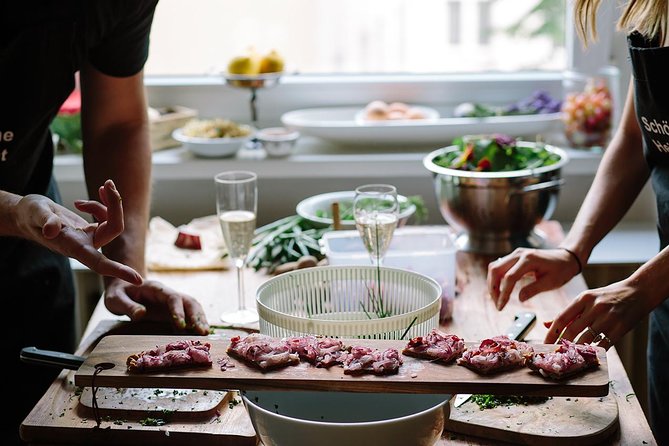
After shopping, you’ll walk back to chef Kit’s home kitchen, a short stroll from the market. This move is more than convenience. It keeps the day tied together: you buy the ingredients, then you cook them while the smells and choices are still fresh in your mind.
The class is built around a four-course menu of traditional German cuisine. The exact dishes can vary with what’s in season, which is part of why the tour works well. Even if you don’t know German cooking beyond the basics, you’ll learn the logic behind it: what flavors go together, how ingredients are handled, and what techniques make the difference.
The biggest win for first-timers is that you don’t need experience. You get full instruction, and the cooking is designed so beginners can keep up. So if your idea of cooking is opening a jar, you’re still in the right place. The guide will show you how to prep, how to time steps, and how to avoid the most common mistakes people make when they’re rushing.
Foraging in spring and summer: using nature as an ingredient list
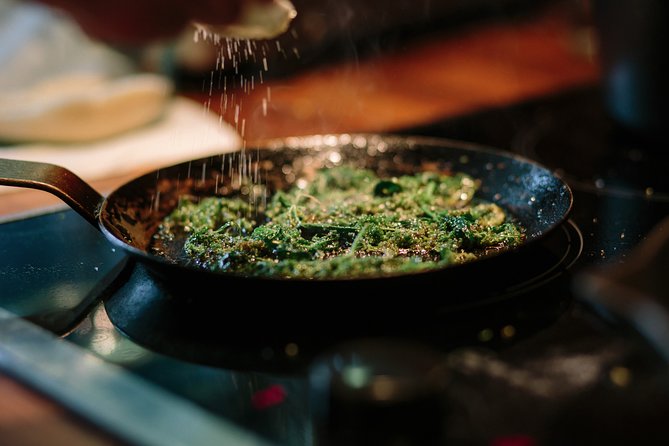
One of the tour’s standout inclusions is foraging in spring and summer. The idea isn’t a science lecture. It’s more like: here are the herbs and plant flavors that show up in that season’s cooking, and here’s how you might use them. If you’ve ever wondered how “farm to table” actually looks in Germany beyond a buzz phrase, this gives you a hands-on answer.
This also helps explain why the market browsing isn’t random. When you see wild herbs, edible flowers, or foraged mushrooms mentioned during shopping, those aren’t just interesting sights. They’re clues for what your menu might include.
Tastings and instruction: what you actually learn, not just what you eat
A market plus a cooking class can turn into a blur if it’s all sensory and no structure. Here, the day is organized around what you’ll cook next. You hear about ingredients as you’re seeing them, then you turn that knowledge into action in the kitchen.
Chef Kit also ties food to places and choices. During the market portion, you’ll hear about regional delicacies and condiments, and you’ll likely notice how Berlin’s food culture reflects both local traditions and the city’s wider influences. That’s where those Turkish treats and other outside influences can feel less like a detour and more like part of modern Berlin.
In the kitchen, you’ll get technique. That might mean learning how to handle herbs properly, how to assemble components so the plate makes sense, or how to manage timing across multiple courses. Even if you never plan to cook a full four-course meal at home, you’ll still take away skills that show up in everyday cooking: seasoning, balancing flavors, and working efficiently.
And yes, there’s food tasting built in. Expect small tastes along the way so you’re not guessing what something is supposed to taste like when it’s done.
Lunch with German wine: a meal that feels like you earned it

Finally, you sit down to enjoy what you cooked. This isn’t a tiny portion either. You’re served a delicious home-cooked lunch based on that four-course menu, using regional and seasonal organic produce.
Drinks are included, and the approach is simple. You’ll have fine German wine and sparkling wine, and the lunch includes a glass of German beer or wine. That’s a nice touch because it lets you match your drink to what you ate, without needing to decode a wine list.
Why the lunch matters for value
This is where the price starts to make sense. A lot of food experiences feel like a walking tour where you pay for time in public spaces. Here, you’re paying for three things that cost money in real life: a guided market shop, an expert-led cooking class, and an actual sit-down meal with drinks.
Also, you leave with help for repeating the experience. Recipes are included, plus a linen shopping bag and a neighborhood tour. That means you’re not just consuming your Berlin food day; you’re taking a little of it back into your own kitchen.
Timing, logistics, and how to show up ready
The tour runs about 5 hours 30 minutes. It’s a half-day experience, which makes it easier to fit around other Berlin highlights. The downside of that schedule is that you want to start the day rested and ready to move.
You meet at Winterfeldtplatz, and there’s no hotel pickup. So plan your route and arrive a little early. Since the meeting point is near public transportation, this is usually easy, but it’s still on you to get there.
You’ll also have a mobile ticket, which tends to be less hassle on city streets. Just make sure your phone battery is healthy. Berlin walking can be longer than it looks on paper.
What to wear and pack (practical, not fancy)
Wear shoes you can walk in. You’ll move from market to shops, then to the kitchen, and you’ll likely spend time standing while tasting and browsing. If it’s cold or wet, dress for weather because the market portion is outdoors.
Food tours can encourage you to overbuy random snacks. Try to keep your shopping focus on what the guide suggests, because you’ll have a four-course lunch later and you’ll want to enjoy it fully.
Small group size: the difference between watching and doing
This experience is a private tour/activity with your group only, and it’s limited to four people. That matters more than it sounds. When you cook with others in a class size this small, you don’t feel like you’re waiting for your turn or guessing what step comes next. You can ask questions and get clear answers.
It also helps beginners. If you’re not a strong cook, you still get guidance that matches what you’re doing in the moment. One of the best bits from customer feedback is that people felt comfortable even if they were newer to cooking, and that’s the exact kind of environment where small groups pay off.
Price: is $278.90 actually a good deal?
At $278.90 per person, this isn’t a budget activity. But when you look at what’s included, it shifts from expensive to fair.
You’re getting:
- A guided market tour at Winterfeldtmarkt (including tastings)
- An expert-led hands-on cooking class with full instruction
- A four-course lunch made with regional, seasonal organic ingredients
- Fine German wine and sparkling wine included, plus beer or wine at lunch
- Recipes, a linen bag, and a neighborhood tour
- Seasonal foraging in spring and summer (when applicable)
The real value is that these pieces aren’t separate. Doing them on your own would usually mean coordinating different times and paying for multiple experiences. Here, the guide links the market ingredients to the finished plates, which is the part that makes learning stick.
If you’re the type who enjoys food culture and wants to understand what you’re eating, this is worth considering. If your main goal is just to eat a nice lunch, you can probably find cheaper meals in Berlin. But you’d miss the skills, the market context, and the chance to taste and cook your way through German flavors.
Who should book Eat Like a Berliner, and who might not
Book this tour if you want more than a meal. You should like:
- Hands-on cooking, even as a beginner
- Learning how ingredients connect to German dishes
- Market time that’s guided, not just wandering
- A small-group setting that doesn’t feel rushed
You might skip it if:
- You’re allergic to the idea of structured time blocks
- You want to stay purely independent and don’t want a set menu
- You’re trying to keep food spending low
It can also be a good first step for food-focused Berlin trips. If you’re new to the city, a guided market helps you get your bearings fast and gives you a mental map of what Berlin ingredients look like and where to find them later.
Should you book this tour or look for another?
I think you should book it if you care about tasting, cooking, and learning without needing prior experience. The combination of Winterfeldtmarkt shopping, chef Kit’s instruction, and a real four-course lunch with German wine is the kind of “do it, learn it, eat it” experience that pays off even after the last bite.
If you’re unsure, ask yourself one question: do you want to come home with skills and recipes, or do you just want a convenient meal? This tour is built for the first one. If that sounds like you, it’s a strong choice.