REVIEW · SALERNO
Private Cooking Class at a Cesarina’s Home in Salerno
Book on Viator →Operated by Cesarine: Cooking Class · Bookable on Viator
You can taste Campania at home. This private class pairs all food and drink with a real Cesarina home meal, so the learning turns into something you actually eat. One thing to consider: you’re in a residential setting, so plan for a typical home-kitchen layout and steps where applicable.
I like the combo of English instruction and hands-on cooking. Your host can also accommodate vegetarian and gluten free needs if you ask ahead. That balance makes it feel welcoming, even if you’re not a confident cook.
You get about 4 hours of guided prep and cooking, with local wine and other drinks during the meal. It’s close to public transport, and the home provides basic sanitary supplies so you can feel comfortable in shared spaces.
In This Review
- Key things I’d circle before you book
- A Cesarina’s Home in Salerno: Why This Feels Different
- The 4-Hour Flow in Practice: What Happens During the Class
- Menu Highlights: Pasta, Sauce, and Dessert You’ll Actually Remember
- Wine and Included Meals: How the Value Really Works
- Your Hosts in the Real World: Learning From Silvia and Angela Style Energy
- Dietary Needs, Sanitary Rules, and the Home-Kitchen Reality
- Who This Is For (and Who Might Prefer Something Else)
- Should You Book the Private Cooking Class in Salerno?
- FAQ
- Is this class private?
- How long is the cooking class in Salerno?
- Is the experience offered in English?
- What’s included in the price?
- Can the menu be adjusted for vegetarian or gluten free diets?
- Where does the experience start and end?
- Is it convenient to public transportation?
- What’s the cancellation flexibility?
Key things I’d circle before you book
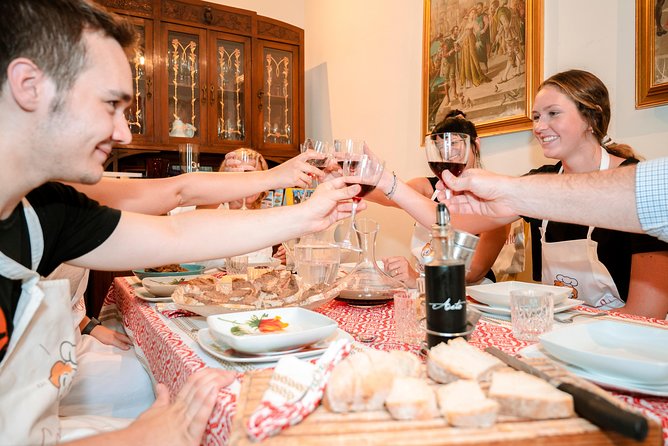
- Private group, private home: just your group in the Cesarina’s space
- Everything included: food and drink during the class meal, including alcoholic beverages
- Hands-on pasta skills: expect real dough work and shaping, not just watching
- Campania focus: dishes and techniques tied to the region’s flavors
- Dietary flexibility: vegetarian and gluten free options can be arranged
A Cesarina’s Home in Salerno: Why This Feels Different
Salerno has a way of making you feel like you’re in Italy and not just looking at it. This experience leans into that. You’re not waiting for a show. You’re working alongside a qualified cook in their own home kitchen, then sitting down to eat what you made.
The Cesarine model is built around local cooks opening their doors. That matters because you learn the small, practical “why” behind Italian cooking: how long dough rests, how sauce thickens, how flavors balance. Restaurant classes can teach technique, but home cooks often teach rhythm. You feel it when the work flows from starter to pasta to dessert without rushing.
Two small details that change the vibe:
- You’ll get a true sense of daily life in an apartment-home environment, including how ingredients arrive and how the kitchen is organized.
- You’ll eat with the cook as part of the meal, not as a ticket-holder passing through.
The only real drawback is the setting. A home kitchen isn’t built like a cooking school lab. That can mean tighter workspace, and sometimes stairs on the way to the apartment. If you have mobility concerns, it’s smart to ask ahead how access works for your specific home.
You can also read our reviews of more tours and experiences in Salerno.
The 4-Hour Flow in Practice: What Happens During the Class
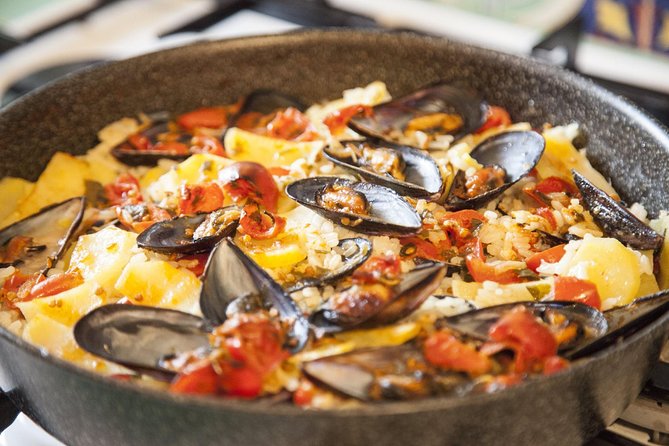
Even though the menu sounds simple on paper, the class runs like a full, satisfying meal. Think “from prep to plate,” with enough time to actually learn.
Here’s the practical flow you can expect:
Arrival and meeting the host
You’ll meet in Salerno, then head to the Cesarina’s home. Because this is a private tour, you don’t get shuffled into a larger group. You’ll likely talk through the day’s menu early, and you’ll be assigned tasks that match your comfort level.
Starter work
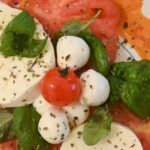
The class starts with a seasonal starter. In many homes in Campania, that could mean fresh, simple components that teach you how to taste and adjust early. The goal here isn’t to impress you with complexity. It’s to get you thinking like a cook: salt levels, acidity, texture, and how flavors set up the main dish.
Pasta hands-on time
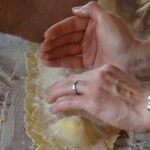
Pasta is the centerpiece. You’ll work dough and shape it. Based on prior classes, hosts often guide you through techniques like hand-kneading semolina dough with fresh egg, then shaping filled pasta. Expect guided effort—real dough work that gets your hands involved.
If you’re imagining quick ravioli assembly, reset that thought. Filled pasta teaches patience: resting dough, rolling it thin enough to seal, and forming portions so they cook evenly.
Sauce and fillings
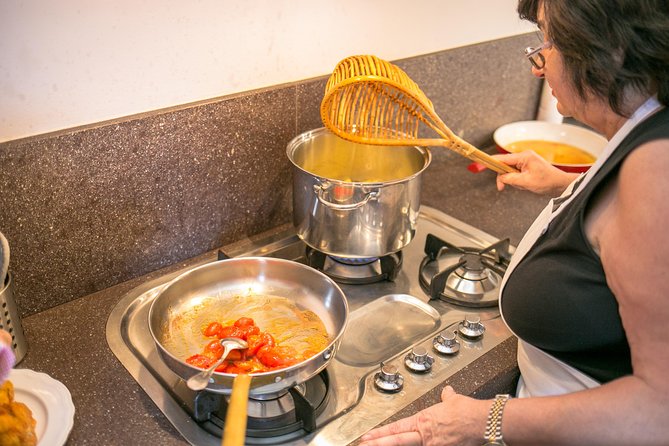
While pasta dough rests, you’ll typically work on elements that become the backbone of the meal. In Campania-style cooking, tomato often shows up as a sauce made from simple ingredients like garlic and olive oil, with homemade tomato puree. You may also help assemble fillings such as spinach and multi-cheese mixtures.
Second dish and cooking rhythms
Classes often include more than one pasta element or a complementary course prepared partly by the host. That’s part of why it feels like a proper home meal. You’ll learn the process and still get to taste the result of other dishes made earlier the same day.
Dessert and the final table
Dessert usually lands as a typical sweet from the region. Classes often include tiramisu, with the hands-on part being mixing and assembling so you understand how the textures come together. Then you sit down and eat what you cooked, alongside wine and other drinks.
At the end, you’ll leave with the confidence that you didn’t just sample Italy—you practiced it in a real kitchen.
Menu Highlights: Pasta, Sauce, and Dessert You’ll Actually Remember
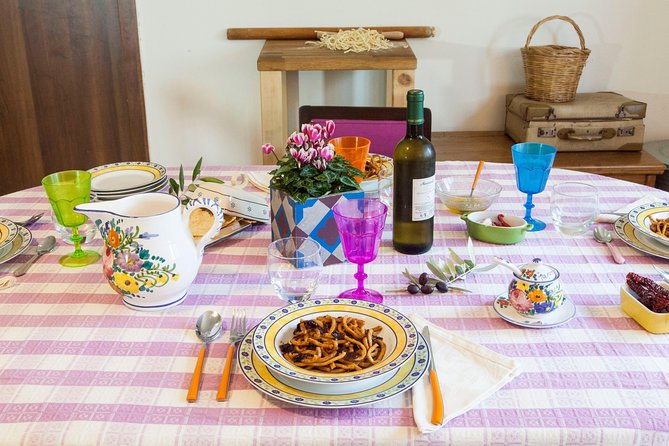
The sample menu is straightforward:
- Starter: seasonal starter
- Main: pasta
- Dessert: typical dessert
But what makes it memorable is how the flavors get built step by step.
Pasta that teaches technique
Pasta in these classes isn’t just pasta. It’s the skill behind the dish. You’ll likely work dough by hand and get experience shaping. One class experience emphasized learning to knead a dough made with semolina and farm-fresh egg, then shaping filled pasta in different ways before cooking.
If you care about getting it right at home later, that’s the value: you learn what “good dough” feels like.
Tomato sauce and olive oil logic
A lot of Italian cooking boils down to a few smart ingredients handled properly. When a host makes a sauce by combining olive oil, smashed garlic, and homemade tomato puree, you learn how the sauce transforms—thicker, rounder, and more integrated than plain canned tomato.
Even if you don’t do every step, you’ll see the timing and smell the difference as flavors change over heat.
Filled pasta and flavor balance
Filled pasta is where the class gets personal. Spinach and cheese fillings are common in this region’s cooking. The teaching moment is sealing and portioning so the pasta cooks through without exploding.
You’ll also notice how cheese and greens behave differently depending on moisture. A good host guides you so the filling stays cohesive.
Dessert that finishes the story
Typical dessert in this setting often means tiramisu. The class format usually makes dessert feel doable, not intimidating. You learn how to layer flavors and textures, and you get to taste the finished result right away—often with wine during the meal, so you’re ending on a real Italian note.
Wine and Included Meals: How the Value Really Works
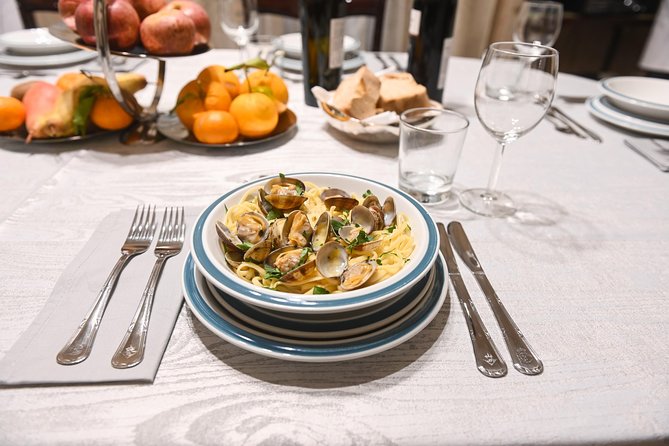
At $174.60 per person for about 4 hours, this is not a cheap activity. But it can be good value when you look at what’s included.
Here’s what you’re paying for beyond the recipe cards:
- All food and drink during the experience
- Local wine with your meal
- Alcoholic beverages included as part of that meal
- A qualified chef working with you in a private setting
When a class includes everything you eat and drink, the cost stops feeling like “paying to learn.” It starts feeling like paying for a full, guided meal plus instruction. Also, since the group stays private, you’re less likely to get rushed or ignored.
One more value point: you’re buying knowledge you can reuse. When you learn a pasta method or how a tomato sauce develops, you can recreate a version of it on your own schedule, not just on a vacation day.
Practical tip: since alcohol is included, pace yourself. You’ll be using your hands, standing at a counter, and likely walking between prep and dining areas.
Your Hosts in the Real World: Learning From Silvia and Angela Style Energy
In a good Cesarina home, you don’t feel like you’re following a script. You feel like you’re joining family-table energy—people who cook often and cook with care.
One previous host experience highlighted Silvia as a welcoming cook, with Angela stepping in as assistant and translator. That kind of pairing makes a difference in an English class: you get clarity on tasks, plus extra insight about why dishes work the way they do. You can ask questions and get answers that are useful, not just polite.
Here’s what you should look for in a host like that:
- They explain each step in plain language so you can actually do it.
- They keep the group moving so you don’t waste time waiting.
- They share small regional context while you cook, so the flavors make sense.
You also get the “local network” effect. Even when the host does most of the work, the best home-cooked meals in Italy often rely on nearby relationships—neighbors, local providers, and ingredients sourced locally. That flavor of community is part of what makes the meal feel authentic.
Dietary Needs, Sanitary Rules, and the Home-Kitchen Reality
The good news: vegetarian and gluten free options can be made available. If you have dietary restrictions, ask early so the host can plan the ingredients and adjust the menu.
The other reality: this is a private home. Kitchens vary. You might find tight spaces, different seating, and home-style tools rather than professional equipment. That’s not bad. It just means you should show up ready to roll with it.
Sanitary comfort is addressed directly. The homes provide essential sanitary equipment like paper towels and hand sanitizing gel. There’s also guidance about maintaining distance and using masks and gloves when needed. If you prefer a careful approach, this setting is already thinking about guest safety.
Accessibility note: one class setup mentioned an elevator available if stairs are an issue, but that depends on the specific home. If you need step-free access, confirm it for your assigned location.
Who This Is For (and Who Might Prefer Something Else)
This class suits you if you want:
- hands-on pasta and regional Italian cooking skills
- a meal experience where the food and drink are part of the price
- a small, private setting with English support
- a way to see daily life in Salerno beyond sightseeing
You might want a different kind of tour if:
- you want a big-group party atmosphere
- you’re expecting a professional school studio with lots of counter space
- you strongly prefer not to attend experiences in residential spaces
For most people, though, this is a smart choice. The “I can do this again at home” payoff is real when the class focuses on technique and you get to eat what you made.
Should You Book the Private Cooking Class in Salerno?
I’d book it if your goal is to bring Italy home with you—skills, not just photos. The big reason is the package: a private home setting, a qualified cook, and all food and drink included. Add in the chance to learn real pasta technique and a dessert you can recreate, and it turns into one of the more memorable ways to spend a half-day in Salerno.
Book it with a couple of practical expectations:
- Expect a home-kitchen flow, not a museum-like experience.
- Plan for a 4-hour block so you’re not rushing dinner or juggling other reservations.
- If you have mobility needs or strict dietary requirements, confirm details ahead so your host can set you up comfortably.
If you want the most authentic version of a Campania meal, this is exactly the kind of experience that delivers.
FAQ
Is this class private?
Yes. It’s a private tour/activity, so only your group participates.
How long is the cooking class in Salerno?
It runs about 4 hours (approx.).
Is the experience offered in English?
Yes, it’s offered in English.
What’s included in the price?
All food and drink are included, including alcoholic beverages. You also get local wine with the meal.
Can the menu be adjusted for vegetarian or gluten free diets?
Vegetarian and gluten free options can be made available.
Where does the experience start and end?
It starts in Salerno, SA, Italy, and ends back at the meeting point.
Is it convenient to public transportation?
Yes, it’s near public transportation.
What’s the cancellation flexibility?
Free cancellation is available up to 24 hours in advance for a full refund.
If you tell me your dates and whether you have dietary needs or mobility considerations, I can help you think through whether this fits your exact travel day in Salerno.