REVIEW · ZANZIBAR CITY
Zanzibar: Spice Farm Tour with Traditional Cooking Class
Book on GetYourGuide →Operated by Bluecity Tours Zanzibar · Bookable on GetYourGuide
Spice Island lessons get real here. I love walking a working farm where ginger, vanilla, cardamom, and coffee grow in the open, and I like the hands-on Zanzibar cooking class with a local chef who guides you step by step. One catch: the advertised 6 hours can be shorter in real life, so be ready for a faster day.
From pickup in Stone Town to a return back there, this is a straightforward way to see what makes Zanzibar earn its Spice Island nickname—without waiting around. You’ll also get a taste of the trade-and-exploration era through the lens of spices, then sit down for a Swahili meal you helped prepare.
In This Review
- Key Highlights You’ll Notice Fast
- Getting From Stone Town to Unguja South’s Spice Farms
- Three Farm Sections and the Real Smell of Zanzibar Spices
- Learning When Spices Are Ready (It’s Not One-Size-Fits-All)
- Coconut Climber (Butterfly) and Young Coconuts: The Fun Plant Safari Moment
- The Cooking Workshop: Swahili Food With a Local Chef in the Room
- What I’d Pay Attention To During the Class
- Coconut Milk: Sometimes You Help Make It
- Sitting Down to Eat: Swahili Cuisine, Not a Quick Snack
- Price and Value: Is $47 a Fair Deal?
- When Timing Slips: Planning for a Shorter Farm Day
- Tips to Make This Day Smoother (and More Fun)
- Should You Book This Spice Farm Tour?
- FAQ
- Where does the tour start?
- How long is the experience?
- What’s included in the price?
- Are meals included?
- Which languages is the tour guide available in?
- Do I need to bring cash?
- What should I wear?
- Is alcohol allowed?
- What is the cancellation policy?
Key Highlights You’ll Notice Fast
- A true spice-farm walk with cardamom, ginger, vanilla, coffee, nutmeg, cinnamon, and lemongrass explained on-site
- Practical growing know-how—how to plant and how long different spices take
- Three farm sections so you don’t just photo-stop and leave
- Coconut climber (butterfly) and young coconuts for a memorable plant moment
- Cooking with local women in a workshop setting, with time to talk while you eat
- A small, family-run vibe in many sessions, not a big bus-tour feel
Getting From Stone Town to Unguja South’s Spice Farms
This tour is built around an easy, hotel-area pickup in Stone Town, then a full return afterward. That matters, because spice-farm days can get annoying when you’re negotiating transport at the start and end of a trip. Here, you can focus on the experience instead of the logistics.
You’re headed to the Unguja South Region for a rural look at how spices are grown, harvested, and used. On the drive, you’ll be in “expectation mode”: you know you’re not just going to see spice jars behind glass. You’re going to see plants, touch materials during the cooking workshop, and learn how the process works from a local guide.
One practical note for your schedule: even though the day is listed as about 6 hours, it can compress—one recent session ran around 3.5 hours and still felt satisfying. If you’re pairing this with dinner plans back in Stone Town, aim for something flexible rather than a strict, timed reservation.
You can also read our reviews of more tours and experiences in Zanzibar City.


Three Farm Sections and the Real Smell of Zanzibar Spices
The core of this experience is a physically guided visit through three parts of the spice farm. That structure helps you understand spices as a system, not just a list of names. Each stop gives you more context for what you’re seeing, and it also slows the day down just enough to actually notice details—leaf shapes, plant height, pod textures, and the way different aromas show up at different times.
You’ll be shown a range of spices, including:
- Cardamom
- Ginger
- Vanilla
- Coffee
- Nutmeg
- Cinnamon
- Lemongrass
What I like about this approach is that it’s not only a “smell it, move on” loop. You get explanations on how to plant and how long each spice can take to be ready for use. That timing piece is what turns spice-farm photos into real knowledge. When you understand that different plants have different rhythms, you can appreciate why Zanzibar’s spice trade mattered historically—it wasn’t one crop, one season, one simple product.
Another element woven in is historical insight—how spices connected Zanzibar with trade and exploration. You’ll hear the story from the perspective of the plants you’re standing near, which makes the history feel less like a lecture and more like context.
Learning When Spices Are Ready (It’s Not One-Size-Fits-All)
A spice farm tour can be either superficial or useful. This one leans useful. The guide covers not just what the spices are, but also how they’re grown and when they’re ready. That means you’ll likely hear practical points like the fact that spices don’t all follow the same timeline—some are faster, some take longer.
For you, that changes how you think about the word “spices.” Instead of thinking of spices as only something you buy, you’ll start thinking of them as living crops with schedules. That’s valuable even if you never plan to grow them yourself, because it helps explain why Zanzibar’s spice production has always been important.
This kind of farm-based explanation also makes the sensory part click. When you learn what you’re looking for—what to expect during growth—you’re better able to notice the differences between the plants you meet at each stop.
Coconut Climber (Butterfly) and Young Coconuts: The Fun Plant Safari Moment
At some point on the tour, you’ll get the chance to see the coconut climber (butterfly) and also young coconut. That’s one of those details that can feel small on paper, but it sticks with you in real life.
Why? Because it’s the kind of Zanzibar-specific plant moment that you can’t replicate with a cookbook. If you’re the type who likes seeing how local nature shows up in everyday life—then this section is a treat. You’ll also get a chance to slow down and really look, instead of only focusing on the “spice list.”
And since this is part of the guided farm experience, it’s not just a photo op. You’re there with a local guide, so you’re not guessing what you’re seeing. That turns the novelty into understanding.
The Cooking Workshop: Swahili Food With a Local Chef in the Room
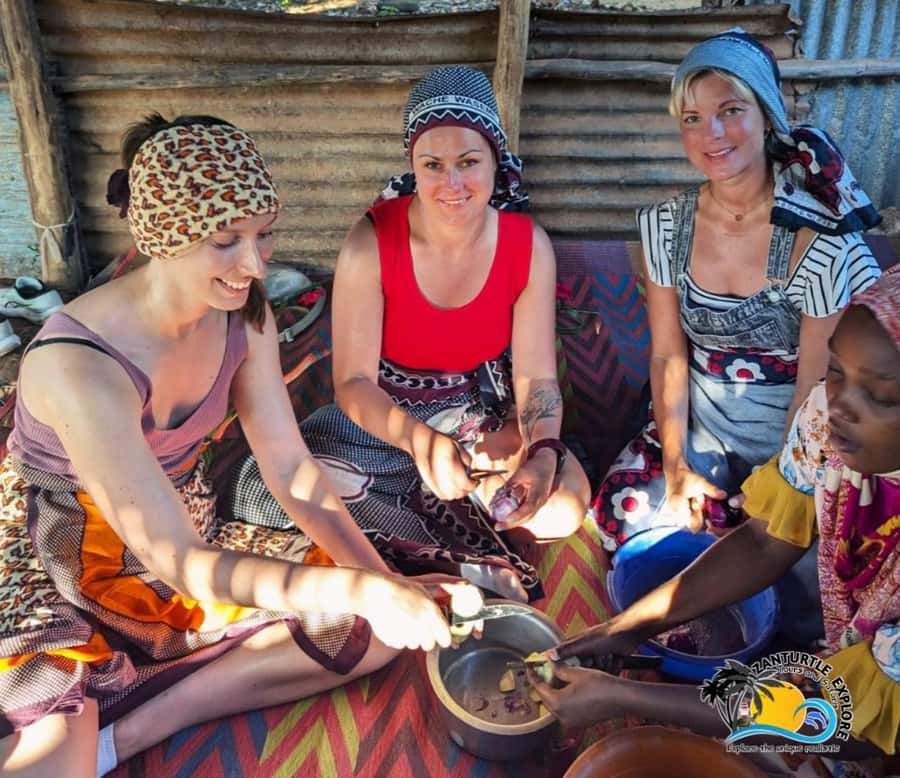
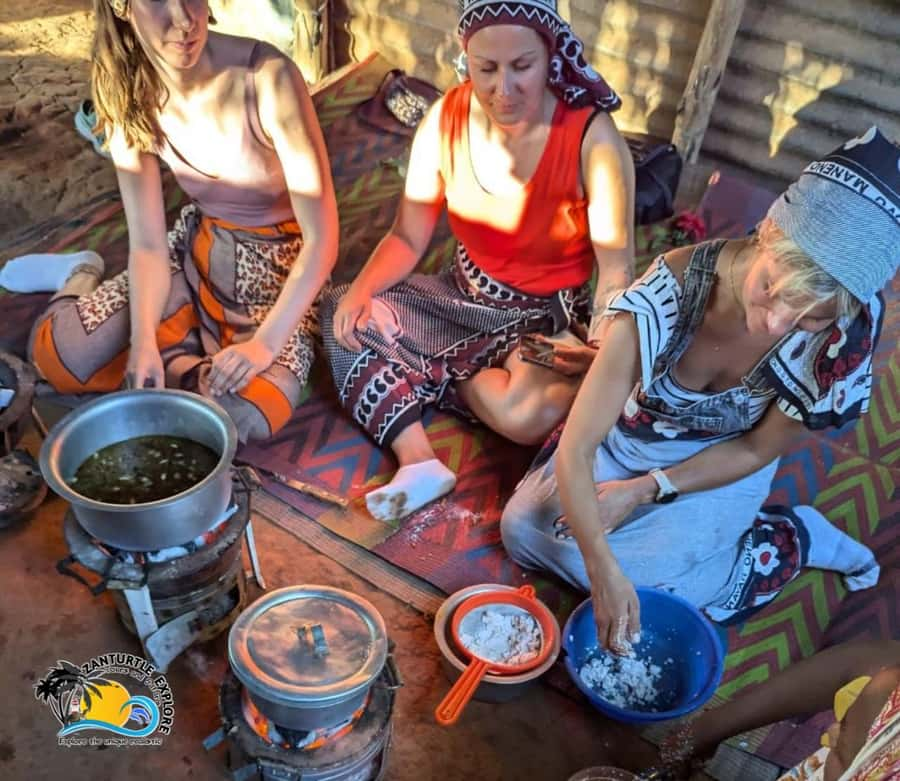
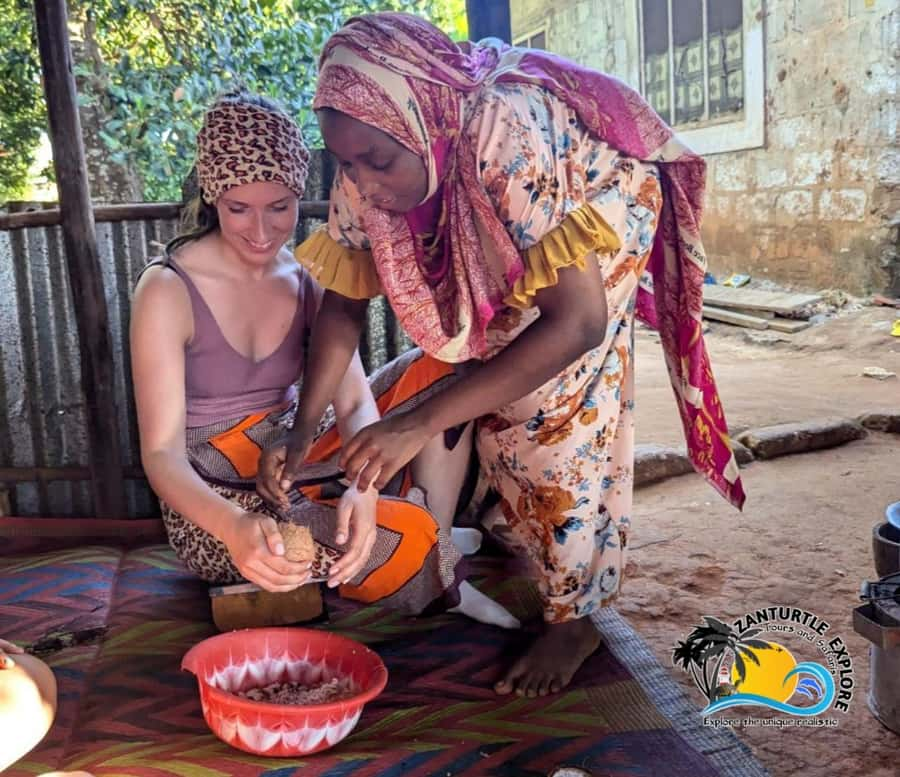
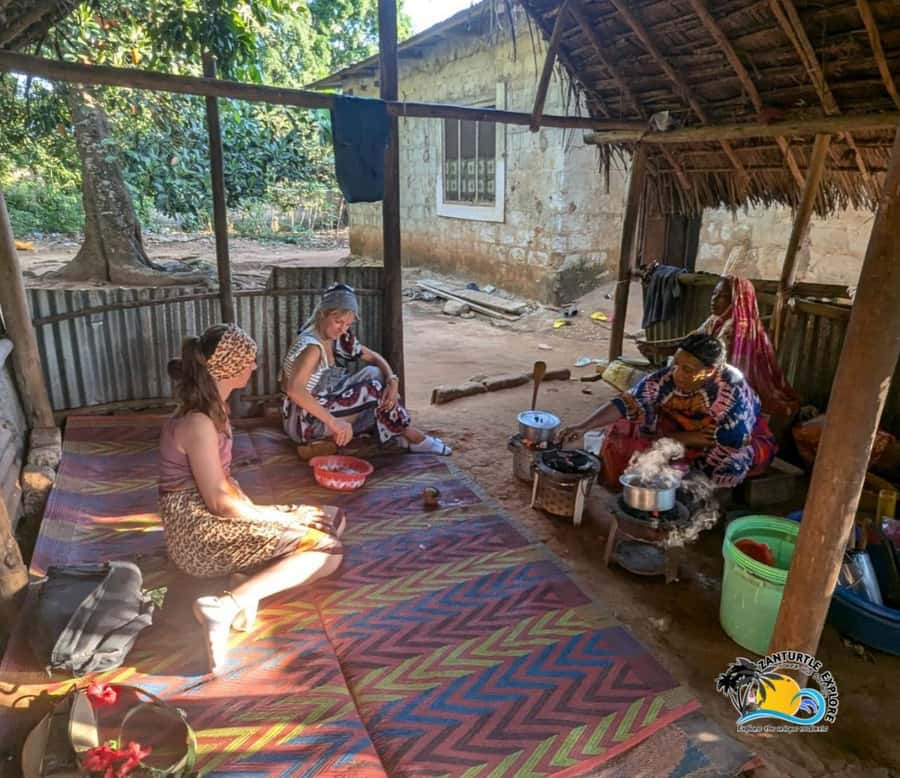
The cooking part is where this tour becomes more than a farm walk. Ingredients are prepared through a workshop setting with authentic items already bought locally. Then a local woman acts as the chef for your cooking training, and you’ll get instructions on how to use the materials properly.
This is the moment where you’ll actually participate. In a small-group feel (which has happened for recent guests), you may be given tasks like chopping, cutting, or preparing ingredients while the chef explains what matters. If you’re comfortable in a hands-on setting, it’s genuinely satisfying because your meal comes from your own work, not just from a finished plate.
What I’d Pay Attention To During the Class
- Ask the chef to explain the role of each ingredient as it goes in. The best moments usually happen while you’re cooking, not after.
- If you want a lasting souvenir beyond photos, request a recipe style summary at the end. One guest specifically mentioned that a recipe would have been helpful, and that’s good advice for you too.
- Listen while the chef chats with you during cooking and while you eat. That conversation time is where cultural detail shows up naturally.
Coconut Milk: Sometimes You Help Make It
One recent guest’s experience included making coconut milk as part of the cooking. The tour data also emphasizes using proper local ingredients and materials during training, so if coconut milk is on the menu that day, it’s worth paying attention—making it (or seeing the process closely) is a big step up from simply eating a prepared sauce.
Sitting Down to Eat: Swahili Cuisine, Not a Quick Snack
When the meal is ready, you and your chef can enjoy a relaxed chat while eating the flavors of Swahili cuisine. This matters more than people think. A rushed meal can make a good activity feel like a checklist. Here, the cooking and the eating are linked, so the day has a natural arc: farm knowledge, then food reality.
The food experience is also part of the “value” equation. You’re not paying mainly for a photo shoot. You’re paying for the guided farm learning plus the cooking class plus a shared meal afterward.
Price and Value: Is $47 a Fair Deal?
At $47 per person for about a half-day, this tour is priced like a solid cultural experience rather than a bargain bus trip. And the included parts help justify the cost:
- Pickup and drop-off transport around Stone Town hotels
- Entrance fees
- Tour guide
- Bottled water
What’s not included is “personal needs,” which usually means snacks, extra drinks, and whatever shopping you choose to do. If you want to buy spices on-site, you’ll want to bring cash—and yes, bargaining can be part of the experience. One recent guest noted that you should negotiate well when purchasing spices on location.
The real value here isn’t just the quantity of spices named. It’s the combination: you learn how spices grow and harvest, you see specific plants including the coconut climber, and you cook a Swahili meal using local workshop materials. If you like hands-on learning and you’re hungry at the end, it’s a strong use of your time in Zanzibar.
When Timing Slips: Planning for a Shorter Farm Day
Be aware of scheduling reality. The tour is listed as 6 hours, but at least one recent session dropped to about 3.5 hours and still included the cooking and farm guidance. That doesn’t automatically mean it was worse—it often just means the pace was tighter and the group smaller.
Also, one guest mentioned the provider was flexible about the start time. So if your day has a hard-to-move activity in Stone Town, you may have options—just communicate early.
My practical advice: treat the day like a half-day block with buffer time. Keep your Stone Town evening open and plan dinner a little later rather than at the exact minute you think you’ll be back.
Tips to Make This Day Smoother (and More Fun)
If you want this to feel easy from start to finish, these small choices help a lot:
Wear comfortable shoes. You’ll be walking around the farm, and good footing matters on rural paths.
Bring cash. You may want to buy spices at the farm. One guest also highlighted the importance of negotiating.
Skip alcohol and drugs. Alcohol is listed as not allowed, so plan accordingly.
Go in hungry but not reckless. You’ll eat after the cooking, so you don’t need a big pre-meal. Still, bring water instincts with you—bottled water is included, but it never hurts to sip.
Ask for the cooking logic. Instead of only asking what an ingredient is, ask what it does in the dish. That’s how you learn quickly and actually remember it later.
Should You Book This Spice Farm Tour?
I’d book it if you want a Zanzibar experience with three parts: real farm learning, specific plant viewing, and a hands-on Swahili cooking class that ends with a meal. This is a good choice for couples, solo travelers, and anyone who prefers small-group, family-run energy over crowds.
I would think twice if you’re trying to fit it into an ultra-tight schedule where every minute must be exact. Since the day can run shorter than advertised, you’ll be happier if you build a cushion into your Stone Town plans.
If you’re already in Stone Town and you want a “Spice Island” day that’s more than souvenirs, this is one of the best ways to turn your time into knowledge you can taste.
FAQ
Where does the tour start?
Pickup is available from Stone Town hotels. The tour also returns you back to Stone Town.
How long is the experience?
The duration is listed as 6 hours, but in practice it can run shorter.
What’s included in the price?
Included are transport (pickup and drop-off around Stone Town hotels), entrance fees, a tour guide, and bottled water.
Are meals included?
Yes. You’ll cook during the workshop and then share the meal once it’s ready.
Which languages is the tour guide available in?
The live tour guide is available in English, French, Italian, and German.
Do I need to bring cash?
Yes. Cash is recommended, especially if you want to purchase spices on-site.
What should I wear?
Bring comfortable shoes, since you’ll be walking around the farm.
Is alcohol allowed?
No. Alcohol and drugs are not allowed.
What is the cancellation policy?
Free cancellation is available up to 24 hours in advance for a full refund.