REVIEW · ZANZIBAR CITY
Zanzibar: Spice Farm Tour and Cooking Class with Lunch
Book on GetYourGuide →Operated by Zanturtle Explore Tours and Safaris · Bookable on GetYourGuide
Spices you can pick and taste. This Zanzibar day trip mixes a guided spice farm walk with an outdoor Swahili cooking class, so you’re using your senses, not just listening. I especially like the way you harvest ingredients and then turn them into lunch. One thing to keep in mind: the day can include extra cash requests for tips, which can slightly change the feel if you’re not expecting it.
You’ll spend about 5 hours total, with hotel pickup and drop-off by van, plus time at Jambo Spice Farm Dole for walking, cooking, eating, and shopping. You’ll get to see plants growing where they’re normally just sold as packets, and you may even meet guides who run the experience with personality, like Mateo in one group I read about. If you want a super formal, classroom-style class with strict technique drills, this can feel more like cooking with locals than a step-by-step workshop.
In This Review
- Key points to know before you go
- Why this Zanzibar spice farm tour feels different
- Getting to Jambo Spice Farm Dole: pickup, van ride, and pacing
- The spice farm walk: smelling, touching, and learning the real flavors
- The cooking class: from farm ingredients to a Swahili 3-course meal
- Fruit tasting, palm-leaf accessories, and the little farm surprises
- Price and shopping reality check (and why tips come up)
- What’s included (and what you should plan to pay for)
- Who this Zanzibar cooking class is best for
- Final call: should you book it?
- FAQ
- Where is this tour based?
- How long does the experience take?
- What does the tour include for the meal?
- Do I get to cook, or is it mostly watching?
- What can I expect during the spice farm walk?
- Do they provide fruits and drinks?
- What should I bring with me?
- Is hotel pickup and drop-off included?
- Is tipping included in the price?
Key points to know before you go
- Harvest-and-cook format: pick ingredients, then cook them into lunch
- Sense-first spice tour: smell, touch, and learn what spices do in Zanzibar cooking
- 3 courses plus dessert: you’re eating what you help prepare
- Tree-climbing moments: coconut and spice trees can be part of the show
- Built-in fruit tastings: pineapple, bananas, oranges, and watermelon are mentioned
- Cash may matter: some people reported tip requests during the day
Why this Zanzibar spice farm tour feels different
A spice farm tour in Zanzibar isn’t really about souvenirs. It’s about grounding your understanding in what grows there and why locals use it every day. The best part here is that you don’t just learn spice names; you learn what they smell like, what the leaves or bark feel like, and how those flavors fit into a Swahili meal.
I also like that the cooking part connects directly to the farm. By the time you’re back at the cooking area, you’ve already seen ingredients in their natural place. That makes the meal more satisfying, because you can mentally link the dish on your plate to the plant you handled earlier.
The one caution I’d give you up front is practical: the experience can veer into selling if you’re not paying attention. There’s shopping time, and some people feel spice prices can be steep. There’s also the small reality that you may be asked for tips along the way, so bring cash so you’re not stuck improvising.
Getting to Jambo Spice Farm Dole: pickup, van ride, and pacing
This is a 5-hour, hotel-based outing, not a quick street stop. Pickup is offered from several areas around Unguja, including Stone Town and Unguja South, and the van ride is about an hour each way. That means you’ll spend real time moving, so it’s a good fit for days when you don’t want to cram in extra tours.
Once you’re picked up, the pacing is steady and relaxed. You’ll reach the farm, get a break, and then start with a guided visit and walking time. The day is designed to keep you active: walk through villages and plantations, harvest ingredients, then return for cooking and eating.
If you’re prone to getting hangry, this matters. The schedule includes time for lunch at the farm, and the meal is the result of what you prepare with the chef. Still, the van rides and sun exposure can feel long if you’re not used to Zanzibar heat, so your best move is to wear comfortable shoes and plan for a hat and sunscreen.
The spice farm walk: smelling, touching, and learning the real flavors
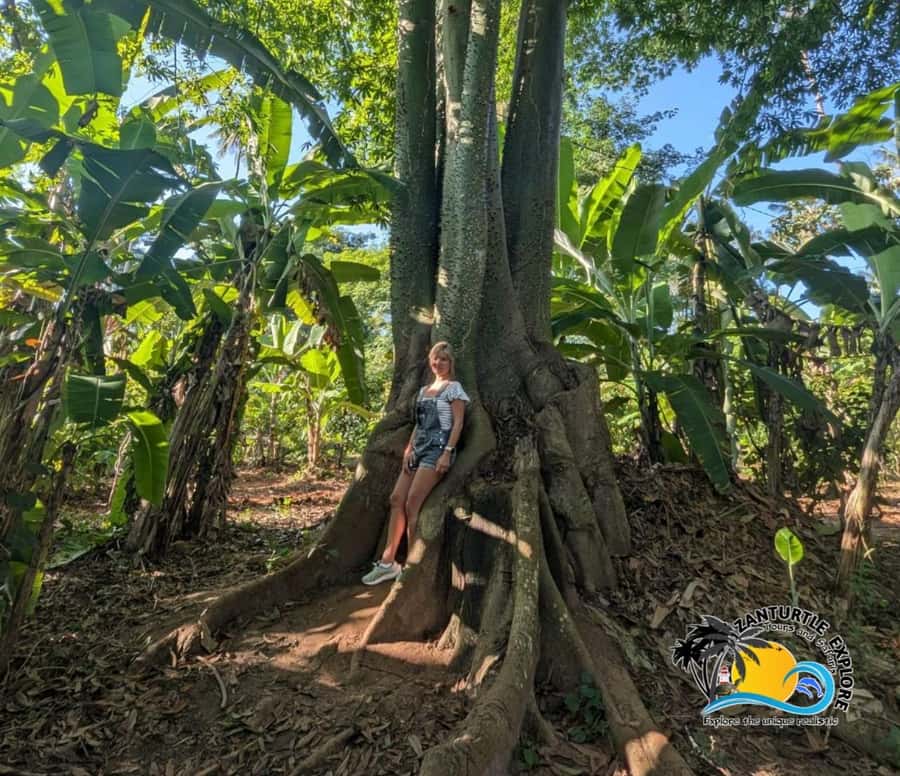
The heart of the experience is the guided walking tour through the village edges and spice plantations at Jambo Spice Farm Dole. This is where you’re meant to slow down and use your senses. You’re guided through plants you may recognize from cooking back home, and you learn their traditional uses in Zanzibar food.
You should expect to experience spices as living material, not just dried products. You’ll get chances to taste, smell, and touch spices, including items called out like cloves, cinnamon, ginger, and lemon grass. The experience also includes seeing laborers work the trees and plants—people may climb spice trees and coconut trees, and you may see them search out specific plants and cut different barks.
That tree-climbing detail sounds dramatic, but it’s actually one of the reasons the day feels authentic. It shows that harvesting spices isn’t automatic. It takes timing and knowledge, and it helps explain why these ingredients have real value in the local food system.
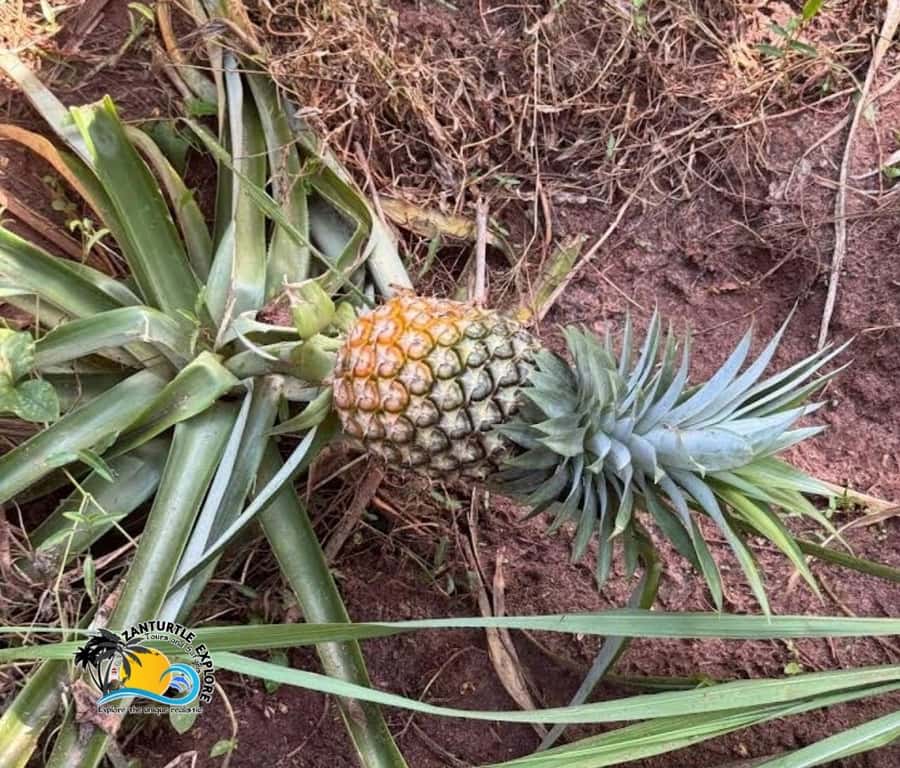
One more sensory detail I liked: you’re not limited to spices. Fruit tasting is built in, so the farm walk becomes a full flavor circuit—spices first, then tropical fruits like pineapple, bananas, oranges, and watermelon (as mentioned in the experience description).
The cooking class: from farm ingredients to a Swahili 3-course meal
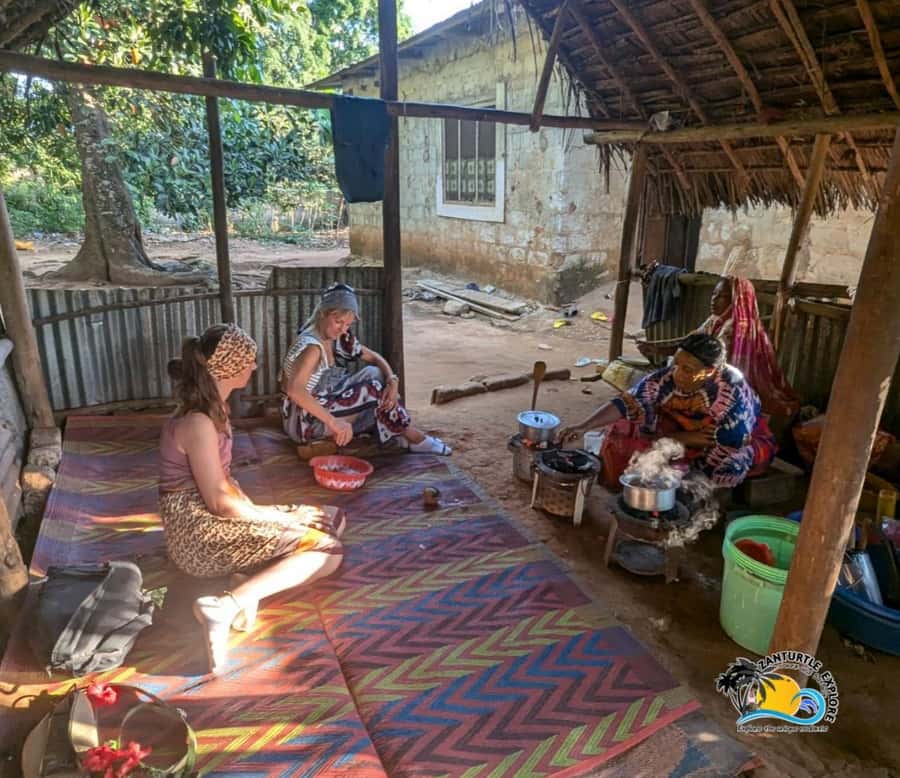
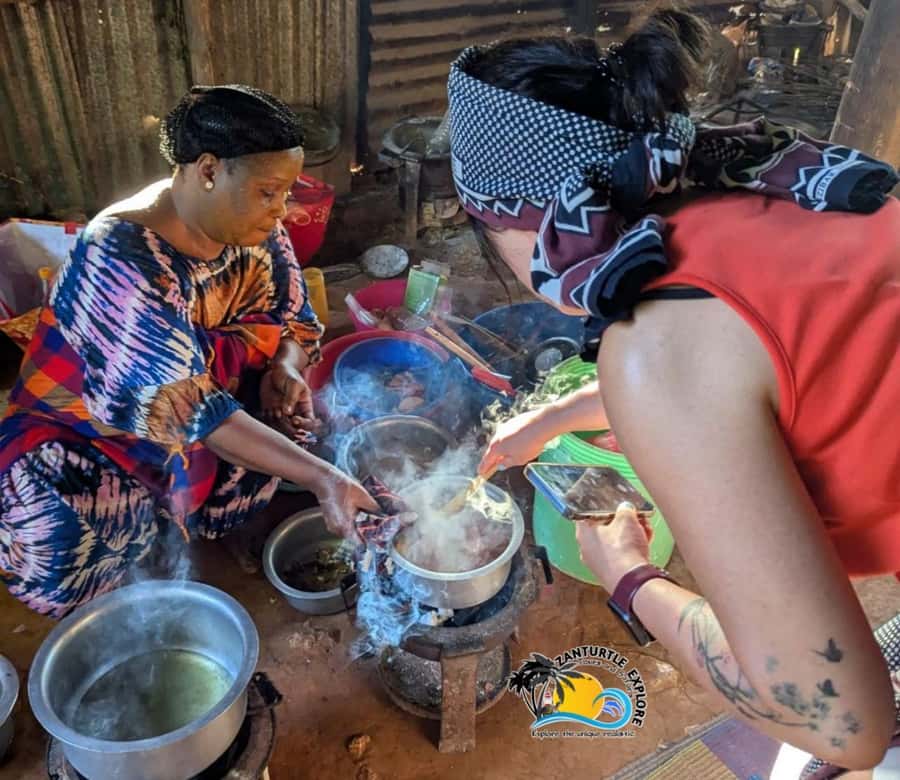
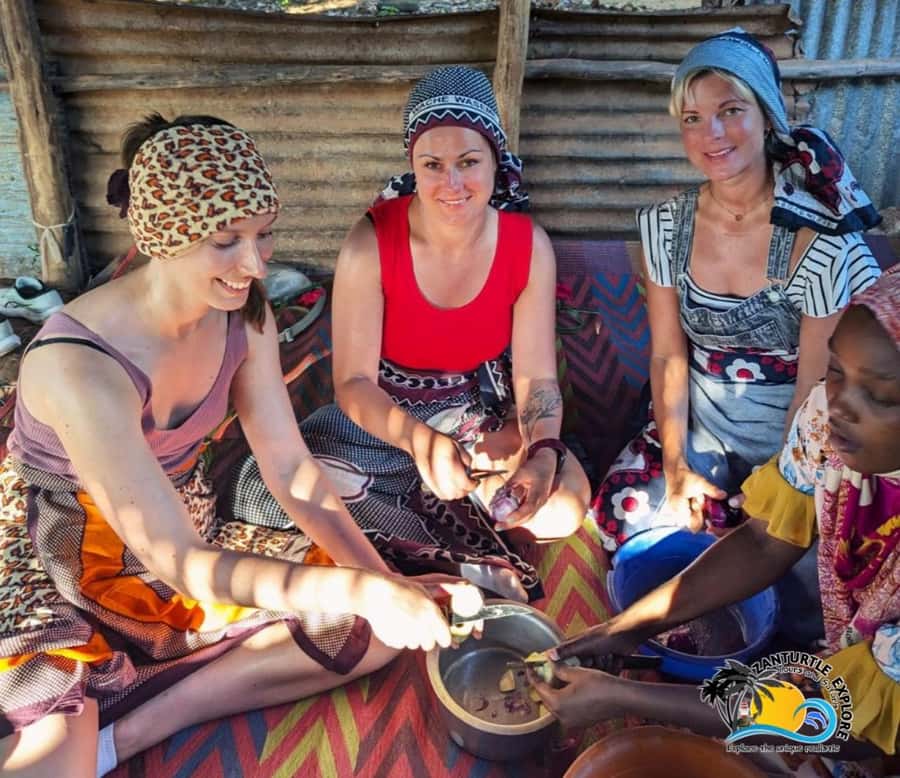
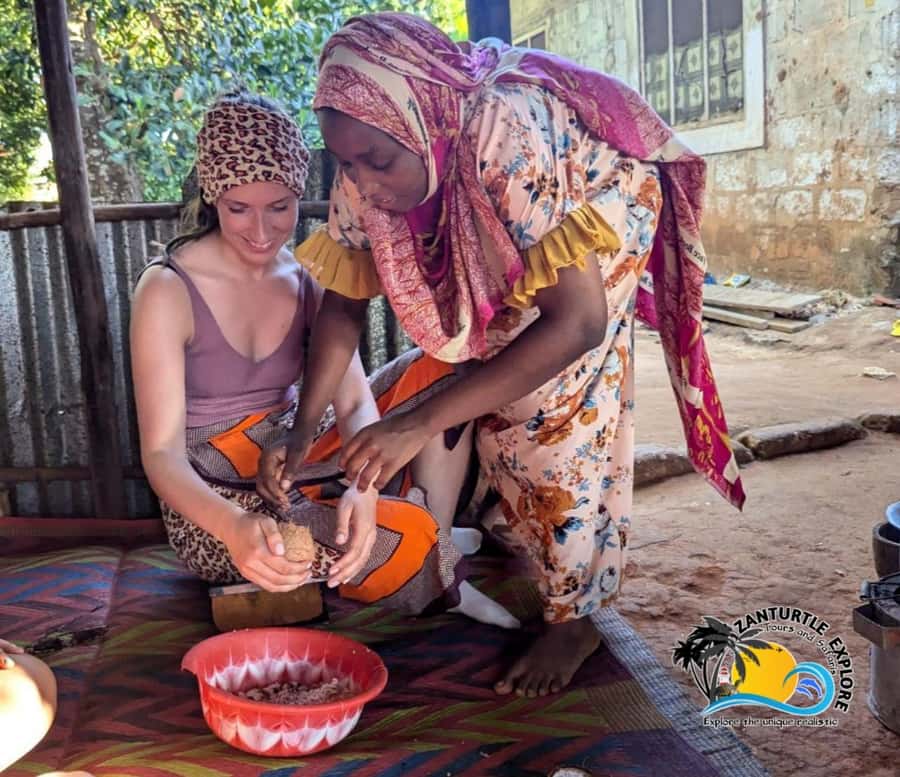
After the walk and harvesting, you return to the cooking area to cook together with a local chef. The cooking time is structured as a class segment where you prepare ingredients, then cook the dishes as a group. Some people describe it as very hands-on and outdoor-focused—think open fire and cooking in the open air—so dress for heat and bring shoes you can stand in.
The goal is a traditional Swahili meal with multiple courses. You prepare what’s described as a 3-course menu plus dessert. That matters for value: you’re not just tasting a sample. You’re doing enough work to understand the flavors, then eating the final result.
Now, about expectations. This isn’t portrayed as a strict culinary academy. In one account I read, the cooking instruction felt lighter—more mixing, chopping, and assisting than deep technique coaching. If you want a more instructional class where you practice every step of a recipe, you might find the pace more casual.
Still, this is the kind of class where questions make sense. If you wonder what lemon grass does in a dish, or why certain spices pair together, this is the right moment to ask. The chef and culinary guide are there to connect the plant you saw to the food you’re cooking.
If your guide is Mateo, one group I saw described a playful spice-guessing portion that made the farm part more interactive before the cooking begins. Even if you don’t get the same personality, expect interaction rather than passive watching.
Fruit tasting, palm-leaf accessories, and the little farm surprises
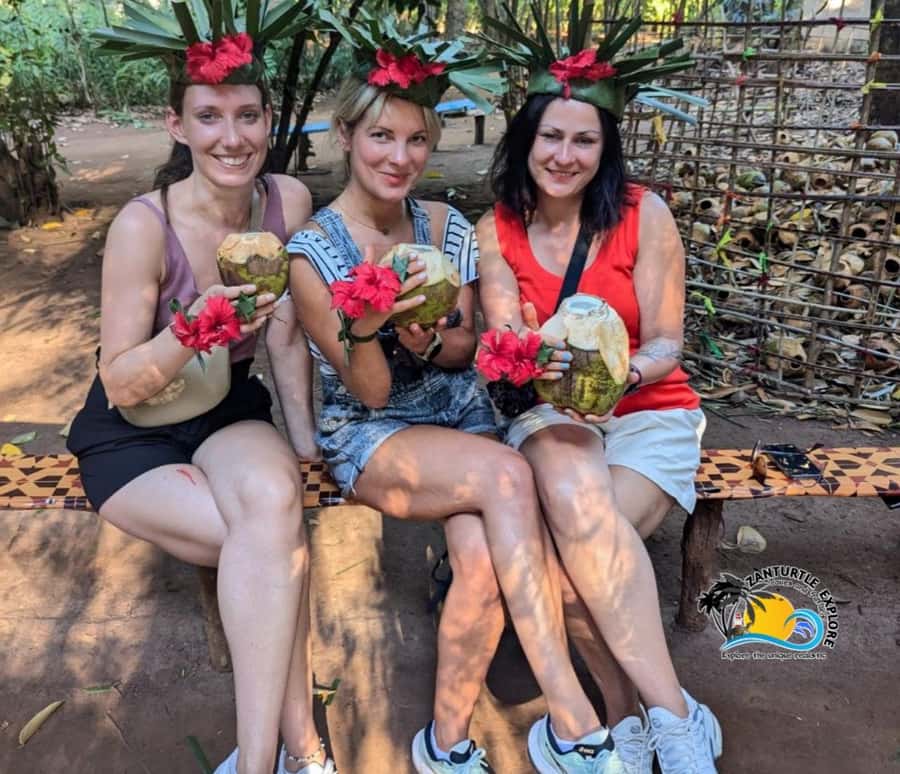
A big part of the emotional payoff on this tour is how many small moments stack up. One minute you’re identifying plants; the next you’re tasting tropical fruit; then you’re watching how a person handles a tree for harvesting. That flow keeps the day from becoming repetitive.
The experience description explicitly calls out fruit tasting such as pineapple, bananas, oranges, and watermelon. You may also encounter more unusual varieties like red bananas and small mangoes (mentioned in one account). For me, that’s where you can learn without trying—your palate starts building a mental map of what Zanzibar grows and how it tastes when fresh.
Another layer is the cultural touches. The day includes palm-leaf accessories such as ties, rings, armbands, and glasses. That’s not just for photos. It’s a way to add a playful, participatory feel to the farm visit, and it gives the day texture beyond eating.
You may also see demonstrations that feel like local craft or entertainment. One group mentioned butterfly men in action and having crowns made for them. Those elements can be dependent on timing and who’s around, so don’t treat them as guaranteed. But they’re part of the atmosphere you can expect to encounter during the farm walk.
Price and shopping reality check (and why tips come up)
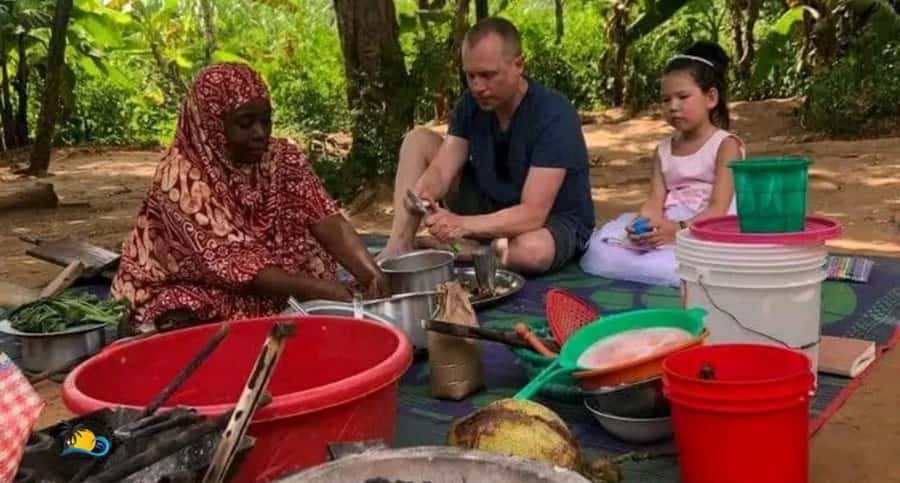
The price listed is $63 per person for about 5 hours, including hotel pickup and drop-off, a guided spice walk, a cooking class with a local chef, and a meal (3 courses plus dessert). For Zanzibar, that’s often a fair deal because you’re getting transportation, multiple guided elements, and food you actively participate in.
But here’s the practical side: the day can include multiple “cash moments.” The experience includes shopping time for spices, and at least some people reported that tips were requested throughout the day. One traveler specifically advised bringing cash for tipping because they didn’t have much on hand.
So how do you protect your budget and avoid unpleasant surprises? Two ways:
- Bring some cash in small bills. It helps when people ask.
- Go into shopping time with a comparison mindset. Some people felt spice prices were tourist-marked up, while others said they found better rates than at the Stone Town market. Either way, ask what the price is before you commit.
Also note the day includes soft drinks and fruits, and lunch is included as the dishes prepared during the class. That’s a good chunk of what you’d otherwise pay for separately.
What’s included (and what you should plan to pay for)
Included elements are solid and directly tied to the experience:
- Hotel pickup and drop-off
- Guided walking tour through spice plantations
- Cooking class with a local chef
- Ingredients and equipment for cooking
- Soft drinks and fruits
- Lunch of the dishes you prepare
- Time for sensory spice tasting (taste, smell, touch)
Not included is personal spending, which typically means souvenirs, extra drinks beyond what’s included, and anything you choose to buy during shopping time.
As for what to bring, the basics are clear: comfortable shoes, a hat, sunscreen, a camera, and cash. Alcohol and drugs aren’t allowed, and pets aren’t allowed either.
Who this Zanzibar cooking class is best for
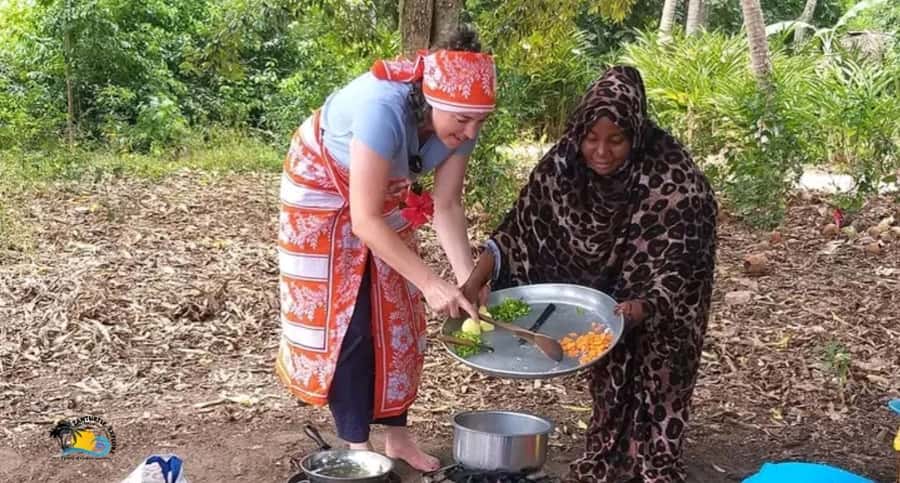
This is a great fit if you want hands-on cultural food without making it complicated. You’ll like it if you enjoy learning by doing—walking, harvesting, smelling, touching, then cooking.
It’s also a good option if you’re traveling as a couple or in a small private group and want a more personal pace than a big bus tour. The experience is listed as a private group, and guides can speak several languages, including English, Italian, French, German, Portuguese, Spanish, Polish, Arabic, Swahili, Czech, Russian, and Romanian. That language list matters if you’re choosing the comfort of a guide you can follow.
If you’re traveling with kids, this might be fun for the sensory nature of fruit and spice tasting, plus the tree-climbing visuals and palm-leaf accessories. Just keep in mind it’s sun-heavy and includes walking and standing for parts of the day.
If you’re picky about cooking instruction style, go with realistic expectations. This is a cooking experience anchored to a farm visit, not a full-on culinary boot camp.
Final call: should you book it?
I’d book it if you want an active, flavor-focused half day in Zanzibar: spice plants in the real world, fruit tastings, and a meal you help cook. The $63 price works best when you value the whole package—transport, guide-led farm time, and lunch that’s part of the class.
I’d think twice if you hate tip pressure, don’t want any shopping time, or want a strict, technique-heavy class. Also, if you’re sensitive to timing and want everything perfectly clocked, keep a little buffer in your day. A couple of accounts described pickup delays or communication issues, even though the return timing was sometimes fine.
If you go in prepared—with cash for unexpected requests, a hat for sun, and an open mind—you’ll probably leave with more than a photo. You’ll leave with a food memory that actually makes sense.
FAQ
Where is this tour based?
It takes place in Zanzibar, specifically in the Unguja South Region, with the farm experience at Jambo Spice Farm Dole.
How long does the experience take?
The total duration is listed as 5 hours.
What does the tour include for the meal?
You prepare a meal with a local chef and it’s described as a 3-course meal plus dessert, with lunch included.
Do I get to cook, or is it mostly watching?
You’ll cook together with the chef. The day includes preparing ingredients and cooking as a group, not only watching.
What can I expect during the spice farm walk?
You’ll do a guided walking tour through village areas and spice plantations, with opportunities to taste, smell, and touch spices and see how plants are harvested.
Do they provide fruits and drinks?
Soft drinks and fruits are included, and fruit tasting is part of the farm experience.
What should I bring with me?
Bring comfortable shoes, a hat, a camera, sunscreen, and cash.
Is hotel pickup and drop-off included?
Yes. Pickup and drop-off are included, and the guide will meet you in your hotel lobby or reception area.
Is tipping included in the price?
The tour data lists what’s included, but it does not explicitly say tipping is included. Some people reported being asked for tips during the day, so it’s smart to have cash.