REVIEW · ZANZIBAR CITY
Spice tour and cooking class (local food)
Book on Viator →Operated by Nungwi adventures and safari · Bookable on Viator
A spice-farm day beats another beach day. This Zanzibar City experience in Nungwi mixes a hands-on spice tour with a cooking class where you choose ingredients and cook local food using traditional methods.
I especially like that you’re not stuck watching. You walk the farm, learn what’s growing, then you actively take part in making the dishes—ending with a shared meal you prepared.
One thing to consider: the experience depends on good weather, since there’s walking around the farm, so build in flexibility for a weather change.
In This Review
- Key things I’d center in your plan
- Spice farm walk-through: smell first, learn as you go
- Picking ingredients at the spice market (so you cook with intention)
- The cooking lesson: spice rice with coconut sauce, taught live
- Eating together on the porch: where it feels truly local
- Zanzibar timing: how the 8 hours usually play out
- Price and value: $155 for a group up to 2
- Who should book this (and who might not love it)
- Pairing it with Stone Town days: plan the whole week
- Should you book this Zanzibar spice tour and cooking class?
- FAQ
- Where does this experience take place?
- How long is the spice tour and cooking class?
- Is this a private experience?
- How many people can be in the group?
- Do I get pickup, and will I have a ticket?
- What do we actually do during the cooking class?
- How much does it cost?
- What happens if weather is poor?
- What is the cancellation policy?
Key things I’d center in your plan
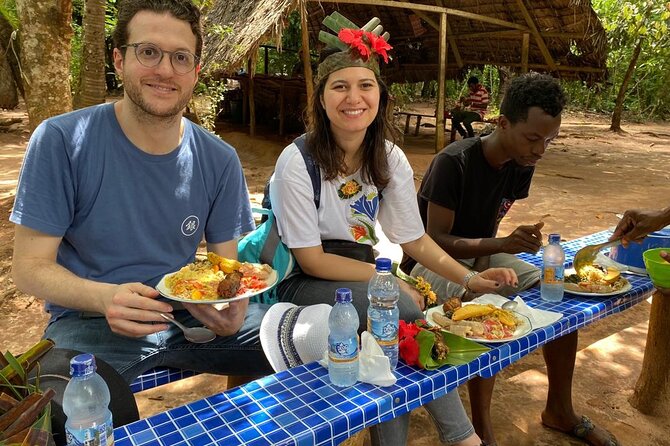
- Private group up to 2 means it feels like your day, not a cattle-drive tour.
- Ingredient picking at a spice market makes the cooking class feel personal, not scripted.
- Traditional methods taught with an interpreter keeps things clear even when you’re hearing local terms.
- Cooking in a home-style setting (often on a porch) is where the “real” feeling kicks in.
- Surprising plant variety comes up fast, including banana varieties.
- You eat your own work at the end, which turns restaurant fatigue into a win.
Spice farm walk-through: smell first, learn as you go
The day starts with the spice-farm arrival and a walking tour of the plants—simple in structure, but effective. You’re moving through the farm and getting the basics of how spices grow, not just reading a label. Expect to notice that many spice plants look ordinary up close, until you smell or taste the part you’re learning about.
This is where the whole experience builds momentum. Instead of jumping straight to cooking, you get context: what the spice is, what it’s used for, and why locals care about it. It’s also a good way to slow down. Zanzibar can move fast—this gives you a calmer rhythm.
One practical note: this is outdoors. Even if the walk isn’t long, you’ll want comfy shoes and sun protection. If it’s hot, pace yourself and drink water when you can.
You can also read our reviews of more tours and experiences in Zanzibar City.
Picking ingredients at the spice market (so you cook with intention)
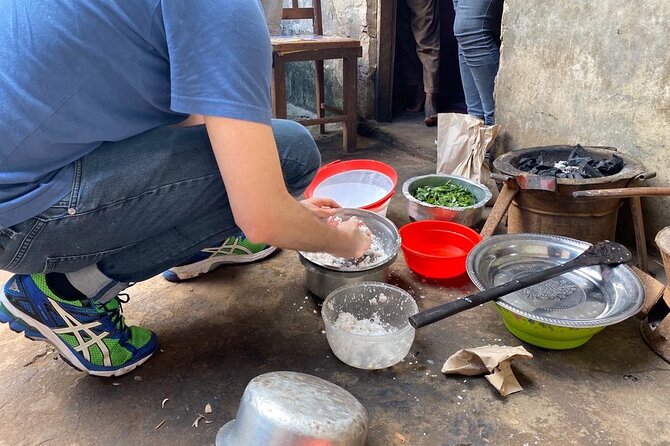
Part of what makes this class feel worth your time is that you’re not just learning recipes. You pick your own ingredients at a local spice market. That step matters because it turns the cooking lesson into your choices—your spice mix, your ingredients, your final plate.
When you choose ingredients yourself, the class sticks better afterward. Later, when you try to recreate the dish at home, you’ll remember what you selected and why you liked it. That’s the difference between a photo-and-forget experience and one that actually changes what you cook.
A fun detail that comes up during farm learning is how many varieties of common crops exist—like bananas. You may hear about an impressive number of types, and it’s a reminder that Zanzibar’s spice story isn’t only about “exotic powder.” It’s agriculture, seasons, and everyday plants with big differences.
The cooking lesson: spice rice with coconut sauce, taught live
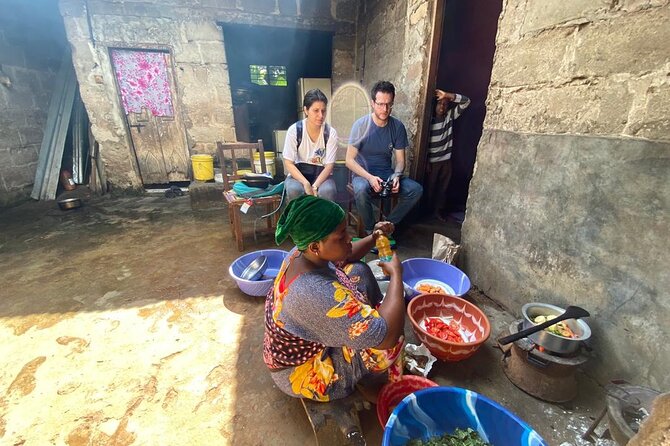
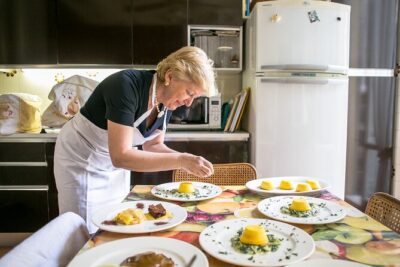
After the farm walk and ingredient selection, it’s time to cook. The class focuses on local dishes and includes a live element—like preparing spice rice with coconut sauce—so you can see how the flavors come together step by step.
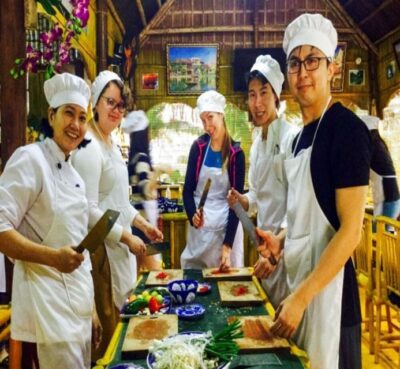
You’ll get instructions while you do the work. That’s key: you’re not just standing by. You’ll be guided through what to prep and how to combine ingredients, and then you’ll get to enjoy the food you made at the end. If you love cooking, this is the part that scratches the itch that restaurant meals can’t. You get process, not only product.
Also, pay attention to the way traditional methods are explained. Many cooking steps aren’t about fancy equipment—they’re about heat control, timing, and using spices in the right way. If you’ve only ever followed Western-style recipes, you’ll likely notice how this approach feels more like building flavor than following strict measurements.
One review detail that stands out: explanations can run with an interpreter, and the teaching is practical. In at least one account, a guide named Sultan was called out for being great. Even if your guide is someone else, the setup is the same—clear directions, local context, and you doing the cooking.
Eating together on the porch: where it feels truly local
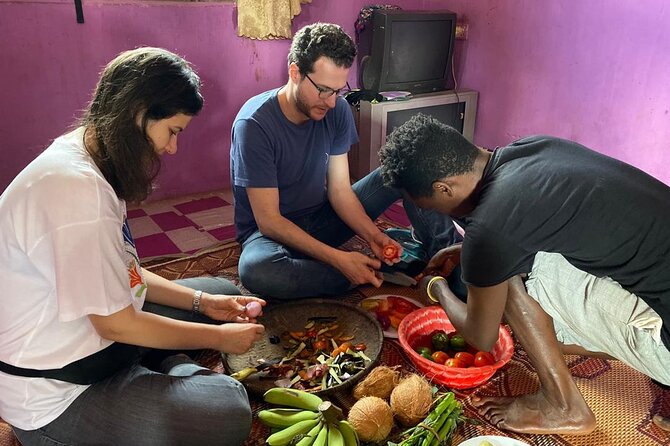
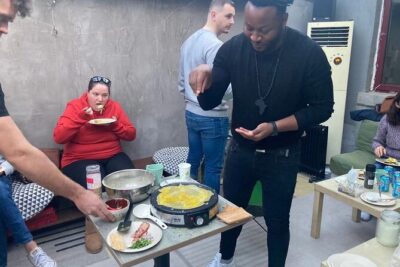
The payoff comes when you sit down and eat what you cooked. And it’s not just the food. The meal is part of the experience format—shared, relaxed, and centered on what you made together.
More than once, people highlight the home-style setting where cooking happens—often in an area like a cook’s front porch. That kind of space changes the feel of the class. You’re not in a demo kitchen with strict rules. You’re in someone’s world where you can ask questions, learn casually, and then enjoy the results.
This is also where the “restaurant fatigue” point lands. After a day of repeating flavors and paying for presentation, it’s refreshing to eat something made with your hands and guided by locals. You leave with food memory, not just spice memory.
Zanzibar timing: how the 8 hours usually play out

The experience runs about 8 hours. With an entire half-day block like this, treat it like a real excursion, not a quick activity.
Here’s the basic flow you should expect:
- you arrive at the spice farm and get a walking tour of the plants
- you join the cooking lesson (with prep steps and instructions)
- you eat the meal you made at the end
The tour may include pickup, which helps you avoid the stress of arranging transport in Nungwi and Zanzibar’s busy areas. Still, plan to be out for most of the day. If you’re scheduling other activities—especially ones with fixed times—keep a cushion.
A smart prep move: wear clothes you don’t mind getting slightly warm or dusty, since farm areas can be uneven and outdoor. Bring something for sun (hat, sunscreen) and keep a small water bottle handy if allowed by your guide.
Price and value: $155 for a group up to 2

At $155 per group (up to 2), this isn’t a budget snack tour. But it can be good value for the kind of experience you’re getting: private, active, and centered on real cooking plus a spice-farm tour.
Here’s how I’d think about it:
- If it’s just you and one other person, the effective cost per person drops.
- You’re paying for your guide time, a private-group setup, and instruction—plus the ingredient selection and end meal.
- You leave with a cooking style you can repeat, which is more practical than a souvenir you can’t use.
Where the value can feel stronger is if you genuinely like cooking or want something more hands-on than a tasting-only tour. If you mostly want a relaxing cultural stroll, you might find a shorter market-and-sampling style tour easier on your schedule. But if you want to learn how the food is built, this class is built for that.
Who should book this (and who might not love it)
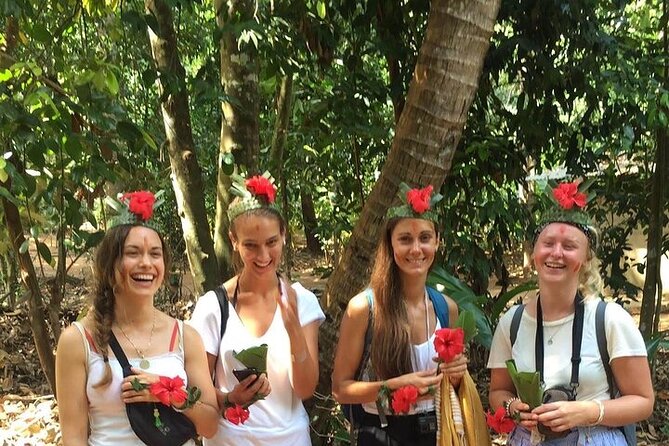
This works especially well for:
- couples who want a private, shared activity
- food lovers who enjoy cooking and want local technique, not just flavors
- travelers who want something different from another beach-and-dinner loop
- anyone who learns better by doing, not only watching
You might want to reconsider if:
- you dislike hands-on cooking and prefer purely observational tours
- you hate time outdoors (even short walks) in warm weather
- you’re looking for a quick stop rather than a full day experience
The good news: even if you’re a beginner in the kitchen, the class is designed around instruction and working through steps together.
Pairing it with Stone Town days: plan the whole week
This activity is based in Nungwi and focused on spices and cooking. That makes it a great anchor day when you’re also spending time in Stone Town.
It’s common to pair spice learning with other Stone Town experiences like visiting Prison Island and wandering the night market. If you’re doing that kind of mix, I’d keep the cooking class as one of your main “hands-on” days and schedule lighter activities around it—your brain will be working in two modes otherwise.
If you want the best flow, consider doing this earlier in your trip. After you learn the spice logic, Stone Town feels easier to connect to—food, markets, and the idea of what you’re seeing starts clicking.
Should you book this Zanzibar spice tour and cooking class?
I’d book it if you want a day that’s practical, not performative. The biggest wins are the private group feel, the chance to pick ingredients, the live cooking of things like spice rice with coconut sauce, and the payoff meal at the end. It’s the kind of experience where you can point to skills you learned, not only scenery you saw.
Skip it only if you’re aiming for a very low-effort activity. This is meant for people who want to participate—walking, choosing ingredients, cooking, and eating what you made.
If you can handle an outdoor start and you want to bring home a style of cooking you can actually repeat, this is one of the better ways to spend a full day in Zanzibar.
FAQ
Where does this experience take place?
It’s in Nungwi, Zanzibar, with the activity based around a spice farm and local spice market experience.
How long is the spice tour and cooking class?
It’s approximately 8 hours.
Is this a private experience?
Yes. It’s private, and only your group will participate.
How many people can be in the group?
The price is per group, up to 2 people.
Do I get pickup, and will I have a ticket?
Pickup is offered, and you’ll receive a mobile ticket.
What do we actually do during the cooking class?
You start with a spice-farm walking tour, then you join a cooking lesson where you prepare local food and a dish like spice rice with coconut sauce. You also get to eat what you make.
How much does it cost?
It costs $155.00 per group (up to 2).
What happens if weather is poor?
This experience requires good weather. If it’s canceled due to poor weather, you’ll be offered a different date or a full refund.
What is the cancellation policy?
Free cancellation is available up to 24 hours in advance for a full refund. If you cancel less than 24 hours before the start time, the amount you paid is not refunded.