REVIEW · ZANZIBAR CITY
Zanzibar Cooking Class [Swahili food test ] and Spice farm Private tour
Book on Viator →Operated by mango travel & tours ltd · Bookable on Viator
Spices here grow under one real sun. This private Zanzibar experience pairs a hands-on Tangawizi Spice Farm visit with Swahili cooking led by Mama Africa, so you’re not just watching spices you’re smelling and tasting them. Two things I really like: the personal, guide-led format and the included lunch at the farm. One thing to plan for: bring cash/shillings for tips and any shop purchases, since cards often aren’t used there.
You start in Zanzibar City around 9:00am with pickup, then spend the morning and early afternoon learning how Zanzibar’s biggest trade grew from the soil to your plate. You’ll get to touch, smell, and taste spices and herbs growing straight from the plants, plus sample fresh tropical fruits along the way. The cooking part is practical, too, with cassava leaf harvesting, coconut milk making, and a cooking session using spices you collect.
If you want a quick, fun way to understand why people call Zanzibar the Spice Islands, this hits the mark. It’s also a good day if you like food that feels local rather than staged for tourists. Just be ready for a warm farm setting and a schedule that stays active for about 5 hours.
In This Review
- Key highlights you can count on
- From 9am pickup to a private day that actually flows
- Tangawizi Spice Farm: the Spice Islands, up close
- What to watch out for at the farm
- Collecting spices and seeing how they become Swahili flavor
- Mama Africa’s Swahili cooking class: cassava leaves to coconut milk
- The coconut tree climber moment
- Lunch at the spice farm: what included meals should do
- The farm shop: how to buy spices that won’t disappoint
- Price and logistics: why $59 can be good value here
- Who this tour suits best in Zanzibar
- Should you book the Tangawizi spice farm + Mama Africa cooking class?
- FAQ
- How long is the Zanzibar Cooking Class with the Swahili food test and spice farm tour?
- What time does the tour start?
- Is pickup included?
- Is this tour private or shared?
- What’s included in the price?
- What is not included?
- Do you get a farm admission ticket?
- Will I be able to taste the spices?
- Will I have time to shop for spices?
- What is the cancellation policy?
- Are service animals allowed?
Key highlights you can count on
- Organic spice farm walk with guided tasting of cloves, nutmeg, cinnamon, black pepper, and more
- Touch, smell, taste directly from plants (plus tropical fruit samples)
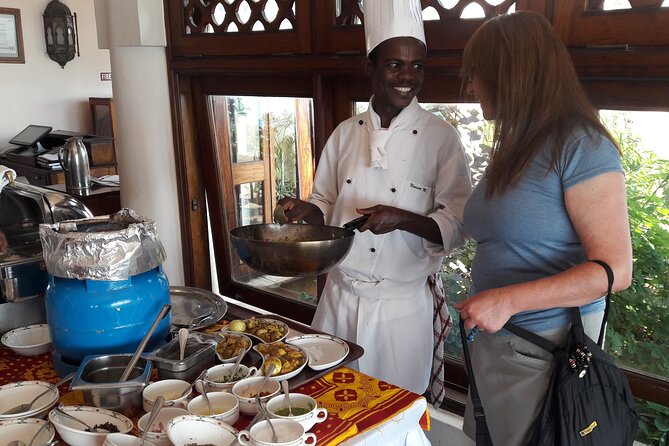
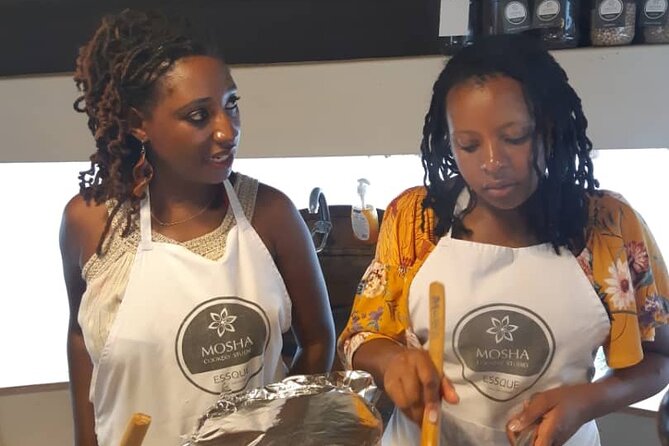
- Mama Africa cooking session using spices you gather yourself
- Cassava leaf harvest + coconut milk making as part of the class flow
- Lunch included at the spice farm, with time to shop afterward
- Private transportation and a mobile ticket to keep the day smooth
From 9am pickup to a private day that actually flows
This runs about 5 hours total, and the timing matters. Starting at 9:00am helps you get through the farm portion earlier, before the heat really takes over your patience. You’ll have private transportation, which means less waiting around and more time experiencing the place instead of negotiating traffic.
Because it’s private, your group stays together the whole time. That makes the lessons feel more personal, especially when you’re asked to try different spice samples and repeat the flavors you just smelled. You also get all fees and taxes included, and lunch is part of the deal.
One practical note: even when the tour cost is set, you’ll likely be adding small extras during the day. Plan on having change in cash so you can tip the guide and anyone helping with the cooking and coconut moments, plus for spice shop purchases.
You can also read our reviews of more tours and experiences in Zanzibar City.

Tangawizi Spice Farm: the Spice Islands, up close
The heart of the experience is the spice farm tour, focused on Zanzibar’s most famous crops and how they’re used. You’re guided through the garden so you understand what each spice plant looks like, how it’s grown, and what it contributes to cooking. You’ll also hear about spices being used as medication and flavor in traditional contexts, which gives you a wider lens than just the kitchen.
What I love about the farm format is the sensory training. You don’t just get a list of spices, you get to touch and smell the herbs and spice plants directly. That changes everything. Clove, for example, doesn’t just sound aromatic on a menu once you smell it coming from the plant itself.
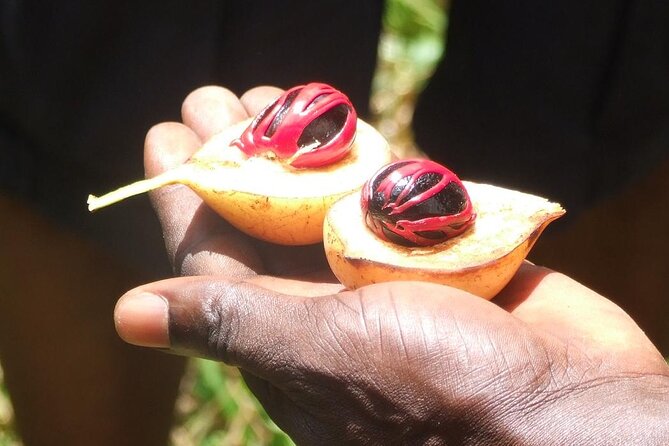
The tasting includes spices like vanilla, cardamom, nutmeg, and more, alongside the big-name island staples such as cloves, cinnamon, and black pepper. You may also see other crops connected to spice-country flavor, including cacao and vanilla in the mix. And as you move through the rows, there are fresh tropical fruits to see and taste, which helps break up the stronger spice notes.
What to watch out for at the farm
Wear shoes you don’t mind getting a little dusty or scuffed. Farm paths can be uneven, and you’ll likely be standing close to plants for smelling and tasting. Also, if you’re the type who gets overwhelmed by strong smells, start with the fruit and lighter aromas first so the whole experience stays fun instead of intense.
Collecting spices and seeing how they become Swahili flavor
By the time you move from the walking tour into the cooking portion, the goal is clear: turn what you smelled into something you can actually recognize on your plate later. On this kind of farm visit, that connection is the value. You leave with a mental map of the flavors, not just photos.
You’ll be able to gather or collect spices during the session, and that becomes part of the cooking flow. That’s a big difference from a typical demo where you only watch. If you like souvenirs that are edible and useful, spices you can identify by sight and scent are a better buy than pre-ground mixes.
The guide also sets context for how spices show up across everyday food. You learn why Zanzibar’s trade shaped what people cook and what people expect from flavor. Even if you’re not cooking when you get home, this helps you make smarter choices when you do see spices sold later.
Mama Africa’s Swahili cooking class: cassava leaves to coconut milk
The second half of the day shifts from farm education to hands-on cooking with Mama Africa. This is where the day becomes more about technique and participation instead of just observation. You’ll join a cassava leaf harvest, which is one of the most memorable parts for food lovers because it connects ingredients to the plant they come from.
After harvesting, you’ll make coconut milk. That matters because coconut milk is a core building block in many Swahili-style dishes, and learning the process gives you a better idea of why it tastes the way it does. Then you practice cooking and mixing Swahili food with the spices you collected earlier.
The setting is part of the charm. One key thing I’d plan for is that the cooking area can feel rustic and local rather than showroom-perfect. If you’re the type who expects everything to look like a brochure, manage that expectation and focus on the learning and food.
The coconut tree climber moment
You’ll also have a chance to taste fresh young coconut fruit, picked by a coconut tree climber. It’s quick, but it adds a lot to the realism of the day. Instead of relying on packaged coconut drinks, you see how fresh fruit can be part of the meal and the hospitality.
Lunch at the spice farm: what included meals should do
Lunch is included, which changes the value math. In many tours, food is an add-on that quietly doubles your real cost. Here, lunch is part of the experience package and keeps the day from turning into constant decision-making.
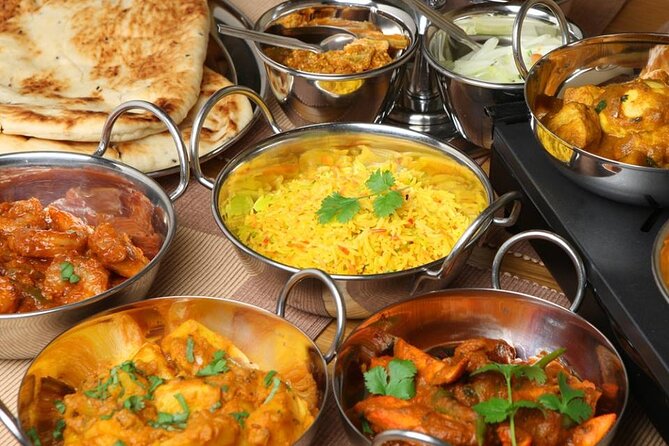
The lunch is positioned as a continuation of what you learned, with flavors tied to the spices and cooking you’ve already started practicing. If you’re learning how spices work, sitting down to eat right after the lesson is the fastest way to lock in the flavors. You’re basically testing your own understanding without needing another class.
The farm shop: how to buy spices that won’t disappoint

At the end, you get the opportunity to purchase spices from the shop. This is where your earlier senses pay off. After smelling and tasting spices straight from plants, you’re more likely to buy the right thing, in the right form, and for the kind of cooking you actually do.
If you buy whole spices, you can use them longer and you’ll get more aroma over time. If you buy powdered spices, smell them before you assume they’re fresh enough, and ask what they’re best used for. The tour’s pacing gives you a natural chance to compare what you tasted earlier with what’s available for sale.
Bring cash for this part. Even when the tour cost is paid, shop purchases and tips are often a cash moment, and you don’t want to scramble at the counter.
Price and logistics: why $59 can be good value here
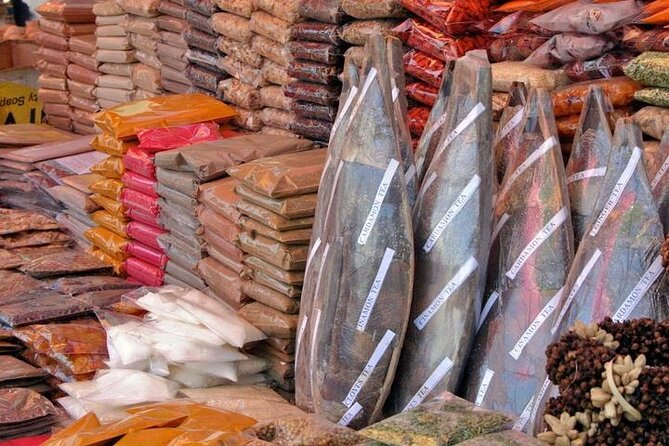
At $59 per person, this is priced like a mid-range food-and-culture tour. The value comes from three places.
First, it’s not just a farm walk. You get a structured day that mixes education with cooking participation: a farm segment of about 3 hours and a cooking segment of about 2 hours. Second, lunch is included, plus private transportation and all fees and taxes. That means less hidden spending and fewer surprises mid-day.
Third, it’s private. With a private tour, you generally get more attention and more time to ask questions, especially during the tasting moments. When you’re learning about spices, that extra time is worth something because the instructions are mostly about smell, touch, and taste.
The one consideration is that the day includes multiple people helping at different stages. Plan for tipping as part of the day budget, and keep enough cash on hand so you’re not stuck figuring it out at the end.
Who this tour suits best in Zanzibar
This is ideal if you want a food-focused Zanzibar day that’s hands-on. You’ll get the most out of it if you like tasting, cooking, and learning where ingredients come from.
It’s also a solid choice for couples or small groups who want a private experience rather than joining a larger group bus. Because the day is structured around your group staying together, it tends to feel calmer than big group tours.
If you’re traveling with kids, the coconut tasting and the harvest parts can make the day feel playful, as long as everyone can handle being outside in the warm farm environment. If you’re older or have mobility limits, you might want to consider the walking and time standing, since the activity is active rather than purely seated.
Should you book the Tangawizi spice farm + Mama Africa cooking class?
Book it if you want a Zanzibar day that teaches you by doing. This is the kind of experience where the spices stop being trivia and start becoming real flavors you can recognize later. The private setup, the included lunch, and the mix of cassava leaf harvesting, coconut milk making, and Swahili cooking make it more complete than a simple photo stop.
Skip it if you want a laid-back sightseeing day only, or if you strongly dislike hands-on cooking steps and tasting activities. Also, if you hate being in the sun for a few hours, you may find the farm segment a lot.
Overall, I think it’s a smart choice for travelers who care about food culture and want value that goes beyond souvenirs. You’ll leave with better spice knowledge and edible takeaways you can use.
FAQ
How long is the Zanzibar Cooking Class with the Swahili food test and spice farm tour?
It runs for about 5 hours total.
What time does the tour start?
The start time is 9:00am.
Is pickup included?
Yes, pickup is offered, and you’ll have private transportation.
Is this tour private or shared?
It’s private. Only your group participates.
What’s included in the price?
Lunch, private transportation, and all fees and taxes are included.
What is not included?
Alcoholic beverages are not included.
Do you get a farm admission ticket?
Yes, admission tickets are included as part of the experience.
Will I be able to taste the spices?
Yes. You’ll touch, smell, and taste spices and herbs directly from plants, and you’ll also see and taste fresh tropical fruits.
Will I have time to shop for spices?
Yes. At the end of the trip, you have the opportunity to purchase spices from the shop.
What is the cancellation policy?
You can cancel for a full refund up to 24 hours before the experience starts.
Are service animals allowed?
Yes, service animals are allowed.
You Might Also Enjoy
 Chiang Mai: Half Day Evening Cooking Class with Market Tour
 Pigs and Rum Cooking Class
 Rockin kitchen : Fresh Pasta lesson with Music Aperitif Dinner
 Xiao Long Bao, Chicken vermicelli with mushroom and sesame oil, Tofu strips salad, Bubble milk tea. Taiwan Traditional Delicacies Experience-A (Taipei Cooking Class)