REVIEW · SA PA
Vietnamese Spring Rolls & Tofu in Tomato Sauce Cooking Class
Book on GetYourGuide →Operated by Saigonese Trekking House · Bookable on GetYourGuide
Fresh spring rolls start with your own hands. This class in northern Vietnam turns two favorite dishes into practical skills you can repeat later, and I love the optional market prep plus the hands-on spring roll wrapping. One thing to consider: the pace and clarity of the English instruction can vary depending on the teacher.
You’ll cook spring rolls (chả nem/chả giò) and tofu simmered in tomato sauce (đậu sốt cà chua) in a warm, welcoming setup with local guidance. It’s a solid choice if you eat vegetarian or just want healthier Vietnamese flavors without guessing what to buy or how to season.
In This Review
- Key things to know before you go
- What this cooking class teaches (beyond just eating)
- Northern Vietnam market-to-cook flow you can actually use
- Spring rolls: building fillings and mastering the wrap
- A small consideration
- Tofu in tomato sauce: comfort food that teaches seasoning
- Plating and eating: how the class turns cooking into a meal
- Price and value: is $25 actually a good deal?
- Who should book this cooking class
- Should you book it?
- FAQ
- What dishes are included in the cooking class?
- Is the tofu dish vegan-friendly?
- Will I get to visit a local market?
- What language is the class taught in?
- How much does the experience cost?
- Where is the class located?
- What is the cancellation policy?
- Is there a reserve & pay later option?
Key things to know before you go
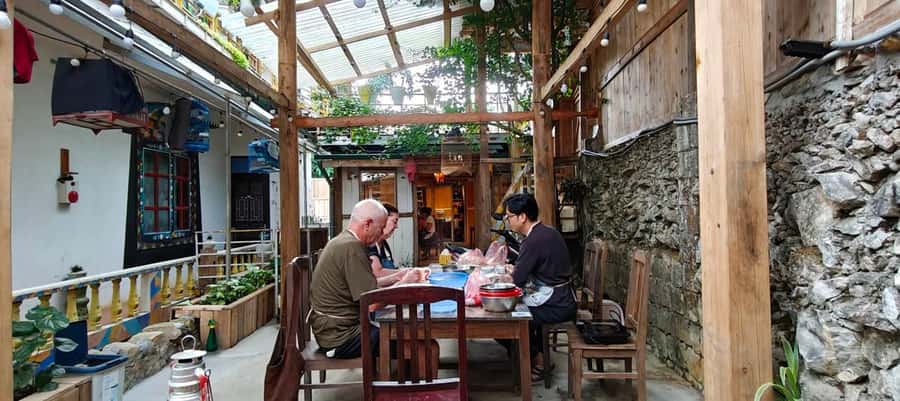
- Optional market stop for real ingredients: You may be able to see and select produce first, then use it in your cooking.
- You practice the wrapper work: Spring roll technique is the whole point, not just eating good food.
- Vegan-friendly tofu dish is the comfort-food star: Tomato sauce + tofu is simple, tangy, and very doable at home.
- Vietnamese home-style flavors, not restaurant shortcuts: Expect classic seasoning and straightforward methods.
- Friendly vibe and staff who handle changes: Many people highlight energetic teaching and good customer service.
What this cooking class teaches (beyond just eating)
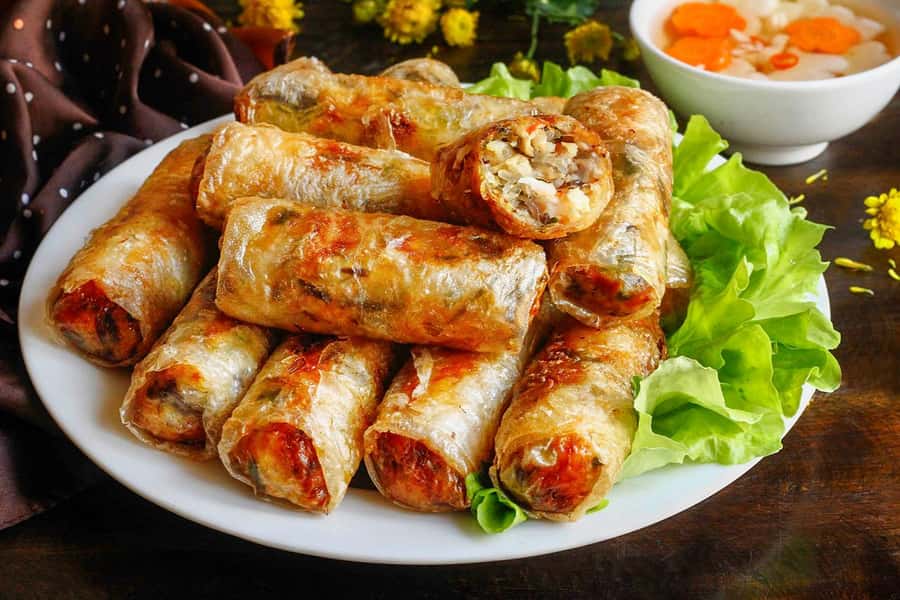
This isn’t a sit-and-watch experience. The whole value is in learning two techniques that show up on Vietnamese family tables all the time: building a spring roll filling and wrapping it well, then simmering tofu until it soaks up flavor from tomato sauce.
The class is designed around real dishes you can recreate without a big equipment list or fancy ingredients. Spring rolls teach structure: how to keep fillings moist, how to distribute ingredients, and how to roll without ripping the wrapper. The tofu dish teaches balance: keeping the sauce tangy without going flat, and letting tofu stay tender instead of turning rubbery.
And because the focus includes vegetarian-friendly choices, you’re not stuck only with meat-heavy versions. Even if some spring-roll fillings are traditionally made with more than vegetables, the overall setup and the tofu dish make it an easy path into Vietnamese flavors that feel light but satisfying.
Northern Vietnam market-to-cook flow you can actually use
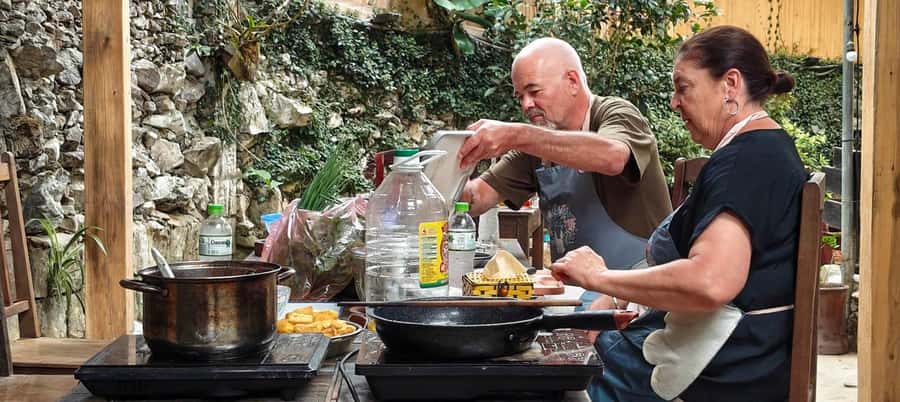
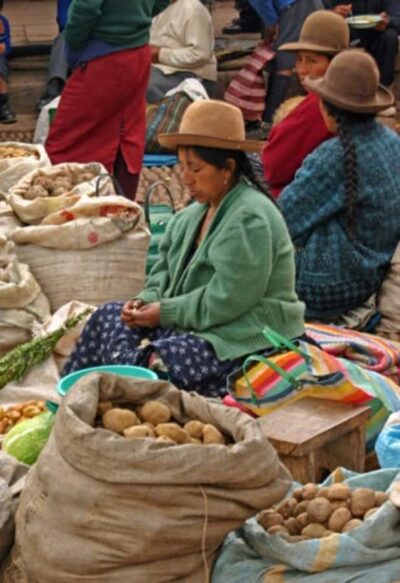
One of the best parts is the option to visit a local market. Even if you already know how to cook, markets are where Vietnamese food becomes specific. You learn which produce looks right, how ingredients are bundled and stored, and what a fresh onion or leafy green should smell like. That matters later when you try to shop at home and wonder why your results feel off.
In this class, that market time (when offered) supports the cooking step. You’re not just browsing. You’re gathering ingredients so the spring roll filling and the tomato sauce tofu can taste like the real thing.
If you care about value, this is where the $25 starts to make more sense. You’re buying more than a meal: you’re buying ingredient context plus hands-on technique. A lot of food experiences can be photographed and forgotten. This one gives you a shopping and cooking reference you’ll reuse.
Spring rolls: building fillings and mastering the wrap
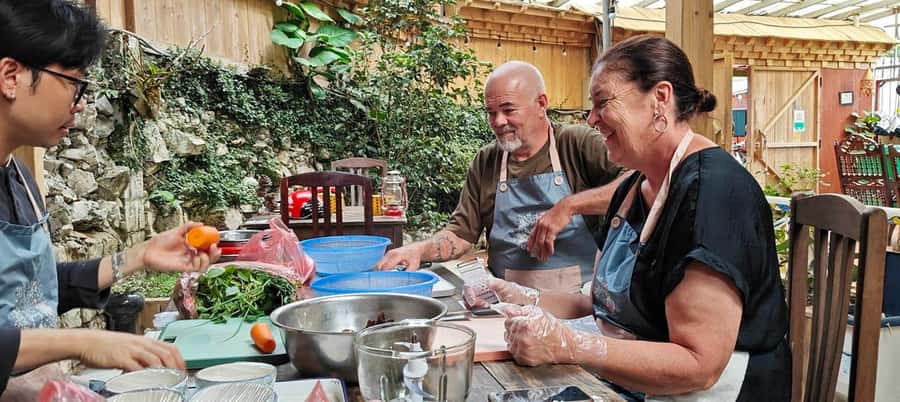
Spring rolls in Vietnam show up in multiple forms, and the class focuses on the classics: chả nem and chả giò. The key is learning how a filling is built. Vietnamese spring rolls can include things like vermicelli noodles, leafy greens, onion, carrot, and bean sprouts, and those components create texture contrast—soft noodles, crunchy veg, and aromatic onion.
Here’s what you’ll get out of the filling lesson, even if you don’t copy the exact ingredients at home:
- You learn proportion: too much filling makes wrapping hard; too little makes the roll fall apart.
- You learn moisture control: vegetables and noodles can turn soggy if you don’t treat them right.
- You learn packing logic: fillings should sit evenly so the roll stays uniform.
Then comes the part most people enjoy and struggle with: the wrap. A spring roll is basically a skill puzzle. Roll too tight and it tears or bursts. Roll too loose and it won’t hold its shape. In a good class, the instructor breaks it into simple steps so you understand what your hands are doing, not just what the finished roll looks like.
In the reviews, the teaching style gets real praise—people mention the teacher as friendly, fun, and energetic. That kind of atmosphere matters here because wrapping is fiddly. You want someone who doesn’t rush you the moment a roll sticks or looks lopsided.
A small consideration
One review notes that English communication may not always be super detailed. If you rely on long explanations, you may need to ask follow-up questions and watch closely for cues. Still, the class is hands-on, so you can learn even if your language support isn’t perfect.
Tofu in tomato sauce: comfort food that teaches seasoning
The second dish is đậu sốt cà chua, described as a comforting vegan option: tofu mixed with tomatoes in a savory, tangy sauce.
This dish is the kind of cooking skill that travels well. You can recreate it with basic pantry staples—tomatoes (fresh or canned), aromatics, and seasonings—plus tofu. The method is straightforward: you simmer tomatoes into a flavorful base, then let tofu take on that sauce. The result is cozy and balanced, not heavy.
What makes this worth your time is that it’s not just a one-note tomato dish. Vietnamese tomato sauces usually aim for a pleasant tang—then rely on aromatics and seasoning depth so it doesn’t taste like plain tomato paste. Learning that balance in class gives you a template. Next time you cook tofu at home, you’ll know how to build a sauce rather than guessing.
It’s also a win for vegetarians because tofu is approachable. You don’t need a long ingredient list, and the dish feels like a real meal, not a side project.
Plating and eating: how the class turns cooking into a meal
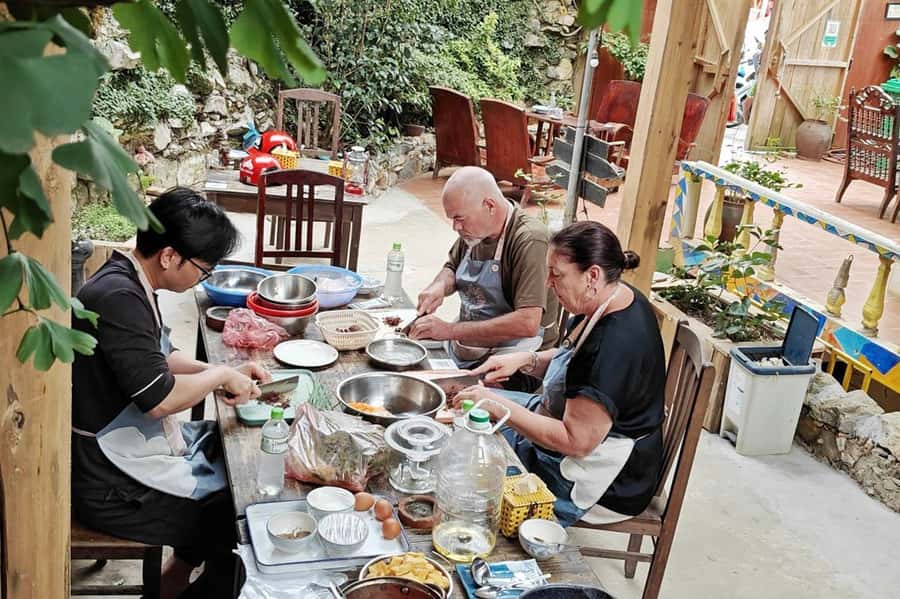
Vietnamese food is often at its best when it’s served simply but thoughtfully. This experience includes help with authentic plating techniques. That matters more than you might think. When you plate, you learn how dishes are meant to be eaten together—textures, temperatures, and sauce coverage.
Even if you’re not a plating pro, the practical takeaway is sensory. You learn what to aim for: rolls that look intact, sauce that clings, tofu that’s tender, and overall balance on the plate so you don’t bite only wrapper or only sauce.
And because the class is small and hands-on, you get more than one outcome. You typically leave with an understanding of what went right and what needed adjustment—so your next attempt has fewer surprises.
The reviews also emphasize that the food tastes really good at the end. That’s not just a nice bonus; it’s confirmation that the techniques you practiced match real Vietnamese flavors.
Price and value: is $25 actually a good deal?
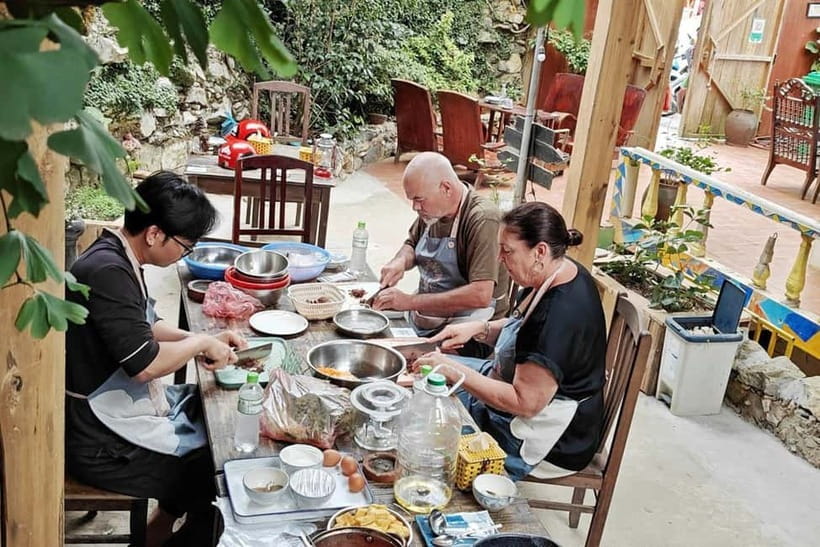
At $25 per person, this class lands in the “reasonable” category, especially if you compare it to paying for a meal and paying for nothing you can repeat later.
Here’s why it’s good value:
- Two dishes are included: spring rolls plus tofu in tomato sauce.
- You’re taught real techniques: wrapping and simmering, not just assembling.
- You may get market ingredient context: that’s time and added meaning, even if it’s optional.
- English support is included: you’re not left alone with hand motions and guesswork.
The only value concern to consider is your personal learning style. If you’re the type who wants lots of theory, you might feel like it’s more skill practice than lecture. But if you want to leave with confidence in Vietnamese cooking steps, this price-to-learning ratio is strong.
Who should book this cooking class
This fits you if:
- You’re traveling as a vegetarian or want more vegetarian-friendly Vietnamese dishes.
- You want hands-on skills you can repeat at home, especially around spring rolls and tofu in tomato sauce.
- You like a class format where you cook with guidance in a friendly atmosphere.
It might not fit perfectly if:
- You need extremely detailed English explanations, word-for-word, and you get frustrated when instruction style varies.
- You want a long, slow, theory-heavy lesson instead of practical technique.
For most food travelers, this is a sweet spot: classic Vietnamese flavors, two learnable dishes, and enough structure to get you confident without needing a culinary background.
Should you book it?
Yes, I’d book it if you want a hands-on Vietnamese cooking experience that teaches two classic dishes—spring rolls and tofu in tomato sauce—plus the practical background behind the flavors.
I’d hesitate only if you know you strongly prefer lots of spoken detail in English. Even then, the wrapping and simmering practice can carry you. And if you’re flexible about the flow, the friendly teaching vibe and the tasty outcome make it an easy choice for a half-day style activity in northern Vietnam.
FAQ
What dishes are included in the cooking class?
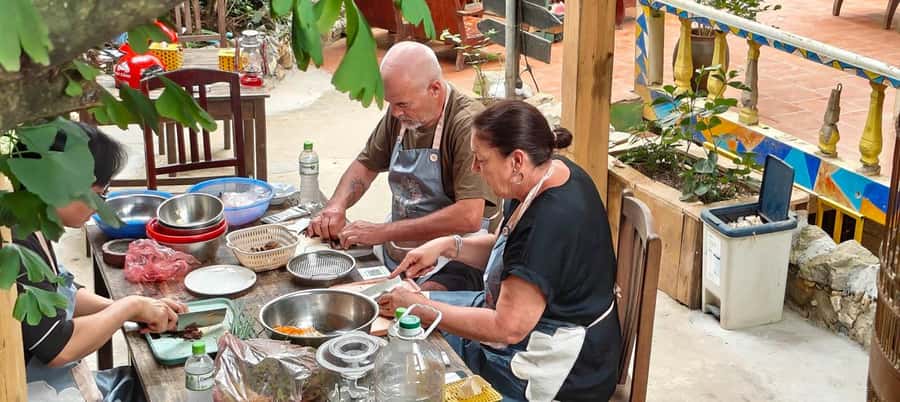
You’ll make two dishes: Vietnamese spring rolls (chả nem/chả giò) and tofu simmered in tomato sauce (đậu sốt cà chua).
Is the tofu dish vegan-friendly?
Yes. The tofu in tomato sauce is described as a comforting vegan dish that is easy to make.
Will I get to visit a local market?
You may have the option to visit a local market to prepare fresh ingredients.
What language is the class taught in?
The class is taught in English.
How much does the experience cost?
The price is $25 per person.
Where is the class located?
The experience is in Northern Vietnam, Vietnam.
What is the cancellation policy?
You can cancel up to 24 hours in advance for a full refund.
Is there a reserve & pay later option?
Yes. You can reserve and pay later, booking your spot without paying anything today.