A hands-on dinner class in Granada beats eating out. I like that you cook real Spanish classics with an instructor and get practical tips, not just a demo. I also like that the recipes are approachable enough that you can likely repeat them at home, using the kind of straightforward ingredients you’ll recognize.
One possible drawback: a couple details can swing depending on the room you’re cooking in, especially around hygiene setup and even the exact start time if something shifts. If that matters to you, go in asking simple questions about where handwashing happens and how raw ingredients are handled.
Plan for about 3 hours, starting at 6:00 pm, and you’ll end back where you began at C. Hospital de Sta. Ana, 12, in Centro. It’s capped at 15 people, and the class runs in English.
In This Review
- Key things I’d circle before you book
- Why this Spanish cooking class in Granada is more than a meal
- The 6:00 pm timing and what you’ll do during the 3 hours
- What you’ll cook: salmorejo, paella, tortilla, and crème catalana
- Salmorejo: cold, creamy, and built for the warm weather—and beyond
- Paella: learning the “rice logic,” not just the ingredients
- Potato omelette (tortilla de patatas): simple ingredients, serious results
- Crème catalana: the dessert with texture and contrast
- The refreshing drink: sangria-style fun
- Instructor coaching: turning steps into real skills
- Price and value: what $89.36 buys you (and what it doesn’t)
- Small-group reality: near public transit and easy-to-follow flow
- Common bumps to watch for: start time and kitchen setup
- Who should book this Spanish cooking class in Granada
- Should you book Alhambra Cooking’s Spanish cooking class?
- FAQ
- How long is the Spanish cooking class in Granada?
- What time does the class start?
- Where is the meeting point?
- What dishes are included in the class menu?
- Is the class offered in English?
- Is dinner included?
- What’s included in the price?
- What is not included?
- How large are the groups?
- What’s the cancellation policy?
Key things I’d circle before you book
- You’ll learn the Spanish “main characters”: salmorejo, paella, potato omelette, and crème catalana (plus a refreshing drink like sangria).
- Small group size (max 15) makes it easier to ask questions and get help while you cook.
- Instructor energy matters: names you may meet include Tommaso and Guillermo, both praised for teaching and keeping things friendly.
- Hands-on pace: you’ll do the work, and you can generally control how much you want to handle.
- Variations can show up: one class included a winter version of gazpacho, so expect some seasonal tweaks.
Why this Spanish cooking class in Granada is more than a meal
A restaurant can feed you. This experience feeds you, then teaches you how to do the same thing again later. That’s the difference.
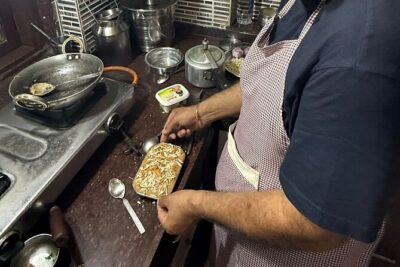
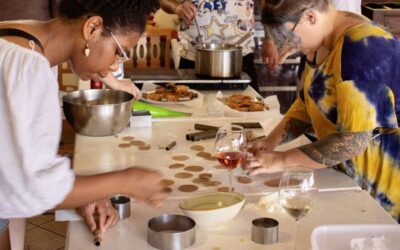
You start learning representative Spanish recipes and technique-style advice from a qualified cooking instructor. The class is designed for real cooking skills: how to build flavor, how to time steps, and how to not overthink it when you’re in a home-kitchen rhythm. In other words, you’re not just watching food happen—you’re making it happen.
And because it’s in Granada, the dishes feel like part of the local food culture instead of a “tourist-only” menu. You’re working on dishes Spaniards actually make at home: cold tomato-based starters, egg-and-potato comfort food, rice dishes with a crowd-pleasing reputation, and that silky, vanilla-forward crème catalana.
The 6:00 pm timing and what you’ll do during the 3 hours
The class starts at 6:00 pm and runs for about 3 hours. That early evening timing is smart in Granada. You can do a normal sightseeing day, then head to cooking while the light fades, with dinner handled for you.
You’ll meet at C. Hospital de Sta. Ana, 12, Centro, 18009 Granada, and the activity ends back at the same meeting point. That matters if you don’t want to plan additional transportation after dinner.
Inside the time window, expect a flow like this:
- You’ll get introduced to the recipes you’ll cook.
- You’ll move through cooking steps with the instructor guiding you.
- You’ll eat what you make, so the class ends with a full dinner rather than a light tasting.
One more thing: it’s offered in English, which is a big deal for a cooking class. Food has a language of its own, and you want clear instruction—not guesses.
What you’ll cook: salmorejo, paella, tortilla, and crème catalana
The menu is classic Spanish comfort-with-style. Here’s what each item is, and why it’s worth your attention.
Salmorejo: cold, creamy, and built for the warm weather—and beyond
You’ll start with salmorejo: a cold tomato mixture eaten with Serrano ham and hard-boiled egg. The key skill here is texture and balance. Salmorejo isn’t about tomatoes only—it’s about making them taste richer and thicker, without losing freshness.
Because it’s cold, it also shows you a different side of Spanish cooking: not everything is hot plates and grills. It’s a great opener when you want something flavorful that doesn’t feel heavy before the main dishes.
Paella: learning the “rice logic,” not just the ingredients
For the main course, you’ll make paella, a dish that’s instantly recognizable in Spain. It’s built from rice, vegetables, and chicken (as listed for this class).
The value here is technique: paella can be forgiving in the “flavor” department but unforgiving in the “timing” department. A good class helps you understand what to watch for so your rice comes out right instead of stuck in the middle.
Potato omelette (tortilla de patatas): simple ingredients, serious results
You’ll also make a potato omelette, described as one of the most famous dishes across Spain. It’s typically made with poached potatoes, egg, and onion (optional).
This dish is a lesson in patience. It’s easy to list ingredients, harder to get the final texture right. This is one of those meals where small changes—egg timing, potato softness, heat control—matter a lot.
If you’ve ever tried making tortilla at home and wondered why yours didn’t taste as good, that’s exactly what this class helps solve.
Crème catalana: the dessert with texture and contrast
For dessert, you’ll make crème catalana. It’s described as a Spanish dessert with a unique contrast of textures and flavors.
Dessert is where many classes feel like a bonus course. Here, it’s part of the core experience, so you finish with something you actually learned, not just sampled.
The refreshing drink: sangria-style fun
In the class lineup, there’s also a refreshment item listed as Bleeding. Separate from that wording, the class experience includes a refreshing drink like sangria, and one kitchen experience noted free-flowing wine. Either way, expect something meant to keep the mood light while you cook.
Instructor coaching: turning steps into real skills
This is one of the strongest parts of the experience. In practice, you want two things from a cooking teacher: clear instructions and the ability to answer your questions on the spot.
Classes taught by instructors such as Tommaso and Guillermo are praised for being friendly and for keeping the session hands-on and informative. A good sign is when you can do as much (or as little) as you want. That gives you control if you’re a confident cook, and it protects you from feeling lost if you’re not.
You should also watch how the class frames “tips.” In a great cooking workshop, tips aren’t random advice. They’re shortcuts that prevent common mistakes—like overcooking an egg base, messing up rice timing, or throwing flavors off balance in cold tomato dishes.
One caution: in at least one instance, a guest felt knife technique wasn’t emphasized as much as expected. If you care about knife form, don’t be shy about asking the instructor to show what they want you to do while you’re handling raw ingredients.
Price and value: what $89.36 buys you (and what it doesn’t)
At about $89.36 per person, you’re paying for a guided, small-group 3-hour dinner cooking experience with kitchen supplies provided. That includes:
- Dinner (you eat what you make)
- A guide/instructor
- Kitchen supplies
What’s not included:
- Private transportation
- Tips
Here’s the real value math. You’re not just buying food—you’re buying instruction, tools, and a full meal in one package. For a city where dining out can add up fast, paying for a class that ends with dinner can be a smart swap. Also, the dishes you learn—salmorejo, tortilla de patatas, paella, crème catalana—are not “one-off” meals. They’re repeatable.
If you want a meal you can recreate instead of a one-night splurge, this price starts to make sense quickly.
Small-group reality: near public transit and easy-to-follow flow
This class caps at 15 travelers, which is a comfortable size. It’s large enough to have energy, but small enough for the instructor to actually help when you hit a problem.
It’s also described as near public transportation, so you won’t be locked into taxis. And it’s offered in English, which matters for cooking instruction where you’re handling heat, eggs, and raw proteins.
Service animals are allowed, and the meeting point is in Granada’s Centro area, which usually means you’re close to other evening plans if you want to do something after.
Common bumps to watch for: start time and kitchen setup
Even good classes can have occasional friction points. One guest reported a booking mismatch that led to confusion about the start time (6 pm vs a later time) and a temporary shift to a different upstairs room. The big takeaway: the logistics of the cooking space can affect what you can do—like where you wash hands and how workflow happens.
That’s why I suggest you do three practical things:
- Arrive with time to check in calmly, not rushed.
- Ask where the sink and handwashing are, and follow that routine.
- Pay attention to raw chicken handling: keep separate items straight and make sure cutting boards/knives aren’t accidentally reused on raw vegetables.
In response to hygiene concerns, the provider indicated there is a sink in their normal downstairs setup and that their procedures include hand washing and cutting technique explanations. So the intent is there. Still, your best move is to stay alert and ask direct questions if your room setup looks different.
Who should book this Spanish cooking class in Granada
You’ll likely enjoy this most if:
- You want dinner plus a skill lesson, not just a ticket for food.
- You like hands-on activities and asking questions while you cook.
- You’re comfortable doing a few basic cooking steps and learning how Spaniards build flavor.
It’s also a strong choice for couples or solo travelers who don’t want the social pressure of huge group tours. The small class size helps it feel more personal.
If you’re very sensitive to hygiene details or you’re traveling with strict food-handling concerns, you should still be able to manage it, but go in prepared to ask where handwashing happens and how raw ingredients are handled in your specific room.
Should you book Alhambra Cooking’s Spanish cooking class?
Yes, I think it’s worth booking—if you want a real, hands-on Spanish dinner experience in Granada with an English-speaking instructor and recipes you can repeat. The strongest reasons to go are the classic menu and the teaching focus, with instructors like Tommaso and Guillermo specifically praised for making the class informative and fun.
My final advice is simple: treat it like a practical cooking session. Show up a bit early, confirm the start time, ask where handwashing happens, and stay focused when handling raw ingredients. If you do that, you’ll likely leave full, happy, and with four Spanish dishes you can cook again later.
FAQ
How long is the Spanish cooking class in Granada?
It’s about 3 hours.
What time does the class start?
The start time listed is 6:00 pm.
Where is the meeting point?
The meeting point is C. Hospital de Sta. Ana, 12, Centro, 18009 Granada, Spain.
What dishes are included in the class menu?
The sample menu includes salmorejo, paella, potato omelette, and crème catalana, plus a refreshing drink.
Is the class offered in English?
Yes, it’s offered in English.
Is dinner included?
Yes. Dinner is included.
What’s included in the price?
The price includes the guide, kitchen supplies, and dinner.
What is not included?
Private transportation and tips are not included.
How large are the groups?
The class has a maximum of 15 travelers.
What’s the cancellation policy?
You can cancel for a full refund if you cancel at least 24 hours before the experience’s start time. Free cancellation is available up to 24 hours in advance.