REVIEW · ROME
Much More Than Just a Cooking Class in Rome
Book on Viator →Operated by cook with mamma · Bookable on Viator
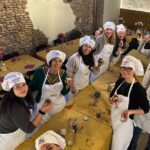
Rome tastes better when the door is your teacher. This small-group Roman home cooking class turns Rome’s everyday food customs into hands-on lessons, with a welcome of wine and bruschetta and a full meal you help prepare. You can pick lunch or dinner by choosing the 10:00 or 18:00 slot.
I especially love the limited size (max 12 people), because you actually get time to ask questions and get feedback while you cook. I also like the menu structure: you start with tiramisù, then go on to pasta from scratch using eggs and water, and finish with two different sauces you’ll eat with complimentary wine.
One possible drawback: children under 12 aren’t allowed in this class, and alcoholic beverages are only for people 18 and older.
In This Review
- Key highlights
- A Roman Home Kitchen Near Piazzale Aurelio
- Picking the Right Time Slot: 10:00 Lunch vs 18:00 Dinner
- Welcome Ritual: Wine, Bruschette, and Roman Family Stories
- Start Smart: Making Tiramisù First
- Pasta From Scratch: Eggs, Water, and Two Shapes
- Two Sauces and a Real Eating Moment
- Why the Small Group Size Changes Everything
- Practical Notes That Matter on the Day
- Price and Value: What You’re Really Paying For ($108.02)
- Who This Class Is For (and Who Might Not Enjoy It)
- Should You Book This Rome Cooking Class?
- FAQ
- What time does the cooking class start?
- How long is the experience?
- Is the class offered in English?
- Where do I meet, and where does it end?
- Are alcoholic beverages included, and is there an age limit?
- Is private transportation included?
- How many people are in the group?
- Are children allowed?
- Do they offer vegetarian or gluten-free options?
- What is the cancellation policy?
Key highlights
- Max 12 people in a real home kitchen for a more personal cooking lesson
- Two time slots: 10:00 for a lunch-style meal or 18:00 for dinner
- Hands-on menu: tiramisù, pasta from scratch, and two sauce types
- Wine included (18+ only) plus you’ll drink while eating what you cook
- Diet options available for vegetarians and gluten-free needs
- Family-style learning with stories about Roman culinary customs and methods
A Roman Home Kitchen Near Piazzale Aurelio
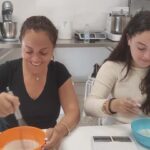
This is the kind of Rome food experience that feels less like a show and more like you’ve been invited into a family rhythm. You meet at Piazzale Aurelio, 6 (00152 Roma RM), and the class runs right from the home kitchen. That choice matters: it changes the whole tone from classroom mode to cooking-with-people mode.
It also keeps things practical. The meeting point is near public transportation, and the activity ends back where you start, so you’re not stuck with a long walk or a complicated transfer at the end. You’ll use a mobile ticket, and you’ll get confirmation at booking.
One extra detail to note: there’s a very nice little dog. It’s the kind of “small home” detail you’d expect, and it’s also one reason this class has a firm age rule. If you’re traveling with kids, plan ahead—children under 12 aren’t allowed (they offer a separate option for families if you contact them).
You can also read our reviews of more tours and experiences in Rome.


Picking the Right Time Slot: 10:00 Lunch vs 18:00 Dinner
You get two start times: 10:00 and 18:00, and the meal matches the time you book. The total experience runs about 3 hours 30 minutes.
So how do you choose? Here’s the simple logic I’d use if I were planning my day:
- If you want a midday anchor, the 10:00 slot gives you a full meal and a calming reset after morning sightseeing.
- If you prefer a later, dinner-shaped experience, the 18:00 slot fits nicely after a slower afternoon.
Either way, you’re not just “learning recipes.” You’re also sitting down to eat what you made, and that makes the timing feel more like a meal appointment than a workshop.
Welcome Ritual: Wine, Bruschette, and Roman Family Stories
Before the cooking starts, you’re welcomed with wine and an appetizer—bruschette in this case. That opening does two things well. First, it gets you into the food mindset right away. Second, it sets the social tone, because you’ll hear funny stories and get to know the people you’re cooking with.
The lesson isn’t only about technique. The focus is also on customs—how Romans think about flavor, ingredients, and the small traditions that get passed down through generations. In a good Roman meal, the story and the food are part of the same package. This class builds that connection early, so the kitchen feels like a living place rather than a staged environment.
For adults, the alcohol is part of that flow: alcoholic beverages are included, but only for people 18 and older.
Start Smart: Making Tiramisù First
You begin the class by preparing tiramisù using the family’s traditional, “grandma’s recipe” approach. Starting with dessert sounds different than many cooking classes, but it’s a smart move. It gets you into the rhythm of the kitchen and helps you understand the structure of how the recipe comes together.
It also means you won’t be rushing through everything at the end. By the time you’re done with pasta and sauces, you’re not just tired—you’ve already created one of the most recognizable Roman comfort foods, and you’ll be excited to taste the final result with the rest of your meal.
As you cook, expect explanations of method and customs, not just instructions. That’s where a home-style class has the advantage over “cookie-cutter” workshops: you’re learning why things are done a certain way, not only what to do next.
Pasta From Scratch: Eggs, Water, and Two Shapes
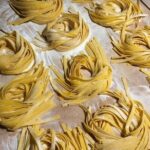
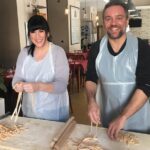
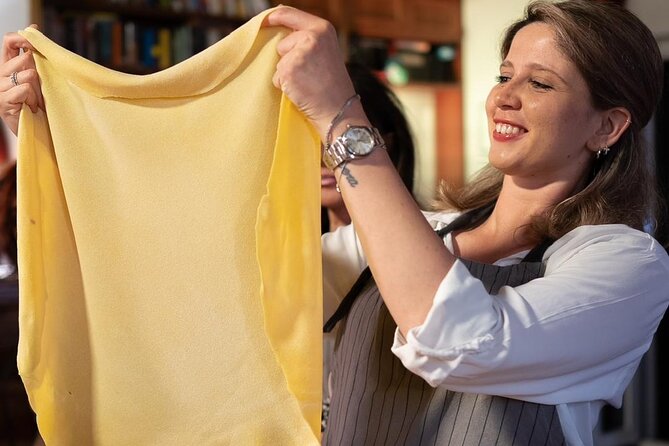
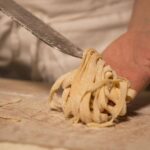
Then comes the main event: pasta from scratch. You’ll work with ingredients and methods that feel very Roman in spirit—simple materials, careful handling, and attention to texture.
Here’s what you make:
- Cavatelli, paired with a four-cheese sauce
- Tagliatelle, paired with an amatriciana-style sauce
You’ll prepare the dough using eggs and water. That’s a key detail because it affects feel and behavior as you shape the pasta. It’s one of those hands-on moments where theory becomes muscle memory.
And you’re not doing just one pasta. Two types means you’ll get a real sense for how shapes change everything—from how sauce clings to how the bite feels. You’ll also have time to learn, adjust, and get comfortable with the process.
Dietary needs are handled thoughtfully. The class offers vegetarian options and gluten-free options, so you’re not left hoping you’ll “figure it out later.” That matters because pasta is the heart of the meal here, and it’s much easier when the option is part of the plan.




Two Sauces and a Real Eating Moment
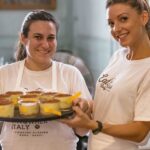
The class includes preparing two different sauces, and you’ll eat the food you prepared. That “eat what you cooked” piece is what turns this from a skill class into a meal experience.
Sauces are where Italian cooking often gets misunderstood. People think it’s only about taste. Here, you learn it’s also about method—how ingredients combine, how you build flavor, and what changes when the sauce meets hot pasta.
And then you actually taste it together, with complimentary wine while you dine. For adults 18+, alcoholic beverages are included as part of the experience. This isn’t a “bring your own bottle” setup. It’s built into the meal flow.
If you love Roman food culture, this is a big reason to book. You’re not only learning recipes. You’re learning how a Roman home organizes dinner as a social event.
Why the Small Group Size Changes Everything
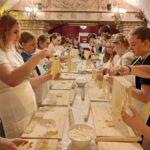
This is limited to just 12 people, and that number is doing real work.
In a larger class, you can spend half your time waiting, watching, or feeling like your questions are getting lost. In a small group, you get closer to the cooking process and closer to the people teaching it. You can ask why something worked (or didn’t) and get a straight answer.
The group size also supports the entertainment and laughter part. The class is described as funny and unique, and that matches what usually happens when the room is small: conversation stays human, not formal.
For team building and private groups, that flexibility is useful too. The class works well for groups because the kitchen experience still stays personal. There’s also an option to accommodate larger groups by request, so if you’re planning something bigger, you can ask.
Practical Notes That Matter on the Day
A few details can save you time and stress:
- Language: offered in English
- Location: Piazzale Aurelio, 6, and you return there at the end
- Getting there: near public transportation, but private transportation isn’t included
- Ticket: mobile ticket, confirmation at booking
- Age rule: children under 12 aren’t allowed
- Alcohol: included for people 18+, not for underage participants
If you want this to fit smoothly into your Rome schedule, aim to arrive a bit early. Home-based experiences run best when everyone starts together and the kitchen team can keep the timing. Once you’re settled, the class moves at a steady pace because everyone is cooking in the same order.
Price and Value: What You’re Really Paying For ($108.02)
At $108.02 per person, this isn’t a budget “snack and watch” activity. It’s priced like a real meal experience in a real home. And the value comes from what’s bundled in.
You’re getting:
- instruction in cooking traditional Roman dishes
- hands-on preparation of multiple components (tiramisù, two pasta types, and sauces)
- a sit-down meal made from your work
- alcoholic beverages for adults 18+ (plus complimentary wine with the meal)
- a small group format that keeps it personal
When a class includes wine and a full meal, the price starts to make more sense. You’re not just paying for recipes—you’re paying for ingredients, time, and the attention required to teach multiple dishes at once.
Also, the limited group size is part of the cost logic. You’re not in a crowd. You’re in a kitchen.
Who This Class Is For (and Who Might Not Enjoy It)
This experience is a strong match for:
- adult food lovers who want Roman cooking methods, not just a quick “how-to”
- couples and small groups who like conversation while cooking
- people planning team building or private group time that feels friendly rather than stiff
- anyone who wants to come away with skills they can repeat at home
It’s not a great fit if:
- you’re traveling with children under 12
- you’re avoiding alcohol entirely (wine is part of the meal flow, and the included alcoholic beverages apply to people 18+)
- you want a silent, strictly instructional class (this one leans into stories and laughter)
Should You Book This Rome Cooking Class?
I’d book this if your goal is to eat like you belong in Rome for a few hours. The home setting, the small group size, and the full menu you prepare add up to more than a cooking demo. You leave with practical pasta skills (eggs and water dough, two different pasta types) and a dessert you’ll want to repeat.
If you’re sensitive about the age rule or alcohol, that’s the main decision point. Otherwise, this is a very smart use of time in Rome—especially if you want something social, hands-on, and genuinely tied to Roman family tradition.
FAQ
What time does the cooking class start?
You can choose between a 10 am start and a 6 pm start. The meal matches the time slot you book.
How long is the experience?
It lasts about 3 hours 30 minutes.
Is the class offered in English?
Yes. The experience is offered in English.
Where do I meet, and where does it end?
You meet at Piazzale Aurelio, 6, 00152 Roma RM, Italy, and the activity ends back at the same meeting point.
Are alcoholic beverages included, and is there an age limit?
Alcoholic beverages are included for people 18 and older. Wine is also provided as part of the experience.
Is private transportation included?
No. Private transportation is not included.
How many people are in the group?
The class has a maximum of 12 people.
Are children allowed?
Children under 12 are not allowed in this class.
Do they offer vegetarian or gluten-free options?
Yes. Vegetarian and gluten-free options are available.
What is the cancellation policy?
You can cancel for free up to 24 hours before the experience’s start time for a full refund. The experience also has a minimum number of people; if it’s canceled because that minimum isn’t met, you’ll be offered a different date/experience or a full refund.