REVIEW · LECCE
Focaccia and Pizzi Leccesi Bread Cooking Class
Book on Viator →Operated by La Strada del Vino Wine Bistrot · Bookable on Viator
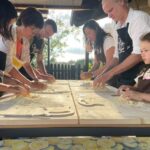
Bread-making in Lecce tastes like vacation. You cook with a local chef in the warm, casual setting of BALU’ Wine & Food, and the small group size (max 6) makes it easier to learn without feeling rushed.
I also love that you don’t just watch—you taste what you make, paired with Italian aperitivo and wine. One possible consideration: the class is about 1 hour 30 minutes, so it’s not a slow, hands-on apprenticeship that lasts all afternoon.
In This Review
- Key Highlights You’ll Care About
- Why This Lecce Bread Class Works So Well in Real Life
- Meeting at BALU’ Wine & Food: Getting Oriented Fast
- The Chef’s Teaching Style: Technique With a Family Feel
- Focaccia in Practice: What You’re Really Learning
- Pizzi Leccesi Bread: A Second Skill, Not a Second Lesson
- Aperitivo, Wine, and Eating What You Made
- Group Size and Pace: Why It Feels Personal
- Price and Value: Is $96.13 Fair for What You Get?
- Who Should Book This Class (and Who Might Skip It)
- Should You Book It?
- FAQ
- What is the duration of the Focaccia and Pizzi Leccesi Bread Cooking Class?
- How much does the class cost?
- What will I make during the class?
- Where does the class start?
- Where does the class end?
- Is the class offered in English?
- How many people are in the group?
- Do I get a mobile ticket?
- When will I receive confirmation after booking?
- How does cancellation work?
Key Highlights You’ll Care About
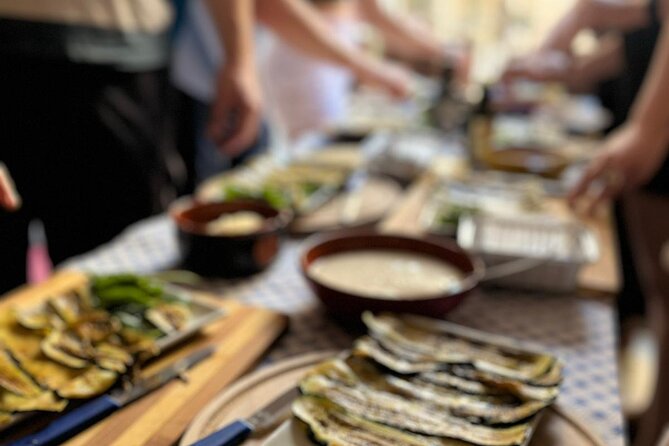
- Max 6 people means more attention from the chef and more time for questions
- Focaccia + Pizzi Leccesi gives you two real take-home bread skills in one session
- Aperitivo, wine, and tasting turn the class into a proper food moment, not only a cooking demo
- English instruction makes the techniques and reasoning easier to follow
- Family-style teaching includes methods passed down from the chef’s Nonna
- Local bistrot setting keeps the vibe cozy and not overly formal
Why This Lecce Bread Class Works So Well in Real Life
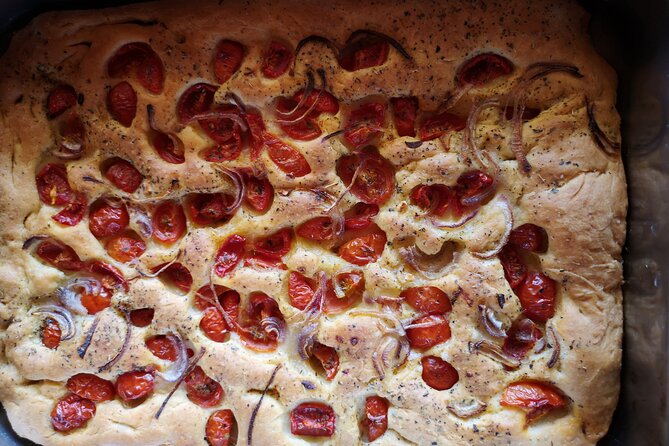
If you like the idea of learning Italian food, but you also don’t want your whole day swallowed by a long tour, this class is a smart fit. You’re in Lecce, inside a cozy food and wine bistrot, and you spend about 1 hour 30 minutes making breads with a local chef.
What makes it especially appealing is the mix of hands-on cooking and immediate payoff. You shape the breads, then you get to eat what you made while enjoying aperitivo and wine. It’s a classic “learn by doing” setup, but with the comfort of a small room and a guided pace.
The other big win is control. When a group stays under six people, the chef can correct your dough feel, your shaping, and your timing—without you waiting behind everyone else. That’s the difference between a fun class and a forget-it-in-a-week class.
You can also read our reviews of more tours and experiences in Lecce.


Meeting at BALU’ Wine & Food: Getting Oriented Fast
You meet at BALU’ Wine & Food, Via Giacomo Matteotti 29, Lecce. It’s near public transportation, which matters because Lecce can be easiest when you’re not fighting parking or long walks in heat.
The practical upside: since the activity ends back at the meeting point, you don’t have to plan a complicated follow-up. You can slot this into an easy afternoon or early evening plan without worrying about transit afterward.
When you arrive, expect a relaxed start. This is a working bistrot space, not a lecture hall. That matters because your brain stays in “hands mode” instead of switching on and off between cooking and listening.
One small prep tip: wear something you don’t mind getting a little flour on. Even with an aproned setup, dough work has a way of leaving tiny reminders on sleeves and cuffs.
The Chef’s Teaching Style: Technique With a Family Feel
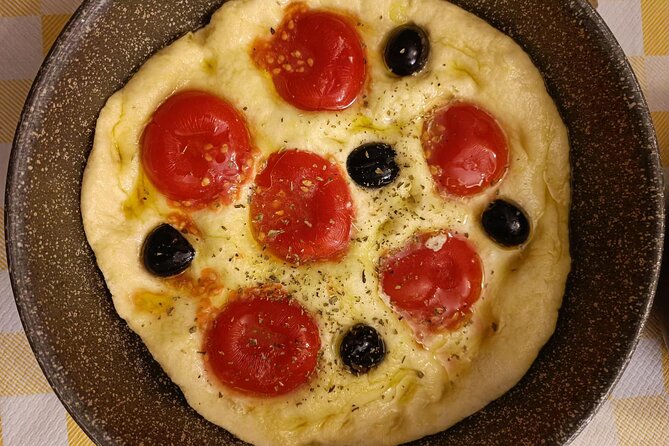
A key part of the experience is how the chef teaches. The class focuses on more than just the end product. You learn the why behind the steps—how to handle dough, how to time the work, and how to approach shaping with confidence.
One detail I really like in this setup is the family-method vibe. The chef shares techniques she learned from her Nonna, so you’re getting bread knowledge that comes from repeat practice, not just a written recipe. That’s how you start cooking with instincts instead of only following instructions.
Also, the class is offered in English, which makes a difference when you’re learning tactile skills. You’ll be able to follow what the chef is doing and thinking, rather than guessing. If you’ve ever taken a class where you couldn’t fully understand the explanation, you know that frustration. This avoids it.
Focaccia in Practice: What You’re Really Learning
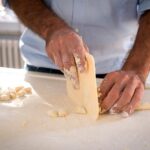
You’ll make focaccia, and it’s more than just “a bread you can name.” Focaccia is a bread where technique shows up quickly—in the dough feel, the way it relaxes, and the finishing touch.
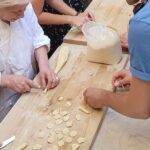
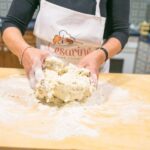
In a hands-on class like this, you’re usually working through the steps instead of watching from the sidelines. You’ll handle the dough, shape or prep it, and then you’ll get to eat the result once it’s ready. The payoff comes fast: you don’t need to wait days to see if your effort worked.
Here’s what you can take from focaccia even if you’ve baked before: focaccia is a good bread for learning how to work with dough without overthinking it. You’ll learn how the dough responds during prep, and you’ll get a clearer sense of what “right” feels like.
And because the session pairs cooking with tasting, you can compare your expectations to the finished texture. That’s the fastest way to learn for your next loaf at home.
Pizzi Leccesi Bread: A Second Skill, Not a Second Lesson
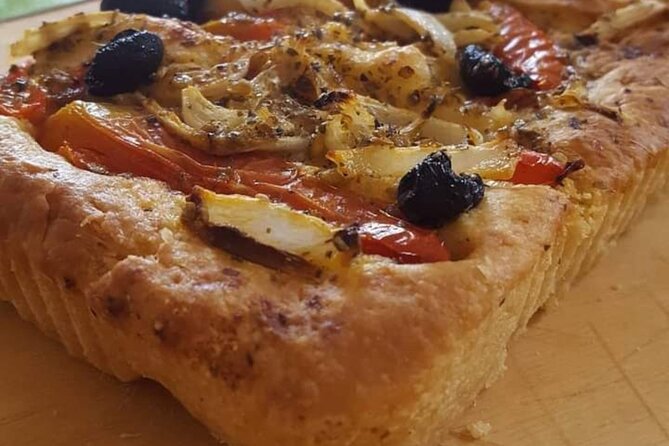
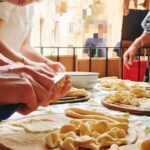
After focaccia, the class adds Pizzi Leccesi bread. Getting a second bread in the same session is great value because it stretches your hands-on learning. You don’t just repeat one technique twice; you’re building bread knowledge across two styles.
What I like about this format is variety without stress. You’re still in the same cozy bistrot environment, with the chef guiding you. So you’re not stuck bouncing between locations or tools. You’re learning, cooking, and then eating in the same rhythm.
Also, a second bread helps you avoid the common cooking-class problem: leaving with one recipe and a lot of uncertainty about whether you really understood the method. With two breads, the chef can show different ways bread work can come together, which makes your future baking more flexible.
Aperitivo, Wine, and Eating What You Made
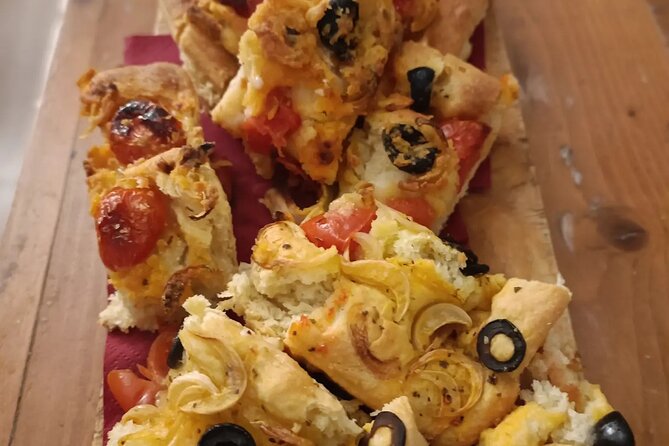
This is where the class becomes more than a class. After you cook, you enjoy an Italian aperitivo and taste what you’ve prepared. That means you’re not just learning how to make bread—you’re practicing the full Italian flow: cook, eat, talk, and slow down long enough to enjoy your own work.
Wine shows up as part of the experience. You’ll be able to pair your food with something local and celebratory, which makes the evening feel like a real moment in Lecce rather than a ticketed stop.
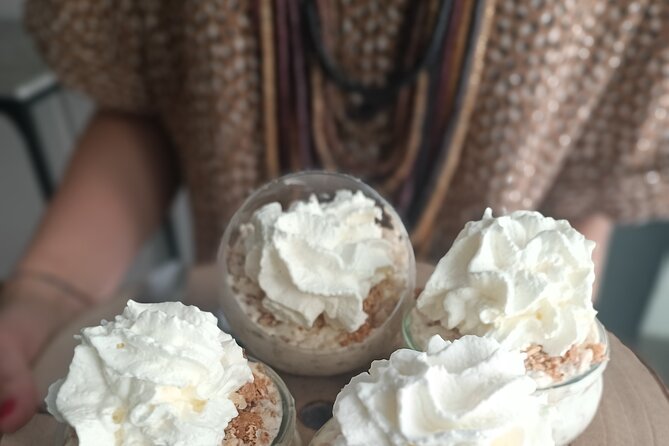
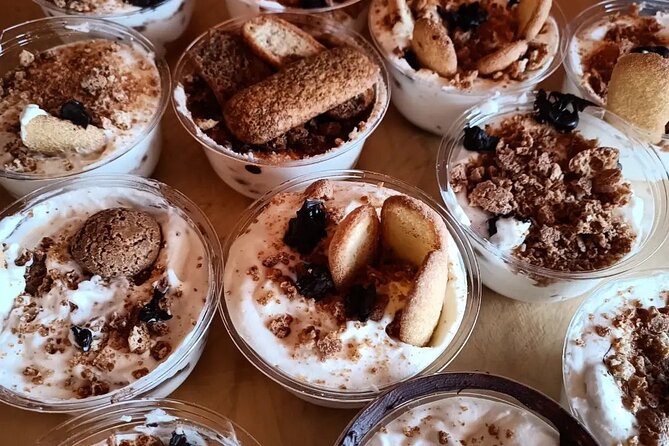
You might also encounter a sweet finish as part of the after-class meal. People have referenced tiramisu specifically in connection with this experience, so if you’re a dessert fan, plan for a sweet landing at the table.
The practical benefit: you’ll leave with not only skills but also confidence. When you eat your own focaccia (and your Pizzi Leccesi bread), you learn what success tastes like. That’s what you want on your next baking attempt.
Group Size and Pace: Why It Feels Personal
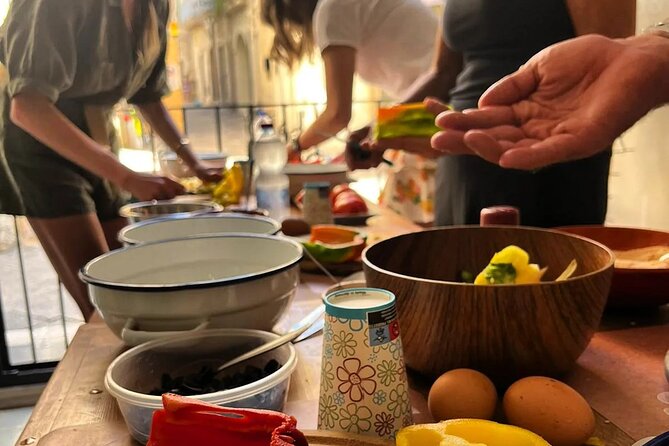
With a maximum of 6 travelers, this class stays intimate. That affects everything: the speed of the instruction, how often the chef checks your progress, and how comfortable it is to ask questions.
The pacing also matters. When a class is too fast, you miss key cues. When it drags, you start losing momentum. In this setup, the structure seems designed to keep you engaged—enough time to cook, enough time to understand, and enough time to sit down and eat without feeling like you’re being rushed into the next step.
If you’re traveling as a couple, this size is excellent. If you’re traveling with kids or teens who like food activities, it tends to work better than big-group classes because they get attention without waiting for someone to finish.
Just remember: it’s still a 1 hour 30 minute session. You’ll learn plenty, but it’s not the time to expect a multi-hour bread workshop with endless troubleshooting.
Price and Value: Is $96.13 Fair for What You Get?
At $96.13 per person, this isn’t a bargain-basement cooking class. But for Lecce, the price makes sense if you look at what’s bundled into the experience.
You’re paying for:
- guided bread-making with a local chef
- instruction in English
- small-group attention (max 6)
- aperitivo and wine as part of the meal
- tasting the breads you help make
When cooking classes only cover the “work” and leave you to figure out the rest, they feel incomplete. Here, the meal is part of the point. You get a full food experience tied to the skills you just practiced.
Another value clue: this class is often booked around 32 days in advance on average. That doesn’t prove anything about quality by itself, but it does suggest there’s steady demand—usually a good sign for small group formats.
Who Should Book This Class (and Who Might Skip It)
This is a great choice if you:
- want a hands-on food activity in Lecce that doesn’t eat your whole day
- like learning through cooking, not only watching
- care about a small group and real interaction
- enjoy wine and Italian aperitivo as part of the travel experience
- want two bread skills in one session: focaccia and Pizzi Leccesi
You might skip it if you’re looking for an extended, ultra-technical course where you can perfect one bread for hours. The time is short on purpose, and the goal is a satisfying learning-and-eating experience rather than a deep bread lab.
Should You Book It?
Yes—if you want a compact, high-reward food experience in Lecce. The small group size, the bilingual clarity offered through English, and the fact that you taste what you make all point to a class that’s designed to feel worth your money.
I’d book it especially if your schedule is tight. This is the kind of activity that gives you a real story and real skills, not just a photo at the end.
If you’re on the fence, ask yourself one question: do you want to leave with bread-making confidence you can use at home? If yes, this class is a strong bet.
FAQ
What is the duration of the Focaccia and Pizzi Leccesi Bread Cooking Class?
The class lasts about 1 hour 30 minutes.
How much does the class cost?
The price is $96.13 per person.
What will I make during the class?
You’ll learn to make focaccia and Pizzi Leccesi bread.
Where does the class start?
The meeting point is BALU’ Wine & Food, Via Giacomo Matteotti 29, 73100 Lecce LE, Italy.
Where does the class end?
The activity ends back at the meeting point.
Is the class offered in English?
Yes, it’s offered in English.
How many people are in the group?
The maximum group size is 6 travelers.
Do I get a mobile ticket?
Yes, the tour/activity includes a mobile ticket.
When will I receive confirmation after booking?
Confirmation is received at the time of booking.
How does cancellation work?
You can cancel for a full refund up to 24 hours before the experience’s start time. If you cancel less than 24 hours before, the amount you paid is not refunded. Changes made less than 24 hours before aren’t accepted.