REVIEW · SEOUL
Seoul: Temple Vegan Cooking Class & Oriental Medicine Tour
Book on GetYourGuide →Operated by TRIPPER · Bookable on GetYourGuide
A temple kitchen and a medicine market, same day. This 4-hour Seoul tour pairs a Buddhist monk-led vegan cooking class with an Oriental Medicine Museum stop, plus tastings in Korea’s big, old-school markets. I like how the day mixes hands-on food skills with real wellness context, not just sightseeing. I also like that it’s genuinely vegan-friendly thanks to temple food that contains no meat at all. One thing to consider: the group schedule is strict, and the market food is tasting-only (you’ll need cash if you want to buy more).
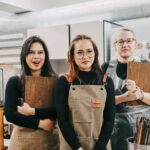
You’ll meet at An-guk Station Exit 1 with your guide holding a Tripper sign, and you’ll finish right back there. Guides like Gina, Jade, and BJ have been praised for keeping the experience understandable for English speakers and for making Korean medicine feel practical, not mysterious. The biggest potential drawback is that the temple cooking class option can be canceled if the minimum number of participants isn’t met (minimum is 3), so it’s smart to check what you’re booked for before you go.
In This Review
- Key Highlights Worth Booking For
- Temple Vegan Cooking: A Class Where Food Has a Point
- A real-world tip for your meal plan
- Oriental Medicine Tour: Tea, Museum, and What It Means for Your Body
- Cheongnyangni Market Walk: Where Everyday Korea Smells Like Food
- What to expect from tastings (and what not to expect)
- Medicinal Herbs and Ginseng: The Market Stop With a Purpose
- If you’re skeptical about wellness tours…
- Seoul Modern Nostalgia: Starbucks Gyeongdong 1960 and Gold Star Radio LG
- Street Foods You Can Actually Understand
- Price and Value: How $76 Works in Your Favor
- Timing, Group Pace, and Logistics That Matter
- Who This Tour Is For (and Who Might Want Something Else)
- Should You Book This Seoul Temple Vegan Cooking and Medicine Tour?
- FAQ
- Where do I meet for the tour?
- How long is the experience?
- Is the tour vegan-friendly?
- Is the temple cooking class included?
- What’s included at the market?
- Can I buy items at the market?
- Is the Oriental Medicine Museum admission included?
- Do I get any drinks?
- Do I get pick-up or drop-off?
Key Highlights Worth Booking For
- Buddhist monk temple cooking class that teaches the philosophy behind plant-based cuisine
- Oriental Medicine Museum + traditional tea + cafe drink included in the plan
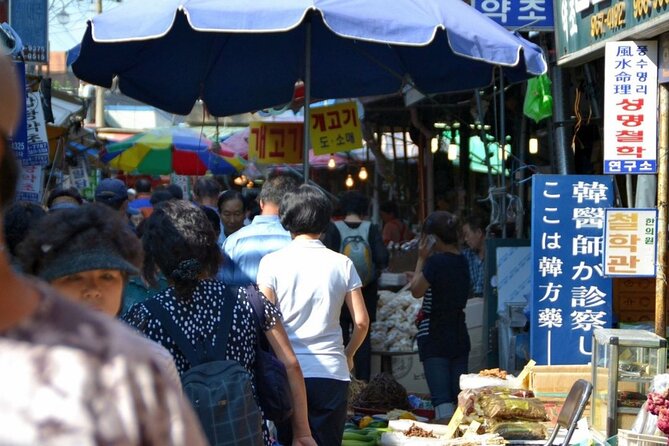
- Cheongnyangni Fruit & Vegetable Market for color, smells, and everyday food energy
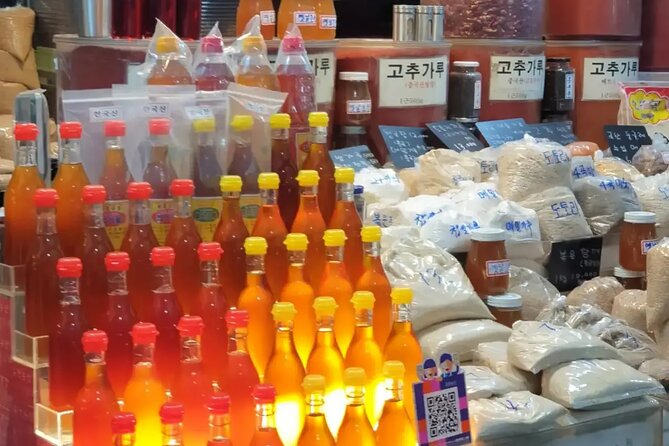
- Korea’s medicinal herbs and ginseng market experience through guided context
- Street-food tastings that mix nostalgic bites with modern favorites
- English-led format with a licensed guide and interpretation support
Temple Vegan Cooking: A Class Where Food Has a Point
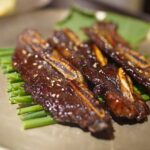
If you care about vegan food that’s more than a checklist, this is a strong fit. The temple meal tradition is built around plant-based cooking and Buddhist practice, and the teaching approach is meant to help you understand why each choice exists. You don’t just copy a recipe. You learn the logic behind temple cuisine and how seasonal ingredients shape the menu.
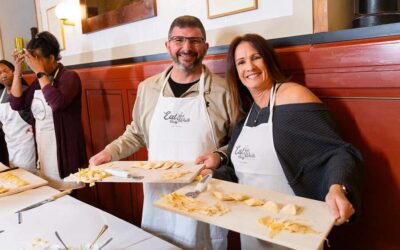
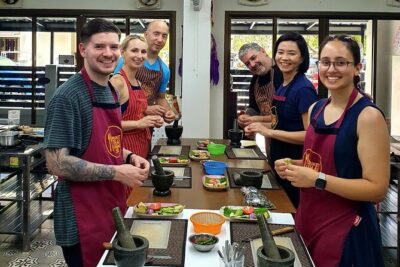
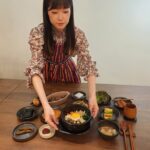
The cooking experience is offered as an option (so confirm that your booking includes it). When it runs, you cook temple-style vegan dishes with a Buddhist monk, then you taste what you make on-site. One of the most practical things here is the guidance around food waste: temples aim to avoid it, so they ask you to finish your meal where it’s served.
Also note that temple food uses seasonal ingredients, so the menu can change each time. That’s good news if you like variety, but it can be slightly annoying if you’re hoping for the exact same dishes you saw online. Either way, the philosophy stays the same: plant-based, seasonal, and rooted in tradition.
You can also read our reviews of more tours and experiences in Seoul.
A real-world tip for your meal plan
Bring a reusable container if you want to take food with you. The tour asks you to finish what’s served on-site, but it does allow you to package leftovers if you’re prepared.
Oriental Medicine Tour: Tea, Museum, and What It Means for Your Body
After the temple-food portion, the day shifts into Korean Oriental Medicine with a guided format that’s designed for visitors who want clarity. You’ll enjoy traditional Korean tea, visit the Oriental Medicine Museum, and stop at an Oriental Medicine Cafe for one drink.
What I like about this kind of stop is that it turns wellness from a vague concept into something you can point at. You’re not stuck with just stories. You’re looking at the museum content and seeing how traditional medicine is explained in a structured way.
One review highlighted that the tour explains how teachings separate body types and food recommendations for different compositions. That matters because it helps you connect Korean medicine ideas to food, rather than treating them like two unrelated topics. Another review also mentioned an experience with massage (hand, foot, and back) and exposure to massage devices. Your day may not feel identical to that write-up, but it’s a good sign that the medicine stops can feel hands-on, not just educational.
Cheongnyangni Market Walk: Where Everyday Korea Smells Like Food
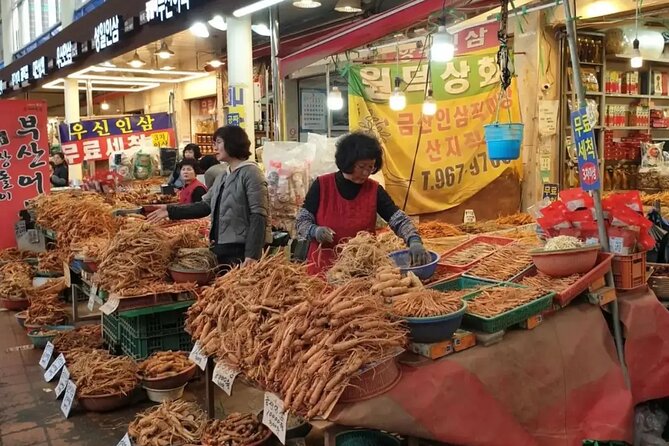
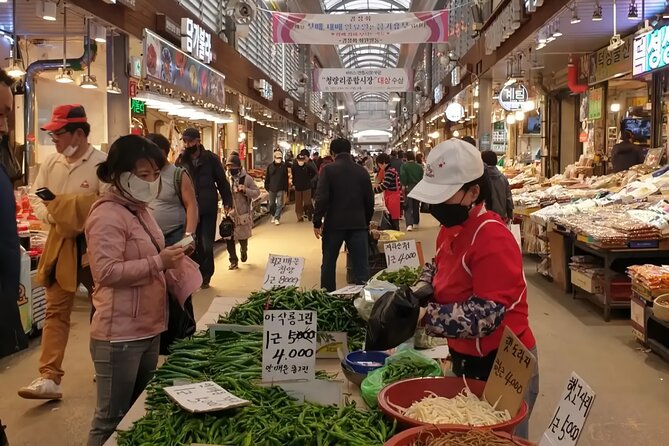
Next comes Seoul’s largest traditional market on this route. You’ll walk with your guide through the Cheongnyangni Fruit & Vegetable Market, which is known for produce, colors, and aromas that hit you fast when you step inside.
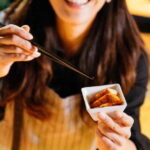
This part of the tour is where the day becomes less “museum calm” and more “street-level sensory.” You’ll taste fruits, healthy beverages, snacks, and simple market foods included in the experience. It’s tasting-only, though. If you want to buy extra items, you’ll need cash in Korean won, and you’ll want to plan for that ahead of time.
What to expect from tastings (and what not to expect)
Market food tastings are small on purpose. Don’t count on them to replace a full meal. But do expect variety—different textures, different flavors, and a chance to see how ingredients actually move through everyday Korean food culture.
Wear comfortable shoes. This is a market walk, and even if the group pace is manageable, you’ll still be on your feet.
Medicinal Herbs and Ginseng: The Market Stop With a Purpose
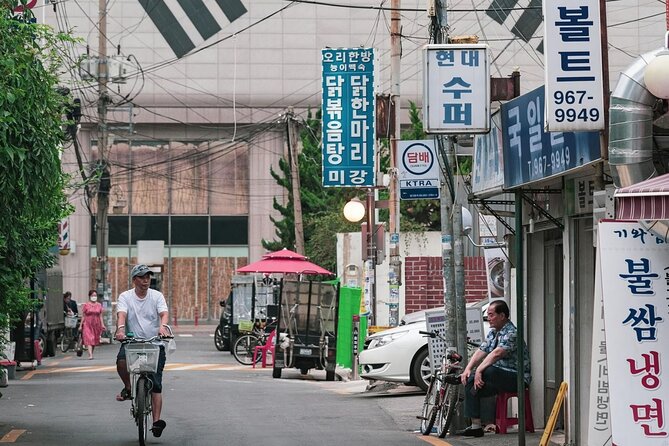
This tour isn’t only about eating. It also brings you to Korea’s medicinal ingredient world—specifically the herb and ginseng market experience.
Cheongnyangni isn’t framed as a random shopping stop. Instead, the guide ties what you’re seeing to traditional healing over generations. You’ll explore Korea’s largest medicinal herb and ginseng market, and your senses do a lot of the work here: you notice the aromas, the textures, and the “medicinal” feeling of the ingredients in the air.
This is also where the tone of the day starts to feel cohesive. Earlier, you learned temple food philosophy. In the market, you’re learning what kinds of ingredients get attention in Oriental Medicine. If you like wellness, this connection is the whole point—how traditional practice intersects with daily ingredients.
If you’re skeptical about wellness tours…
I get it. Some “medicine tours” feel like sales pitches. Here, the inclusion of the museum and guided context makes it easier to stay grounded. You’re not just buying theories. You’re seeing how the ideas are presented.
Seoul Modern Nostalgia: Starbucks Gyeongdong 1960 and Gold Star Radio LG
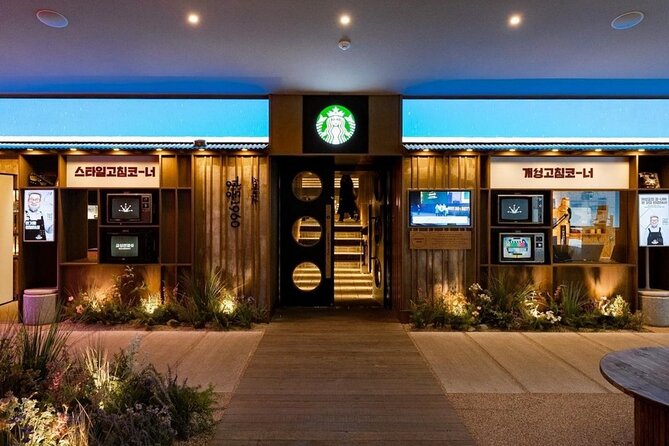
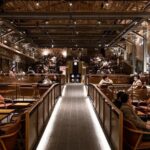
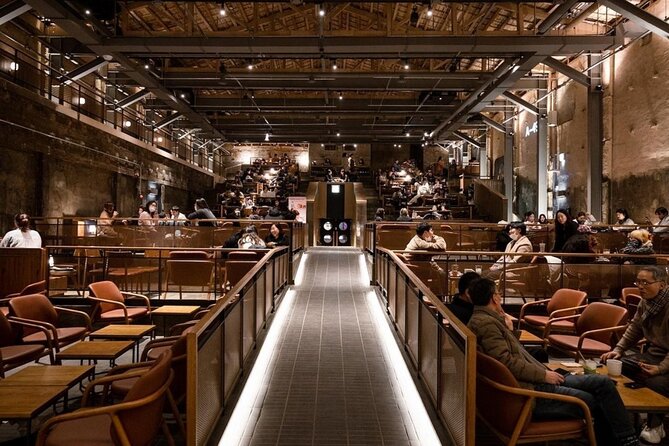
A fun surprise on this route is how it blends tradition with modernization. You’ll visit cultural landmarks like Starbucks Gyeongdong 1960, a café repurposed from an old theater, and you’ll also see Gold Star Radio LG, a place focused on vintage Korean electronics.
This isn’t filler. It’s a quick way to show how Seoul reframes old spaces for new life. You get a short cultural snapshot between food and medicine stops, which helps the day feel like a real slice of Seoul, not just a theme park of tasting.
If you enjoy photography, these stops can be great for quick shots—old architecture energy, retro tech visuals, and the feel of Seoul layering eras on top of each other.
Street Foods You Can Actually Understand
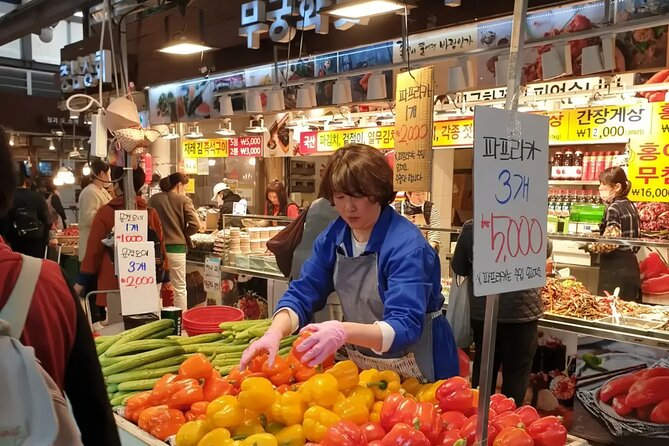
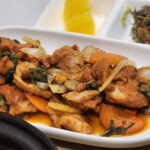
The tour includes tasting nostalgic and modern Korean street foods. This matters because street food can be confusing if you don’t know what you’re looking at.
You’ll try multiple small bites instead of committing to one giant purchase. That helps you discover what you like without wasting your day (or your stomach). It’s also a good way to learn what’s considered “everyday” versus “tourist-famous.”
Just remember: the included food at the market is tastings. If you want to go deeper into street food flavors afterward, plan on bringing cash and deciding what looks best to you.
Price and Value: How $76 Works in Your Favor
At $76 per person for a 4-hour, English-guided experience, the value comes from the mix. You’re not paying just for a market walk. You’re paying for:
- a licensed English guide
- included tastings (fruits, healthy beverages, snacks, and simple market foods)
- Oriental Medicine Museum admission
- one drink at an Oriental Medicine Cafe
- an optional temple cooking experience that can include a Buddhist monk teaching element
If you’re traveling solo or as a small group, $76 can feel like a fair shortcut. You get structure, translation help, and a route that would be harder to piece together on your own—especially the medicine museum portion and the temple cooking context.
One budget note: pick-up and drop-off aren’t included. There may be an optional transportation fee, but you should check what’s included for your specific booking so you don’t get surprised.
Timing, Group Pace, and Logistics That Matter
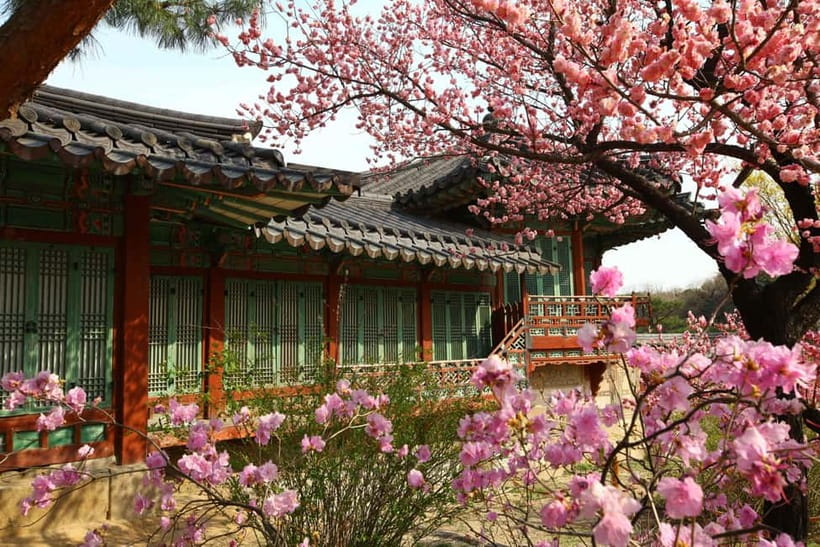
This is a group tour, and you’ll want to follow the schedule closely. The duration is listed as 4 hours, with starting times that vary, so check availability for your preferred slot.
You meet at An-guk Station Exit 1, and the tour ends back at the meeting point. That makes it easier to keep your day organized in central Seoul, since you aren’t stranded somewhere else at the end.
Also consider that the cooking class option may be canceled if the minimum participant count isn’t met (minimum is 3). If you booked specifically for the cooking, double-check what you’re actually signed up for before you leave.
Who This Tour Is For (and Who Might Want Something Else)
This experience fits best if you want a day that connects food, wellness, and Seoul culture without needing deep background knowledge.
You’ll likely love it if:
- you want a vegan-friendly Korean food experience with real context
- you’re curious about Oriental Medicine and want museum learning plus tea and cafe time
- you like markets and street food, but want guided tastings rather than guesswork
- you want English support and clear explanations from your guide
It may not be ideal if:
- you’re hoping for a long, slow food crawl with lots of shopping time
- you hate group pacing or strict schedules
- you’re mainly interested in buying lots of items at the market (tastings are included, but purchases require cash)
Should You Book This Seoul Temple Vegan Cooking and Medicine Tour?
I think it’s worth booking if you want one guided day that links plant-based temple cooking with Korean medicine ideas, then grounds it in real Seoul via markets and street-food tastings. The price feels reasonable because you’re getting museum admission and guided tea/cafe time, not just a walking tour.
Before you book, quickly confirm whether your slot includes the temple cooking class option, since that’s the part that can be canceled if the minimum participant count isn’t reached. And pack the essentials: bring cash for any purchases at the market, and consider a reusable container if you’d like leftovers.
If you match the vibe—food + wellness + culture, in one tidy 4-hour block—this is a smart way to spend your time in Seoul.
FAQ
Where do I meet for the tour?
Meet at An-guk Station Exit 1. The guide will be holding a Tripper sign.
How long is the experience?
The tour duration is listed as 4 hours. Starting times depend on availability.
Is the tour vegan-friendly?
Yes. Vegans can take the tour with no problem, and temple food contains no meat at all.
Is the temple cooking class included?
Temple Food Cooking Experience is listed as optional. Check your specific booking to confirm whether you’re included for the class.
What’s included at the market?
You’ll get fruits, healthy beverages, snacks, and other simple market foods for tasting only.
Can I buy items at the market?
You can purchase extra items, but the tour notes that the included food is for tasting. Bring cash in Korean won if you want to buy additional items.
Is the Oriental Medicine Museum admission included?
Yes. Admission fee for the Oriental Medicine Museum is included.
Do I get any drinks?
Yes. You’ll have traditional tea as part of the Oriental Medicine segment, and one drink at an Oriental Medicine Cafe is included.
Do I get pick-up or drop-off?
Pick up & Drop off is not included. The tour ends back at the meeting point.