REVIEW · ZANZIBAR
Traditional Zanzibar Cooking Class including Spice Tour
Book on Viator →Operated by Splash Tour Company · Bookable on Viator
You start the day smelling the islands. This 4.5-hour Zanzibar experience pairs a guided spice tour in Kizimbani with a hands-on traditional cooking class taught by locals, so you see the plants and then turn them into food.
I like the practical side: you get air-conditioned transport from Stonetown and a clear schedule that brings you back by about 2:00. I also like the way the learning is structured, with a farm guide explaining what you’re looking at while you harvest key ingredients.
One watch-out: the cooking lesson can feel like a home-style setup, so you may notice other activity around the kitchen area while you cook.
In This Review
- Key highlights worth caring about
- A Half-Day in Kizimbani: Spice Garden to Lunch Table
- Getting There from Stonetown: AC Pickup and Timing That Works
- The Spice Farm Walk: Smell, Harvest, and Learn What Matters
- What you should pay attention to during the farm part
- Possible downside at the farm
- Cooking Class with a Local Woman: Techniques You Can Repeat
- The group element changes the whole vibe
- One consideration for the cooking environment
- What You’ll Eat: A Shared Meal That Actually Feels Like Zanzibar
- How to get the most from the meal
- Price and Value: What You’re Paying For at $68
- Who This Tour Fits Best (and Who Should Rethink It)
- Practical Tips Before You Go
- Should You Book This Zanzibar Spice-and-Cooking Tour?
- FAQ
- What time does the tour start?
- How long is the experience?
- Where does the tour begin?
- Is pickup offered?
- Where is the spice farm located?
- What happens during the spice tour?
- Who teaches the cooking class?
- What do you do after cooking?
- Is this a private tour?
- What is the cancellation policy?
Key highlights worth caring about
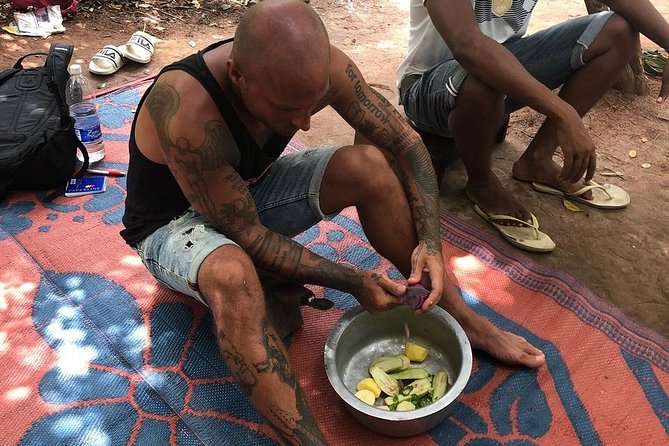
- Kizimbani spice farm just 15 km from Stonetown, making this feel like an easy half-day
- Harvest what you’ll cook, not just watch from the sidelines
- Local woman teaches the cooking, so you’re learning everyday techniques, not demo-only tricks
- Air-conditioned vehicle pickup keeps the morning comfortable
- Private tour format, so your group gets personal attention
- You eat what you make, shared together during the lesson
A Half-Day in Kizimbani: Spice Garden to Lunch Table
This tour works because it connects two worlds that are often separated in travel plans: the farm and the kitchen. In the morning, you head out to a spice farm in Kizimbani, about 15 kilometers northeast of Stonetown. The focus is sensory. You’ll see the plants, smell the aromas, and get hands-on time harvesting the ingredients that matter for the dishes you’ll cook later.
The best part is the natural “cause and effect.” When you learn about spice growth and use while you’re standing in the growing area, cooking stops being guesswork. You’re not memorizing names for later. You’re matching smells and flavors to a real ingredient you just picked.
And because it’s a half-day format (about 4 hours 30 minutes), it fits easily into a Zanzibar itinerary without eating up your whole day. You get a full experience, then you’re back by early afternoon.
You can also read our reviews of more tours and experiences in Zanzibar.
Getting There from Stonetown: AC Pickup and Timing That Works
Your day starts at 09:30, with pickup from Kajificheni Street (Kajificheni St, Zanzibar, Tanzania). The drive is in an air-conditioned vehicle, which matters more than you’d think. Zanzibar mornings can be warm, and you’ll appreciate stepping out of the car for the farm walk without arriving already wiped out.
The timeline is also straightforward:
- Start around 09:30
- Spice farm visit and cooking class portion
- Return around 2:00 to Stonetown or your hotel area
- Activity ends back at the meeting point
This timing is useful if you want to plan the rest of your afternoon cleanly—like booking a beach stop, doing a Stonetown wander, or keeping dinner plans open.
A small practical bonus: the experience is described as a private tour/activity, meaning it’s only your group. That usually makes it easier for the guide to match pace and questions to your comfort level.
The Spice Farm Walk: Smell, Harvest, and Learn What Matters
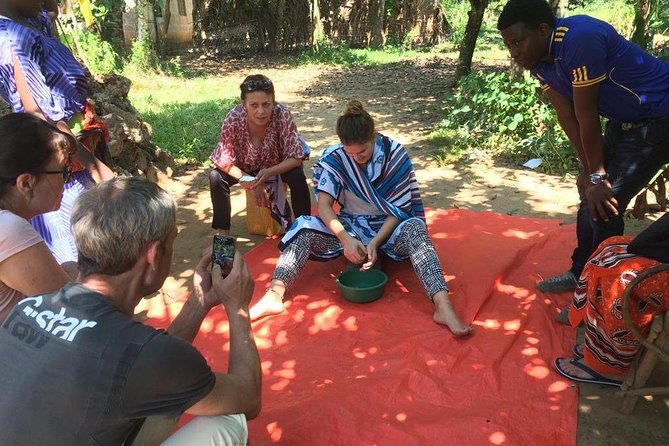
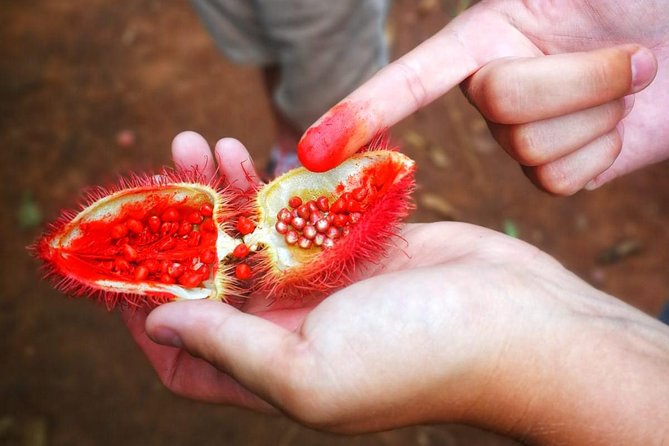
At the farm, you’re not just there to look. You’re guided through what grows there and how spices and fruits get used. The tour is built around three things you’ll remember later: what something looks like, what it smells like, and how it’s handled.
Expect this to be interactive. You’ll be encouraged to harvest ingredients, and you’ll also hear explanations from the guide about the spices and plants. The goal isn’t to turn the farm into a classroom, but to give you enough context that cooking feels logical.
One detail that comes up strongly in the experience is how much guests appreciate the explanations. The guides named in feedback include Lukem at Malanga Spice Farm, and the teaching role is often credited to Hassan. Even if you don’t get the same two names, this is a strong signal that the staff tends to talk through the plants clearly and with patience.
What you should pay attention to during the farm part
You’ll get the most out of this if you treat the farm tour like a “flavor scouting mission.” Keep an eye on:
- Which spices have strong aroma even before you touch them
- How harvesting is done (you’ll want to recognize that ingredient later)
- Any tips you’re given about how spices are used in cooking, since you’ll apply the ideas right after
If you’re the type who likes to understand the why behind a recipe, this is the section where that happens.
Possible downside at the farm
The farm itself is outdoors, so it won’t be a sit-down, shade-only experience. It’s a morning activity, but bring a hat and plan for sun, especially if you’re visiting in hotter months.
Cooking Class with a Local Woman: Techniques You Can Repeat
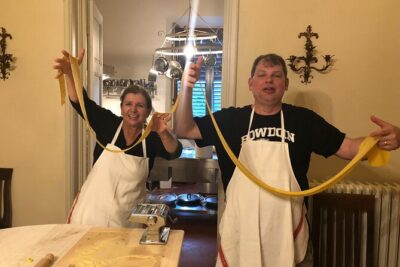
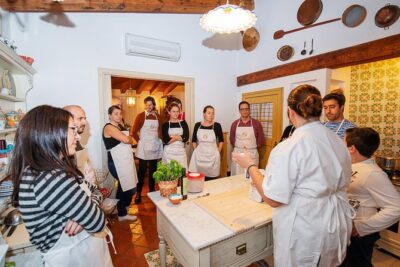
After the spice farm tour, you move into the cooking portion. A local woman teaches you how to prepare and cook the traditional food. That matters because you’re learning how dishes are actually made, not just plated for tourists.
The structure feels like this:
- You harvest ingredients earlier
- You connect those ingredients to the dish in real time
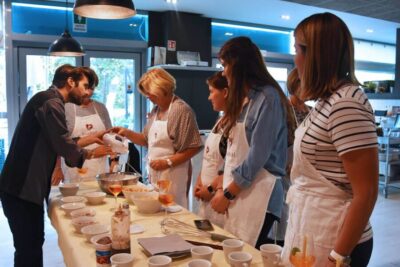
- You cook together as a group
- You eat what you make
The reviews signal that the cooking class is where many people feel the biggest payoff. The staff and guides tend to be friendly and patient, and the cooking lesson isn’t treated as a rushed checklist. People report dishes turning out well, and they highlight the quality of the meal.
The group element changes the whole vibe
Because you cook together (not just watch), you’ll likely have moments where you’re passing ingredients, sharing prep tasks, and getting guidance as you go. That group format is part of the point. It keeps the day from turning into a lecture, and it makes the meal more than a souvenir.
This is also where your questions come in handy. If the guide mentioned how an ingredient is handled on the farm, ask how it affects flavor or timing in cooking. You’ll likely get a practical answer rather than a memorization exercise.
One consideration for the cooking environment
A common “think about this first” point: the cooking class may happen in a home-style kitchen setting. One feedback note specifically mentioned people coming and going during the experience, and preferred a more fixed space for the class. If you’re someone who wants a quiet, separate cooking venue, treat that as a planning consideration. If you like real local life and don’t mind a living environment, you’ll probably find it charming and memorable.
What You’ll Eat: A Shared Meal That Actually Feels Like Zanzibar
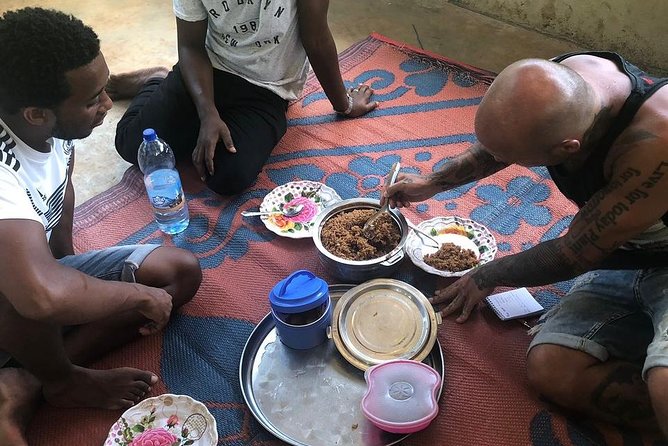
You’ll enjoy your homemade meal together after cooking. In other words, this isn’t a show where you get a tiny sample and leave hungry. The intent is to produce a full shared meal you take part in.
Because the dishes are described as traditional Zanzibari cuisine, the flavors are tied directly to the ingredients you harvested. That’s why the farm visit doesn’t feel like a separate activity bolted on for “context.” It’s part of the same meal.
If you’re wondering what to expect from a taste perspective, the best approach is to come in with an open mind. Zanzibar cooking uses spice-forward ingredients, and the point of the lesson is to show how to balance those flavors through technique, not through complicated equipment.
How to get the most from the meal
- Stay present during the tasting. Listen to how the local teacher talks about the dish.
- If something tastes surprising, ask what changed (timing, spice amount, or preparation method).
- Don’t be shy about taking part in tasks that feel small—often those steps make the biggest difference.
And yes, you can treat this as a lunch plan. Then you can plan your evening without worrying about finding something that doesn’t repeat the experience.
Price and Value: What You’re Paying For at $68
At $68.00 per person, this tour sits in a mid-range zone for Zanzibar. The value comes from what’s bundled into that price:
- Transport in an air-conditioned vehicle
- Spice farm visit with guided explanation
- Harvesting of ingredients
- Cooking class with local teaching
- A meal you cook and eat together
- Private tour format for your group
- Mobile ticket and confirmation at booking
If you tried to piece these together separately, you’d likely spend time coordinating guides and transport on your own. Here, the day is built as one flow: farm → lesson → meal → return.
Also, there’s group discount mentioned. So if you’re traveling with friends or family and can fill out the group slots, this becomes even easier to justify.
One more practical value point: people often book this around 44 days in advance, which suggests it’s a popular half-day option. If your trip dates are firm, it’s smart to lock it in early so you get the time you want.
Who This Tour Fits Best (and Who Should Rethink It)
This tour is a great match if you want:
- A cultural food experience that’s hands-on, not just observational
- A half-day plan that’s focused and not exhausting
- A structured day with farm explanations and immediate cooking application
- A private-group feel with personal attention from your guide
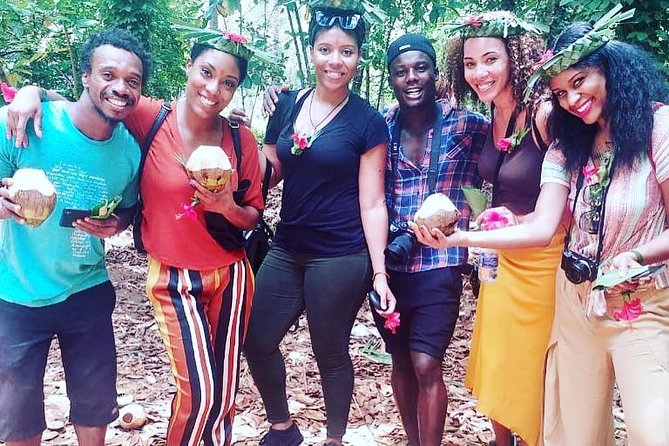
It’s especially good for couples and small groups who like learning through doing. It’s also a strong option if you’re staying near Stonetown and want a meaningful activity without crossing the island for hours.
It may not be ideal if:
- You need a perfectly quiet, separate, hotel-like classroom environment for cooking
- You prefer cooking demos with no participation
- You’re looking for a longer day with lots of stops and sightseeing variety
Practical Tips Before You Go
A few simple choices can make the experience smoother:
- Wear breathable clothing for the farm walk. You’ll be outside and moving.
- Bring a hat and sunscreen. Even with a morning start, sun exposure adds up.
- Come ready to smell things closely. If you’re sensitive to strong aromas, give yourself a moment to adjust as you move through the plants.
- If the guide shares ingredient tips during the farm part, write them down in your phone notes. Those details help when you’re cooking and can make the meal feel like your own recipe later.
Also, since the experience ends back at the meeting point on Kajificheni Street, it’s easy to plan a Stonetown walk afterward. You’ll be back in the same area you started.
Should You Book This Zanzibar Spice-and-Cooking Tour?
If you want a Zanzibar experience that connects spice farm learning with real cooking, book it. This is the kind of tour where the structure makes sense: you harvest ingredients, learn how to use them, cook as a group, and then eat the results. The staff’s friendly approach and the emphasis on explanation are recurring strengths.
I’d especially recommend it if you like food experiences that don’t feel staged. The cooking lesson’s home-style feel may be a plus for you if you enjoy everyday local settings. If you’re the type who prefers a very controlled space, just know that the kitchen environment might be less formal than a dedicated cooking studio.
FAQ
What time does the tour start?
It starts at 09:30 in the morning.
How long is the experience?
The duration is about 4 hours 30 minutes.
Where does the tour begin?
It begins at Kajificheni Street (Kajificheni St, Zanzibar, Tanzania).
Is pickup offered?
Pickup is offered, and the tour uses an air-conditioned vehicle.
Where is the spice farm located?
The spice farm is in Kizimbani, about 15 kilometers northeast of Stonetown.
What happens during the spice tour?
You’ll get a guided tour through the spice farm, including smelling, tasting, and harvesting important ingredients.
Who teaches the cooking class?
A local woman teaches you how to prepare and cook the traditional food.
What do you do after cooking?
You enjoy the homemade meal together with your hosts, and then you head back around 2:00.
Is this a private tour?
Yes. It is a private tour/activity, and only your group participates.
What is the cancellation policy?
You can cancel for a full refund up to 24 hours before the experience’s start time. If you cancel less than 24 hours before, the amount is not refunded.