REVIEW · TAIPEI
Taipei Cooking Class & Market Adventure in Historic Dadaocheng
Book on Viator →Operated by Dadaocheng Cooking Class BeMyGuest Taipei|大稻埕好客台北料理教室|ビーマイゲスト台北 · Bookable on Viator
Old Taipei food feels more personal when you learn it in place. This cooking class pairs a street-and-market wander in Dadaocheng with hands-on cooking led by Alex, a friendly instructor who speaks English, Chinese, and some Japanese. You’ll get a practical feel for what locals buy, why they buy it, and how that turns into real Taiwanese meals.
Two things I like a lot: the small group size (max 6) makes it easy to ask questions, and you cook the day’s menu from scratch using ingredient lists you actually see and discuss. One potential downside to note up front: there can be structured group-photo moments for social media, so if you hate that, you may want to mentally plan for it.
In This Review
- Key highlights to know before you go
- Dadaocheng on Dihua Street: where you start eating with your eyes
- Meet Alex at No. 356, Section 1, Dihua St (and what that means for your morning)
- The Dadaocheng market walk: tasting, talking, and learning what to buy
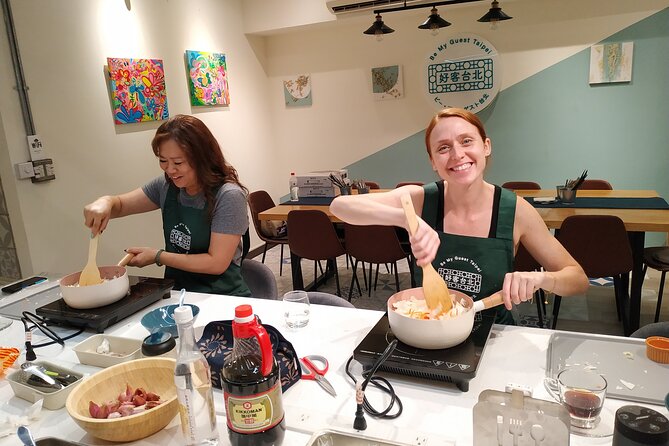
- The cooking part: small class energy, big ingredient focus
- What you’ll actually learn in the kitchen (and how it helps you later)
- Small group comfort, language support, and family-friendly details
- Price and value: is $90 worth it?
- Things to consider before you book
- Should you book the Taipei Cooking Class in Dadaocheng?
- FAQ
- FAQ
- What time does the cooking class run?
- Where do I meet, and does it end nearby?
- What dishes are cooked on different days?
- What languages does Alex use during the class?
- Is the class suitable for kids?
- Can the class accommodate allergies or dietary restrictions?
Key highlights to know before you go
- Dihua Street meeting point in historic Dadaocheng sets the tone for what you’re about to cook.
- Market adventure plus tastes helps you connect ingredients to flavor before you pick up a knife.
- Alex’s multilingual help makes the experience workable even if your Mandarin is basic.
- Day-by-day menus let you choose what you want to learn (risotto, beef noodle soup, scallion pancakes, or braised pork rice).
- Max 6 people keeps the pace calm and the questions coming.
- Kids under 12 can join for free if they don’t cook, and they can share the food.
Dadaocheng on Dihua Street: where you start eating with your eyes
Taipei’s old trade-and-market district is the right setting for learning Taiwanese food. You’re meeting on Dihua Street in Dadaocheng (Datong District), not in some generic tourist kitchen. That matters because Taiwanese cuisine is ingredient-driven, and markets are where you see the real starting point—dried goods, fresh herbs, preserved items, and the exact cuts people choose for everyday dishes.
This tour is designed as a two-step experience. First you walk and taste through traditional market stops. Then you move into the cooking school and make your dish. That structure is practical: it turns a list of ingredients into something you recognize. Once you’ve seen how items look and smell, the cooking steps make more sense.
Another reason the setting works is the host’s style. Alex is friendly and kind, and he likes to share stories along the alleys. Even if you only catch parts of the explanation, the combo of walking plus cooking helps you learn by doing—not just by watching.
You can also read our reviews of more tours and experiences in Taipei.
Meet Alex at No. 356, Section 1, Dihua St (and what that means for your morning)
The experience begins and ends back at the same starting point: No. 356, Section 1, Dihua St, Datong District, Taipei City, Taiwan 103. It’s a simple loop, which is helpful when you’re also planning other Taipei stops the same day.
The class runs daily except Monday, with a scheduled time of 09:30–12:30 and about 3 hours total. That timing is ideal if you want a food-centered morning without losing your afternoon.
Alex’s communication is another real-world plus. The class is mainly conducted in English, and he also speaks Chinese and some Japanese. In practice, that means you can ask basic questions even if your cooking vocabulary is limited, and you’re not stuck waiting for perfect language coverage.
One more “you’ll feel this later” detail: the group is capped at 6 people. When the class is small, the instructor can watch your technique and adjust in real time—especially helpful for dishes where timing and heat matter.
The Dadaocheng market walk: tasting, talking, and learning what to buy
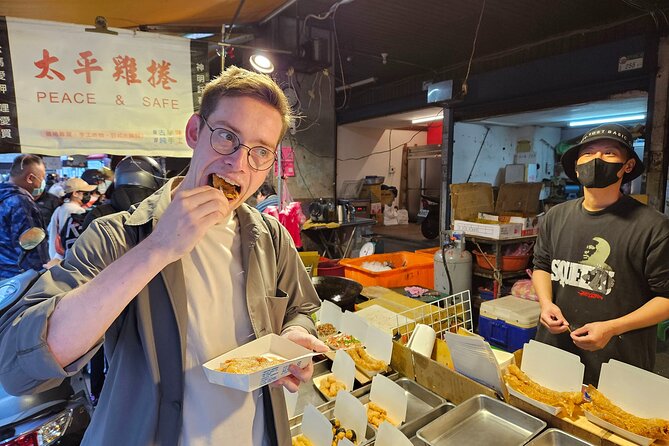
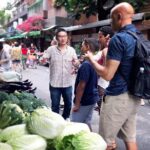
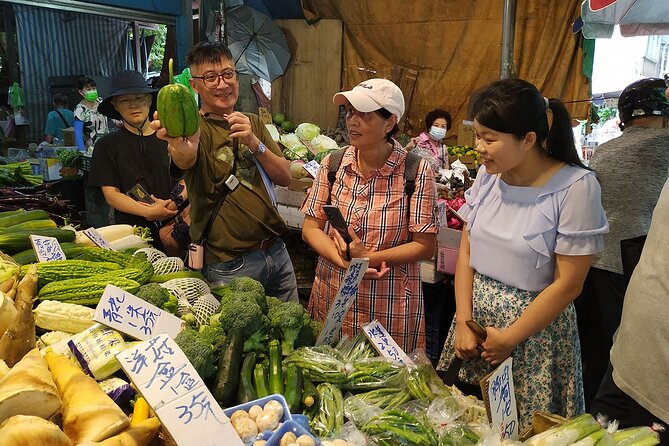
Before you cook, you get the market adventure. You’ll follow Alex through Dadaocheng streets and then into a traditional market where you can taste authentic local delicacies. The point isn’t just sampling. It’s learning how ingredients behave in real Taiwanese cooking.
You may also get the chance to chat with vendors. That’s where you can pick up tiny but useful facts—what locals look for, what’s seasonal, and why certain staples show up in specific dishes. If you’re the type of traveler who likes to ask questions (even simple ones), this part is a good fit.
Also keep your eyes open for how Taiwanese ingredients are used in different ways:
- Dried items for deep flavor and aroma
- Fresh aromatics for sharp, clean top notes
- Bean pastes, spices, and preserved fats for backbone flavor
This kind of pre-cooking tasting changes how you approach the stove. You’re not just following steps; you’re translating flavors you already sampled.
A small caution: if weather is poor, the experience may be canceled and you’ll be offered a different date or a full refund. Since the walk is part of the format, it’s worth dressing with rain in mind when you book.
The cooking part: small class energy, big ingredient focus
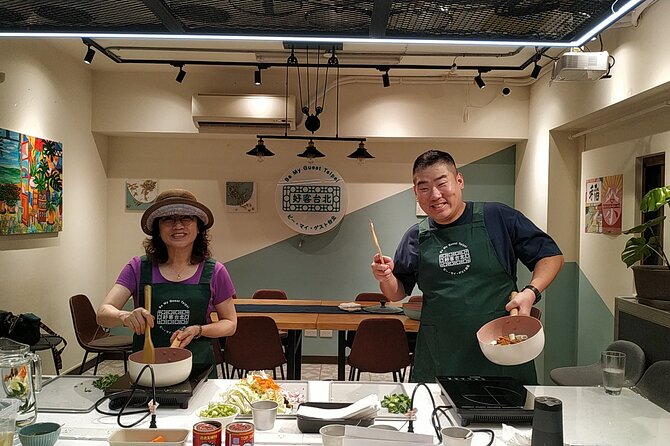
This is the part I’d prioritize. The class is structured around making Taiwanese cuisine from scratch, and that’s exactly where the small-group format pays off. With up to 6 people, you’re less likely to feel like an extra body in a demo kitchen.
You also get a clear handle on what you’re cooking because the menu changes by day. Here are the daily options:
- Tue: Taiwanese Risotto Youfan
Key ingredients include sticky rice, pork, dried mushrooms, dried shrimps, daikon radish, pork ribs, and shallots.
- Wed: Braised Beef Noodle Soup
Includes beef, garlic, bean paste, green onion, tomato, chili, and spices.
- Thu: Scallion Pancakes
Uses spring onion, spices, wheat flours, and bean oil.
- Fri: Luroufan (Braised Pork Rice)
Uses pork, shallots, pig skin, spices, and garlic.
- Sat: Braised Beef Noodle Soup
Same general dish focus as Wednesday.
- Sun: Luroufan (Braised Pork Rice)
Same general dish focus as Sunday.
So, how do you choose? Pick based on what you want to learn more than what you think sounds most fun. If you want technique with layered flavor, go for the braised dishes. If you want a crunchier, skill-based dough-and-pan result, scallion pancakes are a great choice. If you’re curious about a rice-based dish that’s more than plain comfort food, Taiwanese risotto Youfan is a strong option.
What you’ll actually learn in the kitchen (and how it helps you later)
Even without a long lecture, cooking lessons stick when they connect ingredients to outcomes. This class leans on that. The ingredient lists above aren’t random—they’re the core flavor drivers for each dish.
For example:
- In Youfan, the mix of sticky rice plus dried mushrooms and dried shrimps sets up a savory, aromatic base, while daikon radish and pork ribs help build the slow-braised kind of depth.
- In braised beef noodle soup, the combination of garlic, bean paste, tomato, and chili with spices is all about a sauce that tastes both savory and warm, not just salty.
- In scallion pancakes, wheat flour plus bean oil and spring onion point to a technique-heavy result—getting layers and pan texture right.
- In luroufan, pork plus pig skin and shallots signal a rich braise with a deeper mouthfeel than you get from lean meat alone.
That’s the value for you after class: you’ll know what the dish is trying to do. Then when you eat it elsewhere in Taipei, you’ll recognize whether the flavor is coming from aromatics, braise depth, spice, or sauce thickness—and you’ll be able to order with confidence.


Small group comfort, language support, and family-friendly details
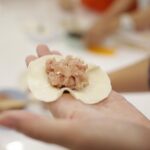
This class runs with a max of 6 people, so it doesn’t feel like a factory tour. That matters when you’re learning hands-on cooking. You can get quick checks on chopping, mixing, or dough handling instead of waiting your turn.
Language support is also a big practical point. The class is mainly English, and Alex also speaks Chinese and some Japanese. If you’re traveling with a phrasebook and a calm attitude, you should be fine.
This venue is also LGBT friendly, and that’s not always stated clearly in travel experiences. Here it is, so you can book with less guesswork.
Kids policy is another helpful detail: kids under 12 can join for free if they don’t cook, and they can share your food. If your child wants to cook, you should reserve seats for them. If you need help coordinating questions about kids, Alex can be contacted via WhatsApp.
If you’re bringing a service animal, note that service animals are allowed.
Price and value: is $90 worth it?
At $90 per person, this isn’t a cheap snack-and-watch class. But you’re paying for more than a recipe sheet.
Here’s what you’re getting for the money:
- A market and street adventure in Dadaocheng, not just a kitchen lesson
- Tasting of authentic items at traditional market stops
- A hands-on cooking session where you make the day’s dish from scratch
- A small class size (max 6), which usually means more instructor attention
- A host who likes to explain and share, with English plus additional language support
If you’ve done big group cooking classes elsewhere, you know the problem: you stand around while someone else does the work. Here, the format is built to keep you actively involved and supported. That’s why the price feels more reasonable.
The only time $90 may feel steep is if you mainly want a short meal and don’t care about the market portion or learning the ingredient logic. If that’s you, you might prefer a cheaper single-dish workshop. If you want food plus context, this is strong value.
Things to consider before you book
I’d flag three practical points.
First, the class is weather-dependent since it includes walking around before cooking. If weather gets bad, you may be offered a different date or a full refund.
Second, allergies and dietary restrictions need to be handled ahead of time. You should confirm allergies or dietary restrictions before booking, because no last-minute ingredient changes can be made on-site. If you have a serious allergy, treat this as non-negotiable planning.
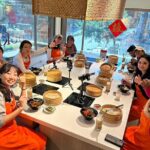
Third, the cooking part is the star—but there can be structured moments for group photos tied to social media marketing. If you dislike being photographed or don’t want that energy in your morning, you’ll want to mentally prepare.
Should you book the Taipei Cooking Class in Dadaocheng?
Book it if you want a real food morning: market walk, tastings, then cooking a Taiwanese dish from scratch with Alex in a max-6 setting. This is especially worth it if you’re the type who enjoys asking questions at stalls, learning ingredient choices, and leaving with a better sense of what makes each dish taste the way it does.
Skip it if you want only a quick, no-frills meal and you don’t care about market context. Also think twice if you strongly dislike any photo moments for social media.
FAQ
FAQ
What time does the cooking class run?
The class time is scheduled for 09:30–12:30 and lasts about 3 hours.
Where do I meet, and does it end nearby?
You meet at No. 356, Section 1, Dihua St, Datong District, Taipei City, Taiwan 103, and the activity ends back at the meeting point.
What dishes are cooked on different days?
The menu changes by day: Tue Taiwanese Risotto Youfan, Wed Braised Beef Noodle Soup, Thu Scallion Pancakes, Fri Luroufan-Braised Pork Rice, Sat Braised Beef Noodle Soup, Sun Luroufan-Braised Pork Rice.
What languages does Alex use during the class?
The class is mainly conducted in English. Alex also speaks Chinese and some Japanese.
Is the class suitable for kids?
Kids under 12 can join for free if they don’t cook, and they can share the food. If they want to cook, you’ll need to reserve seats for them.
Can the class accommodate allergies or dietary restrictions?
You should confirm allergies or dietary restrictions before booking. No last-minute ingredient changes can be made on-site.