REVIEW · TAIPEI
Taiwanese Food Culture and Cooking Class
Book on Viator →Operated by Make My Day Cooking Lab · Bookable on Viator
Taipei smells like dinner at home. This small-group cooking class pairs a morning market walk with home-style cooking, so you learn how Taiwanese people actually shop and cook. I love the focus on seasonal produce rather than just buying ingredients, and I like that you get recipes in English, Chinese, and Japanese if needed.
You’ll also get a real sense of everyday life through conversation, not just a scripted lesson. Chef Wayne—nearly 30 years in food, trained in traditional Taiwanese home cooking and later in Sicilian home-style Italian while living in Melbourne—teaches like a friendly host in a cozy, fully equipped studio. One thing to consider: the studio has no elevator and you’ll need to climb four flights of stairs.
In This Review
- Key Highlights You’ll Care About
- Dongmen Market Morning: Learn the How, Not Just the What
- Chef Wayne’s Studio Style: Home Cooking, Real Techniques
- What You’ll Cook: Themed Taiwanese Home Dishes
- Recipes in Three Languages: Why That’s Better Than It Sounds
- Conversation Is Part of the Meal
- Price and Value: Is $130 Worth 4.5 Hours?
- Practical Logistics That Actually Matter
- Who Should Book This Cooking Class
- Should You Book This Taipei Market-to-Kitchen Class?
- FAQ
- Where does the class start?
- How long is the cooking class?
- How many people are in the group?
- What language are the recipes provided in?
- Is there a vegan menu or dietary accommodations?
- Do you visit a market before cooking?
- Is the studio accessible by elevator?
- Can I cancel and get a refund?
Key Highlights You’ll Care About
- Dongmen Market, with tasting and ingredient education instead of a quick grab-and-go shopping spree
- Max six students cooking at once, with small-group attention
- Chef Wayne’s home-style teaching style, including technique tips you can repeat
- Seasonal produce emphasis, so the food makes sense in its season
- Recipes available in English, Chinese, and Japanese for follow-along cooking
- Four flights of stairs to the studio, which matters for mobility planning
Dongmen Market Morning: Learn the How, Not Just the What
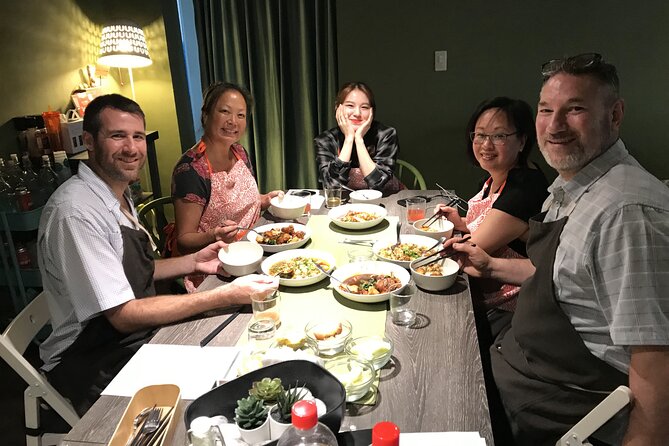
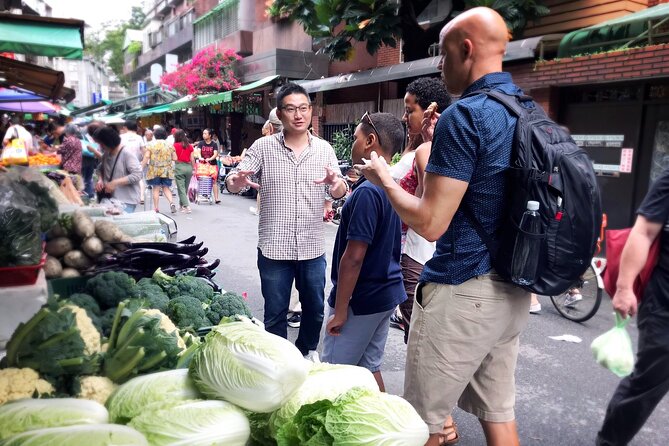
The day starts at Dongmen Market, with a meeting point in Taipei’s Da’an District (No. 168, Section 2, Xinyi Rd). You’re there at 9:30 am, which is ideal for seeing the market while it still feels like daily routine—not a staged attraction.
Here’s what makes this market time worth your time. Instead of treating it like a checklist of ingredients, the approach is about understanding what’s seasonal and why certain fruits and produce show up when they do. That changes how you think about Taiwanese cooking. You stop asking only, What’s in this dish? and start asking, Why this ingredient, right now?
You’ll also sample foods and drinks you might not recognize as a typical tourist order. That’s a big part of the value. Tasting shows you how flavors work together, and you get context for what locals treat as everyday food rather than a novelty. It’s the kind of “small reality check” that makes your later cooking lesson click.
If you’re the type who likes to watch how people buy, handle, and talk about food, you’ll get a lot out of this portion. If you hate standing in crowds and moving at market pace, you may want to mentally brace for a busy atmosphere—because markets are… markets.
You can also read our reviews of more tours and experiences in Taipei.
Chef Wayne’s Studio Style: Home Cooking, Real Techniques
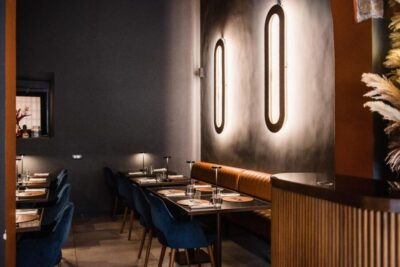
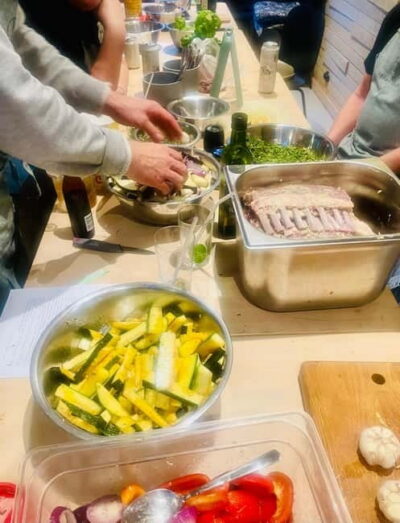
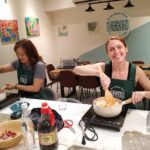
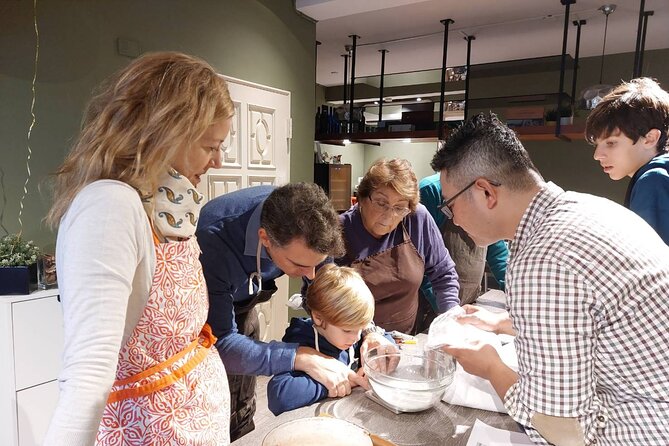
After the market portion, you move into the cooking studio for the hands-on class. This is a cozy, homy, fully equipped kitchen setup designed for small groups. The ceiling here isn’t “professional TV cooking.” It’s home-style instruction, the way someone might teach a friend who’s visiting their kitchen.
The key detail for comfort and learning: the session size is small—maximum six students in the class format—even though the overall tour limit is up to ten travelers. That smaller cooking group is what lets you ask questions and actually get feedback, whether you’re a total beginner or you already cook at home.
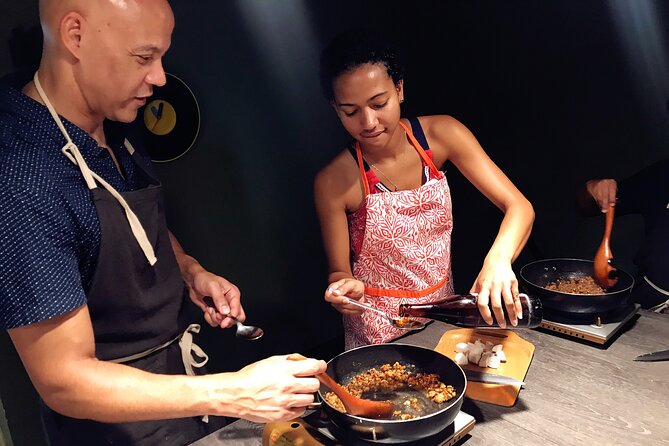
Chef Wayne teaches with both structure and conversation. One review highlights an outstanding stir fry experience and learning new techniques, and that fits the general vibe: you’re not just following steps, you’re learning the “why” behind the steps so you can cook again later without guessing. You should expect technique talk—timing, heat control, and how ingredients are handled—because that’s the only way home-style cooking becomes repeatable.
Wayne’s background is part of what makes the lesson feel personal. He learned traditional Taiwanese home cooking from his mother, then later mastered Sicilian home-style Italian cuisine while living in Melbourne with an Italian grandmother. That mix tends to produce teaching that’s practical and human, not robotic.
What You’ll Cook: Themed Taiwanese Home Dishes
This class is built around different Taiwanese cuisine themes (the exact menu can vary by course), and the course is designed to feel like you’re learning everyday cooking instead of performing “cooking show” dishes for visitors.
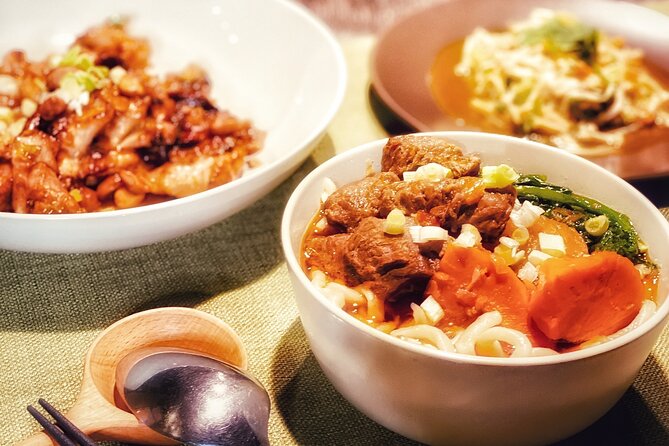
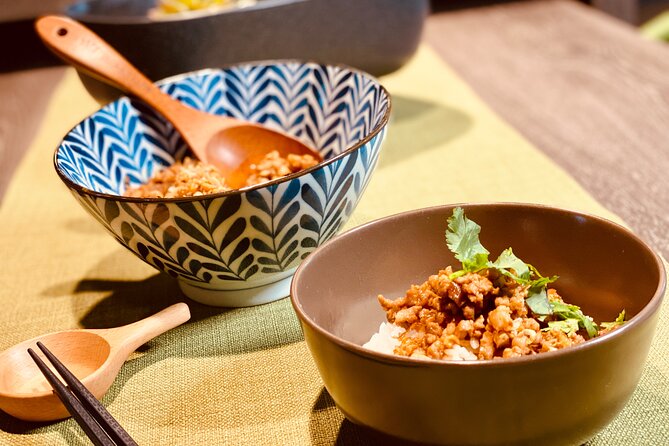
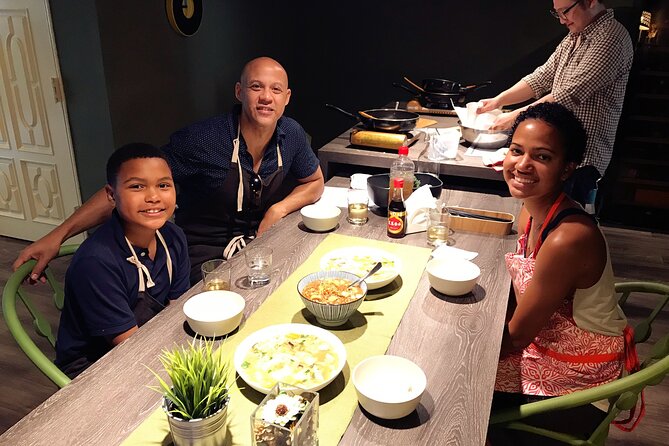
What you can count on is the teaching goal: ingredients you sampled at the market become the center of the cooking lesson, so nothing feels random. You’ll work through recipes provided in multiple languages if needed, which matters a lot in a bilingual or multilingual city like Taipei. Having the recipe support in English, Chinese, and Japanese helps you cook with confidence instead of translating in your head while your pan is getting hot.
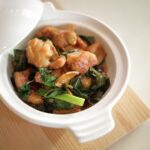
You’ll likely cook familiar-feeling staples with Taiwanese home-style flavor logic—think quick pan work, sauced dishes, and techniques that show up often in real kitchens. One of the reviews specifically points to stir fry technique, so if you’re hoping to improve that skill, this class is a good bet.
Also note the pacing: total duration is about 4 hours 30 minutes. That’s long enough for you to shop, cook, eat, and ask questions, without feeling like an all-day food marathon.
Recipes in Three Languages: Why That’s Better Than It Sounds
A surprising win here is the recipe support. The course provides recipes in English, Chinese, and Japanese if needed, so the class can meet you where you are. That’s not just a convenience. It affects how much you learn.
When you can read the recipe in a language you’re comfortable with, you’ll:
- understand ingredient quantities and substitutions better
- notice steps you’d normally miss (like when to add something)
- follow technique explanations without getting lost
You also leave with something you can actually use at home. That’s the real souvenir here: a cooking method plus a repeatable recipe, not just photos of dishes you won’t recreate.
If you have dietary needs, recipes and meal planning matter even more. Vegan menu availability is supported on request, and special dietary requirements can be discussed and catered for before booking for both the market tour and cooking class. That means you’re not stuck showing up hoping it all works out.
Conversation Is Part of the Meal
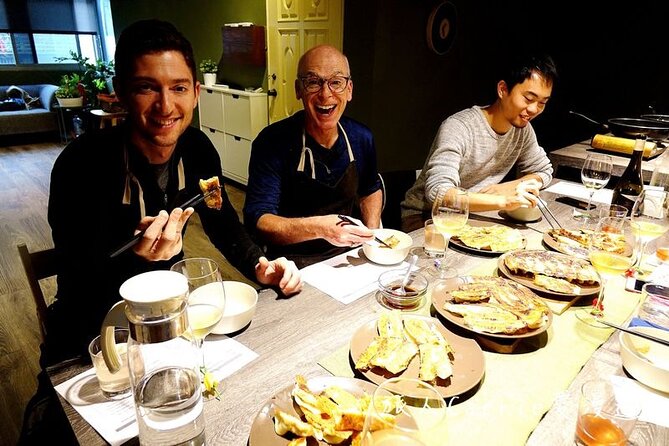
This is not a “listen quietly, cook in silence” style class. The whole point of the format is close conversation—about food, ingredients, and cultural differences. Wayne welcomes questions and discussion, and the overall lesson is designed to feel like you’re visiting a Taiwanese home.
The market segment sets up the conversation naturally. You learn why someone might choose one fruit over another, what a drink is for during the day, and how produce connects to everyday routines. Then the kitchen lesson turns those observations into dishes you can cook.
One review in Japanese captured the feeling really clearly: guidance through the nearby market, tasting along the way, and lots of enjoyable talk across food, ingredients, and sightseeing-related topics. That’s exactly the kind of experience you should expect if you like people and food stories, not just instructions.



Price and Value: Is $130 Worth 4.5 Hours?
At $130 per person for about 4 hours 30 minutes, this isn’t a budget splurge. But it can be good value if you treat it like a full food lesson, not just an activity.
Here’s why the cost can make sense:
- You get two big experiences in one: market education plus hands-on cooking
- The format is small-class focused (max six cooking students), so attention is more likely to land on you
- Quality ingredients are emphasized, and tastings are part of the market portion
- You leave with recipes in multiple languages, so you can cook again at home
What might make it feel steep? If you’re only interested in eating, not learning techniques, you may not get as much “use” from the cooking instruction. If you just want street food samples and don’t care about cooking at all, there are cheaper ways to eat in Taipei.
Also, timing matters. On average, it’s booked about 18 days in advance, so if you want a specific date, plan ahead instead of waiting until the last week.
Practical Logistics That Actually Matter
This experience uses a mobile ticket, and you receive confirmation at booking. It’s near public transportation, so getting there shouldn’t be a major headache.
The biggest practical consideration is physical access: the studio has no elevator, and you’ll need to climb four floor stairs. If mobility is an issue, factor that in before booking.
It’s also a good option if you travel with a service animal—service animals are allowed.
Because dietary needs are supported, don’t assume. If you’re vegetarian or need a vegan menu, request it ahead of time. If you have allergies or more specific needs, bring them up before booking so the market tour and cooking class can be adjusted.
Who Should Book This Cooking Class
You’ll probably love it if:
- you want a Taiwanese food experience that’s not just sightseeing
- you enjoy markets and want to understand what’s seasonal and why
- you want hands-on cooking with recipe help in a language you can read
- you like talking with your host and learning cultural context
You might skip it (or consider something else) if:
- you can’t handle stairs to the studio
- you want a purely passive food tour with minimal cooking
- you’re only seeking quick street snacks rather than a teach-and-learn format
Should You Book This Taipei Market-to-Kitchen Class?
Yes, if you want the most useful kind of souvenir: a method you can repeat at home. The combination of Dongmen Market learning, small-group cooking, and Wayne’s home-style approach adds up to a class that teaches you how Taiwanese cooking fits into daily life.
I’d book it if you care about technique (especially pan work like stir fry), seasonal ingredients, and getting recipe support that’s actually readable in your preferred language. And I’d think twice only because of the stairs—everything else is designed to be friendly, small, and practical.
FAQ
Where does the class start?
It starts at No. 168, Section 2, Xinyi Rd, Da’an District, Taipei City, Taiwan 106. The experience ends back at the meeting point.
How long is the cooking class?
It lasts about 4 hours 30 minutes.
How many people are in the group?
The class is small. It has a maximum of 10 travelers overall, and the cooking session has a maximum of six students per session.
What language are the recipes provided in?
Recipes are available in English, Chinese, and Japanese if needed.
Is there a vegan menu or dietary accommodations?
A vegan menu is available on request. Special dietary requirements can be discussed and catered for before booking for both the market tour and the cooking class.
Do you visit a market before cooking?
Yes. You start at Dongmen Market, and you’ll also have the chance to sample foods and drinks during the morning market portion.
Is the studio accessible by elevator?
No elevator is available. You’ll need to climb four floor stairs.
Can I cancel and get a refund?
Yes. Free cancellation is available. You can cancel up to 24 hours in advance for a full refund, based on local time.