REVIEW · TAIPEI
Street Food Cooking Class in Taipei : Gua Bao/Lu Rou Fan/Boba Tea
Book on Viator →Operated by CookInn Taiwan · Bookable on Viator
Food in Taipei is one thing. Cooking it is another. This hands-on xiao chi class teaches you how to build classic street flavors step-by-step, not just snack your way through. I especially like the small-group feel and the clear focus on the big three: gua bao, lu rou fan, and bubble tea. One thing to consider: bubble tea pearls take patience and timing, so if you’re expecting instant results, plan for a little hands-on learning curve.
The class runs about 2 hours and ends where you start, with a meal you helped make. You’ll work with steam buns, braised pork belly, and chewy tapioca pearls, plus you’ll shake your own drink. I’m glad the instruction is hands-on, and in past sessions the chef (Angela) was known for staying patient and helpful, including with kids around ages 8–11.
In This Review
- Key Highlights I’d Not Skip
- Why Xiao Chi Cooking Beats a Typical Food Tour
- Getting There: CookInn Taiwan in Zhongshan
- Your 2-Hour Menu: Gua Bao, Lu Rou Fan, and Bubble Tea
- Gua Bao: The Steamed Bun and the Pork Belly Core
- Lu Rou Fan: Braised Pork Belly that Tastes Like a Classic
- Bubble Tea from Scratch: Chewy Pearls and a Good Shake
- What You Eat at the End (and How to Leave Full)
- Small-Group Instruction and Angela’s Hands-On Help
- Price and Value: What $79 Buys in Real Life
- Who Should Book This Class (and Who Might Not)
- Should You Book This Cooking Class?
- FAQ
- What dishes will I learn to make in this class?
- How long is the street food cooking class?
- Where is the meeting point in Taipei?
- What time does the class start?
- How large is the group?
- Do I get a mobile ticket and confirmation when booking?
- Is there free cancellation?
Key Highlights I’d Not Skip
- Small group (max 8) means you get real attention while you cook
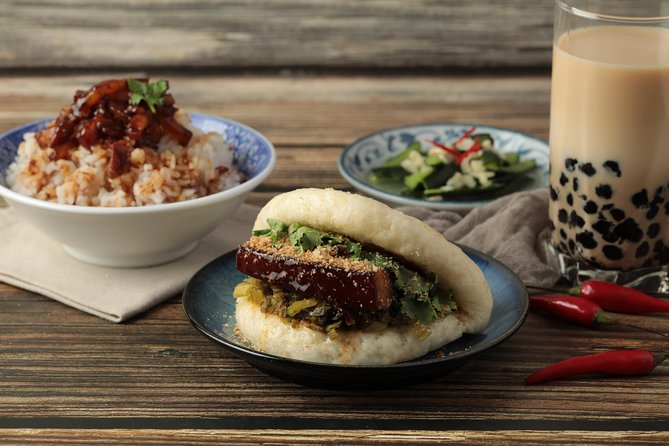
- Gua bao from scratch, including the steam bun and the braised filling
- Lu rou fan focuses on the pork belly braise that gives the dish its soul
- Bubble tea making includes tapioca pearls from scratch and shaking your drink
- You eat at the end, so you leave full and not just holding a recipe card
- Recipe book souvenir helps you repeat the dishes at home
Why Xiao Chi Cooking Beats a Typical Food Tour
If Taipei street food is the soundtrack, this class is you learning how the instruments work. You don’t just watch dishes move past a counter. You handle ingredients, follow timing, and understand why Taiwanese street-food favorites taste the way they do.
The big idea here is xiao chi, meaning small eats. These are bite-sized classics that are meant to be grabbed, shared, and eaten hot. Cooking them teaches you what street stalls do well: flavor building, texture control, and fast, repeatable methods. And because you’re making multiple dishes, you start seeing the overlap. Braised pork techniques show up in more than one plate. The bun texture matters as much as the filling. Even bubble tea becomes less mysterious when you make the pearls yourself.
A practical note: you should come hungry. The class ends with a meal made from your own work, so you’re not just paying for lessons—you’re paying for lunch or an early afternoon meal.
You can also read our reviews of more tours and experiences in Taipei.
Getting There: CookInn Taiwan in Zhongshan
You meet at CookInn Taiwan in the Zhongshan (中山) area: 103, Taipei City, Datong District, Section 1, Chengde Rd, 66号, 2樓. The start time is 2:30 pm, and the experience ends back at the same meeting point.
Why this matters: Zhongshan is easy to reach from many parts of Taipei, and starting in the afternoon helps you avoid a stressful morning scramble or late-night logistics. Also, since the class ends where you meet, you don’t have to plan a post-class transit puzzle. You can get out of the building, find dessert or a quick snack nearby, and still keep your day on track.
The class uses a mobile ticket, so you’ll want to have your phone charged. Confirmation happens at the time of booking, so you can plan with less uncertainty once you lock in your date.
Your 2-Hour Menu: Gua Bao, Lu Rou Fan, and Bubble Tea
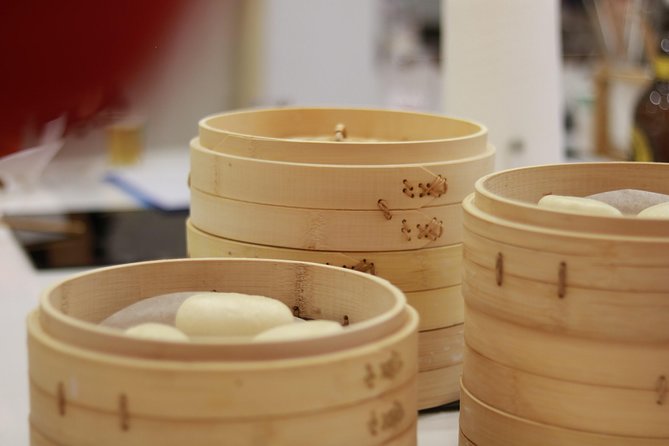
The schedule packs in three Taiwan hits: gua bao, lu rou fan, and bubble tea. In around two hours, you’ll do more than assemble plates. You’ll learn core steps that shape flavor and texture.
Here’s the flow of what you can expect to work on:
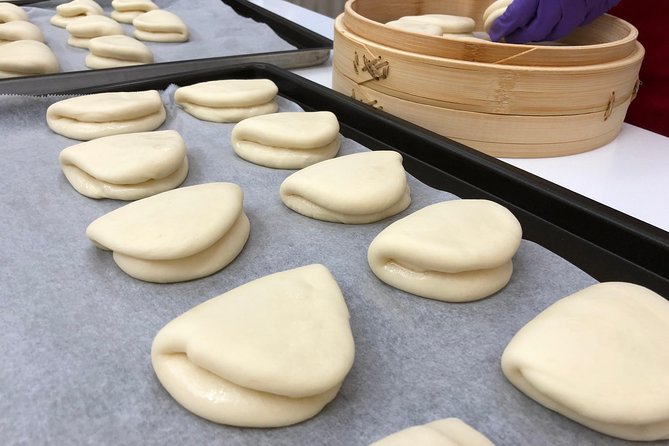
- Gua bao basics: you learn how to make the steamed bun and get the braised pork belly ready to pile in
- Lu rou fan: you braise classic pork belly techniques and apply them to the dish
- Bubble milk tea: you make tapioca pearls from scratch and then shake your drink yourself
This is a good mix of savory and sweet. It also creates a learning arc. You’ll start with savory techniques (steaming and braising), then switch to a dessert drink where texture control matters just as much.
Two hours sounds tight, but the class is built for that time window. It’s also capped at 8 travelers max, so you’re not waiting around for your turn. When small groups work, cooking classes feel like a workshop instead of a conveyor belt.
Gua Bao: The Steamed Bun and the Pork Belly Core
Gua bao is often described as a Taiwanese hamburger, but the real magic is how simple pieces become satisfying. The bun needs to be soft with the right chew and structure so it can hold filling without falling apart. And the pork belly filling has to be braised enough to melt, with seasoning that tastes layered rather than just salty.
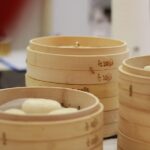
In this class, you’ll learn how to make the steam buns for gua bao and pick up tips for braising the pork belly. That braise is where a lot of street-food flavor comes from: low, patient heat that breaks down fat and collagen until the meat turns silky.
The real value for you is the “how,” not just the “what.” Once you understand the braise and bun build, you can recreate it at home even if you can’t find the exact same local ingredients. You’ll also learn how to portion and stack so the sandwich feels balanced, not like a heavy bowl of pork.
One more texture lesson: gua bao works when the bun and filling meet while both are warm. That’s a restaurant skill too, but it becomes much easier once you’ve made it with your own hands.
Lu Rou Fan: Braised Pork Belly that Tastes Like a Classic
Lu rou fan (braised pork rice) is one of those dishes that seems straightforward until you try making it and realize the timing and method matter. The goal is meat that’s tender, with a sauce that clings without being watery, and flavors that feel built instead of dumped.
You’ll focus on tips for braising classic pork belly, then apply it to the dish. This part is valuable even if you only care about one dish. Why? Braised pork techniques show up in a lot of Taiwanese food. Once you learn what makes the pork belly right, you can use similar logic for other comfort classics.
In real terms, this is what you’ll want to remember when you cook at home:
- Braising isn’t just about heat; it’s about letting the meat transform
- The sauce consistency matters for how it coats rice
- Balance is everything; pork belly is rich, so seasoning has to hold up
If you’ve ever wondered why street stalls taste better than your first attempt at home, this is the part where those differences start to make sense.


Bubble Tea from Scratch: Chewy Pearls and a Good Shake
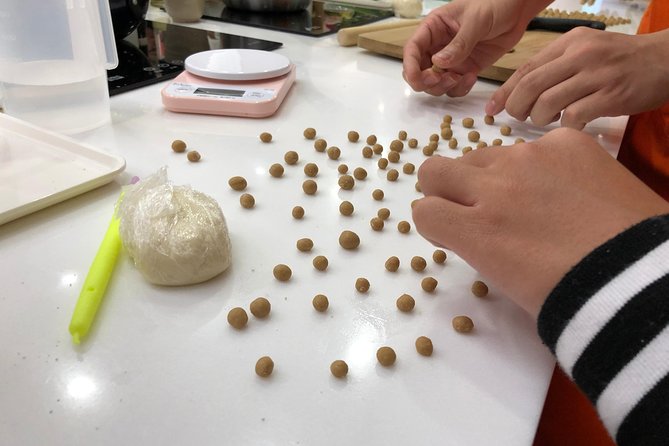
Bubble milk tea is Taiwan’s favorite drink that spread globally, but making it at home is where the myth gets broken. The pearls are not a throw-in ingredient. They have to be cooked correctly for the chewy bite people expect.
In the class, you’ll make tapioca pearls from scratch. That’s the hardest skill in the set, and it takes attention. Past participants noted that the boba process can be challenging, and that checks out. Getting the right chew depends on timing and handling after cooking.
Once the pearls are ready, you’ll shake your own cup of bubble milk tea. That step sounds simple, but it’s actually a quick lesson in portioning and texture. You want pearls evenly mixed, not clumped at the bottom like a sad science experiment.
My practical take: if you’re the type who likes watching a clock and adjusting on the fly, you’ll enjoy this part. If you hate waiting for boiling water moments, you still can have fun, but you’ll want to lean into the process and let the class timing do its thing.
What You Eat at the End (and How to Leave Full)
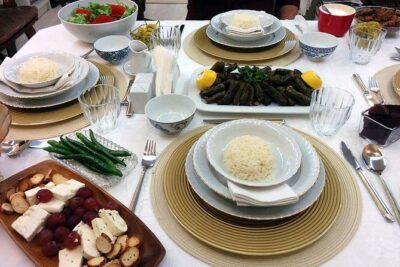
The best part of this style of class is the payoff: you sit down to enjoy your meal after cooking. That means you’re not just taking home recipes. You’re eating the result while the flavors are freshest and while the techniques are still fresh in your mind.
The meal typically centers on what you cooked: gua bao, lu rou fan, and bubble tea. So you’ll leave with a full plate of savory comfort plus your own sweet drink. Come hungry and you’ll have a solid afternoon meal; show up already snacked and you might wish for more room.
For value, this matters. A lot of cooking classes teach you something and then send you off with only a light tasting. Here, you get enough to feel satisfied—like you actually used your time.
Small-Group Instruction and Angela’s Hands-On Help
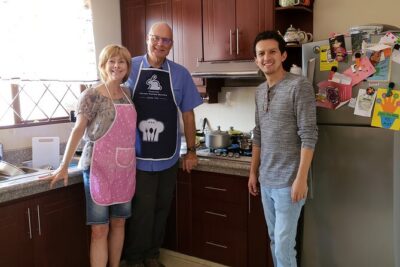
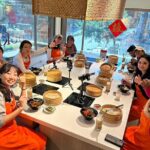
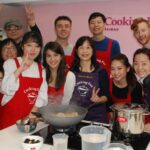
One reason this class earns such high marks is the small-group size. With a maximum of 8 travelers, questions don’t get lost. You can ask about timing, how something should look, or what to do if your bun dough behaves differently than you expected.
In past sessions, the instructor was described as friendly and highly capable, with Angela specifically called out for being helpful and interesting. That kind of teaching style matters in a hands-on class. When you’re working with steam buns and braising, you need feedback that’s immediate, not vague.
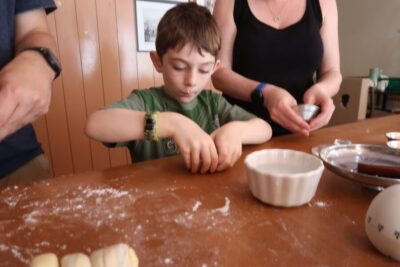
Another practical plus: the class includes experience that works for families. One example mentioned Angela being patient with kids aged 8, 10, and 11 and involving them in the process. So if you’re traveling with children who like to cook, this is one of the more sensible ways to keep them engaged without turning the day into a museum-style patience test.
Price and Value: What $79 Buys in Real Life
At $79 per person, this isn’t the cheapest way to eat in Taipei. But you’re not paying for a “walk and taste” food tour. You’re paying for:
- a hands-on cooking session
- instructor guidance in a group capped at 8
- time to make multiple dishes
- a meal you actually eat
For many people, the value comes from the recipe book. Participants described getting a recipe book to take home, which turns your class time into something you can use again. Even if you don’t cook everything exactly the way you did in the class, having a reference helps you recreate the flavors with fewer guesses.
Think of the cost as buying instruction plus edible output. If you would normally spend money on multiple street snacks and drinks anyway, this class can feel less like an added expense and more like a planned, structured experience with a real takeaway.
One caution on value: bubble tea making takes focus. If you want passive sightseeing, this isn’t that. It’s active learning. The payoff is worth it if you like doing things, not just watching.
Who Should Book This Class (and Who Might Not)
This cooking class is a great match if:
- you want to understand Taiwanese street food beyond taste alone
- you like hands-on learning and want repeatable methods
- you want a structured Taipei food experience that ends with a real meal
- you’re okay with one part being more challenging, especially bubble tea pearls
It’s also a good pick for a mixed group because the dishes are recognizable. Gua bao and lu rou fan are widely loved, and bubble tea is easy to connect to even if you’ve only had it from a shop.
You might think twice if:
- you hate kitchen work or prefer wandering over doing
- you’re in a rush with no flexibility for a cooking schedule
- you expect perfectly consistent boba pearls on the first try
The class is short, so you’ll learn fast and move on. That’s part of the charm, not a flaw.
Should You Book This Cooking Class?
I’d book it if you want Taipei food knowledge you can reuse. The combination of gua bao, lu rou fan, and bubble tea from scratch gives you a skill set, not just a tasting list. The small group size helps, and the fact that you leave with your own meal and a recipe book makes the price feel more grounded.
Don’t book it if you’re looking for a relaxed stroll. This is a working kitchen. You’ll be steaming, braising, portioning, and timing pearls. If that sounds fun, you’ll likely have a memorable day.
If you’re still deciding, here’s my simple checklist: bring an appetite, plan for bubble tea to be the trickier section, and give yourself enough room to enjoy the meal at the end.
FAQ
What dishes will I learn to make in this class?
You’ll learn to prepare gua bao (steamed bun and braised pork belly), lu rou fan (braised pork belly rice), and bubble milk tea, including making tapioca pearls from scratch.
How long is the street food cooking class?
The class lasts about 2 hours.
Where is the meeting point in Taipei?
You meet at CookInn Taiwan (Zhongshan 中山教室) at 103, Datong District, Section 1, Chengde Rd, 66号, 2樓, Taipei City, Taiwan.
What time does the class start?
The class starts at 2:30 pm.
How large is the group?
The class has a maximum of 8 travelers.
Do I get a mobile ticket and confirmation when booking?
Yes. You receive a mobile ticket, and confirmation will be received at the time of booking.
Is there free cancellation?
Yes. You can cancel for a full refund. The policy says you can cancel up to 24 hours in advance of the experience’s start time.