REVIEW · KYOTO
Ramen Gyoza Onigiri Japanese Cooking Class in Kyoto
Book on Viator →Operated by Friendship Adventures · Bookable on Viator
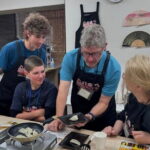
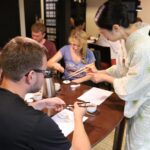
Kyoto smells great, but this class smells better. In 1.5 hours you make ramen broth, gyoza, and onigiri, then eat everything you build. I like the small group size (you actually get help), and I love that the focus is on the broth technique, not just assembly. One thing to consider: the menu has limits, and they do not accommodate many special diets.
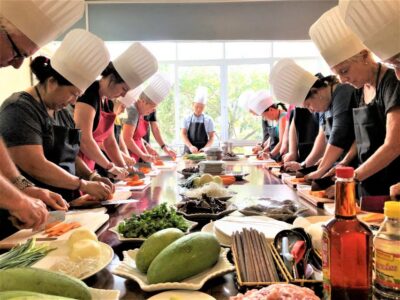
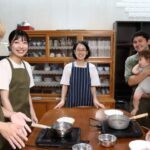
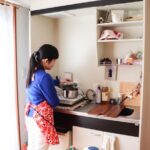
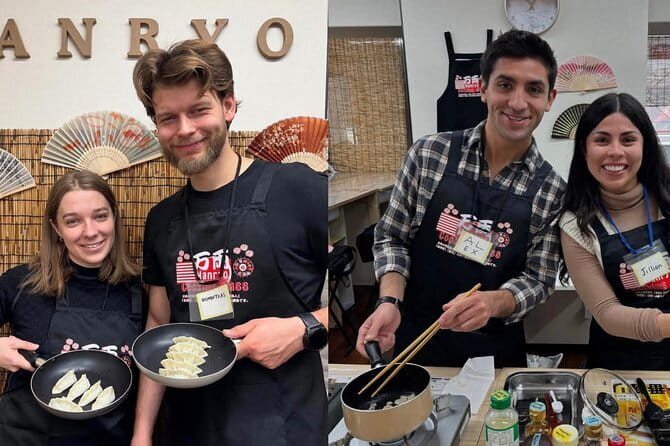
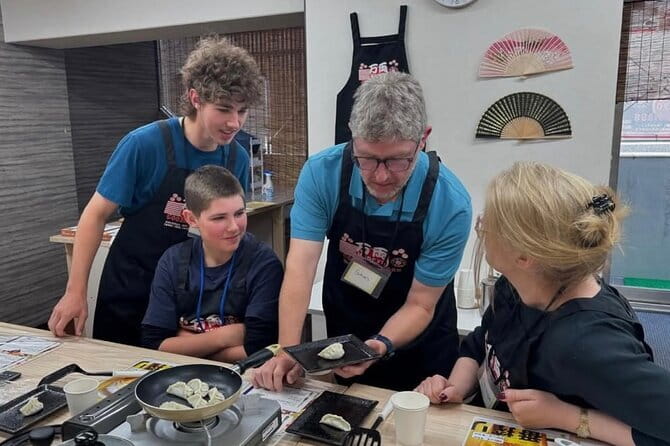
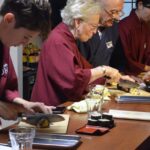
You’ll work with friendly English-speaking instructors at Manryo Japanese Cooking Class, and the pace is tightly managed so you finish full, not frantic. Chef Nori (and his team) run the session with clear steps, good humor, and lots of coaching on how to get the results you want.
If you’re expecting to make noodles from scratch or customize freely for every diet, plan differently. This is a broth-and-wrap class, and it’s strict about what they can and cannot swap.
In This Review
- Key things I’d plan around
- First Stop: Manryo Cooking Class and a Fast Start
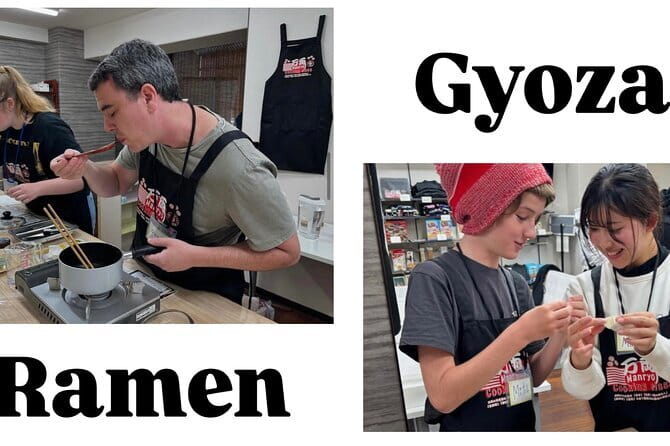
- What You Actually Cook in 1.5 Hours (No Noodle-Making)
- Ramen Broth Skills That Matter More Than You Think
- Gyoza Wrapping: The Hand Skill You’ll Actually Use Later
- Onigiri Shaping: A Grab-and-Go Skill for Home
- The End Part: Eating What You Cook (Lunch Included)
- Price and Value: Is $92.47 Worth It?
- Logistics in Kyoto: Meeting Point, Transport, and Time Savers
- Who This Cooking Class Fits Best
- Final Call: Should You Book?
Key things I’d plan around
- Small group (max 8): less waiting, more hands-on checking from Chef Nori and the team
- Ramen broth focus: you learn soup technique even though no noodles are made
- Two ramen styles: you leave knowing more than one broth approach
- Gyoza + onigiri together: wrapping and shaping skills that translate to home cooking
- Vegetarian switch is simple: tofu replaces pork, other ingredients stay the same
- Lunch included: your tasting is part of the experience, not an optional extra
First Stop: Manryo Cooking Class and a Fast Start
The class begins at Manryo Japanese Cooking Class in Sakyo Ward, near public transportation. You’ll use a mobile ticket, and you meet at the same location where the experience ends, so you don’t have to plan extra hops after you’re done eating.
This is the kind of activity where timing matters. You’ll be in the kitchen for about 90 minutes, and the team is clearly set up to move at a good clip. If you arrive late, you might feel it because the steps build on each other (broth first, then gyoza, then onigiri).
My practical advice: come with a basic level of readiness. You don’t need cooking skill, but you do want a clear head and enough space in your schedule to eat comfortably at the end. The class is organized, the instructions are easy to follow, and you’ll want to pay attention while your hands are moving.
You can also read our reviews of more tours and experiences in Kyoto.
What You Actually Cook in 1.5 Hours (No Noodle-Making)
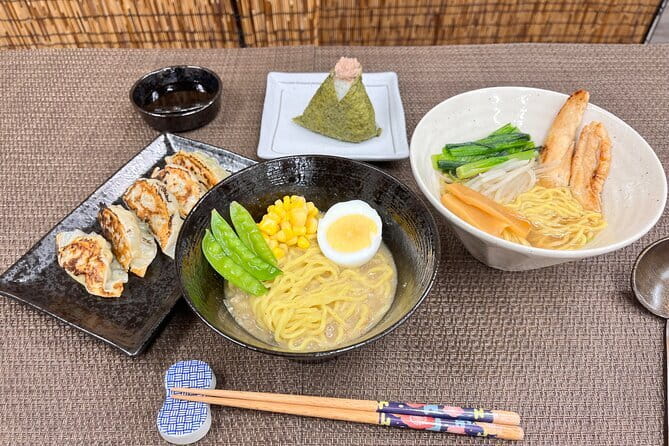
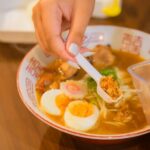
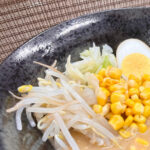
This class is built around three dishes that work well together: ramen, gyoza, and onigiri. The “ramen” part means broth only. You won’t be making noodles here, so you’re not learning wheat dough or cutting strands. Instead, you focus on how to build broth flavor with ingredients and seasonings that are realistic to recreate at home.
You also get a lot of variety for the time. Many classes pick one thing and go deep. This one covers more ground: you make two types of ramen broth, then switch gears to gyoza, and finish with onigiri (rice balls).
From the reviews, the flow feels almost choreographed, in the best way. The pace is fast but not chaotic, and the team keeps things organized while you’re doing the work.
Ramen Broth Skills That Matter More Than You Think
Ramen feels like one dish, but the part people chase is the broth. This class teaches you that directly. You’ll learn how to prepare a broth using ingredients and seasonings designed for a homemade, Japanese-style result.
The big win here is that broth is where most home cooks struggle. Noodles are available everywhere, but good soup takes technique: balancing flavors, timing how ingredients come together, and getting the overall “finish” right. This is why they focus on broth instead of noodles.
Chef Nori also shares background along the way. You might hear a short history of ramen before you start, which helps you understand why the flavors behave the way they do. Then you practice the technique while you’re still in “learning mode,” not after you’ve already forgotten what you were trying to do.
If you’re the type of traveler who wants one skill you can use at home, this is it. Once you can make a solid broth, you can build an easy ramen night around it with store-bought noodles and whatever toppings you like.
Gyoza Wrapping: The Hand Skill You’ll Actually Use Later
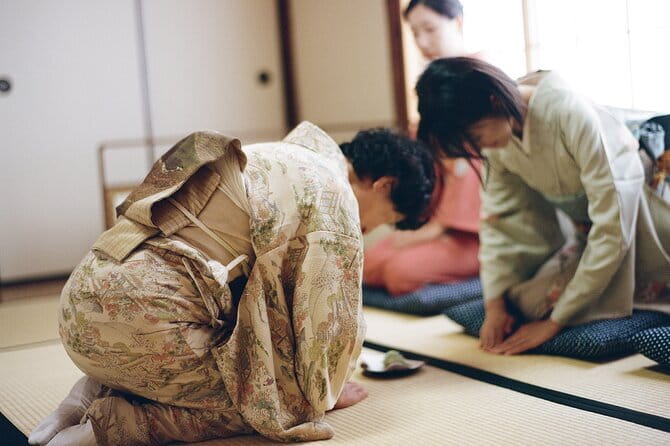
Gyoza is where the class becomes hands-on in a very satisfying way. You’ll learn how to wrap gyoza step-by-step. The instruction style is practical: you’re not just watching; you’re doing, and the team checks your process so you improve while it’s still easy to fix.
For the cooking part, regular and vegetarian menus differ in one key way. In the regular menu, it includes pork. In the vegetarian menu, only the pork is replaced with tofu; other ingredients stay the same. That means the class stays consistent in flavor building and technique.
Important diet reality check: there is no full dietary customization beyond that one swap. If you need vegan, pescatarian, gluten-free, halal, kosher, or other special diets, they cannot accommodate those categories. Also, they cannot accommodate guests under 13 years old.
So if you’re going with a group, decide early which menu you’re choosing. It’s better to lock it in than to hope for extra modifications on the day.
Onigiri Shaping: A Grab-and-Go Skill for Home
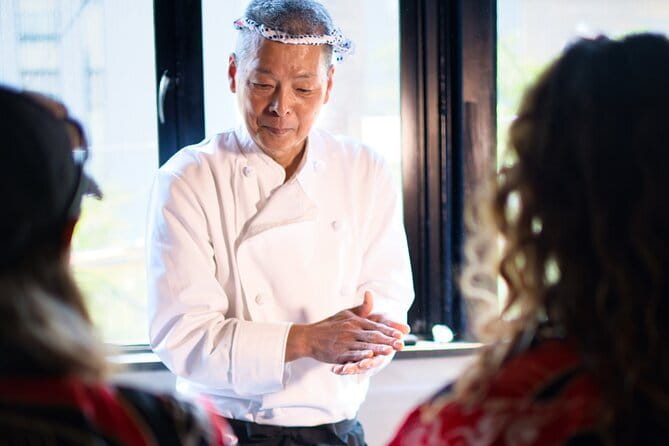
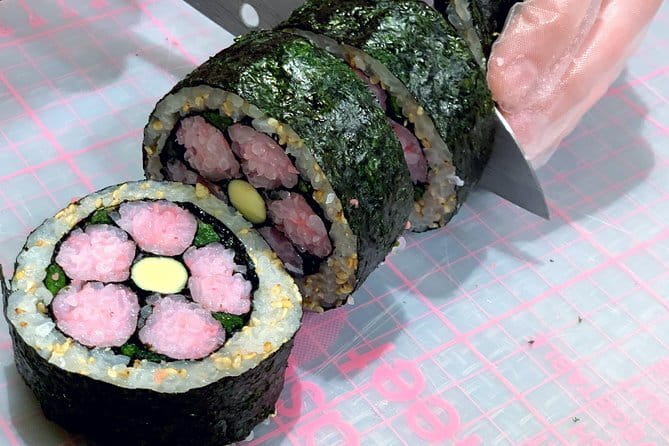
Onigiri might look simple, but shaping rice well is its own skill. You’ll learn how to wrap and form Japanese rice balls with the class recipe and your hands-on practice.
The reason I like adding onigiri to the ramen-and-gyoza plan is that it stretches your cooking beyond one meal. Ramen is great, but onigiri is practical: it can work as a snack, a lunch, or a “future you will thank you” food for days when you don’t want to cook from scratch.
In a short class, onigiri is also the perfect finish. It keeps your hands busy, your brain engaged, and it doesn’t require the same long cooking time as broth or dumplings. You end with a dish that feels complete and portable.



The End Part: Eating What You Cook (Lunch Included)
After cooking, you eat what you make. Lunch is included, and the class is built so you’re tasting at the end while everything is still at its best.
Based on the feedback, you should plan to arrive hungry. This isn’t a tiny tasting plate. The portions feel substantial because you’re making multiple components: two ramen broths plus gyoza and onigiri.
Also, the satisfaction factor is high. You’re not relying on someone else’s finished dish. You’re tasting your own broth work and your own wraps. That’s why the experience tends to stick in your memory as more than a “fun activity.”
Price and Value: Is $92.47 Worth It?
At $92.47 per person, this isn’t the cheapest thing on a Kyoto list. But it is also not trying to be cheap. You’re paying for instruction time, a tight workflow, and the fact that your meal is included.
Here’s the value math that matters:
- You learn three dishes in one session (with multiple components inside ramen and gyoza).
- The class is small (max 8), which means more direct help as you work.
- You focus on the hardest part for most home cooks: broth technique.
- Lunch is included, so you’re not adding another food stop after class.
From the reviews, the organization level is consistently praised. Clear instructions, good pacing, and quality ingredients are repeatedly mentioned. That’s important because cooking classes can be hit-or-miss when ingredients are bland or instructions are vague. Here, the teaching is structured, and the result is genuinely good food you want to repeat at home.
If you’re in Kyoto for a short time and want one high-output culinary experience, this class makes sense.
Logistics in Kyoto: Meeting Point, Transport, and Time Savers
Your meeting point is at the Manryo Japanese Cooking Class building, and the class ends back there. That makes your day easier: you don’t need to solve transportation after you’re full and a little tired.
Private transportation is not included. The listing says you’re near public transportation, so you’ll likely rely on trains/buses and a short walk.
Practical tip: since the class ends at the same place, avoid booking other timed reservations immediately afterward. You’ll want a calm finish, plus a little time to review what you cooked and how you want to recreate it later.
Who This Cooking Class Fits Best
This is ideal if you:
- Want hands-on practice (wrapping gyoza, shaping onigiri)
- Care about the ramen part beyond just toppings
- Prefer a small group where instructors can see your technique
- Are happy with limited menu flexibility (regular or vegetarian only)
It’s also a good family-friendly option in spirit, based on review comments about kids enjoying it, but there’s a hard boundary: they cannot accommodate children under 13.
If you have dietary restrictions beyond the provided vegetarian tofu swap, this is not the right class. Vegan, gluten-free, halal, kosher, pescatarian, and other special diets are listed as not accommodated.
Final Call: Should You Book?
I think you should book this class if you want a practical Kyoto food skill and you like the idea of cooking multiple Japanese dishes in one sitting. The strongest reason is the broth focus paired with real hand skills for gyoza and onigiri. You leave with a meal, plus the know-how you can use when you’re back home.
Skip it if you need broad dietary accommodations, want noodle-making training, or have a tight schedule where a full 90-minute cooking plus lunch won’t fit. This class works best when you plan for food, focus, and a bit of kitchen mess.
If that sounds like your kind of Kyoto afternoon, Chef Nori and the team are set up to make it fun and genuinely useful.